Is Cat Hair Harmful? Causes, Symptoms, and Treatment Solutions for Cat Hair Getting into the Lungs
Headlines that have frequently appeared on social media and news platforms recently raise some questions: "Can cat hair get into the lungs?", "Does cat hair cause cysts?" Such sensationalist content can cause serious concerns, especially for individuals who keep cats at home, live with children, or…
Advertisement
Headlines that have frequently appeared on social media and news platforms recently raise some questions: "Can cat hair get into the lungs?", "Does cat hair cause cysts?" Such sensationalist content can cause serious concerns, especially for individuals who keep cats at home, live with children, or have respiratory sensitivities.
Claims that cat hair can get into the lungs, get stuck in the respiratory tract, or cause health problems are prompting many people to research this online. Indeed, this is a matter of great curiosity and sometimes anxiety for pet owners and individuals prone to allergies. But how much of this anxiety is based on scientific evidence, and how much is just urban legend?
In this article; We will answer questions such as "Is cat hair harmful?", "What happens if you swallow cat hair?", "Does cat hair cause asthma?", and we will also explain what to do if cat hair gets into the lungs, based on expert opinions and scientific sources.
The Most Common Myth: Does Cat Hair Cause Cysts?

Cat hair does not cause cysts. The claim that "cat hair gets into the lungs and forms cysts" is not medically accurate.
Hydatid cyst disease, also known as cystic echinococcosis, usually occurs when the eggs of the parasite Echinococcus granulosus are ingested orally through food, water, or soil contaminated with the feces of dogs or some wild animals. According to the World Health Organization, the parasite can pass from the digestive system into the bloodstream and form cysts in various organs, primarily the liver and lungs.
This transmission mechanism is not directly related to cat hair. Although cats can very rarely be intermediate hosts for some Echinococcus species, the risk of cyst formation in a home environment through this route is negligible. Hand hygiene, thorough washing of food, and regular parasite control of pets are the most effective ways to prevent the risk.
Can Cat Hair Get Into and Stick to the Lungs?
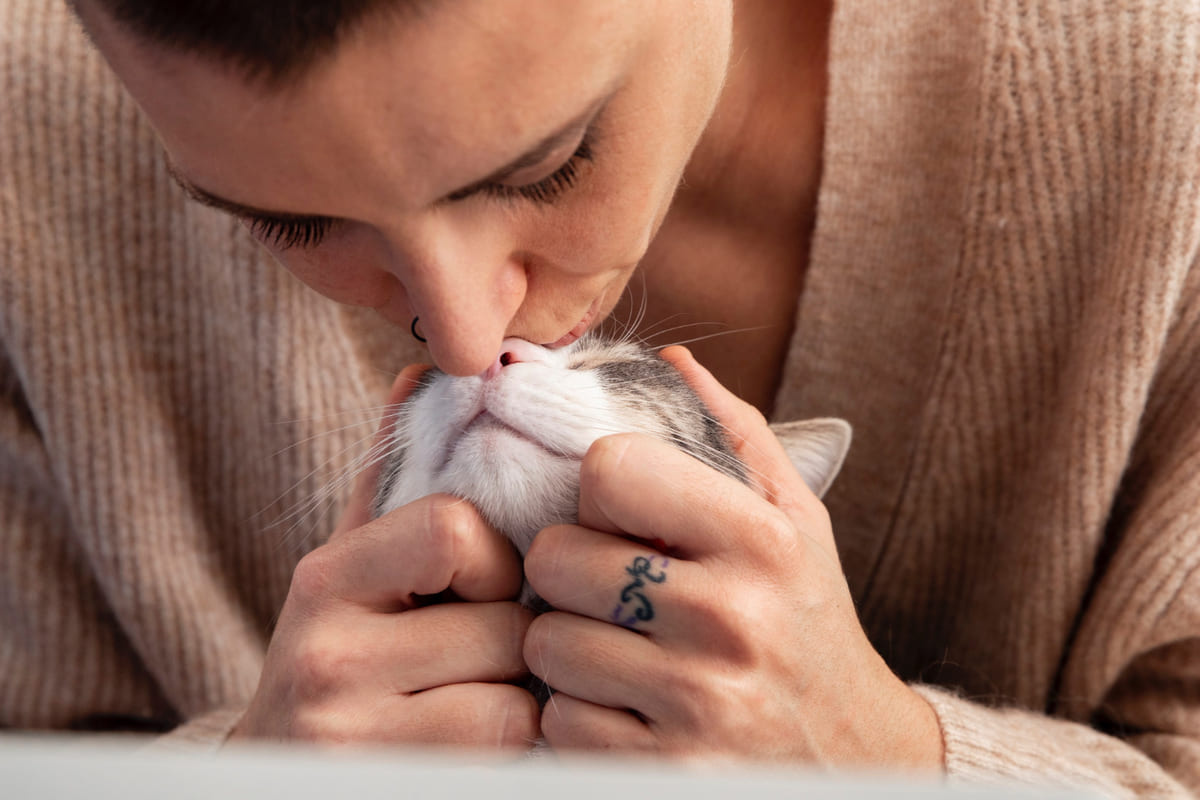
The question, “Can cat hair get into the lungs?” can create fear, especially in individuals with asthma or respiratory sensitivity. This concern usually stems from misinformation and incomplete explanations. So, can a cat hair really reach the lungs through the respiratory tract and get stuck there?
Under normal conditions, the filtering systems in the nose and throat prevent large airborne particles, including hair, from reaching the lungs. So cat hair doesn't stick to the lungs; when inhaled, it's usually trapped in the nose and throat and expelled through coughing or sneezing. However, in rare cases, very small particles can reach the lower respiratory tract.
According to information shared by The Lung Association, these tiny particles, released from pet saliva, skin flakes, and microscopic hair debris, can cause respiratory irritation in people with asthma or allergies. Instead of physically "sticking," these particles can irritate the airways, triggering asthma attacks.
So, What Happens If We Swallow Cat Hair?
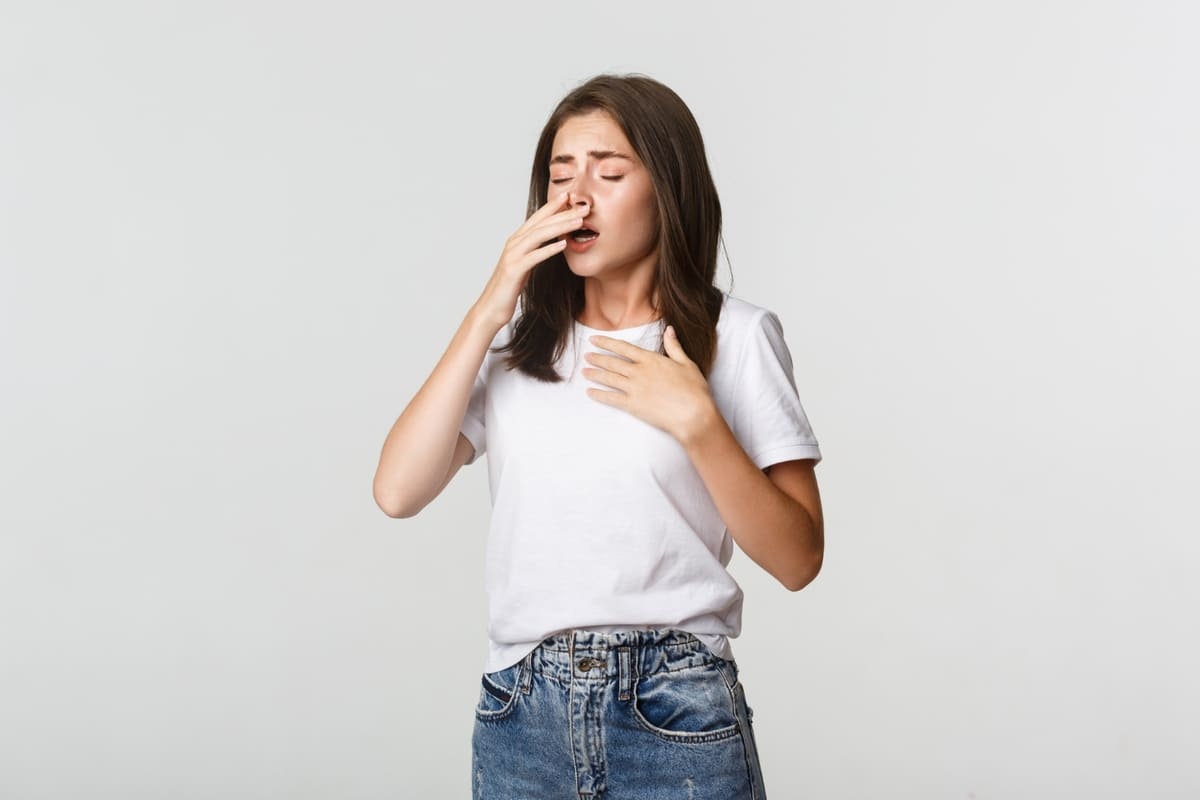
While living with your cat, you may unknowingly swallow some of the hair that gets into the air or on your clothes.
First of all, it's important to know that swallowing cat hair doesn't pose a serious health risk for most healthy individuals. Hair is indigestible; that is, when it reaches the stomach, it is excreted in the feces without being processed by the body. This process usually doesn't cause any discomfort. However, in individuals with weakened immune systems or gastrointestinal sensitivities, this can result in side effects such as mild digestive problems.
Cat hair doesn't directly pose a health risk; however, obsessive or repeated hair ingestion can lead to symptoms such as stomach irritation. Therefore, washing your hands after close contact with your cat, cleaning your clothes, and paying attention to household hygiene are very important.
The Real Health Effect of Cat Hair: Allergies and Asthma
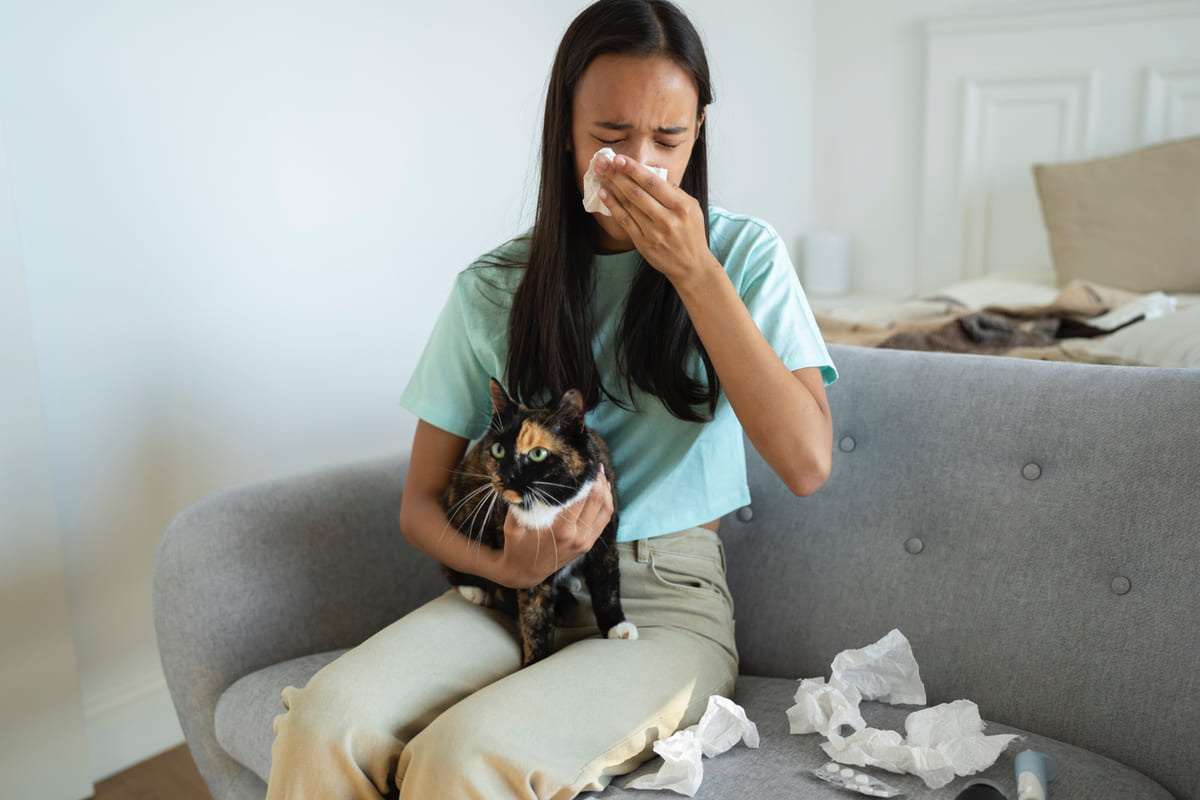
Among the most common health problems related to cat hair are allergic reactions and asthma attacks. Contrary to popular belief, it is not the hair itself that causes these reactions; it is allergenic proteins such as microscopic skin particles shed from the cat's skin, saliva, and urine. The hair carries these proteins and facilitates their spread into the environment.
Especially in individuals prone to allergies and those with cat allergies, this can lead to discomforts such as nasal congestion, sneezing, itchy eyes, and asthma symptoms. This can seriously affect the quality of life for individuals with cat allergies. While cat dander does not increase the risk of asthma, exposure to allergens can trigger existing asthma.
According to information released by Asthma + Lung UK, in individuals sensitive to cat allergens, symptoms may manifest as inflammation in the airways, wheezing, and shortness of breath. It is especially recommended that asthma sufferers undergo allergy testing before considering keeping a pet at home, ensure good ventilation, and take measures to reduce the spread of cat hair.
What to Do If You Swallow Cat Hair
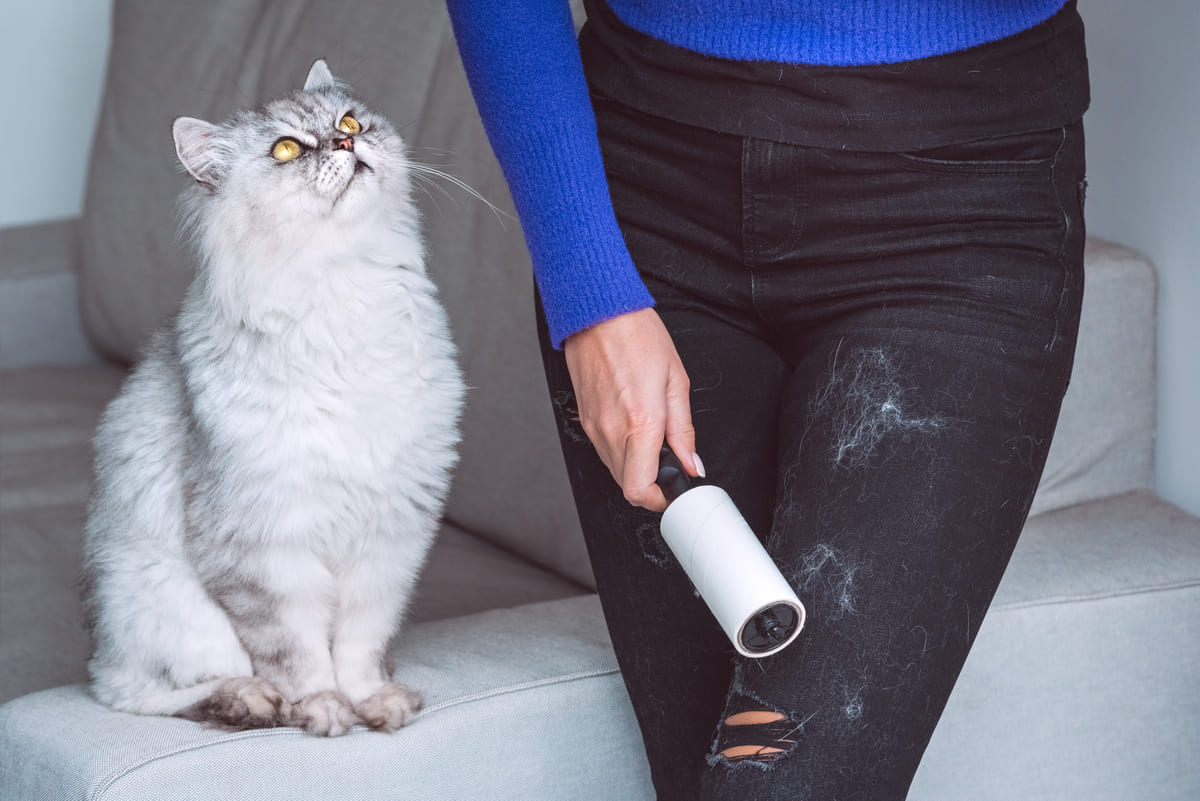
While spending time with cats, it's possible for hairs flying in the air while eating to get into your mouth, or for hairs on your clothes to be ingested after touching them. In such moments, the question "What now?" may come to mind. Before you worry, it's important to know what to do step by step:
- Swallowing a small amount of cat hair once is usually harmless and is expelled from the body without being digested.
- Drinking plenty of water helps the swallowed hair pass through the digestive system faster.
- Consuming fiber-rich foods can support digestion and help the hair be expelled in the stool.
- Seek medical attention if you develop symptoms such as stomach discomfort, bloating, or a persistent cough.
- If you notice cat hair on your hands or clothes, clean them; washing your hands before meals is especially important.
- If you frequently swallow cat hair or if this causes you psychological distress, seek professional help.
Symptoms of Cat Hair Entering the Lungs

When cat hair is inhaled, it is often retained at the level of the nose and throat. In very rare cases, microscopic hair particles or allergen proteins can reach deeper respiratory tracts. In this case, some people may experience symptoms of cat hair entering the lungs. These symptoms may be more pronounced, especially in individuals with asthma or allergic sensitivities. The most common symptoms are: Persistent cough: A dry cough that begins with a tickling sensation may be a reaction of the respiratory tract to feather particles. Chest pressure: Discomfort or tightness in the chest when taking deep breaths. Shortness of breath or wheezing: May occur after contact with feathers in individuals with allergies. Tickling sensation: A feeling as if there is feather in the throat may increase the urge to swallow. Sneezing and runny nose: If the allergen has been inhaled along with the feather, a reaction may occur in the nasal mucosa. As emphasized by Medical News Today, these symptoms are usually temporary, and the body expels the particles through its own defense mechanisms. However, if the symptoms persist for more than a few days or worsen, a doctor should be consulted immediately.
The most common symptoms are:
Persistent cough: A dry cough that begins with a tickling sensation may be a reaction of the respiratory tract to hair particles. Feeling of pressure in the chest: Discomfort or tightness in the chest when taking deep breaths. Shortness of breath or wheezing: This can occur in individuals with allergies after contact with cat hair. Tickling sensation: A feeling as if there is hair in the throat can increase the urge to swallow. Sneezing and runny nose: If the allergen has been inhaled along with the hair, a reaction may occur in the nasal mucosa. As highlighted by Medical News Today, these symptoms are usually temporary, and the body expels the particles through its own defense mechanisms. However, if the symptoms persist for more than a few days or worsen, a doctor should be consulted immediately. Causes of Cat Hair Entering the Lungs Certain conditions can cause cat hair to reach the respiratory tract. As mentioned earlier, this is usually related more to microscopic allergen particles carried on the hair reaching the lungs than to the hair itself. Particularly in sensitive individuals, this can result in respiratory irritation and allergic reactions. Potential causes include: Microscopic hair particles: These invisible particles shed from cats' skin easily mix with the air. When inhaled, these particles can reach the bronchi. Enclosed and poorly ventilated environments: Lack of frequent cleaning at home, failure to use air filters, or spending long periods in the same room with a cat increases particle concentration. Deep breathing after face contact with a cat: Unconscious contact, especially in children or during sleep, is a possible cause. Allergy predisposition: In individuals with allergies, even particles that are normally tolerable can cause a reaction. This makes the respiratory tract more sensitive. Lack of pet care: Cats that are not brushed or that shed excessively during shedding season increase hair accumulation in the environment.
As highlighted by Medical News Today, these symptoms are usually temporary, and the body expels the particles through its own defense mechanisms. However, if symptoms persist for more than a few days or worsen, a veterinarian should be consulted immediately.
Causes of Cat Hair Entering the Lungs

Certain conditions can cause cat hair to reach the respiratory tract. As mentioned earlier, this is usually related more to microscopic allergen particles carried on the hair reaching the lungs than to the hair itself. In particularly sensitive individuals, this can result in irritation and allergic reactions in the respiratory tract. Potential causes can be listed as follows:
Microscopic hair particles: These invisible particles shed from cats' skin easily mix with the air. When inhaled, these particles can reach the bronchi. Closed and poorly ventilated environments: Infrequent cleaning at home, not using an air filter, or spending long periods in the same room with a cat increases particle concentration. Deep breathing after face contact with a cat: Unconscious contact, especially in children or during sleep, is a possible cause. Allergy predisposition: In individuals with allergies, even particles at levels that are normally tolerable can cause a reaction. This makes the respiratory tract more sensitive. Lack of pet care: Cats that are not brushed or that shed excessively during shedding season increase hair accumulation in the environment.
Treatment Solutions for Cat Hair in the Lungs

Some symptoms that may occur when allergen particles inhaled along with cat hair cause irritation in the respiratory tract may require treatment. At this point, various solutions can be applied taking into account the severity of the symptoms and the person's medical history.
Allergy medications (antihistamines): Symptoms can be reduced with over-the-counter or doctor-prescribed medications for mild allergic reactions. Inhalers or bronchodilator sprays: Help widen the bronchi for asthma patients, making breathing easier. Breathing exercises and steam applications: These are among the natural methods that can be applied at home; they facilitate the expulsion of phlegm. Medical follow-up: If symptoms last longer than a few days or worsen, a pulmonologist should be consulted. Allergy tests: Necessary to determine the source of the problem and create a long-term prevention plan.
Another issue as important as treatment is prevention. The treatment process should be tailored to individual needs and carried out under expert supervision.
Measures to Reduce Cat Hair Spread and Respiratory Risk at Home
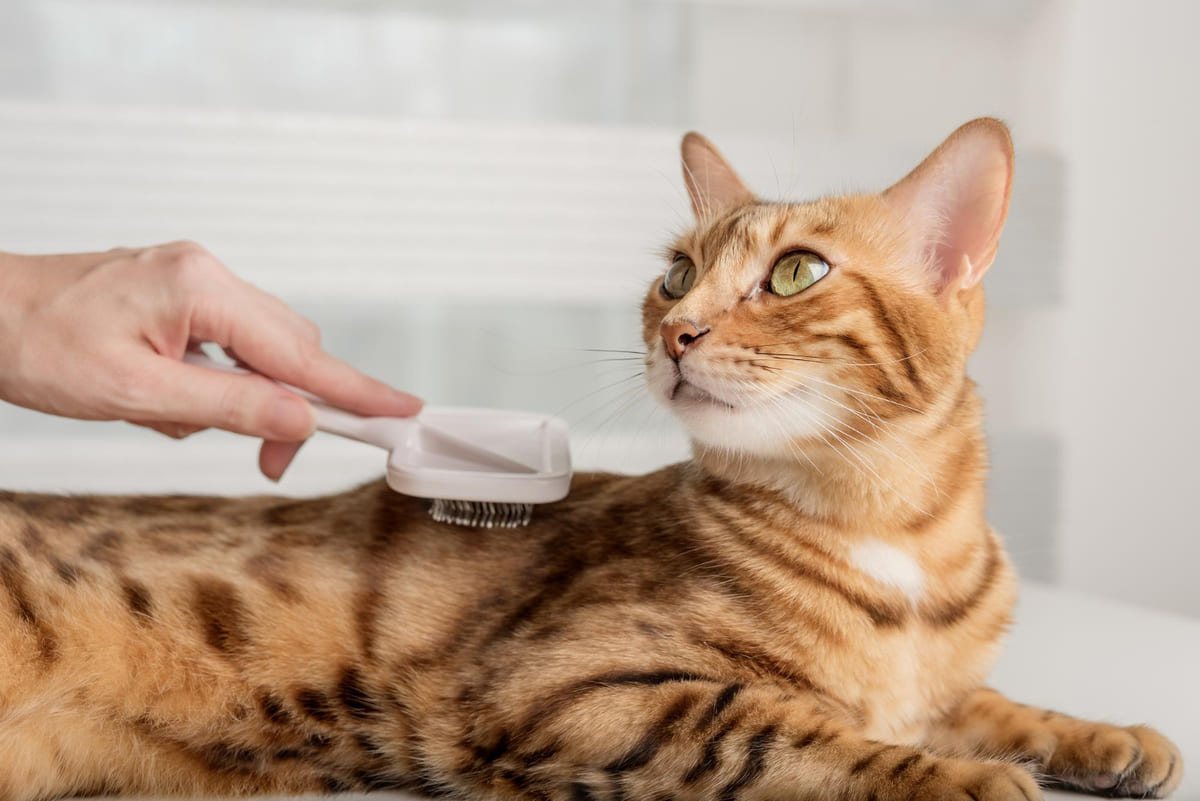
While the likelihood of cat hair posing a health risk is minimal, reducing the allergen load improves quality of life and prevents possible complications.
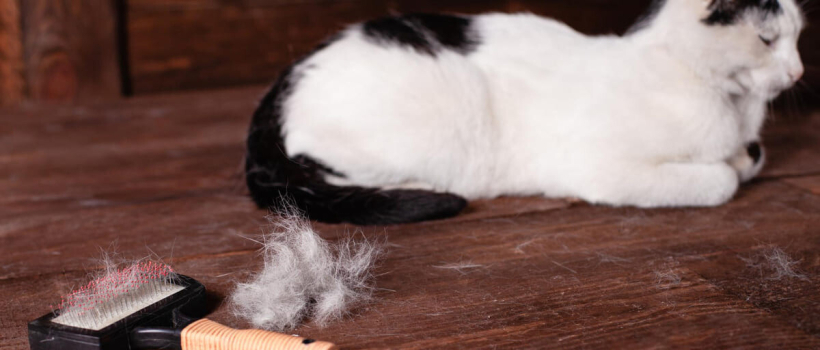
- Cats should be brushed regularly. Brushing several times a week significantly reduces the amount of shedding. Hair control also prevents the formation of hairballs.
- House cleaning should not be neglected. Daily vacuuming and wiping minimizes the possibility of hair becoming airborne. Vacuum cleaners with HEPA filters are more effective in this regard.
- If allergic reactions occur, designate a separate area for your cat. Keeping your cat out of enclosed and personal areas, especially bedrooms, reduces allergen exposure.
- Use an air filter or air purifier. Filter systems are very effective in removing microscopic hair particles from the air.
- Pay attention to clothing hygiene. Cleaning hair off clothing before going out prevents the spread of allergens, especially in families with children.
Information shared on Groomers Online emphasizes that professionals with intensive hair contact, such as pet groomers, should take high levels of hygiene and ventilation measures to avoid respiratory problems. This also applies to the home environment; reducing the allergen load in the air is important for the health of all individuals.
Frequently Asked Questions
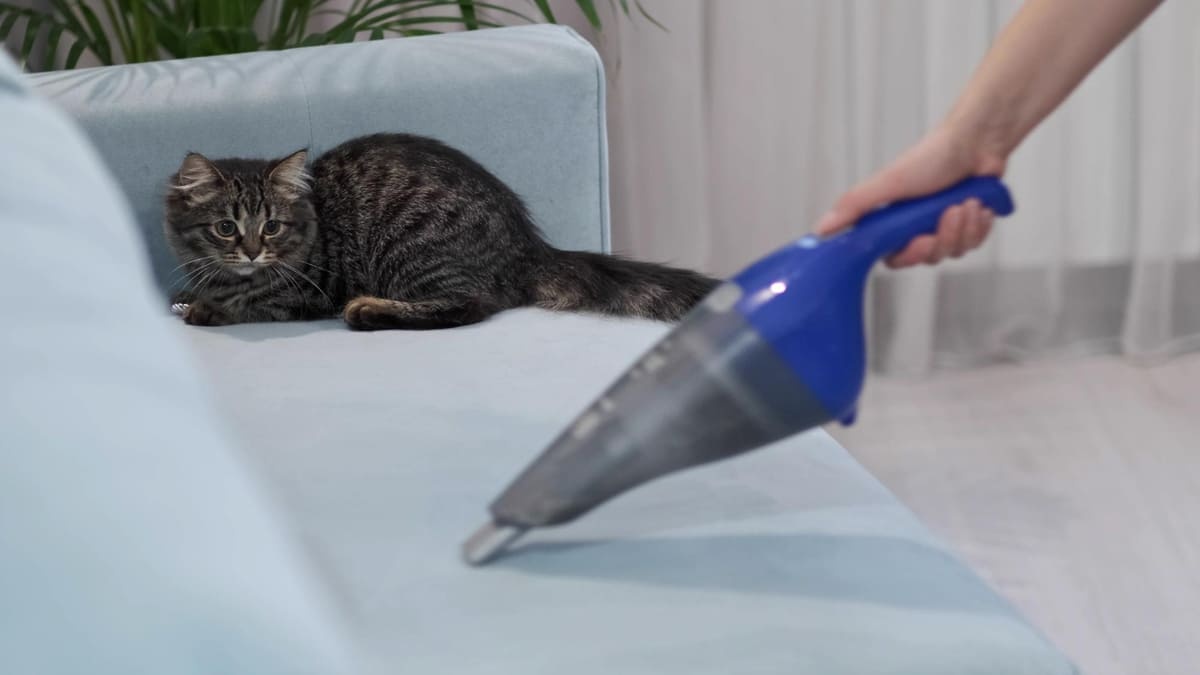
Simple but effective measures taken at home are extremely effective in reducing respiratory complaints caused by cat hair. However, many people still have questions about this. Warnings circulating on social media and rumors circulating among the public reinforce misinformation. In this part of our content, you can find answers to frequently asked questions on the subject.
Is cat hair harmful?
Cat hair is not directly harmful. The allergenic proteins (especially Fel d 1) carried on the cat's hair can cause reactions in individuals with allergies or asthma. The risk is not so much from the hair itself, but from the microscopic particles it carries. Therefore, environmental hygiene is important for individuals with sensitive health conditions.
Does cat hair cause cancer?
No, there is no scientific evidence that cat hair causes cancer. This claim is one of the misconceptions circulating among the public. Cancer formation is related to genetic, environmental, and chemical factors; it has no direct link to pet hair.
Does cat hair care reduce risks to humans?
Yes. Regularly brushing your cat's fur and feeding it high-quality cat food reduces shedding. This reduces the density of hair in the house, minimizing the risk of it entering the respiratory system. As a result, cat hair symptoms are less common.
Hair inhalation in cat and dog groomers' lungs
Pet groomers may experience respiratory problems due to prolonged and intense contact with pet hair. This condition is called "groomer's lung" in the literature. Continuous inhalation of hair can lead to bronchial sensitivity or chronic cough. Therefore, the use of protective masks and ventilation of the environment are very important.
Does swallowing cat and dog hair cause asthma?
No, it does not directly cause asthma. However, in people with allergic predisposition, allergens inhaled with hair can trigger existing asthma or facilitate the development of allergic asthma. The relationship between cat hair and asthma should be considered as a triggering factor at this point.
Disclaimer: This article is for general informational purposes only. It does not substitute for medical advice. You must consult your doctor for diagnosis or treatment of any health problems. We accept no responsibility for any possible consequences arising from the use of the information in this article.
Kaynaklar:
https://sahyadrihospital.com/blog/can-cat-hair-cause-asthma/
https://www.petco.com/content/content-hub/home/questions
https://organicmom.com.hk/a/is-cat-hair-bad-for-babies
https://www.medicalnewstoday.com/articles/cats-and-asthma
https://www.asthmaandlung.org.uk/conditions/asthma/asthma-triggers/pets-asthma
https://www.allergyuk.org/resources/cat-allergy-factsheet/
https://www.lung.org/clean-air/indoor-air/indoor-air-pollutants/pet-dander
https://www.groomers-online.com/blog/2025/05/prevent-and-cope-with-groomers-lung
https://pets.stackexchange.com/questions/28479/inhaling-or-ingesting-cats-hairs
https://www.webmd.com/pets/ss/slideshow-diseases-from-pets
https://thevets.com/resources/pet-diseases/zoonotic-diseases-from-cats-to-humans/
https://www.who.int/news-room/fact-sheets/detail/echinococcosi
Advertisement
Advertisement
Keep exploring
Continue reading
Cat Health
Why Do Cats Get Thinner as They Age? Symptoms and Treatment
When stroking an aging cat's back, the spine or hip bones may feel more prominent than before, which is the first change most cat owners notice.
Read guide →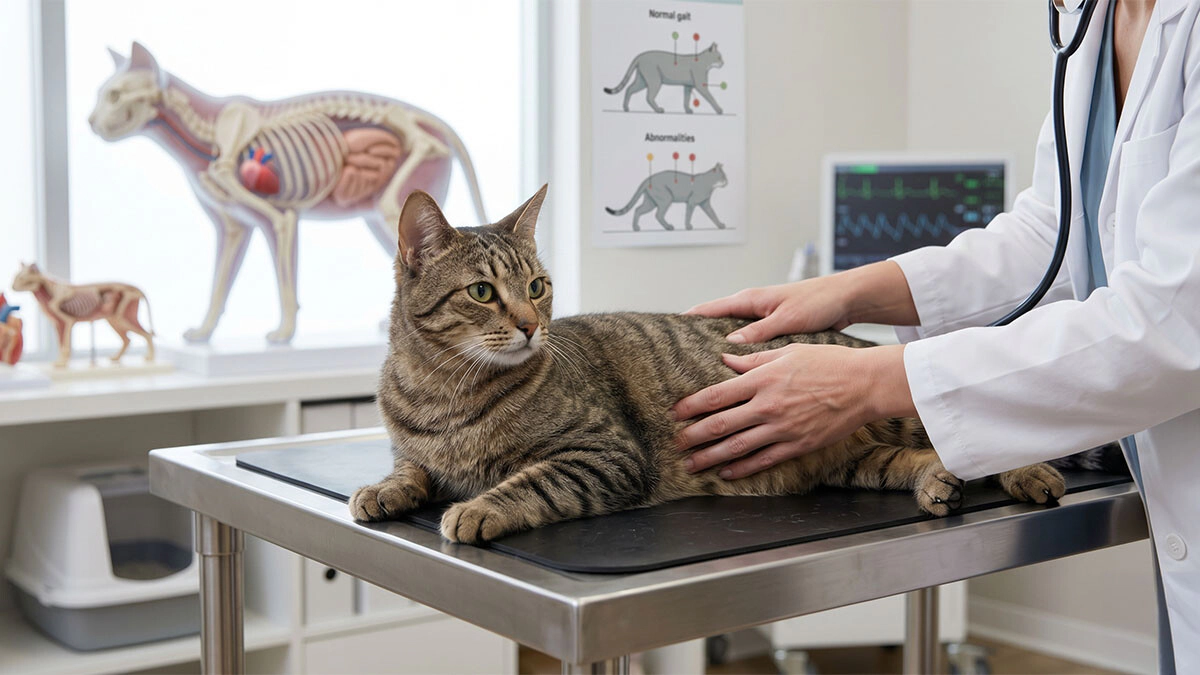
Cat Health
Cat Anatomy and Organs: Body Structure, Health Signs and Relationship with Diseases
A slight change in posture, a slight limp in gait, or a difference in litter box habits in cats can give clues about their body systems.
Read guide →
Cat Health
How to Acclimate Cats to Carrier Bags?
Does your cat hide, hiss, or resist with all its might the moment it sees the carrier? This reaction is described as carrier phobia in most homes…
Read guide →
Cat Health
What Should Be Considered After Vaccination in Cats?
Following your cat's vaccination schedule for health and a long life is one of the most critical decisions you will make as a pet owner.
Read guide →