Is Kissing Budgies Harmful?
Budgies are extremely social creatures. They enjoy spending time with their owners and bonding with them. People who keep birds, of course, cannot help but reciprocate the affection shown to them. However, kissing budgies may not be as innocent a behavior as it seems.

Advertisement
Budgies are extremely social creatures. They enjoy spending time with their owners and bonding with them. People who keep birds, of course, cannot help but reciprocate the affection shown to them. However, kissing budgies may not be as innocent a behavior as it seems. There are some risks for both budgies and humans when kissing them. In the rest of our article, we will discuss "Is kissing budgies harmful?" We answered the question by addressing the potential dangers both sides might face, and talked about how you can safely kiss them and in what other ways you can show them your affection.

Emotional and Physical Reactions of Budgies
It is not accurate to make a general judgment about whether birds like to be kissed. While some birds may enjoy being kissed, others may not be very receptive. If you are wondering, "Does my budgie enjoy being kissed?", you should pay attention to its physical reactions.
Birds give a fight-or-flight response when they experience fear or tension. If your budgie doesn't like you kissing it, it may show this through its behavior. The first of these is biting you. Although many people attribute birds biting to aggression, they actually do it as a reaction because they are afraid. Another reaction is that your bird will run away when you approach it to kiss it. It may also scream or make an angry, excessive noise.
If your bird enjoys being kissed, it may not make any movement or may show its affection by rubbing its head against you. It may also respond to your kiss by gently licking with its tongue.

Potential Health Risks and Infectious Diseases
Regardless of whether your budgie likes it or not, kissing it carries potential health risks for both parties. In fact, when you kiss your bird, you may be at risk of contracting an infectious disease.
Human saliva contains over a hundred different types of germs and bacteria. Human saliva also carries thousands of different bacteria that are not found in birds. Moreover, no matter how confident you are in your oral hygiene, the risk of these germs and bacteria being transmitted to birds is quite high. However, the difference in our natural bacterial populations means that birds have a lower natural defense against the bacterial population found in humans. Kissing your budgie on the mouth or getting your saliva on its beak area can cause respiratory infections, lung disease, and salmonellosis in your bird.
If you regularly use lip balms or lipsticks, your bird may be exposed to the chemicals in these products. The chemicals in these products can threaten the health of birds; they can cause them to become ill, or even face more serious consequences.
Besides the risks your bird faces, there are also some dangers for you. Your bird may bite you when you try to kiss it. This can result in injury. Although budgies are social creatures that enjoy interacting with humans, it's not accurate to say that every bird will enjoy being kissed. Psittacosis, caused by Chlamydia psittaci, is a disease that can be transmitted from birds to humans, posing a threat to bird keepers. It can cause very mild or very severe symptoms in humans, and can even be fatal. Humans can contract psittacosis by inhaling the bacteria secreted in dust and dander from birds' feathers, droppings, and bodily fluids. The risk of transmission increases especially when birds are kissed. You can find detailed information on this topic in our article titled "What is Psittacosis in Birds, and Can it Be Transmitted to Humans?".
Psittacosis is a disease caused by Chlamydia psittaci that can be transmitted from birds to humans, thus threatening people who keep birds. It can cause very mild or very severe symptoms in humans, and can even be fatal. Humans; Humans can contract psittacosis by inhaling bacteria secreted in dust and dander from birds' feathers, droppings, and bodily fluids. The risk of transmission increases, especially when kissing birds. You can find detailed information on this topic in our article titled "What is Psittacosis in Birds, and Can it Be Transmitted to Humans?".

Safe Communication Methods and Alternative Affection Expressions
If you want to kiss your budgie, the safest way is to kiss the inside of its mouth and areas away from its beak. However, instead of kissing your bird, showing your affection through different behaviors can be a safer form of interaction.
Budgies enjoy interacting with humans very much. If you want your bird to feel loved, you can spend plenty of time with it. During the time you spend together, you can play fun games that your bird will enjoy. Since budgies are intelligent and active creatures, they will enjoy these kinds of activities. In this way, you can also ensure that they stay happy and healthy. You can find toys that your bird might like by clicking here.
If you want to show your bird your affection through physical contact and your bird doesn't mind, you can stroke its head or the top of its neck with your finger. You can allow it to perch on your hand or arm, or come close to you, as long as it avoids dangerous areas like its eyes.
You can also give your bird tasty treats in addition to its regular food. Giving it such a treat, especially during a time you're enjoying together, can make it happier and strengthen its bond with you. You can browse specially formulated treats for birds here.
Advertisement
Advertisement
Keep exploring
Continue reading
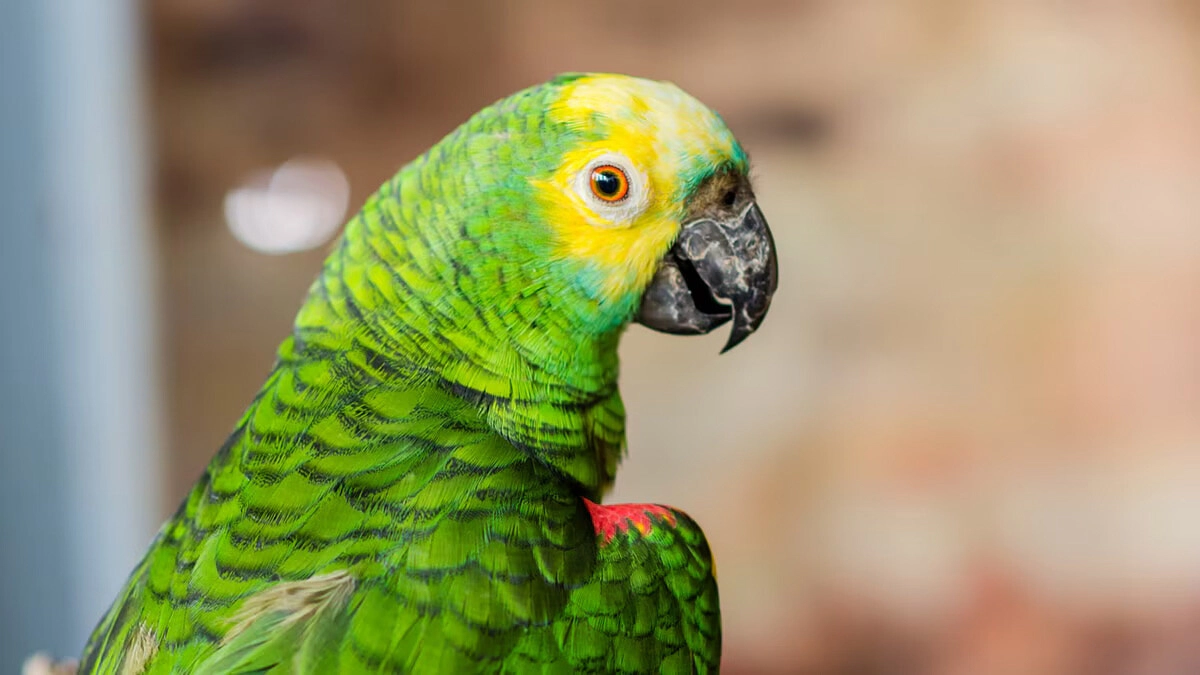
Bird Care
Comprehensive Guide to Amazon Parrot Care, Feeding and Training
Caring for an Amazon Parrot isn't as simple as putting food in the cage, keeping an eye on the water, and getting through the day.
Read guide →
Bird Care
Things to Consider When Choosing Bird Food
As stated in PetMD, a significant portion of errors in bird nutrition stem from not selecting feed according to the species and needs.
Read guide →
Bird Care
Canary Characteristics, Care and Feeding
If you want a cheerful, loving, and lively energy in your home, canaries can start a wonderful change in your life.
Read guide →
Bird Care
Common Misconceptions About Bird Care: Debunking Myths with Scientific Facts
We can only understand how sensitive and special pet birds are when we own them. The chirping of a budgie or the affectionate gaze of a parrot gives…
Read guide →