Do cats eat ice cream?
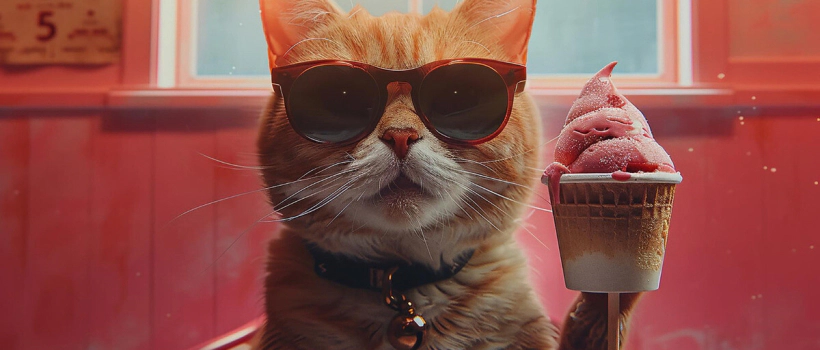
If you share your life with a cat, you may have witnessed your adorable friend's interest in ice cream. This interest leads to questions about whether it is safe for cats to eat ice cream. Making the right decisions about your cat's diet is very important for protecting its health.
Advertisement
If you share your life with a cat, you may have witnessed your adorable friend's interest in ice cream. This interest leads to questions about whether it is safe for cats to eat ice cream. Making the right decisions about your cat's diet is very important for protecting its health. While cats naturally love milk-based foods like ice cream, whether these foods are healthy for them is debatable. In this article, we will discuss why cats are prone to eating ice cream and the potential harms of ice cream for cats.
Why Are Cats Prone to Eating Ice Cream?
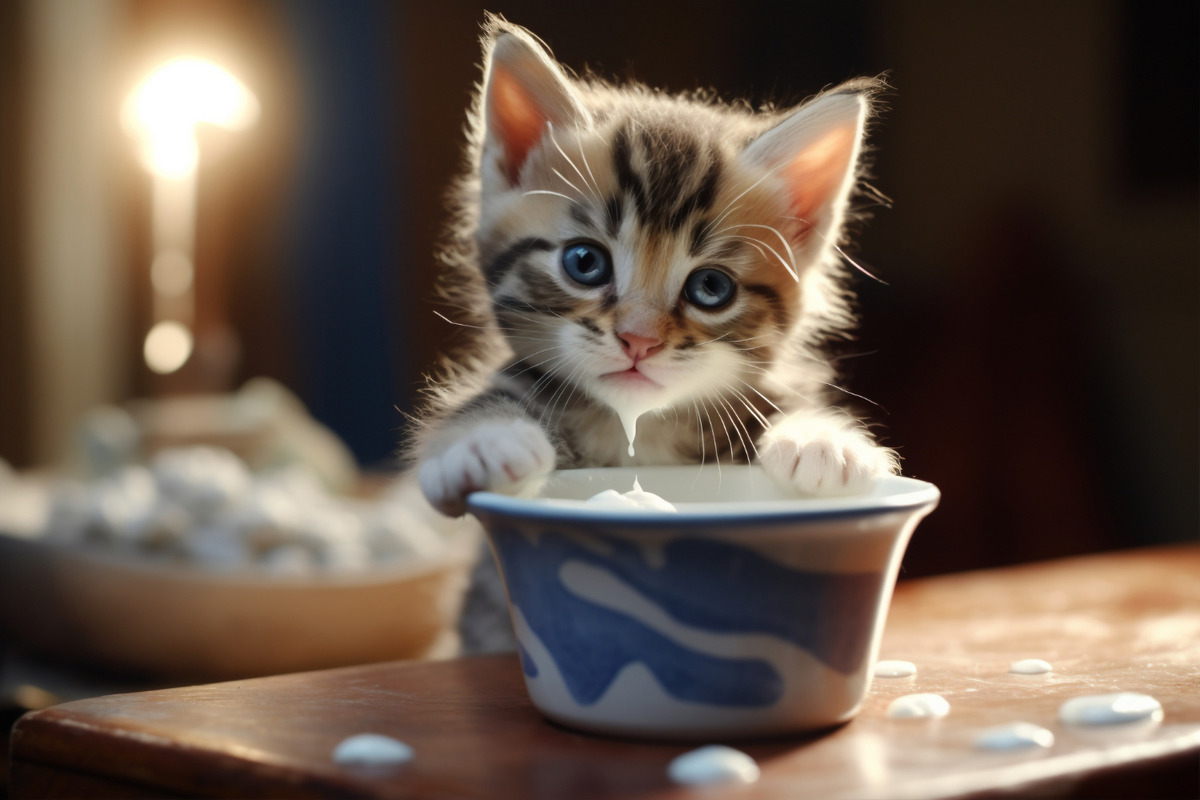
One of the main reasons cats are interested in ice cream is their natural fascination with dairy products. Because cats nurse from their mothers during their kittenhood, they develop an interest in the taste of milk. While ice cream's creamy texture also attracts cats, this doesn't mean it's healthy for them. Many cat owners are surprised by their furry friends' interest in foods like ice cream, but this interest stemming from their dietary habits is not safe.
Is it Safe to Give Ice Cream to Cats?
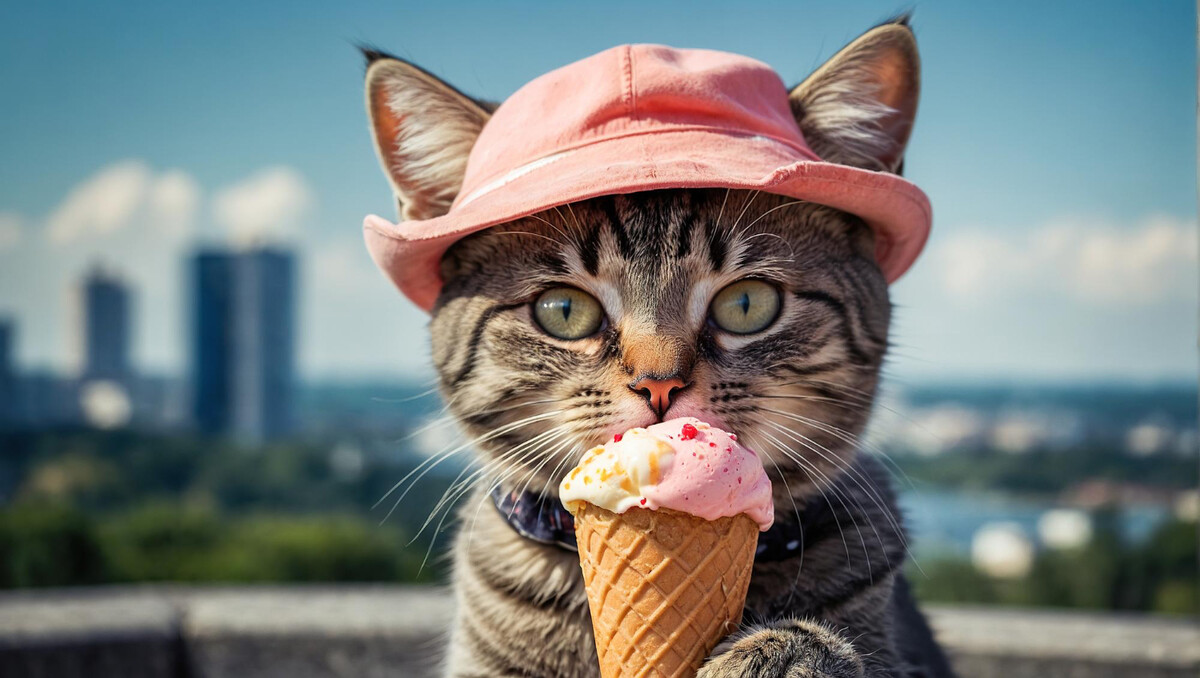
Giving ice cream to cats is not safe. Cats have difficulty digesting dairy products, and the sugar and additives in ice cream pose serious health risks. Cat owners should offer their cats healthy alternatives instead of ice cream. Lactose-free cat milk or ice creams specially formulated for cats are safer options. You can review cat milks specially formulated for cats by clicking here. Even safe options for them should be carefully added to their meals to avoid causing excessive calorie intake.

What are the Harms of Ice Cream for Cats?
Ice cream poses serious health risks for cats. Lactose can cause problems in the digestive system of adult cats. High sugar and fat content can also lead to weight gain and long-term obesity in cats. These risks should be taken into account for cats, and even if they ask for these foods in their most innocent forms, they should not be accepted.
Lactose Intolerance
Lactose intolerance, which is frequently seen in cats, occurs because they do not have the lactase enzyme necessary to break down lactose. Since the production of this enzyme decreases in adult cats, the digestion of milk and dairy products becomes difficult. In cats with lactose intolerance, ice cream consumption can lead to stomach cramps, diarrhea, and gas problems. Cat owners should be aware of whether their cats have lactose intolerance and avoid such foods. Harmful Foods Sugar is not a natural food for cats, and high sugar consumption increases the risk of diabetes in cats. Fat does not contribute to a cat's diet; on the contrary, it can cause weight gain due to excessive calorie intake. Some ice creams contain artificial sweeteners, and these substances can be toxic to cats. Foods such as chocolate, grapes, and apples are also harmful to cats. Cat owners should be aware of these ingredients and avoid products like ice cream. Cold Food Consumption Cold foods can put extra stress on a cat's digestive system. Cats have more sensitive digestive systems than humans, and cold foods can cause stomach upset. Cold and fatty foods like ice cream can cause stomach cramps in cats. Cat owners should avoid these types of foods to protect their cats' digestive health. Frequently Asked Questions After discussing the harms of giving ice cream to cats and the reasons for these harms in detail, let's move on to the answers to some important questions that cat owners ask about their cats' ice cream consumption. What should I do if my cat eats ice cream? While your cat eating a small amount of ice cream usually doesn't cause an immediate problem, it's important to closely monitor the symptoms. If you see symptoms such as vomiting, diarrhea, or lethargy, you should consult a veterinarian. Your cat's overall health can affect its reaction to these types of foods.
Harmful Foods
Sugar is not a natural food for cats, and high sugar consumption increases the risk of diabetes in cats. Fat does not contribute to a cat's diet; on the contrary, it can cause weight gain due to excessive calorie intake. Some ice creams contain artificial sweeteners, and these substances can be toxic to cats. Foods such as chocolate, grapes, and apples are also harmful to cats. Cat owners should be aware of these ingredients and avoid products like ice cream.
Consumption of Cold Foods
Cold foods can put extra stress on a cat's digestive system. Cats have more sensitive digestive systems than humans, and cold foods can cause stomach upset. Cold and fatty foods like ice cream can cause stomach cramps in cats. Cat owners should avoid these types of foods to protect their cats' digestive health. Frequently Asked Questions After discussing the harms of giving ice cream to cats and the reasons for these harms in detail, let's move on to the answers to some important questions that cat owners ask about their cats' ice cream consumption. What should I do if my cat eats ice cream? While your cat eating a small amount of ice cream usually doesn't cause an immediate problem, it's important to closely monitor the symptoms. If you see symptoms such as vomiting, diarrhea, or lethargy, you should consult a veterinarian. Your cat's overall health can affect its reaction to these types of foods.

Frequently Asked Questions
After discussing the harms of giving ice cream to cats and the reasons for these harms in detail, let's move on to the answers to some important questions that cat owners ask about their cats' ice cream consumption.
What should I do if my cat eats ice cream?
While your cat eating a small amount of ice cream usually doesn't cause an immediate problem, it's important to closely monitor the symptoms. If you see symptoms such as vomiting, diarrhea, or lethargy, you should consult a veterinarian. Your cat's overall health can affect its reaction to this type of food.
Kediler laktozsuz dondurma yiyebilir mi?
While lactose-free ice cream poses less risk for cats, caution should still be exercised. Although lactose-free products don't cause digestive problems due to the absence of lactose, they can still be harmful to cats because they may contain sugar and other additives.
Are there ice cream recipes for cats?
Yes, there are healthy ice cream recipes for cats. Recipes that are usually yogurt-based and sugar-free are safer for cats. For example, ice creams made with natural ingredients like plain yogurt and pumpkin puree may appeal to your cat. However, like all treats for cats, these types of recipes should be offered in controlled portions.
Is it safe to give milk to cats?
Giving milk to cats is generally not safe. Since the vast majority of adult cats experience lactose intolerance, milk consumption can lead to digestive problems. Lactose-free cat formula can be preferred instead of milk.
Can ice cream cause poisoning in cats?
Some ice creams may contain artificial sweeteners that can be toxic to cats. Sweeteners like xylitol, in particular, can cause serious poisoning in cats. Cat owners need to be very careful about this.
Advertisement
Advertisement
Keep exploring
Continue reading

Cat Nutrition
The Importance of Fiber in Cat Food: Its Role in Digestion, Hairballs, and Weight Control
Most people just glance at the "crude cellulose" line in the analysis table on the cat food packaging.
Read guide →
Cat Nutrition
The Importance of Wet Food Consumption in Cats During Summer
When temperatures rise, cats, just like us, may have difficulty maintaining their fluid balance.
Read guide →
Cat Nutrition
Mineral Balance in Dry Cat Foods: The Role of Calcium and Phosphorus
The suitability of cat food for a cat in the long term is not determined solely by protein, fat, or calories.
Read guide →
Cat Nutrition
Essential Cat Food Ingredient Terms for Cat Owners
If you are a cat parent with at least one cat eagerly awaiting your return and nourished by your love in addition to the food you provide, this…
Read guide →