Do cats eat olives?
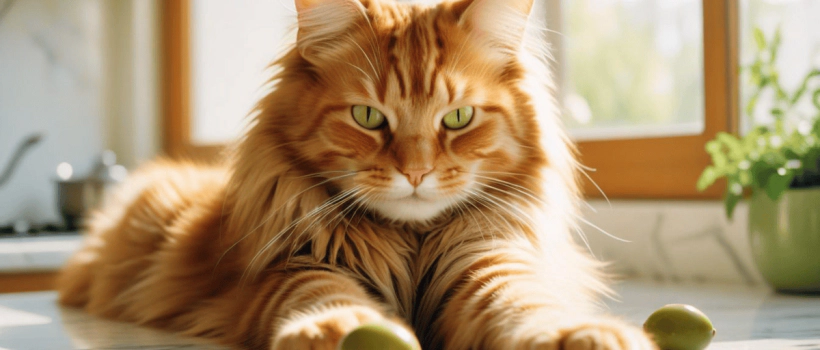
Olives are known as one of the indispensable flavors of Mediterranean cuisine. Olives, which are a very healthy snack for humans, can also attract the attention of cats. Seeing your cat approaching olives with curiosity may surprise you as much as it makes you think. So, can cats really eat olives?
Advertisement
Olives are known as one of the indispensable flavors of Mediterranean cuisine. Olives, which are a very healthy snack for humans, can also attract the attention of cats. Seeing your cat approaching olives with curiosity may surprise you as much as it makes you think. So, can cats really eat olives? Are olives beneficial for cats, or do they pose health risks? In this article, you can find the effects of olives on cats and answers to frequently asked questions.
Do cats eat olives?

Technically, cats can eat olives, and olives are not toxic to cats. However, while eating olives may not provide any health benefits, it can also pose a danger. Therefore, it is not recommended to give olives to cats. Olives can contain high amounts of salt, and pickled olives in particular can be dangerous for your cat's health. For cats to have a healthy and balanced diet, it is essential that they are fed dry and canned cat foods appropriate to their life stages and general health conditions.
Cats are carnivores, and although they do not need plant-based foods like olives in their natural diet, some cats show great interest in olives. The reason for this interest, as stated on Catster, is the components called isoprenoids and pimento in olives. These components protect the olive tree from harmful insects and can create a catnip-like effect in some cats.
Cats' interest in olives stems not from their health benefits, but from the attractiveness of their scent. You should remember that olives can pose a potential danger to cats and should keep them out of your cat's reach.
Do Cats Eat Green Olives?
Green olives are olives that have been harvested earlier and are not fully ripe compared to black olives. Therefore, they are firmer and less oily. Brined or spiced green olives are not suitable for cats. Excessive salt consumption can lead to serious problems in cats such as dehydration, kidney disease, and high blood pressure. If your cat tries to eat green olives, you can give it only a small, unsalted piece of olive rarely.
Green olives contain higher concentrations of isoprenoids and pimento, and these components, similar in structure to nepetalic acid as mentioned earlier, attract cats' attention and cause olives to have a similar effect on them as catnip. Therefore, if your cat wants to eat olives, it would be a healthier choice to give them treats instead and prevent them from eating olives with positive reinforcement.
Do cats eat black olives?
Although black olives generally contain less salt than green olives, this does not mean they are safe. Moreover, black olives contain more fat. Excessive fat consumption can lead to obesity and digestive problems in cats. If you are considering giving your cat black olives, be sure to ensure they are pitted, unsalted, and in small quantities.
Do cats eat olive paste?
Olive paste is not a suitable food for cats due to its high salt, spice, and oil content. Ready-made olive pastes, in particular, may contain ingredients harmful to cats' health. Such processed products can negatively affect cats' digestive systems and lead to stomach upset.
Do Cats Eat Olive Oil?
Olive oil, when given in moderation, is not harmful to cats and may even aid digestion in some cases. However, excessive olive oil consumption can lead to diarrhea and stomach upset. If you are considering giving your cat olive oil, you should consult your veterinarian first.
Do Cats Eat Olive Leaves?
Olive leaves are obtained from the Olea europaea tree and have antimicrobial properties. According to VCA Hospitals, olive leaf extract is used as a supportive supplement, particularly in the treatment of viral infections. It is stated that this herbal supplement is used as a supportive treatment in cats for diseases such as feline leukemia (FeLV) and feline immunodeficiency virus (FIV).
Since studies on this herbal component are insufficient and its interaction with other medications is not fully clear, it should only be used under the supervision of a veterinarian.
Nutritional Value of Olives and Their Importance in Cat Nutrition

Olives are a food rich in healthy fats and antioxidants in human nutrition. However, the nutritional needs of cats are quite different from humans. Cats should obtain their protein and fat sources from animal products. Because of the high amount of salt and fat in olives, it is more appropriate for them not to be included in your cat's diet as either a staple food or a treat.
Are Olives Harmful to Cats?
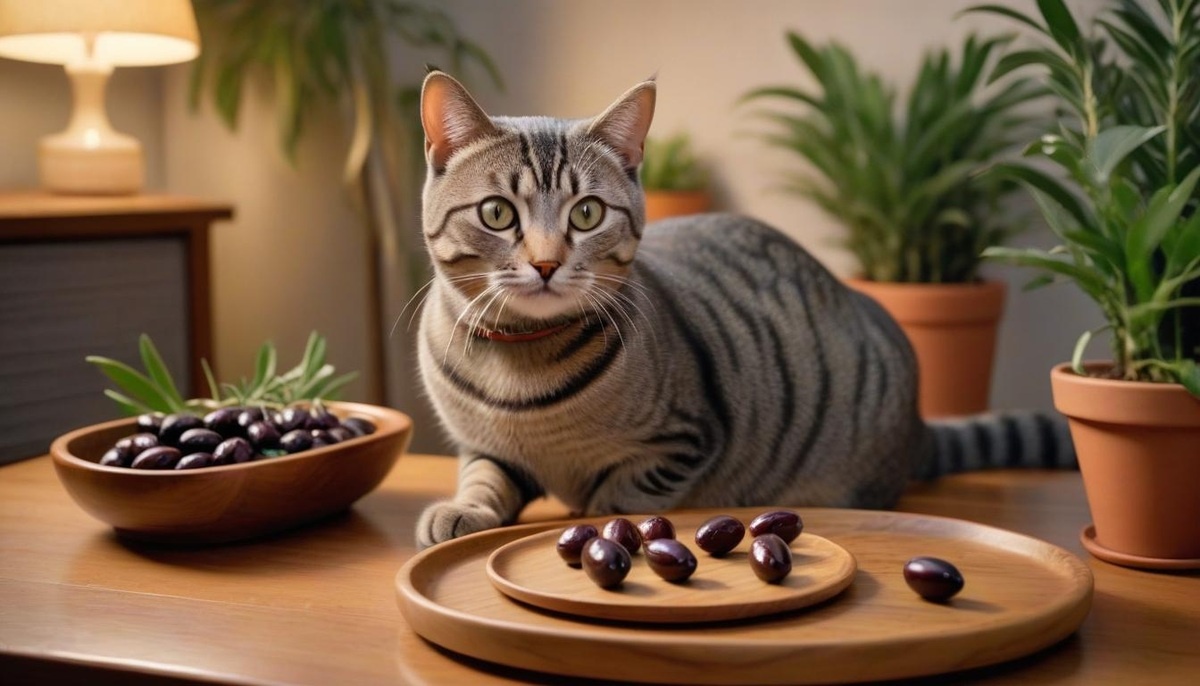
Although olives are not directly toxic to cats, their salt and fat content can cause digestive problems, dehydration, and long-term kidney disease. Pickled olives, in particular, contain excessive amounts of salt, which can cause signs of poisoning in cats. These symptoms include:
• Vomiting and diarrhea,
• Excessive thirst,
• Letarji (halsizlik),
• Tremors and seizures. If these occur, a veterinarian should be consulted immediately.
Kedilere Zeytin Verirken Dikkat Edilmesi Gerekenler
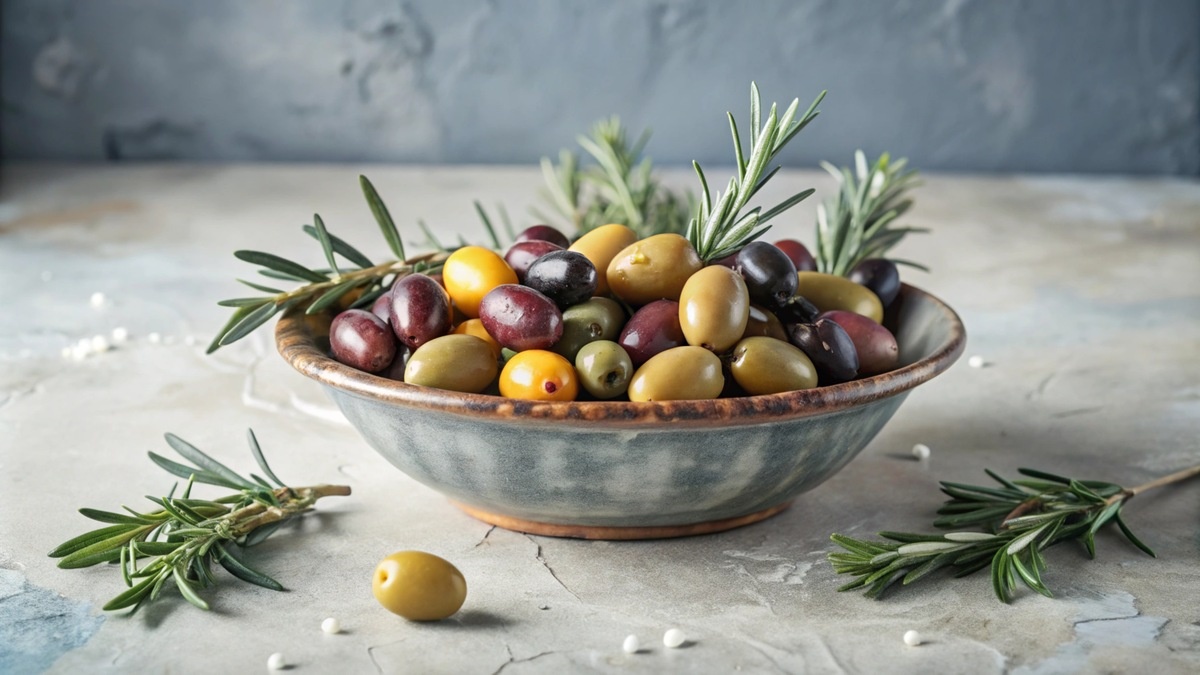
Cats do not need olives in their natural diet. However, due to the attractive smell of olives and some of their components, your cat may be interested in this food. If you want to give your cat some olives, you need to be very careful. Olives can be harmful to your cat's health if not given correctly.
Zeytin verirken dikkat edilmesi gereken noktalar:
• Choose unsalted and pitted olives. Brined olives can damage your cat's kidney function and lead to dehydration due to their high salt content.
• Pits can get stuck in your cat's throat or cause intestinal obstruction.
• Avoid spicy or flavored olives. Spices like garlic, pepper, or vinegar can be toxic to cats and lead to digestive problems.
• Limit portion sizes. A small piece of olive rarely causes problems. Regularly given olives can cause health problems.
• Be sure to observe your cat's reactions to olives. If you notice symptoms such as vomiting, diarrhea, or lethargy, stop giving olives and consult your veterinarian.
Consulting your veterinarian before adding any food to your cat's diet is the safest approach to prevent long-term health problems.
Kediler Ne Kadar Zeytin Yiyebilir?

Cats should not be allowed to eat olives frequently. A very thin slice of a pitted olive is sufficient. It is safer to give olives to cats in small amounts rarely.
Yavru Kedi Zeytin Yiyebilir mi?

Kittens have very sensitive digestive systems. Olives can negatively affect the healthy development of kittens. Salty and fatty foods, in particular, can cause stomach upset and digestive problems in kittens. Therefore, giving olives to kittens should be completely avoided. Sources: https://www.catster.com/nutrition/can-cats-eat-olives/ https://vcahospitals.com/know-your-pet/olive-leaf https://www.hillspet.com/cat-care/nutrition-feeding/can-cats-eat-olives-and-olive-oil# https://www.thedodo.com/dodowell/can-cats-eat-olives https://nootspets.com/blogs/news/can-cats-eat-olives?srsltid=AfmBOoqrKTKKyQZUWpCJOItVdizvjP72XAsFu6_Ggz4DyoKnN17nizdA https://www.trustedhousesitters.com/blog/pets/can-cats-eat-olives/ https://www.justanswer.com/cat-health/n3fkb-eating-stuffed-olives-salted-brine-cat.html
Advertisement
Advertisement
Keep exploring
Continue reading

Cat Nutrition
The Importance of Fiber in Cat Food: Its Role in Digestion, Hairballs, and Weight Control
Most people just glance at the "crude cellulose" line in the analysis table on the cat food packaging.
Read guide →
Cat Nutrition
The Importance of Wet Food Consumption in Cats During Summer
When temperatures rise, cats, just like us, may have difficulty maintaining their fluid balance.
Read guide →
Cat Nutrition
Mineral Balance in Dry Cat Foods: The Role of Calcium and Phosphorus
The suitability of cat food for a cat in the long term is not determined solely by protein, fat, or calories.
Read guide →
Cat Nutrition
Essential Cat Food Ingredient Terms for Cat Owners
If you are a cat parent with at least one cat eagerly awaiting your return and nourished by your love in addition to the food you provide, this…
Read guide →