LaPerm Cat Characteristics, Care and Temperament
Once you run your hand through those soft, perm-like curls of fur, it's hard to pull it back. The LaPerm is an unusually attractive cat with fur that waves like a loose perm.

Advertisement
Once you run your hand through those soft, perm-like curls of fur, it's hard to pull it back. The LaPerm is an unusually attractive cat with fur that waves like a loose perm.
It would be unfair to reduce its charm to the LaPerm cat's appearance. It has a curious, affectionate, and surprisingly intelligent character. It carries the resilience of a farm cat hunting mice and the softness of a friend curling up in your lap in the same body.
In this article, we have brought together the origin, appearance, temperament, adaptation to home life, care, nutrition, and health of the LaPerm, officially recognized by the CFA in 2002. We wish you pleasant reading.
Warning: This content is for general information purposes only. Every cat is individual and differs in temperament, genetics, and living conditions. Consult a veterinarian when your cat requires a definitive assessment, diagnosis, or treatment.
General Characteristics of the LaPerm Cat
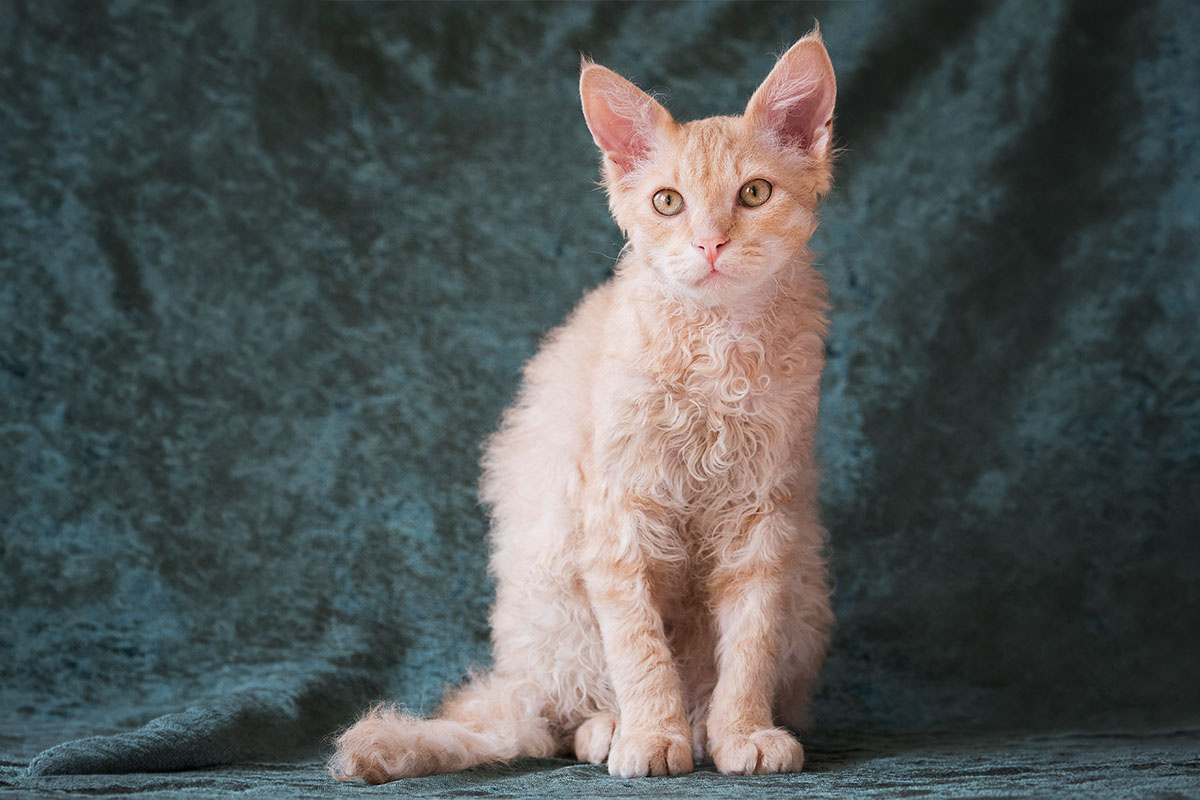
The LaPerm is a small-to-medium-sized cat breed resulting from a natural gene mutation, the rex mutation, which causes curly fur. Its story begins on March 1, 1982, in a cherry orchard in Oregon.
According to TICA, a brown tabby cat named Speedy gave birth to six kittens; one was a hairless female with large, widely spaced ears and a barely discernible tabby pattern on her skin. Within weeks, her fur grew into soft curls, and she was named "Curly". Linda Koehl named the breed LaPerm because she thought the fur resembled a loose perm.
Its body is medium length, muscular and well-balanced. Its head is slightly rounded, with a distinctive wedge shape. Its large, almond-shaped eyes and big ears make it recognizable at first glance. It has long, curly whiskers. With these flexible whiskers, the LaPerm differs from rex breeds with brittle whiskers such as Devon, Cornish and Selkirk.
The fur can be short or long. It is seen in a wide range from waves to tight curls and corkscrew curls. The tightest curls are on the neck, at the base of the ears and under the belly.
The weight of the LaPerm cat breed varies according to gender. Females average 2.7-3.6 kg, and males 3.6-4.5 kg. There are no limits on color and pattern; all colors and eye colors are acceptable. Full coat structure matures at approximately three years of age.
LaPerm Cat Character and Temperament
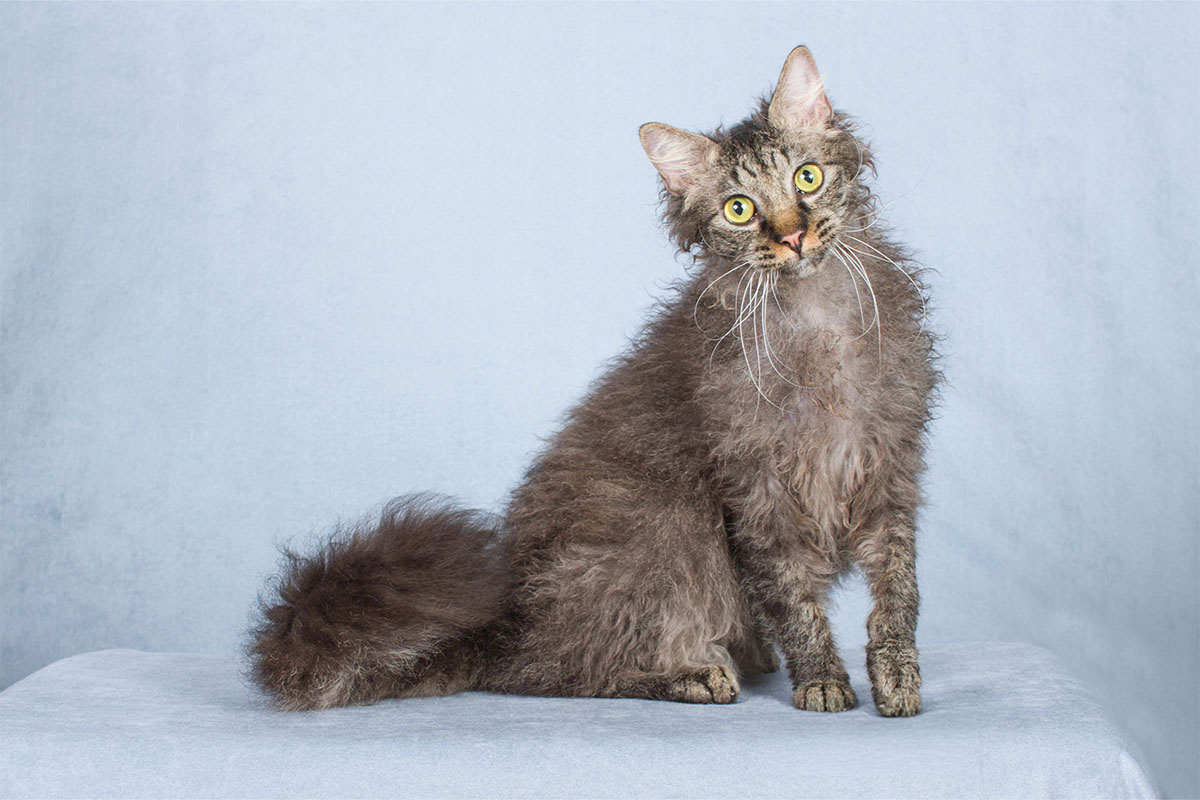
When it comes to LaPerm cat character traits, different qualities come together. Although affectionate and fond of humans, it has a balanced temperament that enjoys sitting comfortably in a lap even when active.
Its farm cat background has left it with a strong hunting instinct and high intelligence. It is not a demanding cat. When it is given attention, it shows it by purring as soon as it sees you.
It can also be said that it is open to training. It can quickly learn simple commands, fetch toys, and small tricks. They are generally quiet, but won't hesitate to make their voice heard when they want attention.
Although an active breed, they closely follow their owner and adapt to their rhythm. When you decide to sit down and rest during playtime, they will often stay there when you pick them up.
Is the LaPerm Cat Suitable for Home Life?

If the necessary conditions are met, the LaPerm adapts to home and apartment life. Because they are fond of human interaction, prolonged loneliness can lead to boredom or stressful behaviors in some individuals.
According to WebMD, these cats value companionship and feel more comfortable in families who are home all day or in environments where they have an active companion such as a cat or a cat-friendly dog.
Its affectionate and docile nature makes it a good playmate for children. As an active cat, it needs high places to climb, plenty of toys, and stimuli to keep its mind occupied. Keeping breakable items away from high shelves is an important safety precaution for LaPerm.
How to Care for a LaPerm Cat?
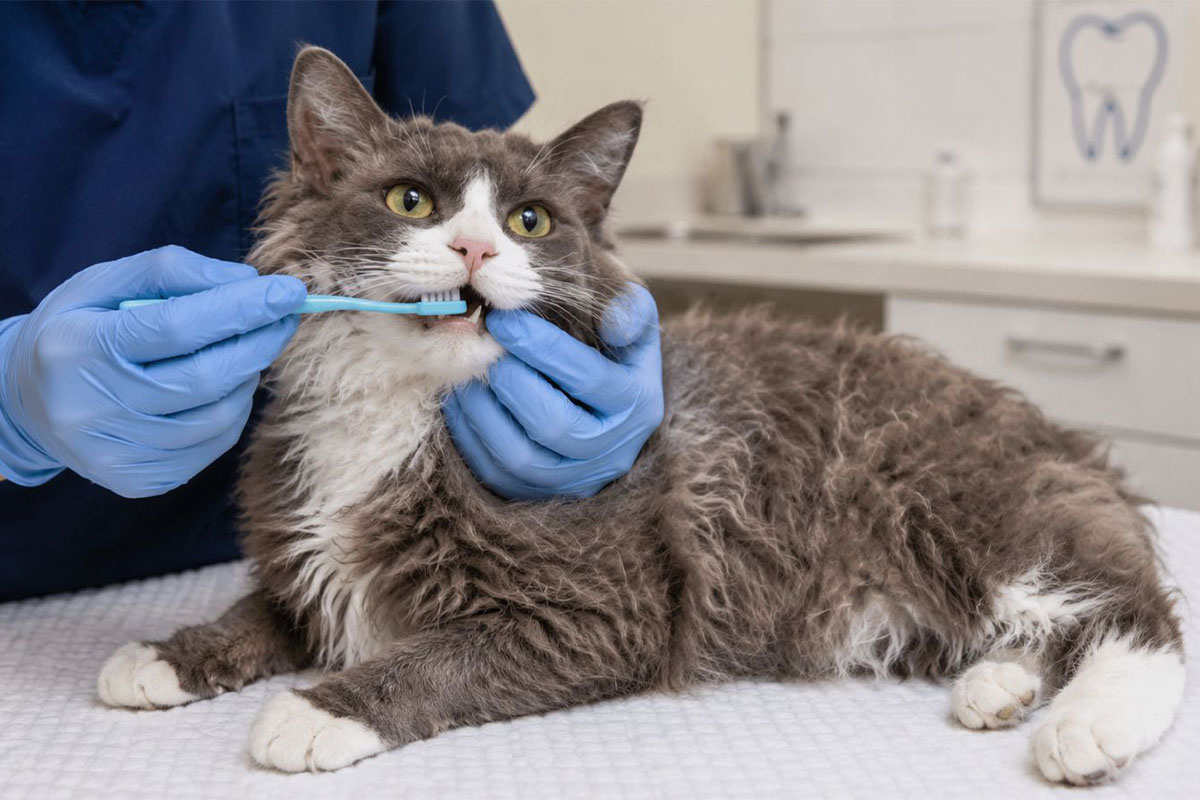
Caring for LaPerm cats is not as difficult as it seems. Regular brushing, monitoring oral and dental health, and meeting daily exercise needs form the basis of the care routine.
LaPerm Cat Fur Care
Because its curly structure keeps most of the shed hair on its body, LaPerm generally sheds little and its fur does not matt easily. However, the amount of shedding can vary from individual to individual depending on age, season, hormone status, and grooming routine. According to the VCA's recommendation, using a rotary comb approximately twice a week is sufficient to collect shedding hairs without straightening the curls. You can slightly moisten the fur with wet fingers to maintain the definition of the curls. Bathing is not always necessary. If the fur becomes excessively dirty or oily, it can be washed with a cat-appropriate shampoo. Using a hairdryer during drying can open the fur curls and cause the fur to become frizzy. Nails should be trimmed once a month. Caution: LaPerm's fur may thin out depending on the season and maturity. Areas where the fur is thin or lighter in color, especially the ear tips and nose, can be damaged by prolonged sun exposure. According to the VCA, sun-induced skin inflammation in these areas can progress over time to a malignant skin tumor called squamous cell carcinoma. Light-colored cats are at higher risk and should be protected from intense midday sun exposure.
According to the VCA, using a rotary comb approximately twice a week is sufficient to collect shedding hairs without straightening the curls. You can slightly moisten the fur with wet fingers to maintain the definition of the curls.
Bathing is not always necessary. If the fur becomes excessively dirty or oily, it can be washed with a cat-appropriate shampoo. Using a hairdryer during drying can open the curls and cause the fur to become frizzy. Nails should be trimmed once a month.
Caution: LaPerm's fur may thin out depending on the season and maturity. Areas where the fur is thinning or lighter in color, especially the ear tips and nose, can be damaged by prolonged sun exposure. According to the VCA, sun-induced skin inflammation in these areas can progress to a malignant skin tumor called squamous cell carcinoma over time. Light-colored cats are at higher risk and should be protected from intense midday sun exposure. Possible health problems that may be encountered in the LaPerm cat breed can be listed as follows:
LaPerm Cat Oral and Dental Health
Oral health in LaPerm also relies on a regular household routine. Brushing a few times a week with a cat-appropriate toothpaste and brush can reduce the risk of future problems.
Instilling brushing, nail trimming, and combing habits from kittenhood makes these care routines easier throughout life.
LaPerm Cat Exercise Needs
Because LaPerm are active and curious cats, they require daily exercise and mental stimulation. A tall cat tree for climbing, toy mice, and simple toys like a ball are enough to channel its energy. Play is also a way for it to bond with you. Keeping the litter box clean and in a quiet corner should also be a permanent part of the routine.
LaPerm Kedisi Beslenmesi
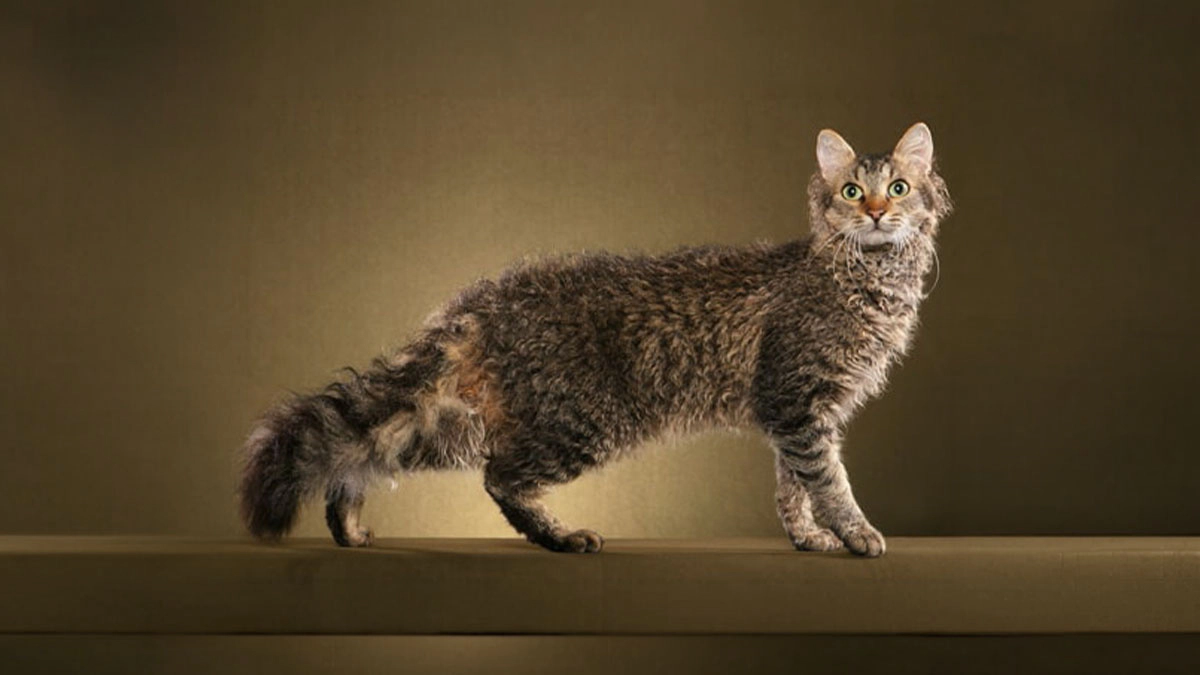
LaPerm cats do not have breed-specific nutritional requirements. Their nutritional needs can be met with a complete and balanced food appropriate for their life stage. It is important to note that food needs may change during kittenhood, adulthood, old age, special health conditions, and after neutering.
After neutering, a cat's energy needs may decrease while its appetite may increase. Adjusting the portion size according to this change is fundamental to weight control.
Clean and fresh water should always be available, and the water bowl should be washed and refreshed regularly.
Common Diseases in LaPerm Cats

It is emphasized that the LaPerm breed does not have any known hereditary diseases established within its own lineage, and one reason for this is the breed's broad genetic base. However, the statement "no breed-specific diseases" should not be considered a guarantee on its own.
According to the GCCF, crossbreeding with breeds such as Abyssinian, Somali, and Ocicat is permitted in LaPerm breeding. This may lead to the transmission of recessive, or latent, genetic diseases carried by these breeds to the LaPerm line.
According to the UC Davis Veterinary Genetics Laboratory, Abyssinian and Somali lines carry a risk for a hereditary anemia known as pyruvate kinase deficiency and progressive retinal blindness (PRA). The main guarantee is that the parents have passed these tests. Possible health problems that may be encountered in the LaPerm cat breed can be listed as follows: Obesity Obesity in cats is not simply a matter of weight, but a complex condition with metabolic and hormonal aspects. Since excess weight can increase the risk of diabetes and fatty liver disease, portion control should be adjusted according to this change. Of course, it cannot be generalized that all neutered cats gain weight; monitoring weight with a veterinarian is the healthiest approach. Gum Disease and Tooth Resorption
Obesity
Obezite
Since excess weight can increase the risk of diabetes and fatty liver disease, portion control should be adjusted accordingly. Of course, it cannot be generalized that all neutered cats gain weight; monitoring weight in consultation with a veterinarian is the healthiest approach.
Gum Disease and Tooth Resorption
Dental problems are common in cats and unfortunately progress insidiously. Gingivitis can be one of the early signs of periodontal disease. In later stages, the tissues supporting the tooth can also be affected. Another problem is tooth resorption, or FORL.
According to the Cornell Cat Health Center, tooth resorption is the most common cause of tooth loss in cats and can affect a large percentage of cats over five years old. This condition, which progresses with the erosion of the tooth from the inside, is painful and cannot be prevented by brushing. Definitive diagnosis is made with an oral X-ray, or dental radiography; in advanced stages, tooth extraction may be necessary.
Ne Zaman Veteriner Hekime Gidilmeli?
Some health problems are emergencies, while others are routine follow-up matters. Distinguishing between the two saves lives.
- Straining in the litter box in a male cat, little or no urination, painful meowing. This may be a sign of urethral obstruction. It requires immediate attention.
- Loss of appetite lasting more than two to three days in an overweight cat. According to the Cornell Cat Health Center, this can trigger hepatic lipidosis.
- Sudden lethargy, pale gums, recurrent vomiting, or difficulty breathing.
Things to Know Before Adopting a LaPerm Cat

LaPerm can live happily and peacefully in a home that values attention and companionship. If you are considering adopting a LaPerm cat, you should consider the following:
- Tolerance for loneliness is limited. If it will be left alone for long hours, it is a good idea to provide it with an effective animal companion.
- Care is low-effort but regular. Weekly brushing, monthly nail trimming, and regular dental care form the basic routine.
- It may get bored without a climbing area, toys, and mental stimulation.
- It is suitable for indoor living. Keeping it indoors is the safest way to protect it from external dangers.
Frequently Asked Questions

Is the LaPerm cat hypoallergenic?
No cat is completely hypoallergenic, meaning it doesn't cause allergies. The main cause of cat allergies isn't the fur itself, but a protein called Fel d 1 produced in the cat's sebaceous and salivary glands. According to peer-reviewed studies, fur length doesn't alter the production of this protein; short or curly fur doesn't reduce the amount produced. LaPerm's low-shedding fur may be more suitable for some mildly sensitive individuals by limiting the amount of fur and dander released into the environment, but this is not guaranteed.
Does the curly fur of a LaPerm cat grow later?
Yes, the curls mostly develop later. Many kittens are born hairless or with straight short fur, shed a large amount in the first few weeks, and mature curly fur grows in over the months. This process is more pronounced in long-haired LaPerm cats.
Can LaPerm cats be bathed?
They can be bathed, but frequent bathing isn't necessary. When the fur is noticeably dirty or oily, washing with a cat-specific shampoo is sufficient.
Does a LaPerm cat like being cuddled?
Although an active breed, LaPerms often enjoy being held. While not considered one of the calmest lap cats, they are affectionate towards humans. Since the tendency to spend time in laps varies from cat to cat, a LaPerm that doesn't like physical contact shouldn't be forced.
Does a LaPerm cat shed hair?
LaPerms generally shed a low amount of hair. The curly coat retains most of the shed hair on the body. The fur may thin temporarily during seasonal changes.
Can a LaPerm cat be left alone at home?
Frequent and long separations are not very suitable for this breed. Because they are fond of companionship, they need toys to keep their minds occupied and, if possible, an active animal companion.
Do LaPerm cats get along well with children?
Yes, LaPerms generally get along well with children. Their affectionate and playful nature allows them to form a harmonious relationship with older children who treat them respectfully. It is beneficial for initial introductions with younger children to be calm and supervised.
How many years do LaPerm cats live?
The average lifespan of a LaPerm is stated as 12-15 years. Genetic background, balanced nutrition, and regular veterinary check-ups can contribute to extending this period in a healthy way.
Who is a LaPerm cat suitable for?
LaPerm is suitable for people who can dedicate time to interacting with a cat and who can be regularly present at home. It can also be a good companion for those living alone. It adapts well to a lifestyle seeking a relatively low-maintenance, active, and affectionate cat.
Kaynaklar
https://cfa.org/breed/laperm/
https://www.gccfcats.org/getting-a-cat/choosing/cat-breeds/laperm/
https://tica.org/breed/laperm/
https://www.vetstreet.com/cats/laperm
https://vcahospitals.com/know-your-pet/cat-breeds/laperm
https://www.webmd.com/pets/cats/what-to-know-la-perm
https://www.petmd.com/cat/breeds/c_ct_laperm
https://vgl.ucdavis.edu/breed/abyssinian
https://www.vet.cornell.edu/departments-centers-and-institutes/cornell-feline-health-center/health-information/feline-health-topics/tooth-resorption
https://www.vet.cornell.edu/departments-centers-and-institutes/cornell-feline-health-center/health-information/feline-health-topics/hepatic-lipidosis
https://www.msdvetmanual.com/urinary-system/urolithiasis-in-small-animals/urethral-obstruction-in-small-animals
https://vcahospitals.com/know-your-pet/solar-dermatitis-in-cats
https://link.springer.com/article/10.1186/s13223-018-0239-8
Advertisement
Advertisement
Keep exploring
Continue reading

Cat Care
Is My Cat Coughing or Trying to Pass a Hairball?
Seeing your cat crouch down, stretching its neck, and trying to expel something with a strange sound can be unsettling.
Read guide →
Cat Care
York Chocolate Cat Characteristics, Care and Temperament
With its dark brown fur, watchful eyes, and observant demeanor, the York Chocolate is a cat that sparks curiosity at first sight.
Read guide →
Cat Care
Tiffanie Cat Characteristics, Care and Temperament
Silky fur, on its neck With its frilly mane and large, curious eyes, the Tiffanie cat immediately catches the eye.
Read guide →
Cat Care
Snowshoe Cat Characteristics, Character and Care
The Snowshoe cat is a unique breed developed by the controlled mating of Siamese cats and American Shorthair cats.
Read guide →