Lung and Respiratory Tract Diseases in Cats
The respiratory system consists of large and small airways and lungs. When a cat breathes air through its nose or mouth, the air travels down the trachea, which branches into tubes known as the right and left bronchi, and into smaller airways in the lungs called bronchioles.

Advertisement
The respiratory system consists of large and small airways and lungs. When a cat breathes air through its nose or mouth, the air travels down the trachea, which branches into tubes known as the right and left bronchi, and into smaller airways in the lungs called bronchioles. Bronchioles have small sacs called alveoli. Alveoli fill with air during respiration, carrying oxygen to the blood and removing carbon dioxide from the body.
The most important function of the respiratory system is to deliver oxygen to the blood, which distributes it throughout the body, and to remove carbon dioxide from the blood. Oxygen and carbon dioxide exchange takes place in the alveoli. When this exchange fails or becomes inefficient due to disease, cats can become seriously ill. The respiratory system protects itself by warming, humidifying, and filtering inhaled air. Large particles in the air usually settle on the mucous membranes of the nasal passages, larynx, trachea, or bronchi, and are then carried to the throat to be swallowed or coughed up. Smaller particles and microorganisms are destroyed by the body's immune system. The upper respiratory tract also protects the body in other ways. The sense of smell is also provided by the upper respiratory tract.
Although their basic function is the same, the anatomy of the respiratory tract varies between species. The respiratory systems of dogs and cats are somewhat similar, but quite different from those of horses or humans. These differences partly explain why some diseases affect only certain species.
When the amount of oxygen in the blood is too low, symptoms of respiratory distress appear. Low blood oxygen levels can result from a decrease in the oxygen-carrying capacity of blood cells, slowed blood flow in the lungs and body, insufficient movement of gases into or out of the lungs, or the inability of tissues to utilize the available oxygen. The body tries to compensate for the low oxygen level in the blood by increasing respiratory depth and speed, spleen contraction, blood flow, and heart rate. If there is insufficient oxygen in the brain, respiratory function may decrease further due to the stress on the nervous system. In addition, normal bowel movements, heart, kidney, and liver functions may also decrease. If the decreased oxygen level in the body is not compensated, a vicious cycle arises in which all body tissues work less and less efficiently.
What Causes Lung and Respiratory Tract Diseases?
Lung and respiratory tract disorders usually manifest as direct infections caused by viruses, bacteria, fungi, or parasites. In addition, they can arise from reactions affecting the immune system or from the inhalation of irritating toxic substances.
Normally, various bacteria can live in the nostrils, throat, trachea, and sometimes even the lungs of cats without causing any symptoms of illness. Lung and respiratory tract infections usually occur as a result of the immune system being weakened by another infection. The organisms causing the disease can continue to live in the respiratory tract of a recovering cat. When the immune system weakens again, the infection recurs.
Congenital abnormalities such as narrowing of the nostrils, elongation of the soft palate, cleft palate, and narrowing of the trachea can lead to impaired respiratory function. Tumors, nasopharyngeal polyps, chronic nasal disorders, tracheal collapse, or damage to the airways can cause difficulty breathing and symptoms of other respiratory diseases.
The accumulation of abnormal substances in the pleural space between the lungs and the chest wall can also cause respiratory diseases. The accumulation of these substances, including inflammatory cells, air, blood, chyle, pus, or clear fluids, puts external pressure on the lungs and causes difficulty breathing.
How are Diseases Diagnosed?
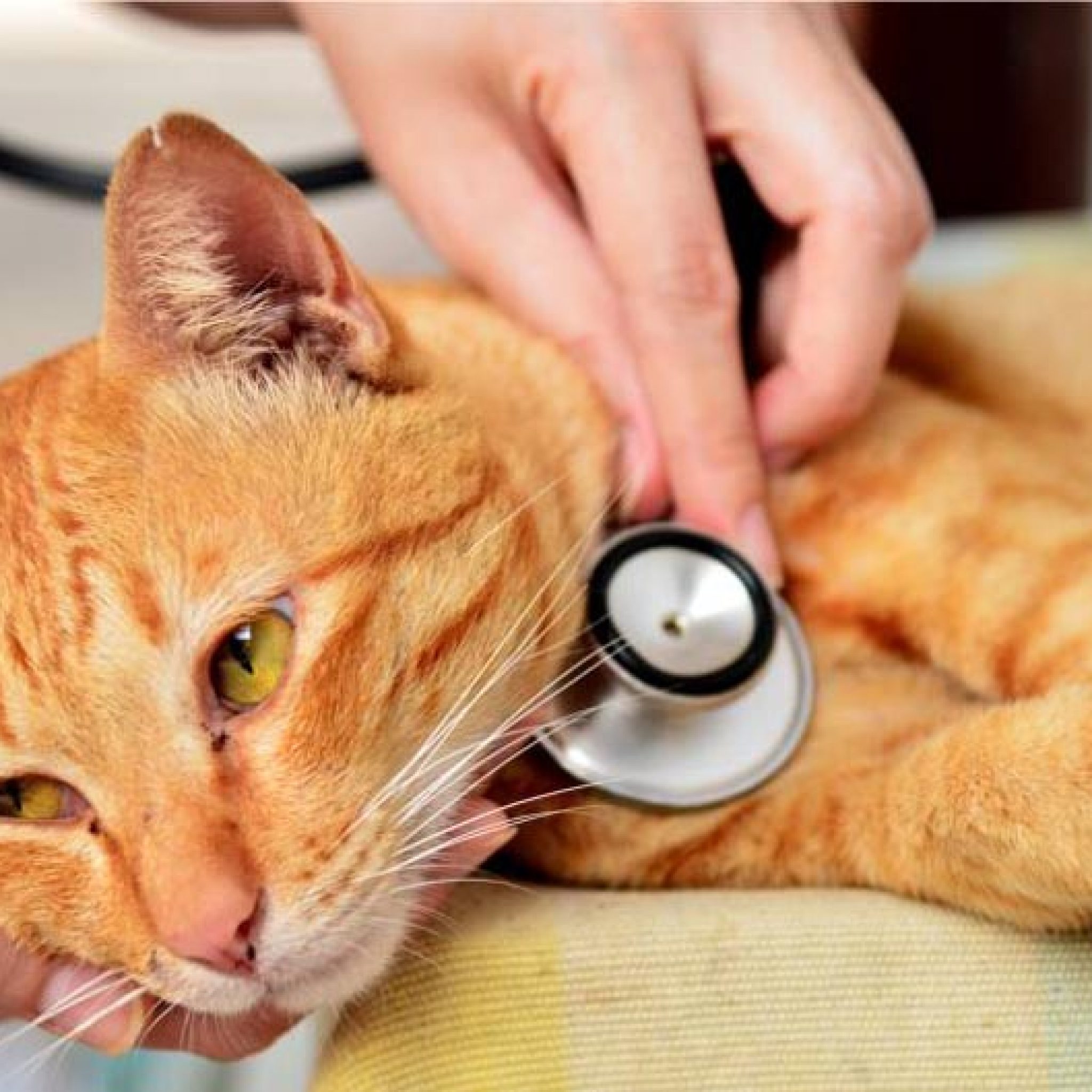
The cat's medical history and a physical examination by a veterinarian help determine the possible cause and type of respiratory disease. Chest and neck X-rays are helpful when obstructive upper respiratory tract disease or airway obstruction is suspected. Chest X-rays may also be used to identify lower respiratory problems in cats that are coughing, breathing rapidly, or having difficulty breathing. Blood gas analysis or pulse oximetry can measure the amount of oxygen in the blood.
When obstructive upper respiratory tract disease is suspected, the nose, throat, and airways are visualized. To diagnose some lung diseases, the trachea and air sacs are washed with a sterile fluid, and the contents of the fluid are examined. This procedure is called bronchoalveolar lavage. When bacterial pneumonia is suspected, the type of bacteria can be determined from the fluid obtained after washing.
In cats with fluid accumulation in the pleural space, a sample of the accumulated fluid is taken and evaluated under a microscope. Fluid accumulation in this area can be a sign of heart disease in cats.
General Treatment of Lung and Respiratory Tract Diseases
Respiratory disorders generally involve the production of excessive secretions that the affected cat cannot expel without assistance. One goal of treatment is to reduce the volume and density of secretions and facilitate their expulsion from the body. This is achieved by controlling the infection, thinning the secretion, improving drainage as much as possible, and removing the secreted contents.
Unless otherwise instructed by a veterinarian, cats with respiratory problems should drink plenty of water. Adding moisture to the inhaled air can facilitate the expulsion of excess secretions accumulated in the airways. Cough medications are generally used to thin secretions and make it easier for the animal to cough. In cases of severe airway obstruction, large amounts of secretions are removed from the body by a veterinarian using various methods. When coughing does not help to clear mucus, cough suppressants can be used. Increased airway resistance caused by the contraction of bronchial airway muscles is sometimes treated with bronchodilators, which widen the airways. This method is often preferred in cats with chronic respiratory diseases such as asthma. Antihistamines are used to alleviate constriction triggered by allergies. Narrowing of the bronchial tubes in the lungs can be significantly reduced by eliminating irritants and using certain sedatives. In cases of bacterial infection, antibiotic treatment is usually sufficient. When a cat has fluid buildup in its lungs, diuretic medications are used to help remove excess fluid from the body. When a respiratory illness results in a lack of oxygen in the blood, the cat is usually given oxygen support, but caution is necessary at this point. Because giving too much oxygen can cause the amount of oxygen in the cat's bloodstream to exceed the ideal level, leading to different problems. Lymphoma in Dogs Dogs with a mass in their leg Dogs lying lethargic Dogs receiving medication intravenously Lymphoma is a common disease in dogs, as it is in humans, and early diagnosis is crucial for its treatability. Understanding lymphoma is important to help maintain the dog's quality of life and make more informed decisions about its health.
When coughing doesn't help clear mucus, cough suppressants can be used. Increased airway resistance caused by the contraction of bronchial airway muscles is sometimes treated with bronchodilators, which widen the airways. This method is often preferred in cats with chronic respiratory diseases similar to asthma. Antihistamines are used to alleviate narrowing triggered by allergies. Narrowing of the bronchial tubes in the lungs can be significantly reduced by eliminating irritants and using certain sedatives.
In cases of bacterial infection, antibiotic treatment is usually sufficient. If the cat has fluid buildup in its lungs, diuretic medications are used to help remove excess fluid from the body. When a respiratory illness results in oxygen deficiency in the blood, the cat is usually given oxygen support, but caution is necessary. Giving too much oxygen can cause the amount of oxygen in the cat's bloodstream to exceed the ideal level, leading to various problems.
Advertisement
Advertisement
Keep exploring
Continue reading

Cat Health
Why Do Cats Get Thinner as They Age? Symptoms and Treatment
When stroking an aging cat's back, the spine or hip bones may feel more prominent than before, which is the first change most cat owners notice.
Read guide →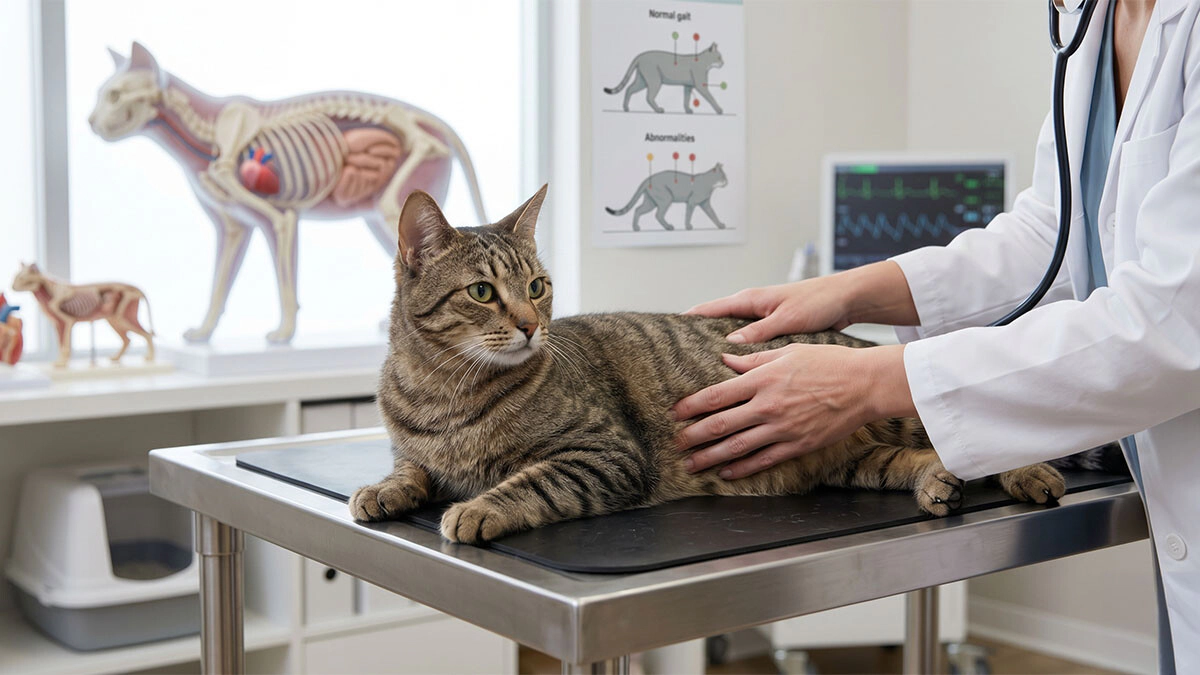
Cat Health
Cat Anatomy and Organs: Body Structure, Health Signs and Relationship with Diseases
A slight change in posture, a slight limp in gait, or a difference in litter box habits in cats can give clues about their body systems.
Read guide →
Cat Health
How to Acclimate Cats to Carrier Bags?
Does your cat hide, hiss, or resist with all its might the moment it sees the carrier? This reaction is described as carrier phobia in most homes…
Read guide →
Cat Health
What Should Be Considered After Vaccination in Cats?
Following your cat's vaccination schedule for health and a long life is one of the most critical decisions you will make as a pet owner.
Read guide →