Mastitis in Dogs
Mastitis can be defined as inflammation of the mammary gland. Mastitis is usually caused by a bacterial infection. After trauma to the nipple or mammary duct, bacteria enter the duct and reach the mammary gland, causing a bacterial infection. Trauma is not the only cause of mastitis.

Advertisement
Mastitis can be defined as inflammation of the mammary gland. Mastitis is usually caused by a bacterial infection. After trauma to the nipple or mammary duct, bacteria enter the duct and reach the mammary gland, causing a bacterial infection. Trauma is not the only cause of mastitis. In female dogs living in an unhealthy environment, infection can also occur as a result of excessive exposure to bacteria and other irritants. Mastitis in dogs very rarely occurs without infection. Trauma to the mammary gland or excessive milk accumulation in the mammary glands of the dog leads to inflammation within the mammary gland, causing mastitis.
Mastitis in dogs generally occurs after birth. Excess milk accumulates in the udder as a result of a puppy being unexpectedly weaned or dying. This can lead to mastitis over time.

What are the Symptoms of Mastitis in Dogs?
In cases where the disease is mild or has just begun, the first symptom is that the nursing puppy does not gain weight as quickly as expected. A detailed visual inspection may reveal that the affected nipple is swollen or infected. In the early stages, dogs usually do not show any symptoms of the disease. Usually, only a very mild feeling of discomfort occurs.
As mastitis progresses, the infected mammary gland begins to swell, redden, and become painful. In some cases, excessive ulceration in the mammary gland causes open sores. Milk from an inflamed teat is usually darker and thicker. In advanced stages of the disease, it may even be bloody. In the advanced stages of the disease, the dog may appear quite ill. The infected teat is dark purple or black. Excessive infection also restricts blood flow to the area, leading to the gradual death of the tissue. Symptoms of mastitis in dogs include fatigue, fever, loss of appetite, and vomiting. If the infection enters the bloodstream, blood poisoning occurs. How is Mastitis Diagnosed in Dogs? Mastitis can usually be diagnosed with just a physical examination. In some cases, laboratory tests may be used to rule out other possible diseases. For this, tests such as complete blood count, cytology, and bacterial culture should be performed. A complete blood count counts red and white blood cells as well as platelets in the dog's blood. Changes in white blood cells indicate infection. The level of white blood cells also helps determine the severity of the infection. In milk cytology, a milk sample is taken from the infected mammary gland and examined under a microscope. The presence of white blood cells or bacteria in the milk sample confirms the diagnosis of mastitis. Finally, in some cases, a bacterial culture may be necessary. A bacterial culture is usually performed if mastitis is infection-related but does not respond to antibiotic treatment. Bacteria found in the milk taken from the infected teat are isolated. An antibiotic sensitivity test is then performed. This allows for the use of the most effective antibiotics against the bacteria. How is Mastitis Treated? Mastitis in dogs is generally treated with oral antibiotics and painkillers. This allows a dog that has recently given birth to be at home with her puppies. Veterinarians recommend manual milking of the infected mammary gland. This relieves discomfort and also increases blood flow to the area, thus accelerating healing. The infected mammary gland should be milked every 6 hours. Applying a cabbage leaf compress to the infected teat reduces pain and inflammation. After securing it in place with a bandage, it should remain on the teat for 2-4 hours. Then, wait 3-4 hours before reapplying the cabbage leaf. In advanced cases of mastitis, the dog may need to stay in the hospital. Treatment is carried out with intravenous medications. In rare cases, surgical removal of the infected mammary gland may be necessary. To prevent the disease from reaching this stage, it is necessary to go to the veterinarian as soon as the symptoms appear and to follow the prescribed treatment completely. With the correct treatment plan and strict adherence to the treatment process, mastitis can be treated in approximately 2-3 weeks. In advanced cases of blood poisoning in dogs, recovery is achieved with aggressive treatments, but this process is usually longer.
In the advanced stages of the disease, the dog may appear quite ill. The infected nipple is dark purple or black. Excessive infection also restricts blood flow to the area, leading to the gradual death of the tissue. Symptoms of mastitis in dogs include fatigue, fever, loss of appetite, and vomiting. If the infection enters the bloodstream, blood poisoning occurs.
How is Mastitis Diagnosed in Dogs?
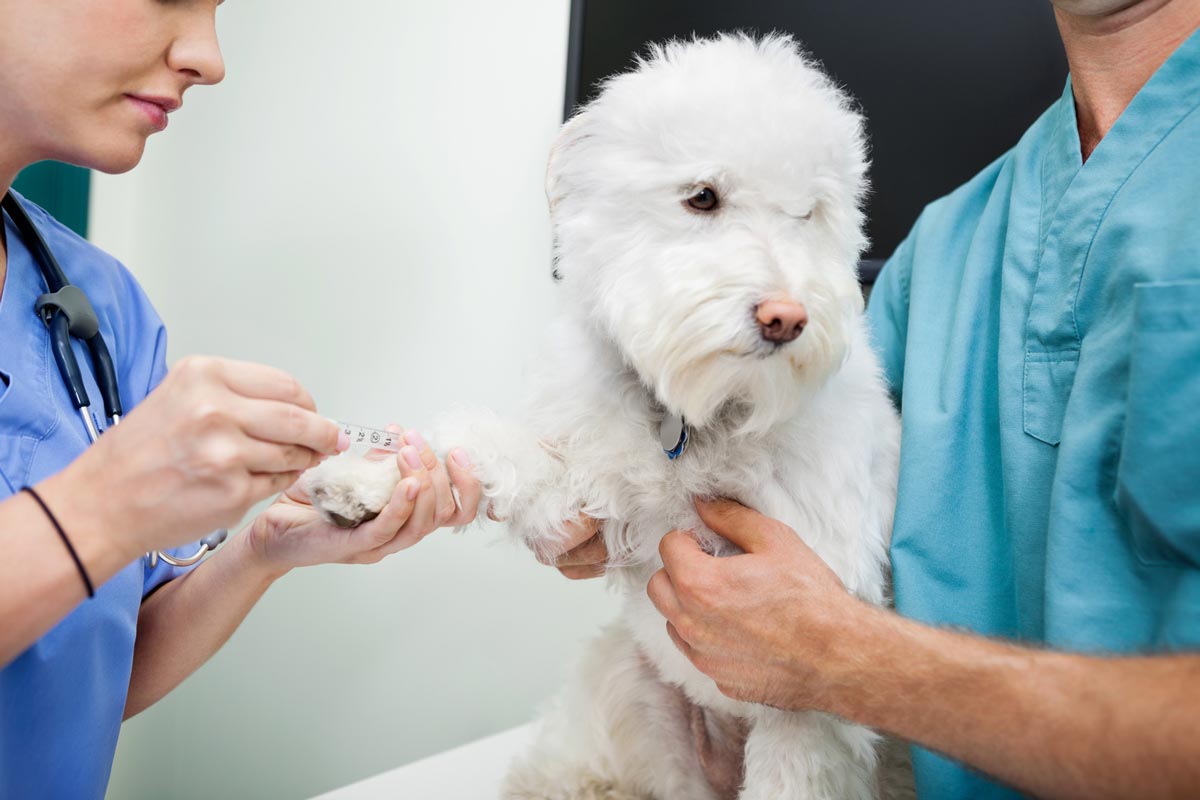
Mastitis is usually diagnosed through physical examination alone. In some cases, laboratory tests may be used to rule out other possible diseases. This requires tests such as complete blood count, cytology, and bacterial culture. A complete blood count counts red and white blood cells, as well as platelets, in a dog's blood. Changes in white blood cells indicate an infection. The level of white blood cells also helps determine the severity of the infection.
In milk cytology testing, a milk sample is taken from the infected mammary gland and examined under a microscope. The presence of white blood cells or bacteria in the milk sample confirms the diagnosis of mastitis. Finally, in some cases, a bacterial culture may be necessary. A bacterial culture is usually performed when mastitis is infection-related but does not respond to antibiotic treatment. Bacteria found in the milk taken from the infected teat are isolated. An antibiotic sensitivity test is then performed. This allows for the use of the most effective antibiotics against the bacteria.
How is
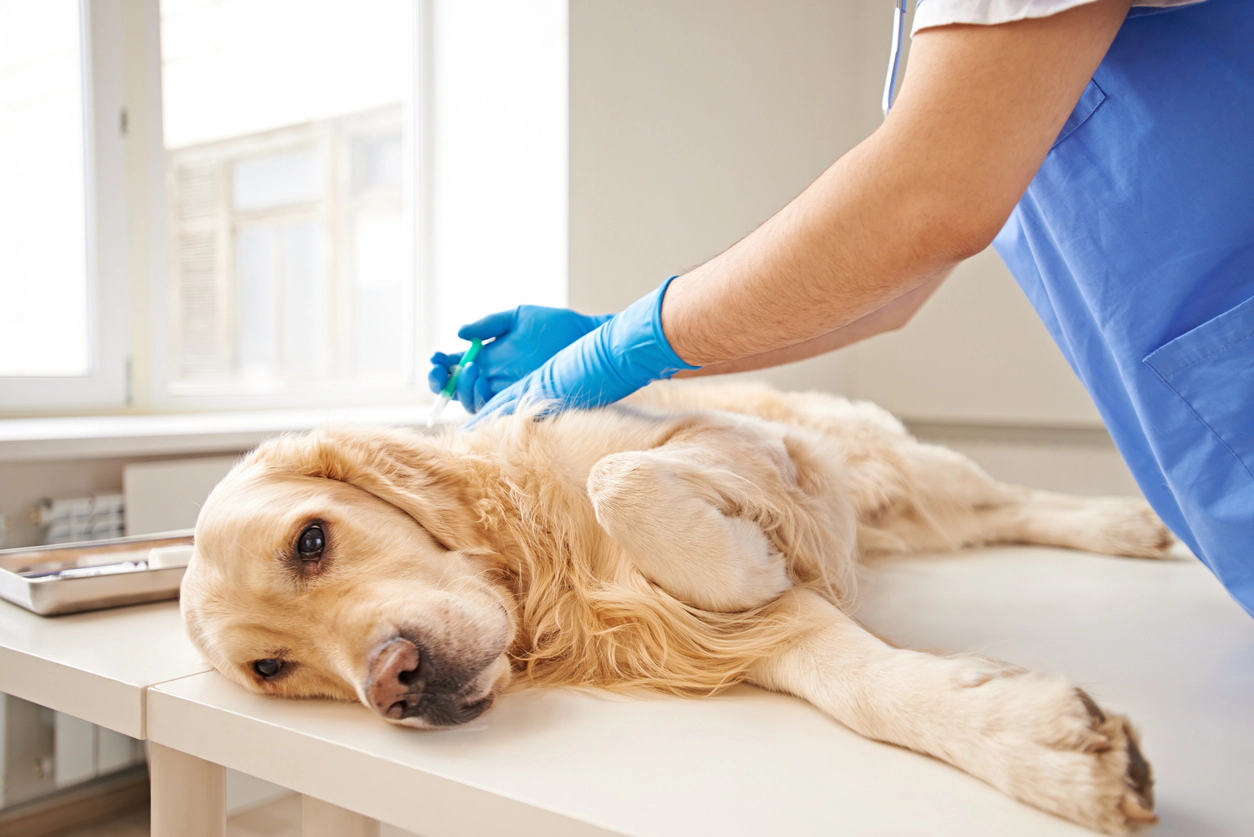
Mastitis Treated? Mastitis in dogs is generally treated with oral antibiotics and painkillers. This allows a dog that has recently given birth to be at home with her puppies. Veterinarians recommend manual milking of the infected mammary gland. This relieves discomfort and also increases blood flow to the area, thus speeding up healing. The infected mammary gland should be milked every 6 hours.
Applying a cabbage leaf compress to an infected nipple reduces pain and inflammation. After securing it in place with a bandage, leave it on the nipple for 2-4 hours. Then, wait 3-4 hours before reapplying the cabbage leaf. In advanced cases of mastitis, the dog may need to stay in the hospital. Treatment involves intravenous medication. In rare cases, surgical removal of the infected mammary gland may be necessary. To prevent the disease from reaching this stage, it is essential to see a veterinarian as soon as symptoms appear and follow all prescribed treatments completely. With proper treatment planning and strict adherence to the treatment process, mastitis can be treated in approximately 2-3 weeks. In advanced cases where blood poisoning occurs in the dog, aggressive treatments can lead to recovery, but this process usually takes longer.
Advertisement
Advertisement
Keep exploring
Continue reading

Dog Lifestyle & Guides
The Unseen Risks of Excess Weight in Small Breed Dogs
Small breed Weight gain in dogs sometimes progresses unnoticed. Extra food added to the food bowl, treats given during the day, food offered from the…
Read guide →
Dog Lifestyle & Guides
Dental Health and Its Importance in Dogs
Dental health in dogs is often Bad breath doesn't become a concern until it's noticed. However, the problem often begins before the odor: Plaque…
Read guide →
Dog Lifestyle & Guides
Hachiko: The True Story and Monument of the Dog Symbolizing Loyalty
The crowd gathered in front of the Hachiko statue in Shibuya shows that a wait that began years ago is not forgotten today.
Read guide →
Dog Lifestyle & Guides
Nasal Discharge in Dogs
If your dog has a runny nose, the first question that usually comes to mind is: Is this normal, or is there something I should be concerned about?
Read guide →