Methods of Protecting Dogs from Ticks
Summer months are a time when dogs spend more time outdoors, exercising and playing in parks, and running and rolling around in the dirt and greenery as their instincts tell them. However, there is also a significant increase in the number of dogs bitten by ticks during these months.

Advertisement
Summer months are a time when dogs spend more time outdoors, exercising and playing in parks, and running and rolling around in the dirt and greenery as their instincts tell them. However, there is also a significant increase in the number of dogs bitten by ticks during these months. This can be a major concern for pet owners. Moreover, ticks not only cause discomfort and irritation, but they can also transmit a number of diseases to dogs through their bites.
Of course, tick problems in dogs aren't only encountered during the warmer months. It's a constant and common danger among dogs. Therefore, it's extremely important for pet owners to know how to protect their dogs from ticks and what to do in case of a tick bite.
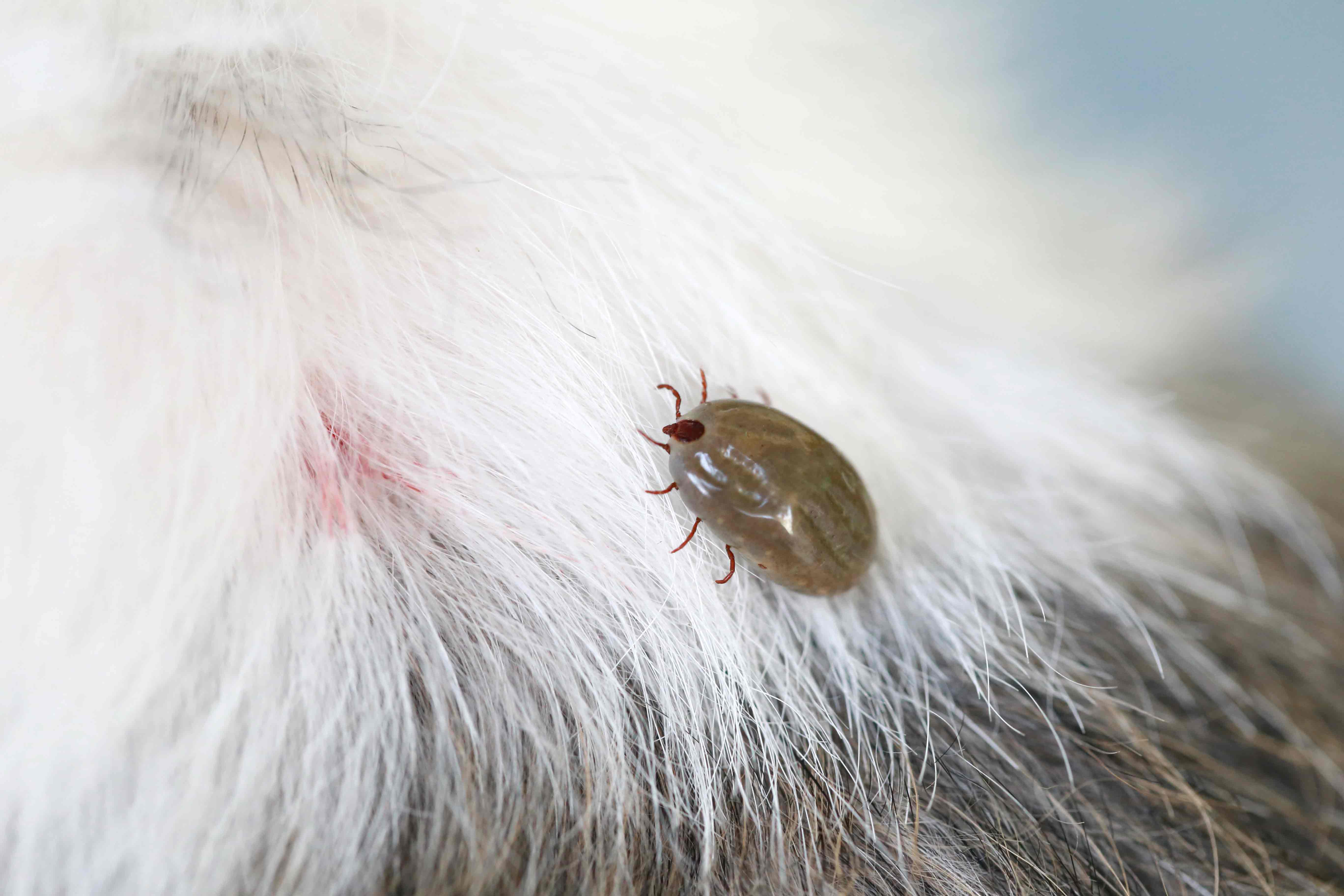
General Information About Ticks
Ticks are small, arachnid ectoparasites that feed on the blood of mammals, birds, and sometimes reptiles and amphibians. Found in many parts of the world, especially in woodlands, grasslands, and shrublands, ticks have four different developmental stages: egg, larva, semi-adult, and adult. Each stage needs to feed to grow and develop. The time between feedings varies depending on several factors, such as the tick species and environmental conditions.
Ticks are known vectors for various diseases such as Lyme disease, Rocky Mountain spotted fever, and tick-borne encephalitis. To transmit these diseases, ticks need to remain attached to their hosts for an extended period, typically at least several hours. Preventing tick bites is one of the most effective ways to reduce the risk of tick-borne diseases. If you find a tick attached to your dog, it is recommended that you consult your veterinarian immediately or, provided it is done correctly, carefully remove the tick using tweezers or a tick removal tool. You can review tick removal products designed for easier and safer tick removal by clicking here.
What are the Symptoms of Tick Infection in Dogs?
Symptoms of tick bites in dogs vary depending on the type of tick and whether it carries any diseases. In some cases, dogs may not show any symptoms immediately after being bitten by a tick. In fact, in some dogs, symptoms may not appear for days or weeks after the bite. Common tick bite symptoms include:
- Fever,
- Bitkinlik,
- Loss of appetite,
- Joint pain,
- Swollen lymph nodes,
- Skin irritation and redness,
- Severe biting or scratching at the tick bite site,
- Limping or difficulty walking,
- Difficulty breathing and coughing are among the symptoms.
If you notice any of these symptoms in your dog after a tick bite, it is very important to take them to a veterinarian as soon as possible. Immediate treatment of tick bites is necessary to prevent the development of more serious health problems. The veterinarian can perform diagnostic tests to check for tick-borne diseases and prescribe appropriate treatment such as antibiotics or anti-inflammatory drugs.
How Can You Protect Your Dog from Tick Bites?
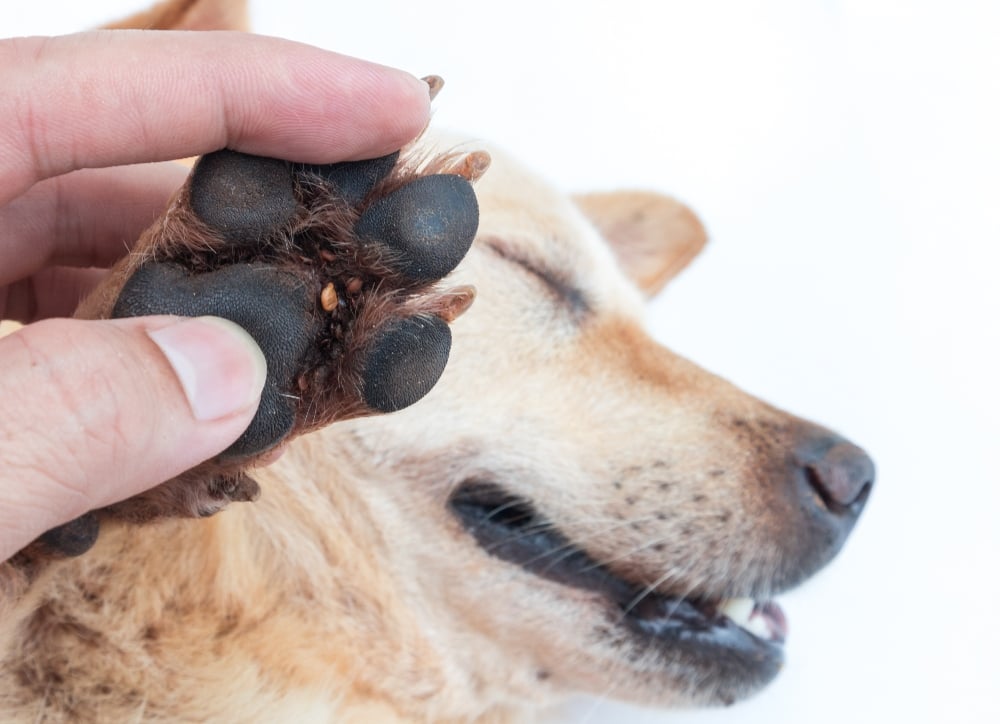
Ticks can transmit various diseases, posing a significant threat to your dog's health. Fortunately, there are several steps you can take to protect your dog from fleas and ticks. Regular tick checks are an important step in protecting your dog from ticks. It is recommended to regularly check your dog for ticks, especially after spending time outdoors. Particular attention should be paid to areas such as the ears, between the toes, and around the tail. If you find a tick, consult a veterinarian or, if you are knowledgeable about how to do so, carefully remove the tick immediately using fine-tipped tweezers. Creating a tick-free environment is also key to protecting your dog from ticks. If you live in a house with a garden, keep your dog away from tall grass, bushes, and leaf litter that can attract ticks. You can use landscaping materials such as gravel or sawdust to create a barrier between your garden and wooded areas. You can also prevent your dog from becoming infested with ticks by avoiding walking it in areas known to be prone to ticks, such as wooded areas and tall grass. Finally, ticks can come into your home on you and be transmitted to your dog. Therefore, it is advisable to check yourself after spending time outdoors, especially in areas where ticks may be present, such as parks or green spaces. What Products Can You Use for Tick Control?
Creating a tick-free environment is also key to protecting your dog from ticks. If you live in a house with a garden, keep your dog away from tall grass, bushes, and leaf litter that can attract ticks. You can use landscaping materials such as gravel or sawdust to create a barrier between your garden and wooded areas. You can also prevent your dog from getting ticks by avoiding walking it in areas known to be prone to ticks, such as wooded areas and tall grass.
Finally, ticks can come into the house on you and be transmitted to your dog. Therefore, it is advisable to check yourself after spending time outdoors, especially in areas where ticks may be present, such as parks or green spaces, when you return home.
What Products Can You Use for Tick Control?
There are various products you can use to control fleas and ticks in dogs. The most common methods are creams, oral medications, tick collars, and shampoos. However, it is important to remember that you should consult a veterinarian before using any products, whether prescription or over-the-counter, for tick control in dogs.
Creams containing ingredients that repel and kill ticks are generally applied to the skin between the shoulder blades. Topical treatments usually provide protection for a few weeks. Oral tablet medications are absorbed by the dog's body, enter the bloodstream, and thus poison and kill the tick. Oral tablets are the quickest method to take effect against ticks. However, these tablets are usually only effective for ticks that have already bitten and do not provide long-term protection.
Tick collars are collars containing insecticides that repel and kill ticks. Tick collars can provide protection for several months. Similar to topical creams, collars are available by prescription or over-the-counter. Tick shampoos contain insecticides that kill ticks on contact. Flea shampoos, which provide temporary protection, are usually used in conjunction with other tick control products. It is important to talk to your veterinarian about which tick control products are best for your dog, as some products may be more effective or suitable depending on your dog's age, weight, and overall health. It is also very important to carefully follow the instructions on the packaging when using tick control products to ensure safe and effective application. How to Protect Your Dogs from Ticks with Natural Methods? There are also various natural methods that can be used for tick control in dogs.
It is important to talk to your veterinarian about which tick control products are best for your dog, as some products may be more effective or suitable depending on your dog's age, weight, and overall health. It is also crucial to carefully follow the instructions on the packaging when using tick control products to ensure safe and effective application.
How to Protect Your Dogs from Ticks with Natural Methods?
There are also various natural methods that can be used for tick control in dogs.
- Essential oils like lavender, peppermint, and lemon are known for their tick-repellent properties. You can dilute a few drops of oil with water and spray the solution onto your dog's fur before going outside. This will help repel ticks and protect your dog.
- Another natural solution for tick prevention is apple cider vinegar. You can mix equal parts apple cider vinegar and water in a spray bottle and apply it to your dog's fur. The strong smell of apple cider vinegar can help repel ticks and prevent them from biting your dog.
- Neem oil is another natural substance that can be used to repel ticks. This oil is a natural insecticide that is safe for dogs. You can dilute a few drops of neem oil with water and apply the solution to your dog's fur before going outside. This way, you can protect your dog from the risk of tick bites outdoors.
- Diatomaceous earth is among the natural options that can be effective for tick control in your dog. Diatomaceous earth is a natural substance made from fossilized moss remains. You can sprinkle diatomaceous earth around your garden to create a tick-repellent boundary. In this way, you can protect your dog from ticks in your garden in a safe and natural way.
- Finally, geranium oil is known to repel ticks and is safe for dogs. You can dilute geranium oil with a few drops of water and spray the solution on your dog's fur before going outside. Thanks to the tick-repellent effect of geranium oil, you can walk your dog safely.
What Should You Pay Attention to When Protecting Your Dogs from Ticks?
When protecting your dog from fleas and ticks, it's crucial to first know where ticks are commonly found. Ticks live in wooded areas, tall grass, and among fallen leaves. If possible, avoid taking your dog to such places, or if you do, use tick prevention methods. This significantly reduces your dog's risk of exposure to ticks.
Regular tick checks are also very important. Check your dog for ticks after spending time outdoors. Ticks can bite anywhere on your dog's body. Therefore, be sure to check between your dog's toes, its ears, and under its tail. The sooner a tick is removed, the less likely it is to transmit disease.
Using tick control products is another important step in protecting your dog from ticks. A variety of tick control products are available for dogs, including topical treatments, oral medications, tick collars, and sprays. You can consult your veterinarian to determine which product is best for your dog. These products can help repel ticks and reduce your dog's risk of developing tick-borne diseases.

How Often Should You Visit Your Vet for Tick Control?
The frequency of vet visits for tick control in dogs can vary depending on several factors. Your veterinarian's opinion is extremely important in this. If you are using a monthly tick prevention product recommended by your veterinarian, routine checks may only need to be done once a year or every six months. However, if your dog lives or moves in an area with a high incidence of ticks or tick-borne diseases, has a history of tick-borne diseases, or is exposed to any other risk factors, your veterinarian may recommend more frequent visits for tick control.
It is also important to schedule a visit to a veterinarian if you notice any signs of illness in your dog after a tick bite, such as fever, loss of appetite, or lethargy. Ultimately, it is best to discuss the optimal frequency of veterinary visits with your veterinarian for tick control, depending on your dog's individual needs and risk factors.
What are the Effects of Ticks on Dog Health?
Ticks can have a significant impact on a dog's health. Various diseases, including Lyme disease, Rocky Mountain spotted fever, and ehrlichiosis, can be transmitted through tick bites. These diseases can cause a range of symptoms such as fever, joint pain, lethargy, and loss of appetite. In severe cases, tick-borne diseases can lead to organ damage, neurological problems, and even death. Ticks can be especially dangerous for dogs with weakened immune systems or various health problems. These dogs may be more susceptible to tick-borne diseases and may have difficulty fighting off infection. It is important to remember that not all ticks carry disease and not all tick bites result in illness. However, taking preventative measures to reduce your dog's risk of tick bites and tick-borne diseases is still necessary. If you suspect your dog has been bitten by a tick or is showing signs of illness, it is important to consult your veterinarian for evaluation and treatment. Other Precautions and Conclusions for Tick Protection
It is important to remember that not all ticks carry diseases and not all tick bites result in illness. However, taking preventative measures is still necessary to reduce your dog's risk of tick bites and tick-borne diseases. If you suspect your dog has been bitten by a tick or is showing signs of illness, it is important to consult your veterinarian for evaluation and treatment.

Other Measures and Conclusions for Protection Against Ticks
Ticks can pose a significant threat to a dog's health, but there are steps that can be taken to protect pets. Preventive measures include using tick repellent products, regularly checking your dog for ticks, and avoiding areas infested with ticks. Natural remedies such as essential oils and homemade tick sprays can also be effective in repelling ticks. In addition, maintaining your dog's overall health through a balanced diet, regular exercise, and veterinary visits can help strengthen the immune system and reduce the risk of tick-borne diseases. If you own a dog, knowing the answer to the question "How to remove ticks from a dog?" is extremely important.
Advertisement
Advertisement
Keep exploring
Continue reading

Dog Lifestyle & Guides
The Unseen Risks of Excess Weight in Small Breed Dogs
Small breed Weight gain in dogs sometimes progresses unnoticed. Extra food added to the food bowl, treats given during the day, food offered from the…
Read guide →
Dog Lifestyle & Guides
Dental Health and Its Importance in Dogs
Dental health in dogs is often Bad breath doesn't become a concern until it's noticed. However, the problem often begins before the odor: Plaque…
Read guide →
Dog Lifestyle & Guides
Hachiko: The True Story and Monument of the Dog Symbolizing Loyalty
The crowd gathered in front of the Hachiko statue in Shibuya shows that a wait that began years ago is not forgotten today.
Read guide →
Dog Lifestyle & Guides
Nasal Discharge in Dogs
If your dog has a runny nose, the first question that usually comes to mind is: Is this normal, or is there something I should be concerned about?
Read guide →