Methods to Prevent Tartar and Plaque Formation in Dogs
Complete oral and dental care for dogs prevents them from experiencing dental problems and is a key factor in protecting their overall health. In this context, creating a proper feeding plan is extremely important.

Advertisement
Complete oral and dental care for dogs prevents them from experiencing dental problems and is a key factor in protecting their overall health. In this context, creating a proper feeding plan is extremely important. From wet food to dry food selection, from treats to toy choices, the right products for the oral and dental health of dogs should be prioritized in many decisions. Of course, brushing your dog's teeth with a dog toothbrush and toothpaste specifically formulated for dogs should not be neglected. Plaque and tartar buildup, which can initially cause bad breath in dogs, can lead to gum inflammation and tooth loss over time. Therefore, regular brushing of your dog's teeth is essential to physically clean food particles that accumulate between the teeth and gums. In this way, effective steps can be taken to prevent plaque and tartar buildup on your dog's teeth. In this article we have prepared about tartar and plaque formation in dogs, you can find special information for those who want to support their dog's dental health. What are Tartar and Plaque, and How Do They Form? We are familiar with general advice on preventing plaque and tartar formation on dogs' teeth. But what are these plaques and tartars? How do they affect gum and dental health in dogs? Plaque can be briefly defined as a sticky substance that forms on a dog's teeth after eating, covering the surface of the teeth. This sticky substance, which contains bacteria, saliva, and food particles, hardens when it reacts with saliva. Plaque that is not cleaned within 24 hours combines with the salt in saliva, hardens, and accumulates on the dog's teeth. As this accumulation continues, the plaque mineralizes, leading to problems characterized by tartar formation. In short, if the necessary precautions are not taken for dogs with plaque on their teeth, tartar formation becomes inevitable. The rough texture of tartar provides an ideal environment for bacteria to both hide and multiply. Bacteria multiplying in tartar can cause gingivitis, an inflammation of the gums. Gingivitis in dogs manifests itself with various symptoms: bleeding gums, swelling, and pain are common symptoms. In dogs, gingivitis, which can occur as a reflection of tartar buildup, can progress to periodontal disease if left untreated. This condition, also known as periodontal disease, can lead to gum recession and tooth loss if it persists.

What are Tartar and Plaque, and How Do They Form?
We are familiar with general advice on preventing plaque and tartar formation on dogs' teeth. But what exactly are plaque and tartar? How do they affect gum and dental health in dogs?
Plaque can be briefly defined as a sticky substance that forms on a dog's teeth after eating, covering the surface of the teeth. This sticky substance, containing bacteria, saliva, and food particles, hardens when it reacts with saliva. Plaque that is not cleaned within 24 hours combines with the salt in saliva, hardening and accumulating on the dog's teeth. As this accumulation continues, the plaque mineralizes, leading to problems characterized by tartar formation.
In short, if the necessary precautions are not taken for dogs with plaque on their teeth, tartar formation becomes inevitable. The rough texture of tartar provides an ideal environment for bacteria to both hide and multiply. Bacteria multiplying in tartar can cause gingivitis, an inflammation of the gums. Gingivitis in dogs manifests itself with various symptoms: bleeding gums, swelling, and pain are common symptoms. In dogs, gingivitis, which can occur as a result of tartar buildup, can progress to periodontal disease if left untreated. This condition, also known as periodontal disease, can lead to gum recession and tooth loss if it persists.
Plaque and/or tartar buildup on dogs' teeth doesn't just affect oral and dental health. Over time, bacteria can enter the bloodstream and damage various organs, including the kidneys and heart. Knowing the signs of tartar and plaque buildup in dogs means protecting their dental health and, more accurately, their overall health. Symptoms indicating the presence of plaque and tartar in dogs include decreased appetite, gingivitis, bleeding gums, restlessness, bad breath, pain while chewing, weight loss, redness of the gums, and swollen gums.
How to Prevent Tartar and Plaque Formation in Dogs?
It is possible to minimize and even prevent tartar and plaque formation, which threaten the dental and general health of dogs if left unchecked and without the necessary treatment methods. Here are those methods…
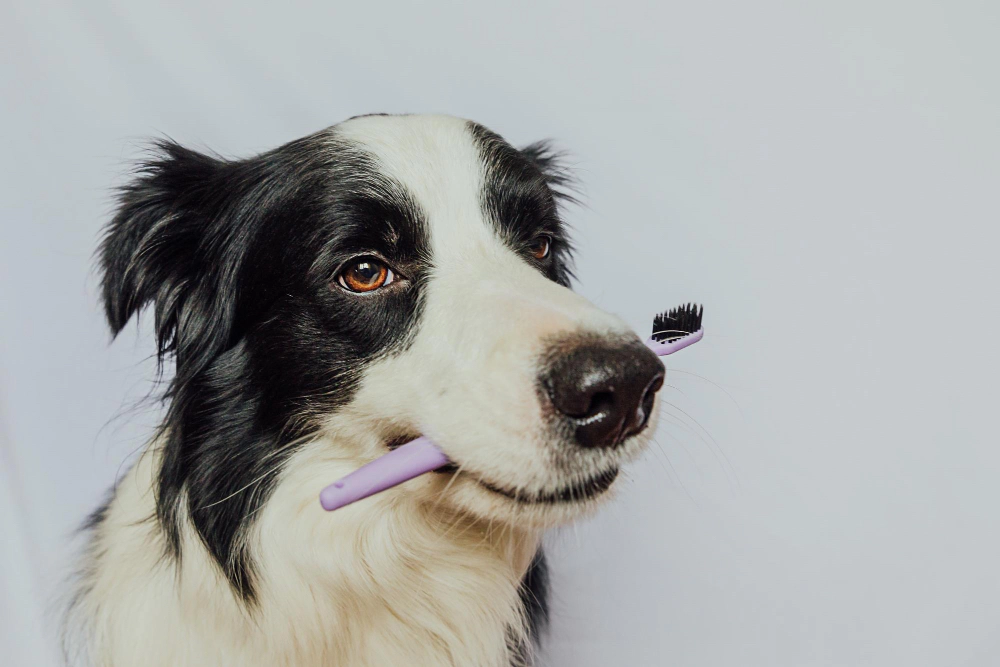
Teeth Should Be Brushed Regularly
To remove plaque that forms on dogs' teeth hours after eating, physical cleaning of the teeth is necessary. Early removal of plaque also prevents tartar formation. It is recommended that this care routine, which will be carried out using toothpaste and toothbrushes specifically made for dogs, be repeated at least 2-3 times a week. Depending on the size of the dog's mouth and jaw, it is also possible to use soft-bristled toothbrushes specifically for humans during brushing. In addition, oral and dental care sprays and/or solutions are also important benefits at this point. Brushing dogs' teeth is not always easy; dogs whose teeth are brushed are usually accustomed to the dental care process at an early stage. Dogs adopted late or those whose teeth are brushed later in life may have difficulty adapting to the process, so different methods may need to be tried.

Dental Health Supporting Treats Should Be Preferred
Some treats are developed to support the dental and gum health of dogs. These treats, which help remove plaque during consumption, can also contribute to reducing bad breath. Among the dog treats formulated to eliminate plaque formation and specially shaped, are products from Pro Plan. Pro Plan dog treats, with their honeycomb texture and ribbed design, massage the gums and help prevent tartar and plaque formation in dogs. They are offered in options specifically designed for both small and medium breeds. Pro Plan Dental Care Small Breed Dog Treat 345 gr (21 pack) helps freshen breath in dogs and stands out with its nutritional value. Enriched with cloves, this treat can effectively clean even hard-to-reach areas in the mouth. Being low in fat and sugar, it contributes to maintaining weight balance. Pro Plan Dental Care Medium Breed Dog Treat 345 gr (15 pack) is designed to prevent tartar and plaque formation in medium-sized dogs. This treat, which does not contain artificial sweeteners or colorings, is also rich in minerals and vitamins.
Pro Plan Dental Care Small Breed Dog Treat 345g (21 pieces) helps freshen breath and is highly nutritious. Enriched with cloves, this treat effectively cleans even hard-to-reach areas in the mouth. Its low fat and sugar-free nature contributes to maintaining a healthy weight.
Pro Plan Dental Care Medium Breed Dog Treat 345g (15 pieces) is designed to prevent tartar and plaque buildup in medium-sized dogs. Free from artificial sweeteners and colorings, this treat is also rich in minerals and vitamins.
You can click here to learn more about and order Pro Plan brand dog treats to reduce the likelihood of your furry friends experiencing dental and gum health problems.
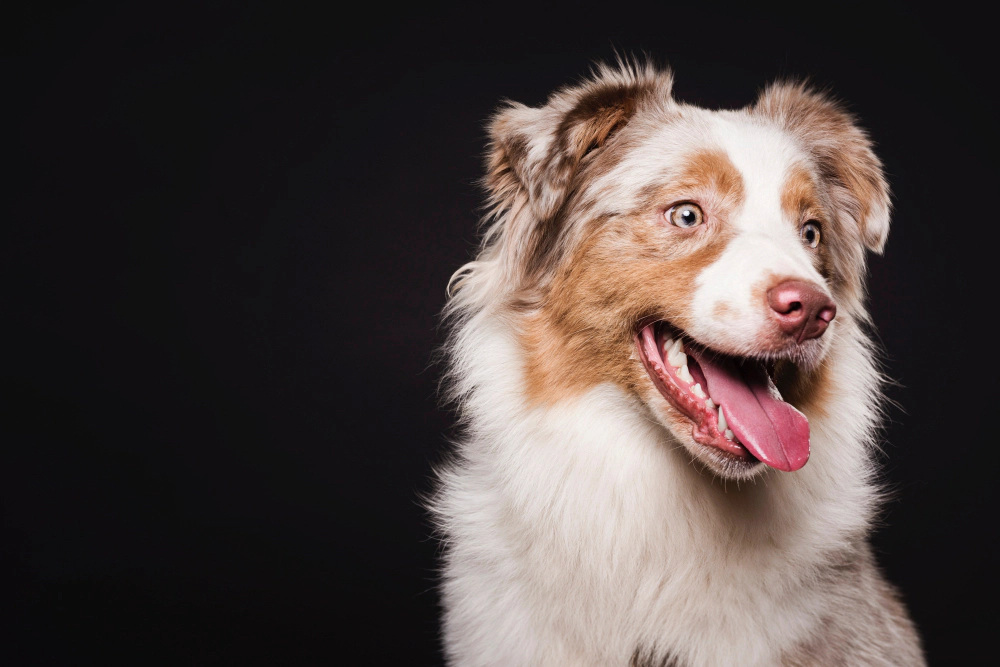
Don't Forget Toys That Support Dental Health
There are toys specifically designed to support dogs' dental health. Chewing on these toys helps clean the surfaces of dogs' teeth. Teeth enter the holes on the surface of the toys that support dogs' dental health, thus being mechanically cleaned. These special toys, which provide dogs with both a healthy and enjoyable experience, are made from raw materials such as rubber or latex, which are not harmful to dog health.

Veterinary Support Can Be Obtained
While regular brushing, special treats, and toys are important for preventing tartar and plaque buildup in dogs, professional support from veterinarians may be necessary from time to time. Especially when you notice important symptoms such as changes in your dog's teeth, bad breath, gum inflammation, or chronic loss of appetite, it is best to consult a veterinarian for early treatment. Experts can help with regular dental cleaning and, if there are any gum and dental diseases, can provide the necessary treatment before they progress.
Advertisement
Advertisement
Keep exploring
Continue reading

Dog Lifestyle & Guides
The Unseen Risks of Excess Weight in Small Breed Dogs
Small breed Weight gain in dogs sometimes progresses unnoticed. Extra food added to the food bowl, treats given during the day, food offered from the…
Read guide →
Dog Lifestyle & Guides
Dental Health and Its Importance in Dogs
Dental health in dogs is often Bad breath doesn't become a concern until it's noticed. However, the problem often begins before the odor: Plaque…
Read guide →
Dog Lifestyle & Guides
Hachiko: The True Story and Monument of the Dog Symbolizing Loyalty
The crowd gathered in front of the Hachiko statue in Shibuya shows that a wait that began years ago is not forgotten today.
Read guide →
Dog Lifestyle & Guides
Nasal Discharge in Dogs
If your dog has a runny nose, the first question that usually comes to mind is: Is this normal, or is there something I should be concerned about?
Read guide →