Most Common Eye Diseases in Cats, Causes, Symptoms and Treatment Methods
Slight changes in cats' eyes, such as mild redness, discharge, or narrowing, can be the first signs of problems that can be easily controlled if noticed in time.
Advertisement
Slight changes in cats' eyes, such as mild redness, discharge, or narrowing, can be the first signs of problems that can be easily controlled if noticed in time.
Cats' eyes are delicate structures that are critically important for vision and daily quality of life. Infections, injuries, allergens, or underlying diseases can cause eye pain, vision loss, and behavioral changes. Early detection of symptoms, along with timely examination and treatment, can help protect your cat's eye health in most cases. In this article, you can find important information about eye health in cats and discover details about feline eye diseases. Warning: If you notice redness, discharge, pain, or changes in vision in your cat's eyes, you should consult a veterinarian as soon as possible. The information in this article does not replace a veterinary examination and a treatment plan tailored to your cat. Why is Eye Health Important in Cats?
In this article, you can find important information about eye health in cats and discover details about feline eye diseases.
Warning: If you notice redness, discharge, pain, or changes in vision in your cat's eyes, you should consult a veterinarian as soon as possible. The information in this content does not replace a veterinary examination and a treatment plan specifically prepared for your cat.
Why is Eye Health Important in Cats?
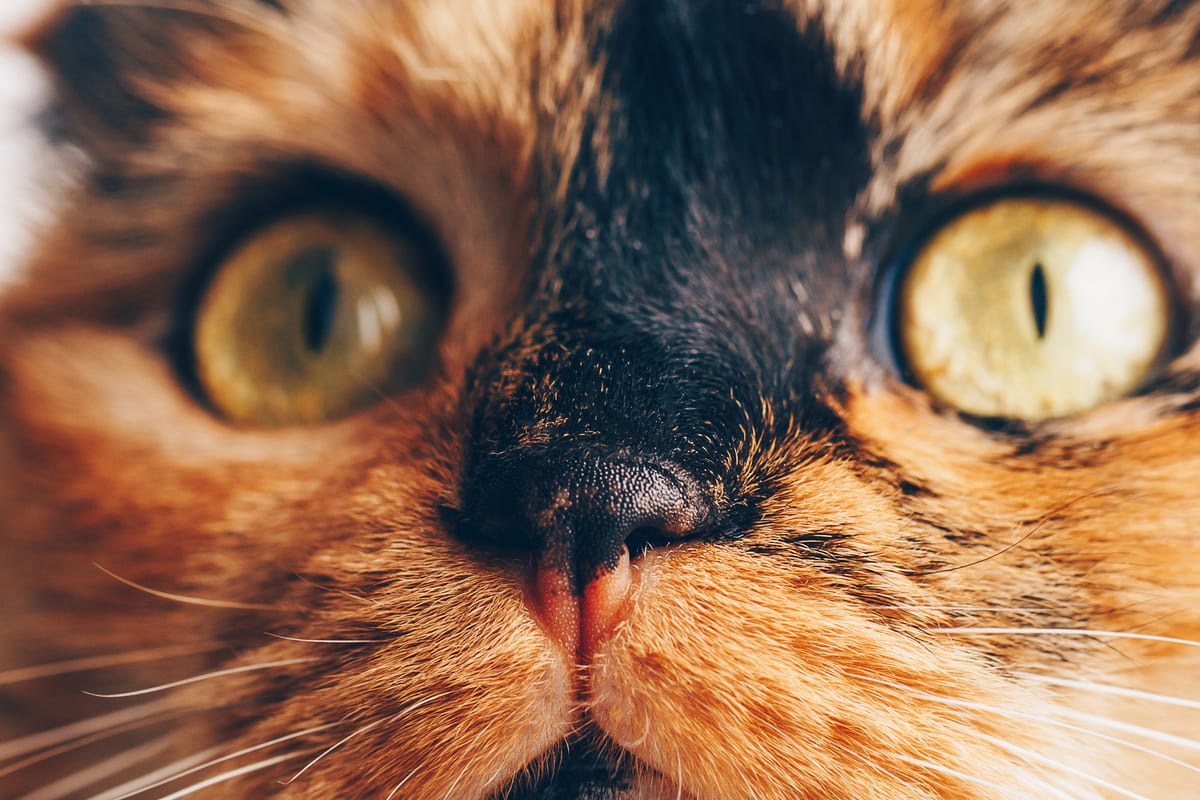
The MSD Veterinary Manual emphasizes that the eye is a complex organ that adjusts the amount of light according to the environment, focuses the image, and constantly sends visual information to the brain.
Cats actively use their eyes to explore their surroundings, fulfill their hunting instincts, play, and move safely within the home. Therefore, any damage to the eyes directly affects how a cat perceives the world.
Many cat owners may not realize the importance of eye health until noticeable complaints arise, and early signs of eye disease in cats may be overlooked.
However, as highlighted in Cats Protection, even small changes such as watery eyes, redness, swelling, changes in eye color, or the appearance of a third eyelid can be indicators of an underlying eye disease.
Symptoms of Eye Diseases in Cats
Eye problems in cats often begin with small, visible clues. Therefore, it is important to know the answers to the question "How to recognize eye diseases in cats?". Discharge from the eyes, discoloration, or the cat not allowing its eyes to be touched can silently signal what is happening in the body.
Symptoms of eye diseases in cats can be listed as follows:
- Watery and discharge from the eyes
- Discharge or crusting around the eyes
- Redness or prominent veins in the eyes
- Swelling or tenderness in the eyelids
- The eye appears dull, lackluster, or cloudy
- Constant blinking, keeping the eyes closed, or rubbing with paws
- Prominent emergence of the third eyelid
- Notice of a lump or swelling in or around the eye
- The eye appearing larger or more prominent than normal
- The pupils being different in size or shape
- Vision problems such as bumping into objects or difficulty with distance adjustment
The listed symptoms alone may not indicate a specific disease. However, complaints that start suddenly or worsen rapidly may be indicative of conditions requiring urgent evaluation.
Most Common Eye Diseases and Causes in Cats

Eye diseases in cats can affect a wide area, from the eyelid margin to the cornea, lens, and intraocular structures.
Conjunctivitis (Pink Eye)
It is the inflammation of the conjunctiva tissue, which covers the white part of the eye and the inner surface of the eyelids. When conjunctivitis occurs in cats, the pink tissue around the eye becomes red, sensitive, and watery eyes or discharge may be observed.
As stated in the PetMD source, conjunctivitis is often not a disease in itself, but a symptom of other underlying problems. Upper respiratory tract infections, viral or bacterial agents, allergic reactions, and irritations around the eyes can trigger this inflammation.
In the treatment of conjunctivitis in cats, the veterinarian may prescribe antibiotic or antiviral eye drops, anti-inflammatory drops if necessary, and artificial tear preparations that support the eye surface, depending on the type of causative agent.
Blepharitis
Blepharitis is a condition characterized by inflammation of the eyelids and eyelid margins. Redness, swelling, itching, crusting, and discharge may be observed around the eyes; the cat may frequently rub its eyes.
According to WebMD, eye discharge and accumulated secretions around the eyes in cats can be associated with various infections and inflammatory eye diseases. Such inflammations can develop due to infections, allergens, irritants, or other problems around the eyes and, if left untreated, can increase the risk of further damage to the eye surface.
The goal in treating blepharitis is to find the cause of the eyelid inflammation and plan treatment accordingly. The veterinarian usually first gently cleans the eyelid margin. Then, if there is a bacterial, parasitic, or allergic cause, the appropriate eye drops or medications may be applied. Cataract Cataract is a disease that occurs when the lens inside the eye loses its transparency and becomes cloudy and opaque. In this case, the pupil area may take on a smoky, gray, or near-white appearance, and your cat's vision may gradually decrease. In cats, cataracts can manifest themselves, especially in the later stages, with behavioral changes such as difficulty perceiving objects, hesitant walking, or difficulty adapting to the environment. While it can be seen as part of the aging process in some cats, it can also develop in connection with trauma, intraocular inflammation, hereditary predisposition, or other eye diseases. The definitive treatment for cataracts is the surgical removal of the lens and, if possible, the implantation of an artificial lens. After assessing the degree of vision loss, intraocular pressure, and the condition of the retina, a veterinarian may recommend cataract surgery in appropriate cases. For some small or non-progressive cataracts, only regular monitoring is preferred. Glaucoma Glaucoma, medically known as glaucoma, is a disease caused by increased intraocular fluid pressure. When the pressure rises, intraocular structures can be damaged, and vision loss may develop over time. In cats, glaucoma sometimes progresses slowly, while in others it can lead to serious vision loss in a short time. In this disease, the eye may appear larger, harder, or more prominent than normal. Your cat may not want to look at the light, may squint, or may have difficulty perceiving objects. Glaucoma can develop as a result of other eye diseases, intraocular inflammation, trauma, or other problems that damage the eye structure. Early detection is of great importance in reducing the risk of permanent damage.
Katarakt
Cataract is a disease that occurs when the lens inside the eye loses its transparency and becomes cloudy and opaque. In this case, the pupil area may take on a smoky, gray, or near-white appearance, and your cat's vision may gradually decrease. In cats, cataracts, especially in advanced stages, can manifest themselves with behavioral changes such as difficulty perceiving objects, hesitant walking, or difficulty adapting to the environment.
While it can be seen as part of the aging process in some cats, it can also develop in connection with trauma, intraocular inflammation, genetic predisposition, or other eye diseases.
The definitive treatment for cataracts is the surgical removal of the lens and, if possible, the implantation of an artificial lens. After assessing the degree of vision loss, intraocular pressure, and the condition of the retina, a veterinarian may recommend cataract surgery in appropriate cases. For some small or non-progressive cataracts, regular monitoring is preferred.
Glokom
When pressure rises, intraocular structures can be damaged, and vision loss may develop over time. In cats, glaucoma sometimes progresses slowly, while in others it can lead to significant vision loss in a short time.
In this disease, the eye may appear larger, harder, or more prominent than normal. Your cat may avoid looking at lights, squint, or have difficulty perceiving objects. Glaucoma can develop as a result of other eye diseases, intraocular inflammation, trauma, or other problems that damage the eye structure. Early detection is crucial to reduce the risk of permanent damage.
The goal of treatment is to control pain by lowering intraocular pressure. The veterinarian may use pressure-lowering eye drops, systemic medications if necessary, and anti-inflammatory treatments if there is intraocular inflammation. Since the disease is chronic, regular use of drops and monitoring of pressure measurements are very important.
Keratitis
This is inflammation of the cornea, the outermost layer of the eye. In this case, the cornea does not appear transparent as it normally does; it may become opaque or cloudy. When keratitis develops in cats, redness, watering, aversion to light, and a noticeable feeling of discomfort may be observed in the eye.
Damage and ulcers on the corneal surface can lead to pain, cloudiness, and tenderness in the eye, and this condition can progress rapidly. Any cloudiness and suspicious spots noticed on the corneal surface should be evaluated promptly to prevent permanent damage.
Treatment for keratitis in cats is also planned according to the cause. For example, if it is determined to have occurred due to a weakened immune system, the use of anti-inflammatory drops may be recommended, while in infectious cases, antibiotic or antiviral drops may be preferred.
Corneal Ulcer
It is an open wound-like lesion that occurs in the cornea, the outermost layer of the eye. When corneal ulcers develop in cats, significant pain, tearing, redness, frequent blinking, and a cloudy appearance may occur.
The International Cat Care source states that corneal ulcers mostly develop due to trauma, foreign objects in the eye, eyelid problems, or some infections. These lesions can deepen rapidly, and delaying treatment increases the risk of permanent corneal damage or vision loss, therefore prompt examination is crucial.
For simple and superficial ulcers, antibiotic eye drops, pain control, and a protective collar are often sufficient to prevent infection. However, for deep, dissolving, or non-healing ulcers, surgical methods such as corneal or conjunctival grafting may be considered to support the cornea.
Uveitis
Uveitis occurs when the iris, the colored part of the eye, and the vascular layers surrounding it become inflamed. Severe eye pain, redness, tearing, discomfort when looking at light, and pupil constriction may occur. When uveitis develops in cats, the eye may appear cloudy, dull, or a different color than normal.
Uveitis; It can develop due to infections, trauma, tumors, or diseases related to the immune system. It may require urgent evaluation as it can be a sign of a larger disease both in the eye and in the body.
The goal of uveitis treatment in cats is to quickly reduce intraocular inflammation and pain and protect the delicate tissues. The veterinarian uses anti-inflammatory and pupil-dilating drops, and if necessary, analgesics and immunomodulatory drugs. Underlying infections or systemic diseases are investigated and additional treatment is planned accordingly. Tear Duct Obstruction Tear Duct Obstruction is characterized by the narrowing or complete closure of the duct that allows tears to flow into the nasal cavity. When the duct is blocked, tears leak out, and the area around the eye may appear constantly wet, dirty, or brownish-stained. Your cat may experience increased discharge, more frequent soiling of the eye area, and discomfort.
Tear Duct Obstruction
It is characterized by the narrowing or complete closure of the duct that allows tears to flow towards the nasal cavity. When the duct is blocked, tears leak out, and the area around the eye may appear constantly wet, dirty, or brownish-stained. Your cat may experience increased discharge, more frequent soiling of the eye area, and discomfort.
According to the Cornell Feline Health Center source, duct blockages that disrupt tear flow can occur due to infections, chronic inflammation, trauma, or structural changes around the eye.
In cats with tear duct blockages, the veterinarian usually tries to open the duct by flushing it with saline solution under sedation and plans medication and additional tests if there is chronic inflammation, a foreign body, or a structural problem. In cases where the duct is permanently damaged and frequently infected, surgical interventions that provide an alternative flow route for tears may be considered.
Dry Eye Disease
This is a condition that occurs when the amount of tears that protect the eye surface decreases. When the eye is not sufficiently moist, redness, a dull appearance, frequent blinking, and discomfort may develop. Your cat may squint, have difficulty looking at light, and develop signs of irritation due to dryness on the eye surface. Tear deficiency can lead to insufficient hydration of the cornea and conjunctiva, causing inflammation, thick discharge, and surface irritation. If this continues for a long time, corneal integrity may be compromised, and irritation may progress to a more advanced stage. Treatment for dry eye disease aims to both stimulate tear production and supplement the deficient tear film with artificial tears and anti-inflammatory drops. Since it is often chronic, regular use of drops, sometimes for life, and consistent check-ups are important for maintaining vision quality. In advanced cases that cannot be controlled with medication, surgical methods that redirect tears to the mouth area may be considered.
Tear deficiency can lead to insufficient hydration of the cornea and conjunctiva, causing inflammation, thick discharge, and surface irritation. If this continues for a long time, corneal integrity may be compromised, and irritation may progress to a more advanced stage.
Treatment for dry eye disease aims to both stimulate tear production and support the deficient tear film with artificial tears and anti-inflammatory drops. Since it is often chronic, regular use of drops, sometimes for life, and consistent check-ups are important for maintaining visual quality.
In advanced cases that cannot be controlled with medication, surgical methods that redirect tears to the mouth area may be considered. SEGMENTID S010406 START
Lens Luksasyonu
This can be defined as the displacement of the eye's focusing lens from its normal position. When the lens shifts forward or backward, significant discomfort, blurriness, redness, and vision loss may occur. Your cat may have difficulty perceiving objects, may start squinting, or may become more sensitive to light.
These types of displacements in intraocular structures are usually associated with trauma, underlying inflammation, or the progression of certain eye diseases. Displacement of the lens can affect intraocular pressure, and the risk of permanent vision loss increases if treatment is delayed.
Treatment is planned according to whether the lens has shifted forward or backward and the eye's chances of vision recovery. In eyes with forward shift and increased pressure, surgical removal of the lens is often preferred. While cases with receding eyelids can be monitored with drops and frequent check-ups, additional treatments aimed at improving the cat's quality of life may be considered.
Methods for Preventing Eye Diseases in Cats
Most eye diseases can be controlled if detected early. Simple precautions taken at home can help protect your cat's eye surface and reduce the risk of irritation. Regular eye check-ups, hygiene practices, and a safe living environment can prevent many eye problems.
Attention Should Be Paid to Eye Hygiene
Keeping the area around the eyes clean is the most basic step in reducing the risk of irritation and infection. Dust and discharge accumulated in the fur can cause irritation when they come into contact with the eyes. It is important to avoid harsh movements during cleaning and to use safe cat eye care products.
Safety Measures Should Be Taken at Home
Sharp objects, pointed plants, chemical sprays, and dense dust particles can irritate cats' eyes. Adequate ventilation, keeping cleaning products away, and removing risky items from areas accessible to cats will reduce eye injuries.
Allergen Sources Should Be Reduced
Household dust, pollen, cigarette smoke, room fresheners, and cleaning products can trigger allergies in some cats, causing watery and red eyes. Reducing these types of allergens helps protect eye health. Regular cleaning and avoiding strongly scented products are important in this regard.
High-Risk Toys and Objects Should Be Kept Away
Sharp or breakable objects can cause eye trauma during playtime when cats move quickly. Safe cat toys made of soft materials should be preferred, and the play area should be made as safe as possible.
Eye Health Should Be Supported Through Nutrition
A quality and balanced diet helps keep eye tissues healthier by strengthening overall immunity. A regular daily feeding routine and the selection of cat food appropriate to age, health condition, and activity level indirectly supports the protection of the eye surface.
Health Checkups Should Not Be Neglected
While home care is important, some symptoms may indicate a serious underlying problem. If persistent tearing, redness, cloudiness, or behavioral changes are noticed, professional evaluation should not be delayed. Examination helps control progressive diseases in the early stages. Frequently Asked Questions In this section of our content, you can find answers to frequently asked questions specifically about eye diseases in cats. What are some daily care tips to prevent eye diseases in cats? Regularly checking the area around the eyes, gently cleaning when discharge or redness is noticed, and keeping your cat's living area free from dust, smoke, and chemicals are effective preventive steps. For detailed information on cat care, you can read our content, Basics of Cat Care at Home: Daily Needs of Cats. When should I consult a veterinarian?
Frequently Asked Questions
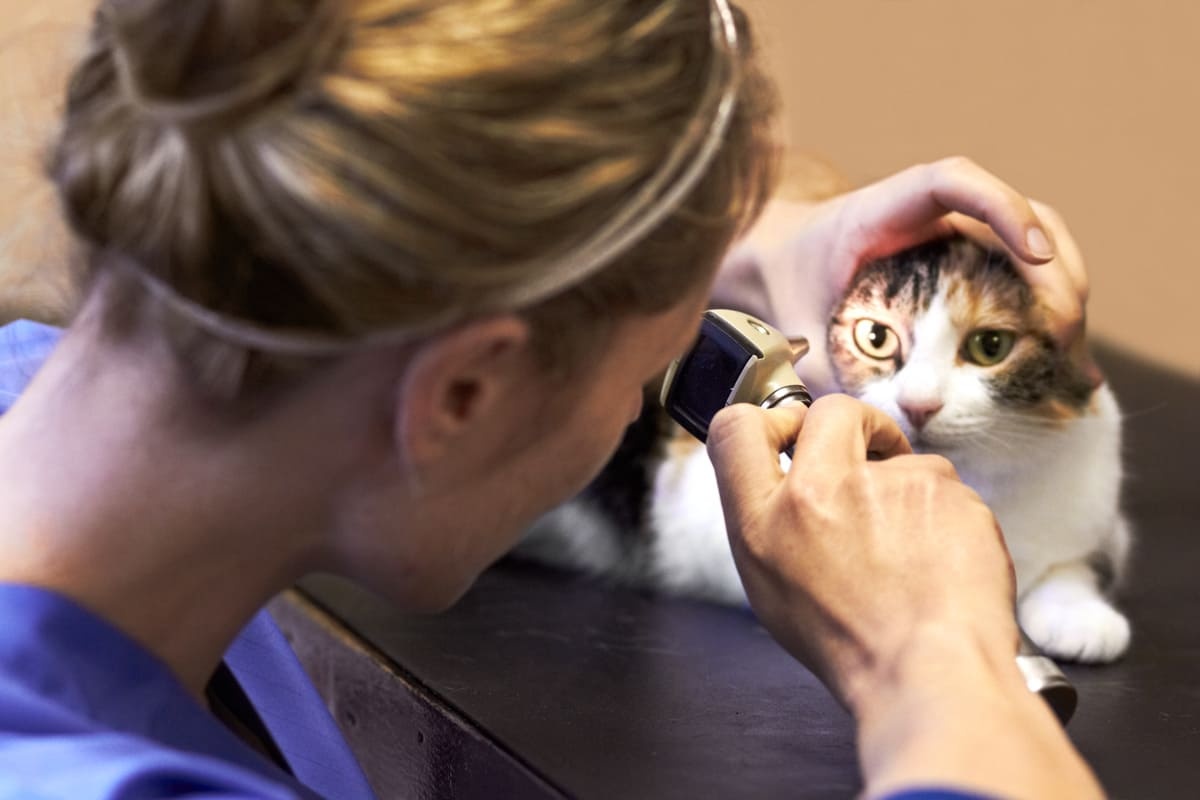
In this section of our content, you can find answers to frequently asked questions specifically about eye diseases in cats.
What are some daily care tips to prevent eye diseases in cats?
Regularly checking the eye area, gently cleaning when discharge or redness is noticed, and keeping your cat's living space free from dust, smoke, and chemicals are effective preventive steps. For detailed information on cat care, you can read our article "The Basics of Home Cat Care: Daily Needs of Cats".
When should I consult a vet?
If sudden redness, swelling, cloudiness, heavy discharge, persistent squinting, or significant sensitivity to light appear in the eye, an examination is necessary without delay. These symptoms may be early signs of progressive eye diseases.
My cat's eye is discharging, what should I do?
First, it is important to observe the color and consistency of the discharge. Watery discharge may be due to mild irritation, while dark and thick discharge may be related to infection. You can gently clean the area around the eye with clean, disposable eye cleaning pads, and if the discharge continues, you can seek an examination for evaluation.
How to give eye drops to a cat?
You can gently lift your cat's eyelid while holding it in a calm position and apply the eye drops prescribed by your veterinarian, at the recommended dose, directly to the surface of the eye. Blinking after application helps the drops spread.
Is a cat eye infection contagious?
Some infections can be transmitted to other cats through contact. Shared food and water bowls, beds, or surface contact can facilitate transmission. Therefore, it is important to reduce contact if an infection is suspected.
Buy Terralora Eye Health and Care Products to Protect Your Cat from Eye Diseases
The daily care steps you take to protect your cat's eye health become much more effective when supported by the right products. Hygiene, regular cleaning, and creating a safe environment reduce the risk of irritation and infection that may occur in the eyes. At this point, the care categories in Terralora strengthen the at-home care process by offering practical ease of use. Different product options are available for gently cleaning the eye area, controlling discharge, and supporting the delicate eye structure. While cleaning wipes and solutions facilitate daily hygiene, vitamins and care products that help strengthen eye health provide more comprehensive protection. Sources: How Does Human Stress Affect Dogs? Does human stress affect dogs? Dogs have been known as man's closest friends for hundreds of years. It would not be wrong to say that being close friends and forming emotional bonds always has its challenges. You know you won't have your best day when your best friend is unhappy, sad, or stressed. The same is true for dogs. Research shows that our furry friends sense our stress, tension, and anxiety. Of course, they not only share our feelings but are also affected by them. In this article, we will delve into the question of whether human stress affects dogs and share what we can do for our furry friends.
Different product options are available for gently cleaning the eye area, controlling discharge, and supporting the delicate eye structure. Cleaning wipes and solutions make daily hygiene easier, while vitamins and care products that help strengthen eye health provide more comprehensive protection.
Kaynaklar:
https://www.cats.org.uk/help-and-advice/health/eye-problems-in-cats
https://www.pdsa.org.uk/pet-help-and-advice/pet-health-hub/symptoms/eye-problems-in-cats
https://www.petmd.com/cat/general-health/common-cat-eye-problems
https://www.vet.cornell.edu/departments-centers-and-institutes/cornell-feline-health-center/health-information/feline-health-topics/feline-vision-problems-host-possible-causes
https://vcahospitals.com/know-your-pet/uveitis-in-cats
https://www.webmd.com/pets/cats/eye-discharge-in-cats
https://icatcare.org/articles/caring-for-your-cats-eyes
https://www.msdvetmanual.com/cat-owners/eye-disorders-of-cats/eye-structure-and-function-in-cats
Advertisement
Advertisement
Keep exploring
Continue reading
Cat Health
Why Do Cats Get Thinner as They Age? Symptoms and Treatment
When stroking an aging cat's back, the spine or hip bones may feel more prominent than before, which is the first change most cat owners notice.
Read guide →
Cat Health
Cat Anatomy and Organs: Body Structure, Health Signs and Relationship with Diseases
A slight change in posture, a slight limp in gait, or a difference in litter box habits in cats can give clues about their body systems.
Read guide →
Cat Health
How to Acclimate Cats to Carrier Bags?
Does your cat hide, hiss, or resist with all its might the moment it sees the carrier? This reaction is described as carrier phobia in most homes…
Read guide →
Cat Health
What Should Be Considered After Vaccination in Cats?
Following your cat's vaccination schedule for health and a long life is one of the most critical decisions you will make as a pet owner.
Read guide →