My Cat Drinks a Lot of Water, How Much Water Should Cats Consume?
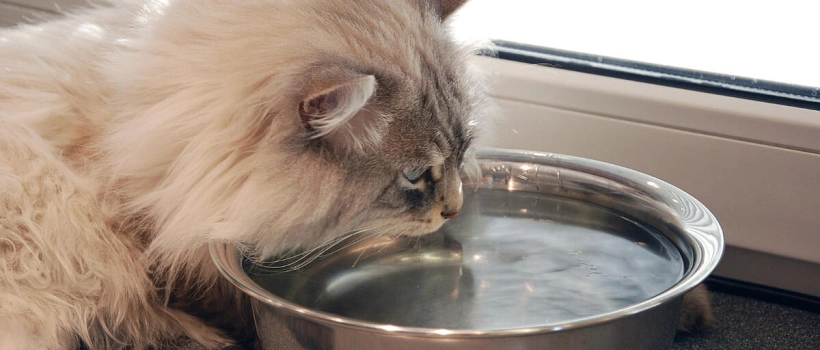
Cats, by nature, tend to hide their illnesses. Therefore, observing them is vital. A seemingly small change in their daily routine could be a signal from their body. The question, "My cat is drinking a lot of water, is this normal?" becomes particularly important at this point.
Advertisement
Cats, by nature, tend to hide their illnesses. Therefore, observing them is vital. A seemingly small change in their daily routine could be a signal from their body. The question, "My cat is drinking a lot of water, is this normal?" becomes particularly important at this point.
Your cat starting to drink more water may not only be due to hot weather or dry food consumption. Kidney, thyroid, or metabolic problems often manifest themselves as increased thirst behavior. Therefore, the frequency with which your cat approaches its water bowl, the amount of water it drinks, and its general behavior should be carefully monitored. As mentioned in the Boston Veterinary source, excessive water drinking in cats can be an early sign of diabetes or kidney disease. Therefore, paying attention to any noticeable changes is critical to protecting your cat's health. This article will guide you at this point. You can find details about the possible reasons why your cat drinks too much water, how much water is ideal daily, and when to consult a veterinarian in the rest of our article. Why Does My Cat Drink So Much Water? When you notice a significant increase in your cat's water consumption, you shouldn't take this behavior lightly. As we emphasized earlier, cats naturally tend to hide their illnesses. Therefore, increased water consumption is often our first warning sign. While excessive water consumption may be due to environmental factors or diet in some cases, it can sometimes be a sign of serious health problems. The most common reasons for excessive water consumption in cats: Feeding: Cats fed only dry food have to drink more water due to the low moisture content in the food. This is completely normal. In such a case, the cat's water balance can be supported by adding wet food to their meals. Temperature and activity: Cats naturally drink more water on hot summer days or after active play sessions. You can control your cat's desire to drink excessive water quickly by placing water bowls in multiple locations around the house on hot days.
Boston Veterinary source, excessive water intake in cats can be an early sign of diabetes or kidney disease. Therefore, paying attention to any noticeable changes is critical to protecting your cat's health.
This article will guide you in this regard. You can find details about the possible reasons for your cat's excessive water intake, the ideal daily water intake, and when to consult a veterinarian in the rest of this article.
Why is My Cat Drinking So Much Water?
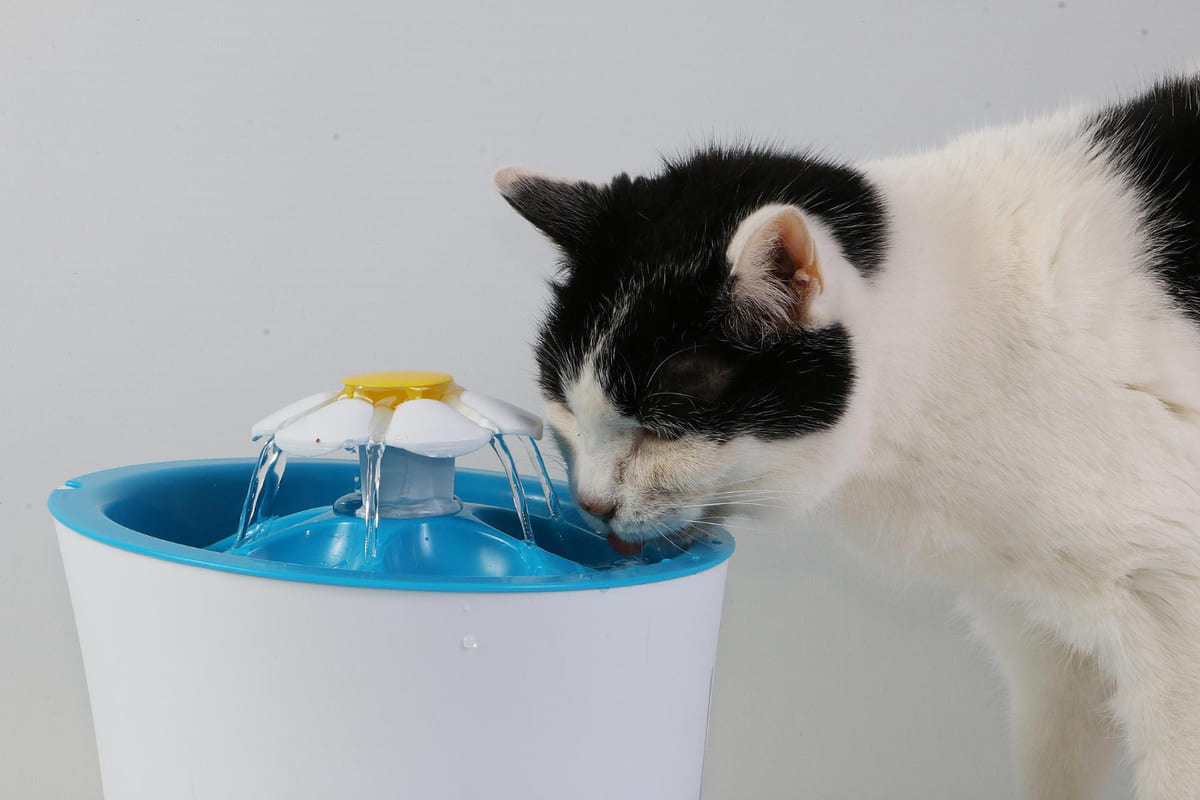
When you notice a significant increase in your cat's water consumption, you shouldn't take this behavior lightly. As we emphasized earlier, cats naturally tend to hide their illnesses. Therefore, increased water consumption is often the first warning sign. While excessive water consumption may be due to environmental factors or diet in some cases, it can sometimes be a sign of serious health problems.
The most common reasons for excessive water consumption in cats:
Diet: Cats fed only dry food have to drink more water due to the low moisture content in the food. This is completely normal. In such a case, adding wet food to meals can support the cat's water balance.
Air temperature and activity: Cats naturally drink more water on hot summer days or after active play sessions. You can control your cat's desire to drink excessively quickly by placing water bowls in multiple locations around the house on hot days.
Age factor: As cats age, kidney function weakens and water consumption increases. Regular blood and urine tests are important for cats over 7 years old. This allows for monitoring kidney health.
Diabetes: High blood sugar levels can result in constant thirst and frequent urination in cats. If excessive water intake is accompanied by weight loss or changes in appetite, a veterinarian should be consulted immediately. For information about diabetes in cats, you can access our related blog post here.
Chronic kidney disease: When the kidneys become unable to regulate fluid balance, cats drink a lot of water and urinate frequently. It is important to have a blood test done if a sudden increase in water consumption is noticed.
Thyroid problems: Hyperthyroidism is a disease more common in cats, especially middle-aged and older. It is accompanied by excessive thirst, increased appetite, and weight loss. If your cat is losing weight despite having a good appetite, it should be taken for a health check.
Urinary tract infections: A urinary tract infection can cause your cat to drink more water and go to the litter box more frequently. If your cat is having difficulty urinating or has bloody urine, an urgent veterinary examination is required.
Medication use: Corticosteroids and some diuretics can cause your cat to drink more water than normal. In such a case, do not stop the medication; be sure to consult the veterinarian who prescribed the medication.
As also stated in the PetMD source, increased water consumption in cats; Increased water consumption in cats can be associated with serious conditions such as diabetes, chronic kidney disease, and hyperthyroidism. Therefore, early determination of the cause through blood and urine tests directly affects their quality of life if an increase in their water intake is noticed.
How Much Water Should Cats Drink Per Day?

Knowing how much water your cat drinks makes it easier to understand the difference between normal and abnormal. As a general rule, a healthy cat's daily water requirement ranges from approximately 40–60 ml per kilogram of body weight. For example, a 4 kg cat is expected to consume an average of 160–240 ml of water per day. This amount may vary depending on diet and living conditions.
Cats fed dry food drink more water due to the low moisture content in the food, while cats fed wet food may drink less water because they get enough fluids from the food.
Frontier Vet Urgent Care recommends that you consider the type of food when calculating your cat's daily water needs. Although wet food cats may appear to consume less water, their fluid balance may still be at a healthy level.
By monitoring your cat's water consumption, you can more clearly identify deviations from the norm and provide accurate information to your veterinarian when necessary.
Signs of Dehydration in Cats

It is often not easy to determine if your cat is drinking enough water. However, some physical and behavioral signs provide strong clues about dehydration.
As highlighted in the Cornell Feline Health Center source, signs of dehydration in cats can indicate not only a simple fluid deficiency but also underlying serious health problems. Therefore, it is best to consult a veterinarian without delay when you observe these symptoms. Here are the symptoms you should closely monitor:
Decreased skin elasticity: When you gently lift the skin on your cat's neck, it should normally return to its place quickly. If the skin returns slowly, this indicates that the body is losing fluids.
Dryness in the mouth and gums: Healthy cats have shiny and moist gums. In dehydrated cats, the gums become sticky and dry.
Changes in urine volume: Dehydrated cats urinate less, and the urine color may darken. This puts a strain on the kidneys.
Low energy and lethargy: Dehydration causes your cat to be reluctant to perform daily activities. A cat that is normally playful may start sleeping more when it is dehydrated.
Decreased appetite: When the body's fluid balance is disrupted, cats are generally less willing to eat. If loss of appetite persists for a long time in cats, weight loss may occur.
Loss of vitality in the fur: Cats that do not get enough fluids have dull, fluffy, and unkempt fur.
Frequently Asked Questions
Now you know your cat's daily water needs, possible causes, and signs of dehydration. But in light of all this information, what are the answers to the most frequently asked practical questions?
How many days can cats go without water?
For cats, just like humans, water is one of the basic necessities of life. According to The Vets data, cats cannot survive without water for more than 3-4 days. However, signs of dehydration usually appear within the first 24 hours. These symptoms can manifest as lethargy, loss of appetite, dry gums, and decreased skin elasticity.
Of course, these extreme limits should not be waited for. If you notice that your cat has not drunk water for more than a day, it is best to consult a veterinarian immediately. Because as dehydration progresses, kidney function can be damaged and, unfortunately, can pose serious risks.
What is the importance of water for the health of cats?
Water is one of the essential elements of life for cats. It supports many processes, from the body's temperature balance to the proper functioning of organs. Insufficient fluid intake can lead to long-term consequences such as digestive problems, kidney strain, and weakened immunity.
What happens if my cat drinks too much water?
Drinking more water than normal is sometimes due to environmental factors. In other words, it shouldn't be immediately interpreted negatively. However, caution should not be exercised. Cats starting to drink more water than normal can be a sign of various health problems. Therefore, the duration of the behavior should be monitored and it should be observed whether it appears together with other symptoms.
Is excessive water drinking a sign of illness in cats?
It can be. Diabetes and kidney diseases, in particular, are among the most common causes of increased water consumption in cats. However, it is not correct to draw a definitive conclusion based solely on water drinking behavior; the context and accompanying symptoms should be considered.
Is there a link between excessive water intake and diabetes in cats?
The answer to this question is the same: Yes, there can be. In diabetic cats, high glucose levels in the blood lead to increased urine production, which results in increased thirst. This link is quite common.
My cat drinks a lot of water but has no appetite, is this normal?
This is not considered normal. Excessive water consumption accompanied by loss of appetite may indicate metabolic or kidney-related problems. It is helpful to note your observation and be prepared for evaluation if it continues.
Kaynaklar:
https://thevets.com/resources/pet-health-care/dehydration-in-cats/
https://icatcare.org/articles/increased-thirst-and-drinking
https://www.petmd.com/cat/symptoms/why-my-cat-drinking-lot-water
https://frontierveturgentcare.com/blog/cat-drinking-water-milwaukee-wi/
https://www.bostonveterinary.com/web-tails/cat-drinks-lots-of-water/
https://www.undertheweatherpet.com/blogs/under-the-weather/8-reasons-your-cat-is-drinking-so-much-water
https://metro-vet.com/why-is-my-cat-so-thirsty/
https://www.catster.com/cat-behavior/why-is-cat-suddenly-drinking-a-lot-of-water/
https://rutherfordvet.com/cat-drinking-a-lot-of-water/
https://www.vet.cornell.edu/departments-centers-and-institutes/cornell-feline-health-center/health-information/feline-health-topics/hydration
Advertisement
Advertisement
Keep exploring
Continue reading

Cat Nutrition
The Importance of Fiber in Cat Food: Its Role in Digestion, Hairballs, and Weight Control
Most people just glance at the "crude cellulose" line in the analysis table on the cat food packaging.
Read guide →
Cat Nutrition
The Importance of Wet Food Consumption in Cats During Summer
When temperatures rise, cats, just like us, may have difficulty maintaining their fluid balance.
Read guide →
Cat Nutrition
Mineral Balance in Dry Cat Foods: The Role of Calcium and Phosphorus
The suitability of cat food for a cat in the long term is not determined solely by protein, fat, or calories.
Read guide →
Cat Nutrition
Essential Cat Food Ingredient Terms for Cat Owners
If you are a cat parent with at least one cat eagerly awaiting your return and nourished by your love in addition to the food you provide, this…
Read guide →