My Cat Makes a Lot of Noise When Breathing: Causes, Symptoms, and Solutions
While your cat making noise when breathing isn't always a sign of a serious problem, in some cases it can be a symptom of underlying health issues. If abnormal breathing sounds are observed, especially wheezing, whistling, or snoring-like noises, these symptoms should be carefully monitored, and a…
Advertisement
While your cat making noise when breathing isn't always a sign of a serious problem, in some cases it can be a symptom of underlying health issues. If abnormal breathing sounds are observed, especially wheezing, whistling, or snoring-like noises, these symptoms should be carefully monitored, and a veterinarian should be consulted if they become persistent. In this article, we will discuss the possible causes of noisy breathing, accompanying symptoms, observations that can be made at home, and treatment options in detail.
What are Abnormal Breathing Sounds in Cats?

The sounds your cat makes while breathing can sometimes cause you concern. Although every cat's breathing is different, sounds such as wheezing, whistling, choking, or snoring that are outside the norm may be a sign of some health problems. To understand the source of these sounds, it is necessary to first know the difference between normal breathing and abnormal breathing.
Understanding what noisy breathing in cats means allows for the early detection of possible diseases and helps in getting veterinary support without delay when necessary. You can find detailed information on this topic in our article "What is Respiratory Distress in Cats, and Why Does it Occur?".
Differences Between Normal and Abnormal Breathing
A healthy cat's breathing is quiet and regular. However, in some cases, extra sounds heard during breathing are considered abnormal. The PDSA evaluates these types of symptoms under respiratory distress and states that these sounds can often be a sign of a medical problem.
Abnormal sounds usually indicate difficulty in breathing or an obstruction in the airways. Particular attention should be paid if there is noise accompanied by breathing, phlegmy sounds, a feeling of obstruction, or whistling tones.
Types of Sounds Made During Breathing
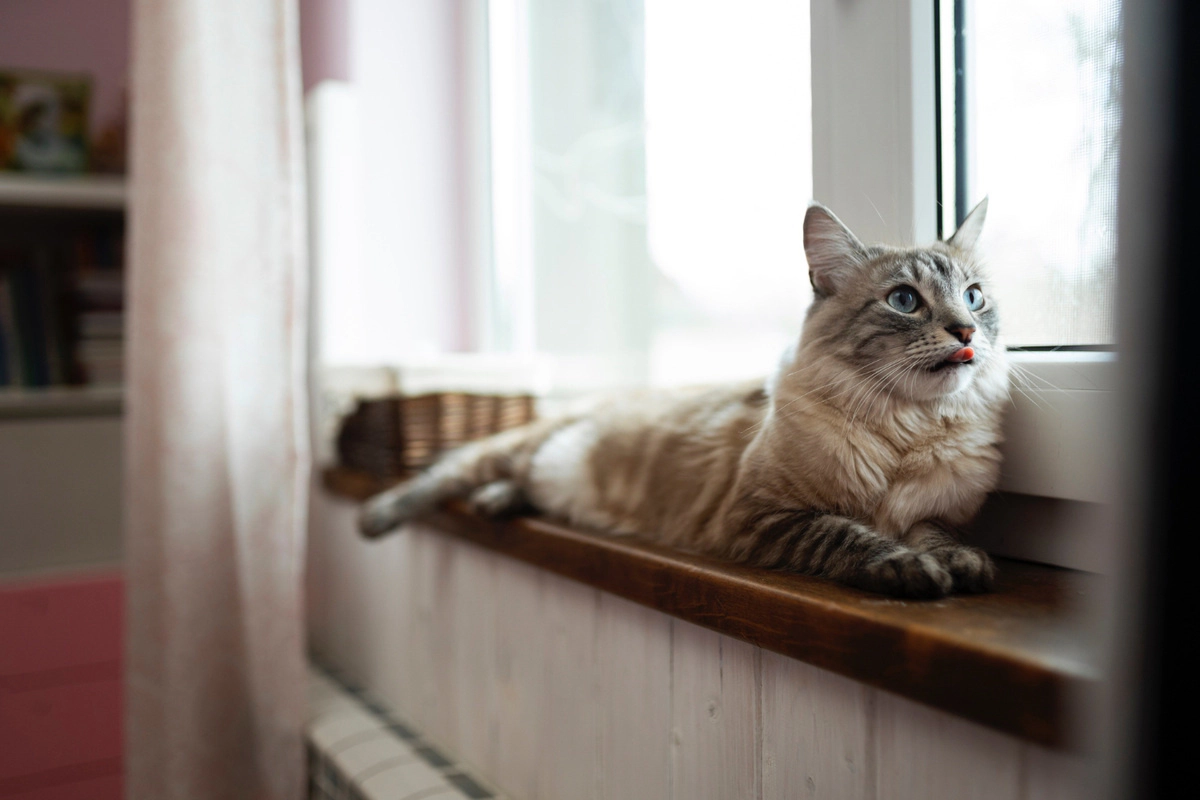
The breathing sounds your cat makes can manifest in different ways depending on the type of underlying problem. Each type of sound provides clues about a specific area affected in the respiratory system or the nature of the disease. Understanding the details of these sounds will help you better interpret the problem your cat is experiencing and provide accurate information to your veterinarian. Below you will find the most common types of breathing sounds and what they mean.
Wheezing
Wheezing is usually caused by narrowing of the bronchi or inflammation of the small passages that carry air to the lungs. This is felt as a deep, shaky sound that can be heard with each breath your cat takes, especially when exhaling. As stated on PetMD, these sounds can be indicative of lower respiratory tract diseases such as bronchitis, asthma, or allergic reactions.
Whistling Sounds
If you notice thin, high-pitched, and irregular sounds your cat makes while breathing, it's most likely a whistling sound. These types of sounds occur when airways, such as the bronchi, are narrowed or blocked with mucus. Whistling sounds can sometimes occur temporarily due to stress, dust, or allergen exposure. However, if it recurs regularly, it may indicate an underlying chronic condition.
Sounds That Indicate a Sensation of Obstruction
Whrinkling or obstruction-like sounds coming from the nose usually indicate an obstruction in the upper respiratory tract. This sound can often be caused by structural problems such as mucus buildup in the throat or nasal cavity, infection, tumors, or nasopharyngeal polyps. If your cat also has symptoms such as a runny nose, frequent sneezing, and loss of appetite, the cause of this wheezing sound may be a more serious condition. Nasal obstructions or polyps, in particular, may require surgical intervention.
Stridor (A High-pitched, Whistling Sound from the Larynx or Trachea)
Stridor is a high-frequency, whistling sound caused by a narrowing or blockage in your cat's larynx or trachea. This sound is clearly audible during breathing—especially inhalation. Because the areas where stridor occurs have firmer tissues, the sound is sharper, higher-pitched, and more noticeable.
These sounds are usually indicative of a serious obstruction. It is important to remember that stridor can be dangerous and may be life-threatening by limiting oxygen intake. If your cat shows signs of lethargy, restlessness, mouth breathing, or cyanosis accompanying stridor, immediate veterinary intervention is necessary.
Stertor (Snoring-like Sound from the Nose and Soft Palate)
Stertor is a lower-frequency, snoring-like respiratory sound coming from your cat's nasal cavity or soft palate area. This sound is usually heard during breathing and may be perceived as "snoring" or "wheezing". Because stertor is produced by the vibration of soft and flexible tissues in these areas, the sound is more muffled and bassy.
Stertor is particularly common in brachycephalic cat breeds such as Persian, Exotic Shorthair, or Himalayan. While stertor sounds generally don't indicate a dangerous condition, the underlying cause may be bothersome or progressive. If your cat is generally healthy, stertor sounds can be monitored with a veterinarian's consultation. However, if accompanied by symptoms such as loss of appetite, lethargy, or difficulty breathing, this may require urgent intervention.
|
Abnormal Breathing Sound |
Definition |
Possible Causes |
|
Wheezing |
High-pitched whistling sound |
Asthma, allergies, foreign body, heart disease |
|
Whistling Sound (Stridor) |
High-pitched, harsh sound |
Foreign body, laryngeal problems, tumors, polyps |
|
Obstruction Sound (Crackling/Rales) |
Crackling, moist sounds |
Pneumonia, heart failure, pulmonary edema |
|
Horlama Benzeri Ses (Stertor) |
Low-pitched sounds originating from the nose or throat |
Nasopharyngeal polyps, obesity, brachycephalic breeds, infections |
Common Causes of Noisy Breathing in Cats

The sounds you hear with each breath of your cat can be due to many reasons, from a simple nasal congestion to serious respiratory illnesses. These sounds are often a warning mechanism of the body and are indicative of underlying health problems. Especially repetitive or increasingly loud breathing sounds at certain intervals may indicate conditions that should not be ignored. Understanding the causes of breathing sounds is crucial for both protecting your cat's health and intervening at the right time. Below, you can find the most common causes of noisy breathing in cats in detail. Upper Respiratory Tract Infections One of the most common causes is viral or bacterial infections. Abnormal breathing sounds may occur along with symptoms such as runny nose, sneezing, and watery eyes. It is noted that infections are more common in kittens and cats with weakened immune systems. You can get detailed information about these health problems by checking out our article titled Lung and Respiratory Tract Diseases in Cats.
Upper Respiratory Tract Infections
One of the most common causes is viral or bacterial infections. Symptoms may include runny nose, sneezing, watery eyes, and abnormal respiratory sounds. It is noted that infections are more common in kittens and cats with weakened immune systems. You can find detailed information about these health problems by reviewing our article titled "Lung and Respiratory Tract Diseases in Cats".
Allergies and Irritation
Certain substances in your cat's environment can cause irritation or allergic reactions in the respiratory tract. Pollen, household cleaning products, perfumes, cigarette smoke, and even some fabric sprays are among these triggers. When your cat is exposed to these substances, it may show symptoms such as nasal congestion, wheezing, or frequent sneezing. This is especially common in spring and summer.
The first step in reducing allergy-related respiratory sounds in cats is to eliminate environmental triggers. Regular ventilation of the house, reducing dust-collecting carpets and curtains, and avoiding scented products can be helpful. Depending on the source of the allergy, antihistamine medications recommended by a veterinarian may also play a role in treatment.
Asthma or Bronchitis
Asthma in cats is a common chronic respiratory disease, especially in young and middle-aged cats. This condition causes the bronchi to narrow as a result of the cat's immune system overreacting to allergens. As a result, your cat may experience symptoms such as wheezing, coughing, shortness of breath, and even mouth breathing. While some attacks are mild, others can be life-threatening.
According to the Cornell Feline Health Center, asthma often causes chronic inflammation in the airways, which requires regular treatment.
Treatment is usually done with corticosteroids and bronchodilator medications. In severe cases, cats may be given nebulizer (inhaler) support. When asthma is controlled, your cat's quality of life can be greatly improved.
Foreign Body Obstruction
Since cats are curious creatures, it is not uncommon for them to inhale a small object through their noses or into their respiratory tract. In this case, your cat may suddenly start breathing heavily and noisily, become restless, or rub its face with its paw. Breathing sounds are usually unilateral and accompanied by an irregular, stuffy sound coming from the nose.
Foreign body obstruction is a condition requiring immediate veterinary intervention. If the object is lodged in the nose or trachea, it can cause infection or serious respiratory failure if left untreated. If you suspect such a situation at home, the best course of action is to immediately contact a veterinary clinic without stressing the cat.
Heart Diseases
Heart diseases in cats often progress without symptoms and become noticeable indirectly by affecting the respiratory system. In conditions such as acute heart failure, respiratory distress can occur suddenly, and in this case, emergency intervention is important.
Hypertrophic cardiomyopathy, one of the most common heart diseases, causes the heart muscle to thicken. As a result of the heart not being able to pump enough blood, fluid accumulates in the lungs. This fluid can put pressure on the airways, causing your cat to make noises while breathing, to have wheezing or rapid breathing.
If you notice loss of appetite, lethargy, rapid breathing even when at rest, or restlessness, especially at night, in your cat, this may be heart-related. A veterinary examination without delay is of great importance in preventing serious consequences. If necessary, chest X-rays and heart ultrasounds can clarify the diagnosis. Obesity and Excess Weight In cats, excess weight significantly affects not only mobility but also respiratory quality. Fat tissue accumulating in the abdominal area can prevent the lungs from expanding and hinder the diaphragm from functioning properly. As a result, your cat will begin to breathe more shallowly and more frequently. Symptoms such as snoring, especially while sleeping, wheezing during the day, or getting tired quickly after exercise may be observed. Excess weight limits lung capacity, and if this becomes chronic, it can lead to permanent damage to heart and lung health. If obese cats have respiratory symptoms, both dietary adjustments should be made and weight control should be ensured under the supervision of a veterinarian. With weight loss, respiratory sounds and quality may return to normal over time.
Obesity and Overweight
In cats, excess weight significantly affects not only mobility but also respiratory quality. Fat tissue accumulating in the abdominal area can hinder lung expansion and prevent the diaphragm from functioning properly. As a result, your cat will begin to breathe more shallowly and more frequently. Symptoms such as snoring, especially while sleeping, wheezing during the day, or easy fatigue after exercise may be observed.
Excess weight limits lung capacity, and if this becomes chronic, it can lead to permanent damage to heart and lung health. If obese cats have respiratory symptoms, both dietary adjustments and weight control under veterinary supervision should be implemented. With weight loss, the sound and quality of breathing may return to normal over time.
Genetic or Breed-Specific Conditions
Some cat breeds are more prone to respiratory problems due to their anatomical structure. Brachycephalic breeds, in particular, expend more respiratory effort than normal due to their narrow nostrils, long soft palate, and flat facial structure. While this makes noisy breathing common for these cats, it can sometimes pose a health risk.
If your cat belongs to this group, you are likely to observe symptoms such as choking-like sounds, snoring, mouth breathing, and easy fatigue. It should be remembered that respiratory problems in these breeds can worsen over time and may require surgical correction. Therefore, regular veterinary check-ups are of great importance.
Persian cats are one of the most prominent examples among brachycephalic breeds. If your Persian cat snores, has difficulty breathing, or acts restless while sleeping or when excited, these symptoms may indicate anatomical problems that reduce its quality of life. In some cases, surgical intervention to open the airways can help your cat breathe much more easily. S051441§§What Symptoms Should Be Taken Seriously When It Comes With Abnormal Breathing Sounds in Cats? S051442§§Your cat's occasional wheezing or choking sounds while breathing may not always be a cause for panic. However, if these sounds occur along with certain other symptoms, the seriousness of the situation increases, and a veterinary examination is absolutely necessary. In particular, some warning signs indicating that the body cannot meet its oxygen needs through breathing may indicate that your cat needs urgent intervention. Below you will find the most important symptoms to consider if accompanied by noisy breathing. Early detection of these symptoms can be life-saving.
What Symptoms Should Be Taken Seriously Along with Abnormal Breathing Sounds in Cats?
Your cat's occasional wheezing or choking sounds during breathing may not always be a cause for panic. However, if these sounds are accompanied by certain symptoms, the seriousness of the situation increases, and veterinary examination is absolutely necessary. Certain warning signs, particularly those indicating an inability to meet the body's oxygen needs through breathing, may suggest your cat requires urgent intervention. Below are the most important signs to consider if accompanied by noisy breathing. Early detection of these signs can be life-saving.
Mouth Breathing
Cats normally breathe through their noses. If they are breathing through their mouths, this may be a sign of serious respiratory distress.
Morarma veya Solgunluk
Bruise or whitening of the lips, gums, or tongue indicates a lack of oxygen. This is classified as a "life-threatening emergency sign."
Hareketsizlik ve Yorgunluk
If your cat is sleeping more than usual or is reluctant to move, this may indicate that it is not getting enough oxygen through its respiratory system.
Sneezing or Discharge
Chronic cough, runny nose, and sneezing are often symptoms of underlying infections or chronic lung diseases. Cornell Feline Health Center states that yellow and green discharge is a common symptom, especially in pneumonia.
Things to Do Before Taking Your Cat to the Clinic
Some careful observations before going to the clinic can both speed up the diagnostic process and improve your cat's comfort.
Removing Dust, Cigarette Smoke, or Odors from the Environment
Volatile substances in the home environment, such as dust, cigarette smoke, harsh cleaning chemicals, or perfumes, can irritate your cat's respiratory tract. These types of triggers increase respiratory sounds, especially in cats prone to allergies or asthma.
Monitoring Breathing Frequency
Measuring how many times your cat breathes per minute is an important step in noticing anything that deviates from the norm. A healthy cat's resting breathing rate is usually between 20–30.
Video Recording of Symptoms (For Veterinarians)
Recording the sounds of breathing or the breathing process on video helps the veterinarian to assess the situation more clearly.
Ne Zaman Veteriner Hekime Gidilmeli?
While your cat's occasional noisy breathing can be concerning, in some cases these symptoms may be temporary. If breathing sounds are loud, persistent, or accompanied by other warning signs, immediate veterinary intervention is required.
Respiratory problems in cats can be a sign of rapidly progressing issues that seriously affect their quality of life. Below, you can find which symptoms require immediate intervention and what steps the veterinarian takes in the diagnostic process.
Situations Requiring Immediate Intervention
If you observe one or more of the following symptoms in your cat, you should immediately contact a veterinary clinic instead of waiting at home:
- Cats naturally breathe through their noses. Breathing through the mouth is usually an indication of serious respiratory distress. This may be a sign of a crisis.
- Bluish discoloration or grayish pallor of the lips, tongue, and gums indicates that the body is not getting enough oxygen.
- If your cat suddenly falls, loses its balance, or becomes unresponsive, there may be a serious problem with its cardiovascular system.
- The number of breaths a cat takes per minute while at rest helps determine the need for emergency intervention. Rapid breathing is a clear indication that the body is struggling to meet its oxygen needs.
- Confusion and unresponsiveness to the environment can result from insufficient oxygen intake. This requires emergency intervention.
As stated by the PDSA, these types of symptoms can be life-threatening, and timely intervention can significantly increase your cat's chances of survival.
Routine Check-up Scheduling
If your cat's noisy breathing behavior may be mild and recurs at intervals, it may be tempting to dismiss it as "temporary." It's worth being cautious: If wheezing, snoring, whistling, or choking sounds recur at intervals, there may be an underlying chronic condition.
These symptoms may worsen over time and, if left untreated, can become permanent, negatively impacting your cat's quality of life. Older cats, those prone to allergies, or those with a history of conditions such as asthma should undergo regular check-ups, even if they show no symptoms.
Tests Performed During the Diagnostic Process
Your veterinarian will perform a thorough examination and various diagnostic methods to determine the source of your cat's respiratory problems. This process is critical for both proper treatment planning and your cat's safety.
X-rays and Blood Tests
Chest X-rays are used to evaluate internal structures such as heart enlargement, lung infection, fluid buildup, or tumors. Blood tests can reveal information indicating infections, immune status, oxygen saturation, or heart failure.
Bronkoskopi veya Endoskopi
If clear results cannot be obtained with the above tests, direct imaging of the airways may be necessary. Especially if there is suspicion of a nasopharyngeal polyp, foreign body, tumor, or structural narrowing, your veterinarian will recommend bronchoscopy or endoscopy. These methods allow access to the problematic area and, if necessary, minor interventions. Treatments Applied According to the Underlying Causes of Noisy Breathing Since your cat's noisy breathing varies depending on the underlying cause, the treatment plan will be shaped accordingly. After diagnosis, significant improvements can be achieved with appropriate treatment methods. If the cause of noisy breathing is a bacterial infection, your veterinarian may start antibiotic treatment. In viral cases, immune system-boosting drugs and anti-inflammatory drugs are preferred. Especially in conditions such as asthma or bronchitis, corticosteroids may also be included in the treatment.
These methods allow access to the problematic area and, if necessary, minor interventions.
Treatments Applied According to the Underlying Causes of Noisy Breathing
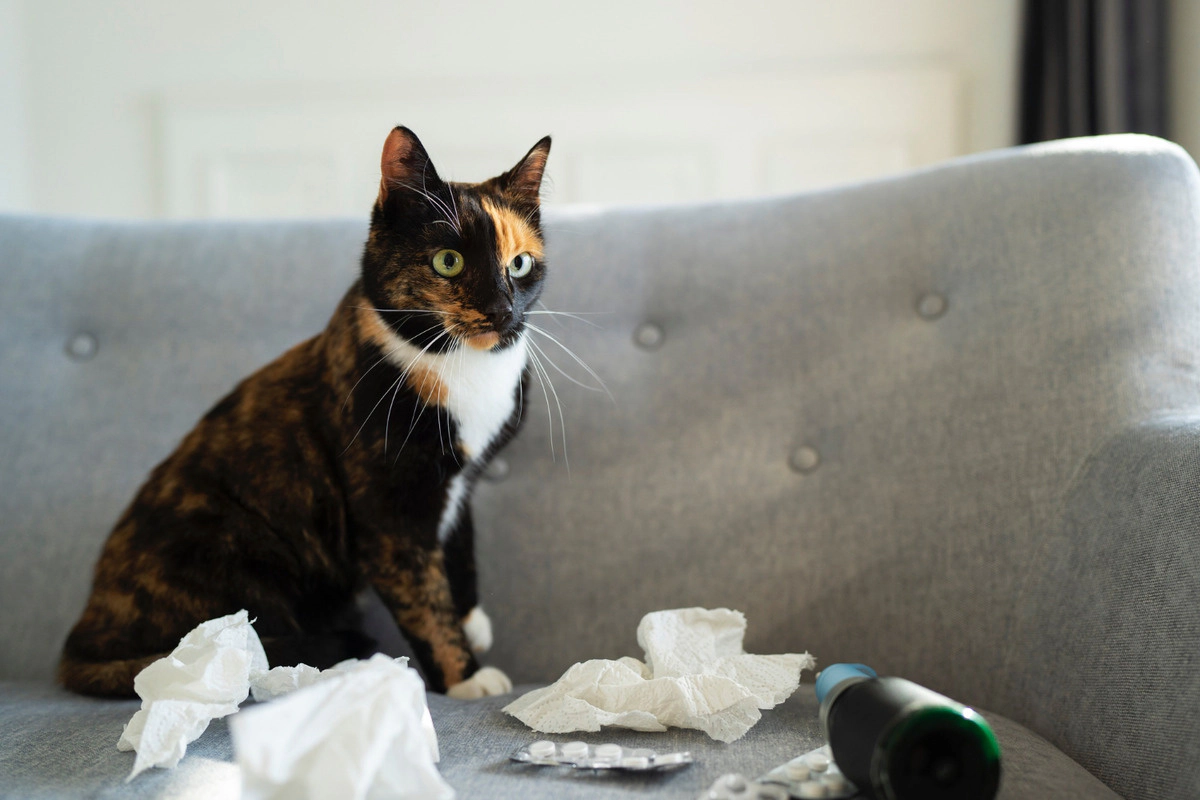
Because your cat's noisy breathing varies depending on the underlying cause, the treatment plan will be shaped accordingly. Significant improvements can be achieved with appropriate treatment methods after diagnosis.
Medication Treatments
If the cause of noisy breathing is a bacterial infection, your veterinarian may start antibiotic treatment. In viral cases, medications that support the immune system and anti-inflammatory drugs are preferred. Corticosteroids may also be included in the treatment, especially in cases such as asthma or bronchitis.
Surgical Interventions
If there are structural problems such as nasal polyps, tumors, or foreign bodies, it may be necessary to open the airways using surgical methods. Successful results can be obtained, especially in polyps behind the nose.
Supportive Respiratory Devices
In cats experiencing respiratory distress, devices such as nebulizers (medicated vapor devices) or oxygen cages can be used. It is stated that respiratory support devices used at home have been successful in asthma treatment.
Oksijen Tedavisi
In emergency situations, oxygen therapy administered in the clinic can support the cat's breathing and reduce the risk to its life. This intervention is particularly life-saving in heart and lung-related crises.
Supportive Care Methods That Can Be Applied at Home Alongside Veterinary Treatment
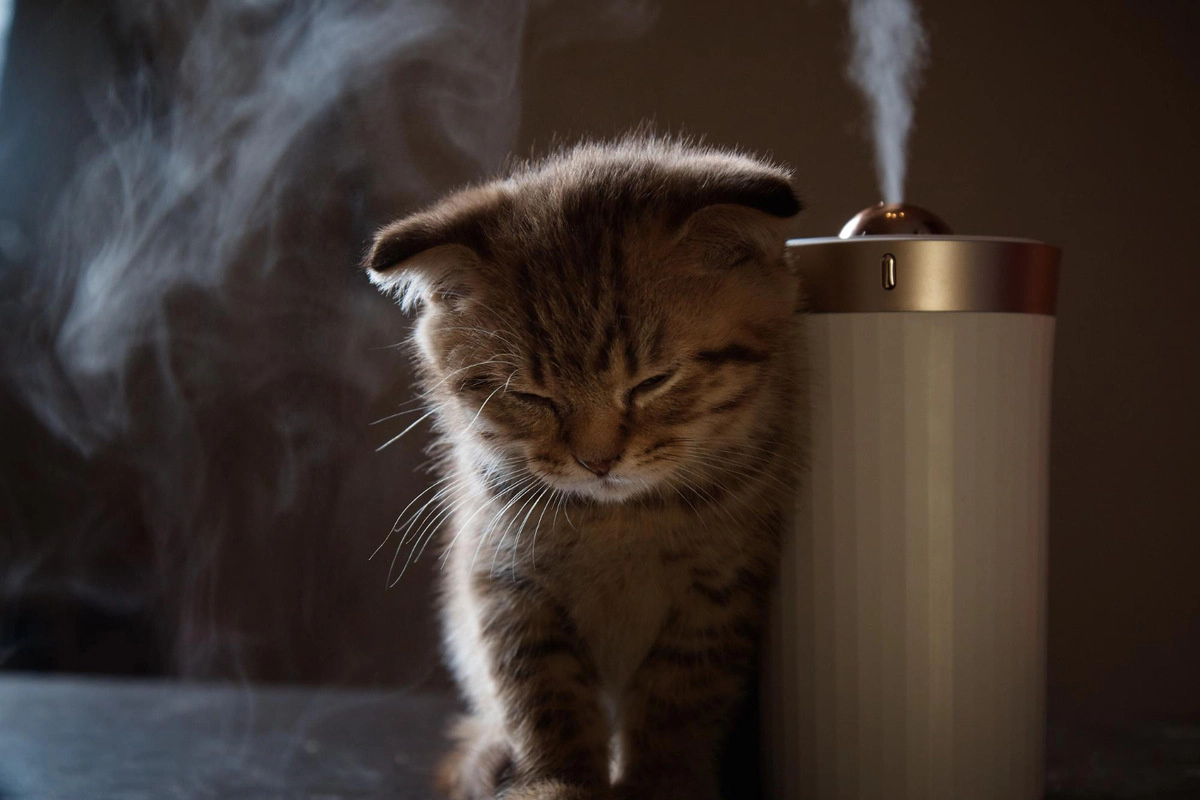
In addition to veterinary treatment, some supportive practices that can be done at home, again with the recommendation of a veterinarian, can increase your cat's comfort.
Creating a Hypoallergenic Environment
A living space free from dust, perfume, smoke, and chemicals is very important in the management of respiratory diseases. Reducing environmental triggers is part of the treatment.
Vapor and Humidity Support
Humid air can relieve respiratory passages, especially in cases such as nasal congestion and asthma. While using a humidifier can be beneficial, using cool steam is recommended as hot steam can be dangerous for cats. Also, excessively high humidity levels can have other harmful effects. Essential oils should absolutely not be used when providing humidity support.
Frequently Asked Questions About Sounds Cats Make When Breathing

The sounds your cat makes when breathing can raise many questions. Is this a temporary problem, or is it a sign of a serious illness? Should you go to the vet immediately, or is it enough to observe for a while? Many cat owners experience similar concerns and seek answers. In this section, we have compiled the most frequently asked questions on the subject. This way, you can better understand your cat's condition and make more informed decisions about when you need to seek professional help.
Why do cats make sounds when breathing?
Noisy breathing in cats is usually caused by an obstruction, inflammation, or narrowing in the airways. Allergies, asthma, upper respiratory infections, heart disease, obesity, and even foreign objects lodged in the nose can be the source of these sounds. The type of sound your cat makes while breathing (wheezing, whistling, growling, etc.) can give a clue as to where the problem originates.
How to recognize a cat with breathing distress?
Cats experiencing respiratory distress often exhibit the following symptoms:
- Rapid and shallow breathing (over 40 breaths per minute)
- Mouth breathing
- Bluish discoloration (of the tongue, lips, or gums)
- Hareketsizlik, halsizlik
- If there are wheezing or irregular breathing sounds, veterinary examination is essential.
What to do for a cat having difficulty breathing?
The first step is to ensure your cat stays in a calm environment and is kept away from stress. If there is dust, cigarette smoke, or scented products in the environment, the cat should be removed from the area immediately. Monitor your cat's respiratory rate and consult a veterinarian immediately.
My cat is wheezing, what should I do?
Wheezing is usually caused by lower respiratory tract problems such as asthma, bronchitis, allergic reactions, or congestion. If wheezing is accompanied by coughing, difficulty breathing, or lethargy, a veterinarian should be consulted immediately. According to PetMD, these symptoms may indicate narrowing of the bronchi and the condition may worsen if left untreated.
Is it dangerous if my cat breathes noisily even while sleeping?
If your cat breathes regularly but noisily while sleeping, it may be a structural problem. However, if the sound is choppy and difficulty breathing is observed, a veterinary examination is absolutely necessary.
Can noisy breathing be temporary?
Temporary allergies, dust exposure, or mild infections can cause this. If the symptom lasts longer than a few days, it may be a sign of a serious condition.
How do I know if my cat has asthma?
Wheezing, mouth breathing, coughing fits, and difficulty breathing are symptoms of asthma. For diagnosis, it is recommended to evaluate X-rays, bronchodilator response, and general history together.
Disclaimer: All content in this article is provided for general informational purposes only and does not substitute for professional veterinary advice. If you notice symptoms such as your cat making noises while breathing, you must consult a veterinarian for diagnosis and treatment. The information provided in this article may not be applicable to every cat and requires professional evaluation tailored to individual circumstances.
When respiratory distress, wheezing, or other symptoms requiring immediate intervention are observed, it is important to contact a veterinarian immediately instead of attempting home remedies. While the sources referenced in this article are reliable, a definitive diagnosis and treatment plan can only be made by a qualified veterinarian.
Kaynaklar:
https://vetster.com/en/wellness/difficulty-breathing-in-cats-heart-or-respiratory-issue#
https://www.pdsa.org.uk/pet-help-and-advice/pet-health-hub/symptoms/breathing-problems-in-cats
https://www.petmd.com/cat/symptoms/heavy-breathing-cats
https://www.vet.cornell.edu/departments-centers-and-institutes/cornell-feline-health-center/health-information/feline-health-topics/dyspnea-difficulty-breathing
https://www.vet.cornell.edu/departments-centers-and-institutes/cornell-feline-health-center/health-information/feline-health-topics/feline-asthma-what-you-need-know
https://www.vet.cornell.edu/departments-centers-and-institutes/cornell-feline-health-center/health-information/feline-health-topics/lung-ailments-widespread-source-feline-woe
https://www.vet.cornell.edu/departments-centers-and-institutes/cornell-feline-health-center/health-information/feline-health-topics/pneumonia
https://www.vet.cornell.edu/departments-centers-and-institutes/cornell-feline-health-center/health-information/feline-health-topics/nasopharyngeal-polyps
https://www.maddiesfund.org/kb-difficult-or-labored-breathing-in-cats.htm
https://www.trudellanimalhealth.com/learn/further-reading/breathing-difficulties-in-cats
https://www.petmd.com/cat/symptoms/noisy-breathing-in-cats
https://www.breatheazy.co.uk/why-is-my-cats-breathing-noisy/
https://wagwalking.com/cat/condition/noisy-breathing
https://vetster.com/en/symptoms/cat/snoring-and-noisy-breathing
https://www.trudellanimalhealth.com/learn/further-reading/why-is-my-cat-wheezing
Advertisement
Advertisement
Keep exploring
Continue reading

Cat Health
Why Do Cats Get Thinner as They Age? Symptoms and Treatment
When stroking an aging cat's back, the spine or hip bones may feel more prominent than before, which is the first change most cat owners notice.
Read guide →
Cat Health
Cat Anatomy and Organs: Body Structure, Health Signs and Relationship with Diseases
A slight change in posture, a slight limp in gait, or a difference in litter box habits in cats can give clues about their body systems.
Read guide →
Cat Health
How to Acclimate Cats to Carrier Bags?
Does your cat hide, hiss, or resist with all its might the moment it sees the carrier? This reaction is described as carrier phobia in most homes…
Read guide →
Cat Health
What Should Be Considered After Vaccination in Cats?
Following your cat's vaccination schedule for health and a long life is one of the most critical decisions you will make as a pet owner.
Read guide →