Nebelung Cat Characteristics, Care and Temperament
Its grey-blue fur shimmers as if sprinkled with fine silver dust when turned to the light. The name Nebelung is derived from the German word Nebel, meaning "fog," and a reference to the German epic Nibelungenlied.

Advertisement
Its grey-blue fur shimmers as if sprinkled with fine silver dust when turned to the light. The name Nebelung is derived from the German word Nebel, meaning "fog," and a reference to the German epic Nibelungenlied. The names of the breed's first recorded cats, Siegfried and Brunhilde, also come from this epic.
You may not immediately notice it when you enter a room. It may be on a high shelf, silently observing what is happening. But once you gain its trust, it can become a loyal companion, following you from room to room and curling up in your lap.
The Nebelung cat is among the rarest cats in the world. With its elegant structure reminiscent of Russian blue cats and its soft fur, it is a cat that very few people know, and those who do know it cannot easily give it up.
The subject of this article is the Nebelung. You can discover the origin, temperament, daily care, and health of the Nebelung cat right now.
Warning: This content is intended to provide general information about the Nebelung cat breed. Every cat's character, care needs, and health status may differ. Consult your veterinarian if you notice any symptoms in your cat or need to make any decisions regarding its health.
General Characteristics of the Nebelung Cat
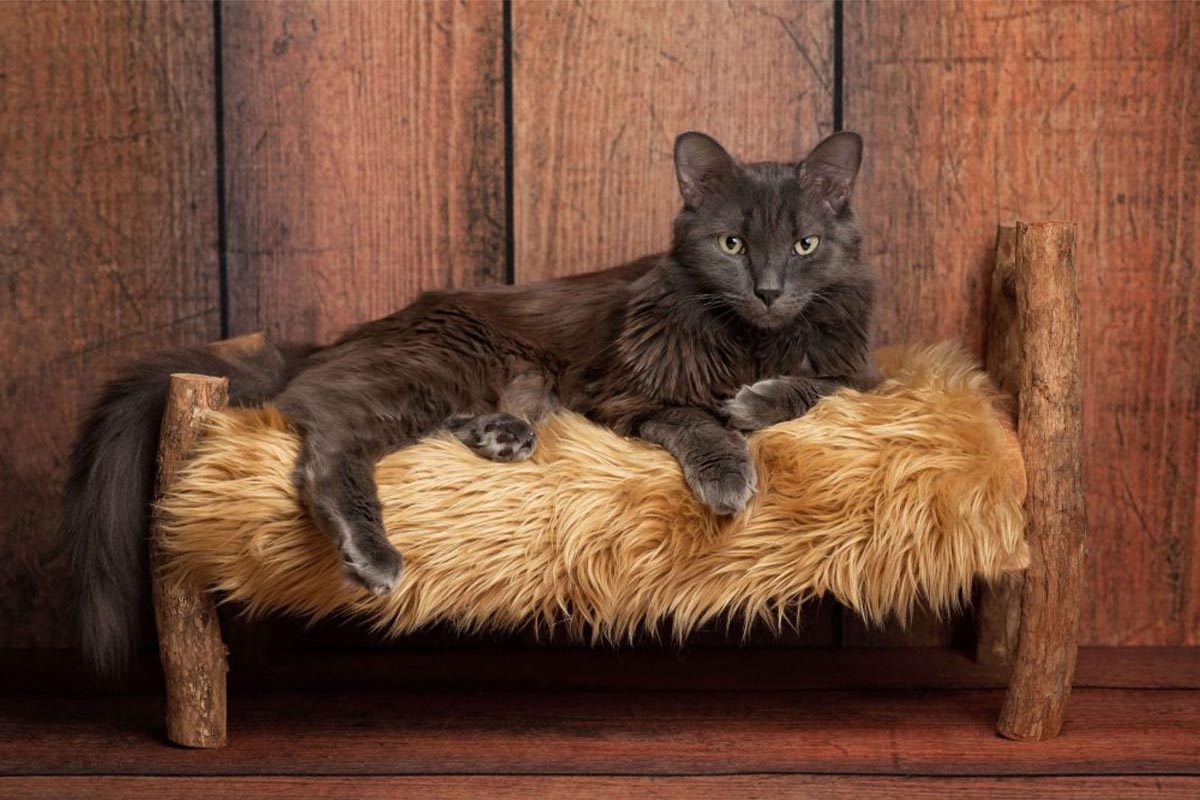
The Nebelung is a rare, semi-longhaired cat that resembles the Russian Blue cat in appearance but is considered a separate breed, and was developed in the USA in the 1980s. According to the breed history reported by TICA, the first cats' ancestry is directly based on a short-haired black house cat and a long-haired black cat resembling the Angora cat. The Russian Blue is a later accepted source of external crossbreeding in the development of the breed. Nebelung cats are medium-sized. They generally weigh between 3 and 7 kilograms and have a shoulder height of around 23–33 centimeters. Males are noticeably larger than females. They have a long and muscular body, and slender but strong legs. Their fur is tufted at the tail. The most talked-about aspect of the breed is, of course, its coat. It has only one color: blue. Here, "blue" refers to a grayish tone resulting from the genetic dilution of black pigment; although it may appear light gray to the eye, it is blue in cat terminology.
According to the breed history reported by TICA, the first cats' ancestry is directly based on a black short-haired house cat and a long-haired black cat resembling the Angora cat. The Russian Blue is a later accepted source of external mating in the development of the breed.
Nebelung cats are medium-sized. They generally weigh between 3 and 7 kilograms and have a shoulder height of around 23–33 centimeters. Males are noticeably larger than females. They have a long and muscular body and slender but strong legs. The fur on the tail part opens up like a tuft.
The most talked-about aspect of the breed is, of course, its coat. It has only one color: blue. Here, "blue" refers to a grayish tone resulting from the genetic dilution of black pigment; although it may appear light gray to the eye, it is blue in cat terminology.
There is a silvery coloration at the tips of the fur. The double-layered coat structure contains a dense undercoat beneath the silky outer hairs, and it can take up to two years for it to fully reach its adult appearance.
When looking at its face, its widely spaced, almond-shaped eyes are striking. In adults, eye color can vary from yellowish-green to vibrant green. Bright and deep green tones are more preferred in the breed standard.
Nebelung Cat Character and Temperament

The Nebelung is generally a docile, quiet, and calm cat. However, it doesn't show its affection immediately. It may take time for it to build trust and bond. According to PetMD, it may be shy around strangers and doesn't constantly chase after people seeking attention. On the other hand, it forms strong bonds with its family. Hiding or disappearing for a while when guests arrive is a common behavior.
It doesn't talk much during the day. It's also not expected to wake you up by meowing early in the morning. It likes to be near you. It may sit quietly a few steps away while you work or rest.
This calmness shouldn't be confused with laziness. The Nebelung is an extremely intelligent and playful breed. They enjoy climbing to high places, jumping, and especially playing fetch. Their intelligence makes it possible to teach them simple tricks and commands. Starting training in short sessions, in a positive tone and at a slow pace, will build their confidence.
Nebelungs like to maintain their established routine. Changes in feeding times, rearranging belongings, or the arrival of a new person in the house can cause short-term stress. Their shy behavior doesn't always mean they are cowardly. They need time to adjust to their new environment. When they feel safe, they show a loving and devoted character towards their family.
Is the Nebelung Cat Suitable for Home Life?

The Nebelung feels comfortable in a home where there is no constant movement and the daily routine is not frequently changed. It can also live in an apartment. However, it should not be considered a cat that spends the whole day on the couch. It needs areas to climb, short play sessions, and toys to play with on its own.
It generally doesn't mind a few hours of solitude. However, prolonged and frequent solitude throughout the day can create restlessness in some cats. Therefore, its quiet nature should not be interpreted as unlimited tolerance for loneliness.
Calmness is key in its relationship with children. It gets along better with older children who are gentle. It can avoid noisy and sudden contact. It is easier for it to adapt to calm cats. The process of introducing it to dogs should not be rushed.
How to Care for a Nebelung Cat?

Under normal circumstances, a long-haired cat requires less care than expected. However, establishing a regular routine regarding coat structure, dental health, and mental stimulation will maintain both the cat's appearance and health.
Nebelung Cat Coat Care
Nebelung cats shed, but the shedding is usually not heavy. Brushing their silky, double-layered coat once a week is often sufficient. Undercoats may shed more during seasonal changes such as spring. Increasing brushing during these periods helps reduce the amount of hair accumulating in the house and the amount of hair the cat swallows. A fine-toothed metal comb can be used to gently detangle the undercoat.
Nails should be trimmed as they grow, and ears should be checked weekly. If a bad odor, redness, or discharge is noticed, a veterinarian should be consulted. Mild discharge around the eyes can be cleaned with a damp, soft cloth. A different section of the cloth should be used for each eye. Cat eye care products can be used to clean the corners of the cat's eyes.
Nebelung Cat Oral and Dental Care
Dental disease is one of the most common health problems in cats; Nebelungs are as much at risk in this regard as other breeds. The most effective protection is to brush their teeth regularly with a cat-specific toothbrush and toothpaste.
Daily brushing is ideal. A routine performed at least once a week helps prevent gingivitis, also known as gum inflammation, and progressive gum disease. While some treats and foods can help mechanically remove plaque from teeth, they are not a substitute for regular brushing. Professional dental cleanings at intervals recommended by your veterinarian can also be part of the grooming routine.
Nebelung Cat Exercise Needs
Although the Nebelung may seem calm, it is an intelligent cat with a need for play, exploration, and movement. If it is not sufficiently stimulated mentally and physically, it can quickly become bored, less active, and prone to weight gain. Therefore, it should have toys to keep it occupied on its own during the day, and short play sessions with you should be added to its routine.
Furry sticks, small balls, reward puzzles, and climbing areas support its natural hunting behavior and help it use its energy in a healthy way.
Nebelung Kedisi Beslenmesi
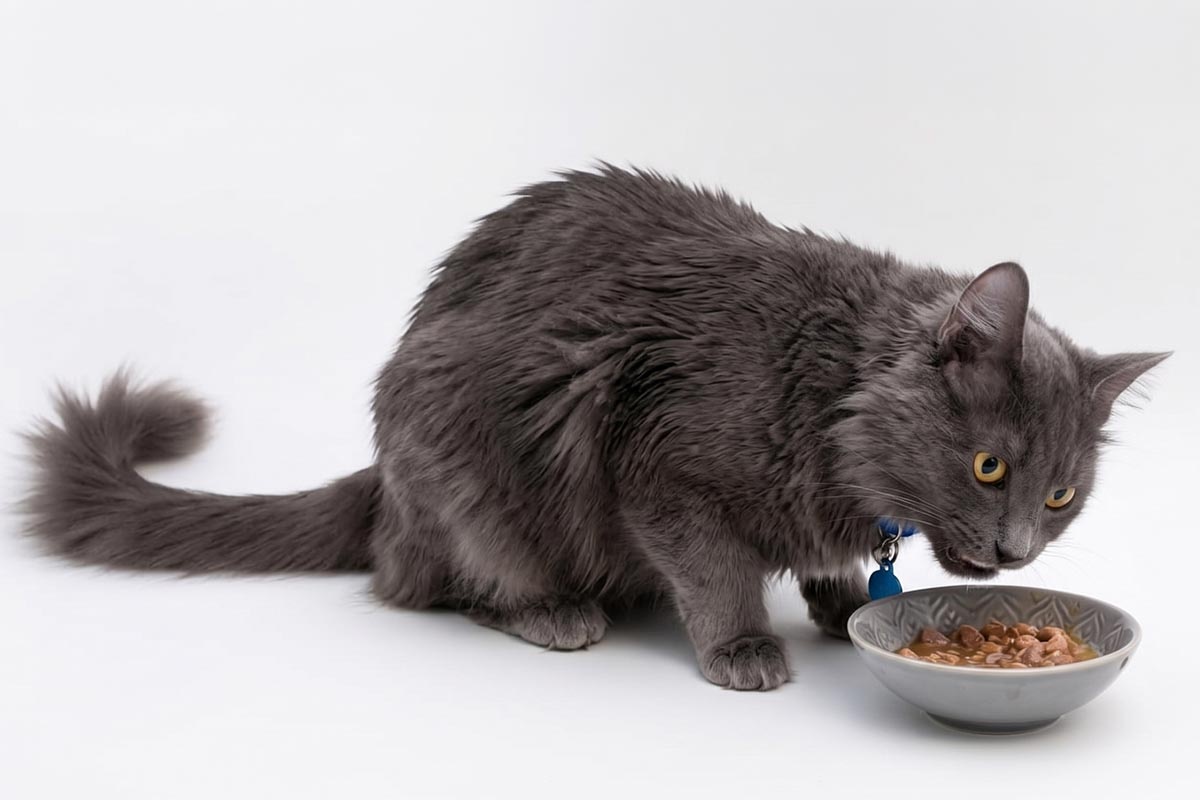
Cats are obligate carnivores. They must obtain certain nutrients such as taurine, arachidonic acid, and pre-formed vitamin A through their diet. The safest way to ensure a balanced diet for a Nebelung is to choose a complete and balanced cat food appropriate for its age.
The nutritional needs of kittens, adult cats, and senior cats differ, so the chosen food may need to be changed over time. Making food changes gradually can reduce possible digestive system complaints.
Diseases That Can Be Seen in Nebelung Cats
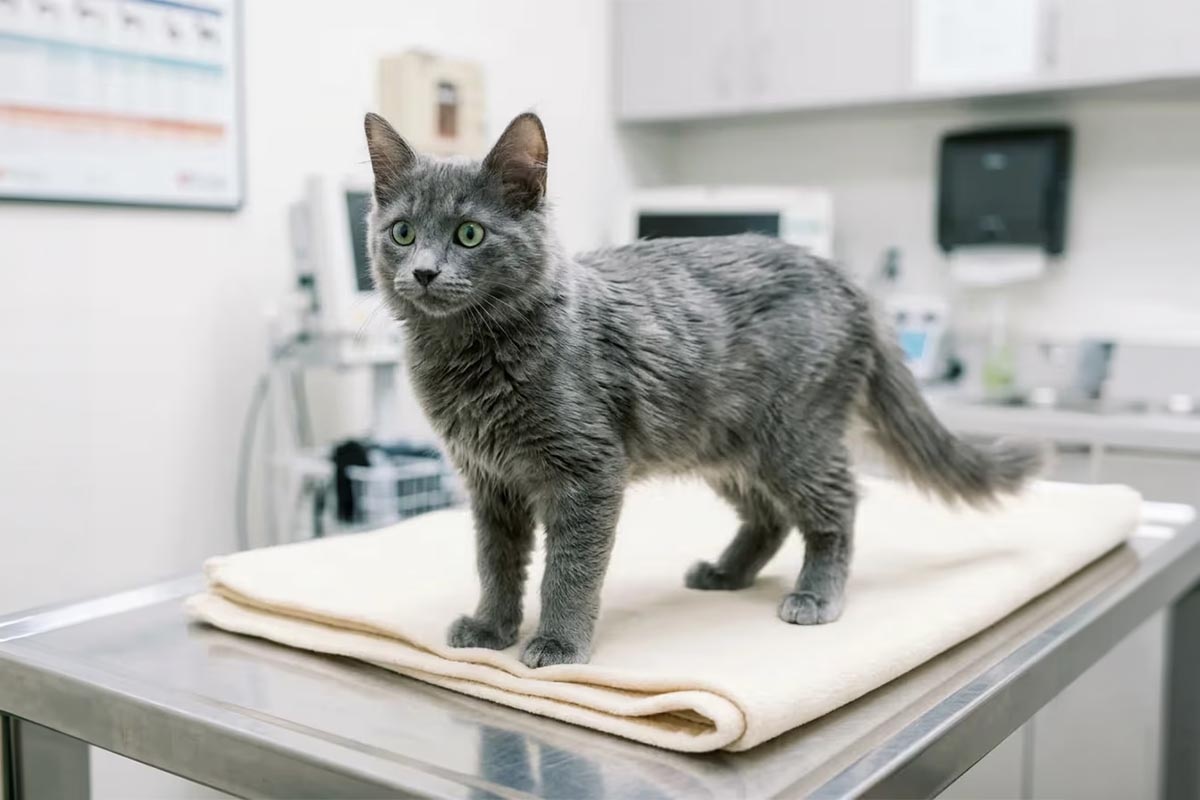
The Nebelung is generally considered a healthy cat breed. To date, there is no hereditary disease that has been directly and strongly defined as being associated with this breed. However, long-term health data is limited because the breed's history is relatively short.
Nebelung cats can also experience health problems such as dental diseases, kidney problems, urinary tract diseases, and obesity, which are seen in other cats. The main risk in the breed is a large appetite and the resulting weight gain. Regular weight monitoring, balanced nutrition, and veterinary check-ups are important in this regard.
Each symptom may stem from a different cause. A veterinarian should be consulted if any changes in appetite, weight, toilet habits, or activity level are noticed.
Obezite
Obesity is one of the most discussed health problems in this breed. The Nebelung's abundant appetite, combined with a sedentary lifestyle, can lead to excessive weight gain. Excess weight can cause various health problems. It's important to know that obesity is not a breed-specific disease.
Limiting rewards, measuring portion sizes, and increasing activity through regular play are the most effective preventative measures.
Spaying/neutering is a critical threshold in this context. After surgery, the cat's energy needs decrease while its appetite increases, which can accelerate weight gain. The MSD Veterinary Manual recommends portion-controlled, balanced feeding for neutered and inactive cats, keeping treats below 10% of daily calories. Dental Diseases More than half of cats over three years old experience dental and gum disease. The most common problems are gingivitis, advanced periodontal disease, and root resorption. Bad breath, difficulty chewing, putting paws in the mouth, and excessive drooling are some warning signs. However, the disease may not always show obvious signs. Regular oral checks and brushing help reduce the risk. A definitive assessment should be made by a veterinarian. Bladder Stones and Urinary Tract Problems Urinary tract diseases and bladder stones can occur in any cat. There is no proven, breed-specific predisposition to these problems for Nebelung cats. Therefore, this should be treated not as a disease specific to Nebelung cats, but as a general health risk that all cat owners should be aware of. Bladder stones can cause pain during urination, frequent urination to the litter box, producing small amounts of urine, and blood in the urine. If a stone or other blockage completely blocks the urethra, the cat cannot urinate. This can quickly become life-threatening. Caution: Male cats are more prone to complete urinary tract obstruction than female cats due to their narrower ureters. Neutering alone is not a proven cause of obstruction. Inability to urinate requires immediate veterinary intervention. If your cat frequently goes to the litter box, strains, but cannot urinate, seek veterinary attention immediately. Although complete blockage is less common in female cats, any change in urination habits should be taken seriously. Hairball and Digestive Risk Nebelung's semi-long and dense fur can cause it to swallow more hair while grooming itself. Some of the swallowed hair is expelled as hairballs from time to time. According to Cornell Feline Health Center, it is often considered normal for a cat to occasionally pass hairballs. A less common risk is that the hair accumulates in the stomach or intestines, blocking passage. This possibility may increase in long-haired cats and during periods of heavy shedding. Regular brushing is one of the most effective ways to reduce the amount of hair a cat swallows.
Dental Diseases
More than half of cats over three years old experience dental and gum disease. The most common problems are gingivitis, advanced periodontal disease, and root resorption. Bad breath, difficulty chewing, putting paws in the mouth, and excessive drooling are some warning signs. However, the disease may not always show obvious symptoms. Regular oral checks and brushing help reduce the risk. A definitive assessment should be made by a veterinarian.
Bladder Stones and Urinary Tract Problems
Urinary tract diseases and bladder stones can occur in any cat. There is no proven, breed-specific predisposition to these problems for Nebelungs. Therefore, the issue should be treated not as a Nebelung-specific disease, but as a general health risk that all cat owners should be aware of.
Bladder stones can cause pain during urination, frequent urination to the litter box, producing small amounts of urine, and blood in the urine. If a stone or other blockage completely blocks the urethra, the cat cannot urinate. This can quickly become life-threatening.
Caution: Male cats are more prone to complete urinary tract obstruction than female cats due to their narrower ureters. Neutering alone is not a proven cause of obstruction. The inability of a cat to urinate requires immediate veterinary intervention.
If your cat frequently goes to the litter box, strains, but cannot urinate, contact a veterinarian immediately. Although complete blockage is less common in female cats, any change in urinary habits should be taken seriously.
Hairball and Digestive Risk
The Nebelung's semi-long and dense fur can cause it to swallow more hair while grooming itself. Some of the swallowed hair is sometimes expelled as a hairball. According to the Cornell Feline Health Center, it is generally considered normal for a cat to occasionally pass hairballs.
A less common risk is that the hair can accumulate in the stomach or intestines, blocking passage. This possibility may increase in long-haired cats and during periods of heavy shedding. Regular brushing is one of the most effective ways to reduce the amount of hair a cat swallows.
Important: If you notice retching that doesn't yield results, significant lethargy, vomiting, or loss of appetite lasting longer than a day, consult a veterinarian.
Things to Know Before Adopting a Nebelung Cat
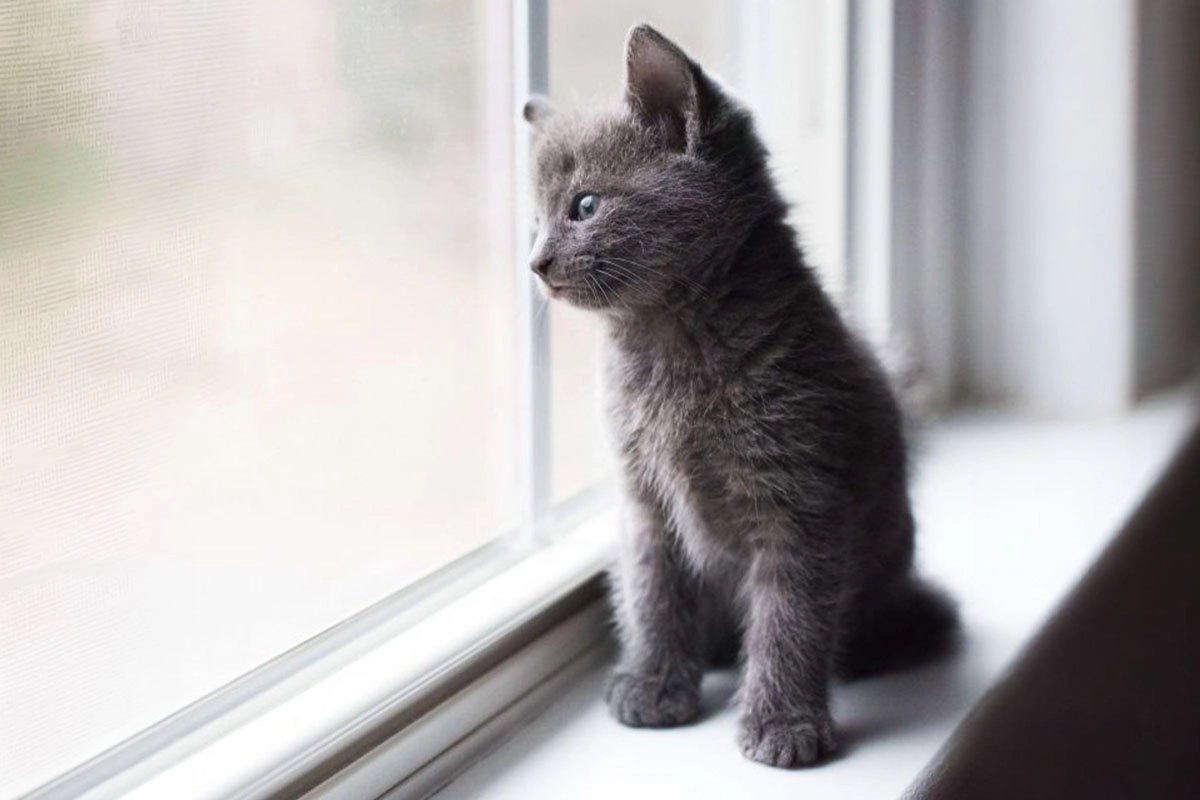
- Nebelungs adapt more easily to a quiet and orderly home life. They may be happier with patient, calm people who can give their cat time to build trust.
- They can be left alone for a few hours during the day. However, if prolonged solitude is to be part of the daily routine, attention, play, and environmental enrichment should not be neglected.
- In crowded and busy homes, they need a quiet space of their own. A safe corner where they can get away from the noise will facilitate the adaptation process.
- It shouldn't be expected to adapt to its new home immediately. Keeping it in a separate room for the first few days and gradually introducing it to the rest of the household offers a healthier start.
- Portion control is important as it may have a large appetite. Regular weight monitoring is a fundamental part of long-term care for this breed.
- Coat care is not overly demanding. Weekly brushing, teeth cleaning, and basic hygiene routines should be maintained regularly.
- It is a strong candidate for those looking for a calm, devoted, and orderly cat. However, it may not fully meet the expectation of a constantly active, very outgoing cat that adapts to any environment immediately.
Frequently Asked Questions

Is the Nebelung cat the same as the Russian Blue?
No. The Nebelung is a completely separate breed, resembling the Russian Blue in appearance. The main difference is coat length: the Russian Blue is short-haired, while the Nebelung is semi-long-haired. Because of this similarity, the Nebelung is sometimes referred to as the "long-haired Russian Blue".
Does a Nebelung cat fear strangers?
Nebelungs are shy around strangers and may hide from people they don't know. This is more part of the breed's cautious and observant nature than a fear disorder. Early socialization and allowing them to adapt to new situations at their own pace will soften this shyness. Once they gain trust, they become extremely warm towards their family.
Should a Nebelung cat go outside or live as a house cat?
The Nebelung is a breed very well-suited to living as a house cat and adapts well to apartment life. If it will live indoors, it needs toys to channel its intelligence and energy, high places to climb, and areas to explore. An enclosed, safe, and mentally enriching environment more than satisfies this cat's needs.
Does the Nebelung cat shed?
Generally, it is not considered a breed that sheds excessively. However, shedding may increase during seasonal changes, especially in spring. Regular brushing once a week is often sufficient; it is good to increase the frequency of brushing during shedding periods. Those with cat allergies should take this point into consideration.
Is the Nebelung cat hypoallergenic?
There is no such thing as a completely hypoallergenic cat breed, and the Nebelung does not fall into that category.
Can a Nebelung cat be left alone at home?
Thanks to its quiet and independent nature, the Nebelung is a breed that can be left alone for a certain period of time during the day. Separation anxiety is considered to be less common than in many other cats. However, prolonged loneliness is not preferable.
Does a Nebelung cat get along well with children?
The Nebelung gets along well with adults and older children. However, it tends to stay away from small and active children. The key to harmony is to teach children to treat the cat gently and calmly, and to supervise the interaction.
How long do Nebelung cats live?
Sources report estimated lifespan ranges of approximately 11–18 years for Nebelung cats. Breed-specific long-term health and lifespan data are limited. Lifespan is closely related to genetics, balanced diet, maintaining an ideal weight, and regular veterinary checkups. None of these alone are the sole determining factors; longevity depends on a combination of these factors.
Who are Nebelung cats suitable for?
They are suitable for people who lead a quiet, regular, and predictable life and can allow time for their cat to build trust. They can adapt to apartment living and single-cat households.
Kaynaklar
https://www.petmd.com/cat/breeds/nebelung
https://tica.org/breed/nebelung/
https://www.webmd.com/pets/cats/what-to-know-nebelung-cat
https://www.gccfcats.org/getting-a-cat/choosing/cat-breeds/nebelung/
https://www.dailypaws.com/cats-kittens/cat-breeds/nebelung
https://www.catster.com/cat-health-care/nebelung-cat-health-problems/
https://www.vet.cornell.edu/departments-centers-and-institutes/cornell-feline-health-center/health-information/feline-health-topics/danger-hairballs
https://www.vet.cornell.edu/departments-centers-and-institutes/cornell-feline-health-center/health-information/feline-health-topics/feline-lower-urinary-tract-disease
https://www.vet.cornell.edu/departments-centers-and-institutes/cornell-feline-health-center/health-information/feline-health-topics/chronic-kidney-disease
https://www.msdvetmanual.com/management-and-nutrition/nutrition-small-animals/feeding-practices-in-small-animals
Advertisement
Advertisement
Keep exploring
Continue reading

Cat Care
Is My Cat Coughing or Trying to Pass a Hairball?
Seeing your cat crouch down, stretching its neck, and trying to expel something with a strange sound can be unsettling.
Read guide →
Cat Care
York Chocolate Cat Characteristics, Care and Temperament
With its dark brown fur, watchful eyes, and observant demeanor, the York Chocolate is a cat that sparks curiosity at first sight.
Read guide →
Cat Care
Tiffanie Cat Characteristics, Care and Temperament
Silky fur, on its neck With its frilly mane and large, curious eyes, the Tiffanie cat immediately catches the eye.
Read guide →
Cat Care
Snowshoe Cat Characteristics, Character and Care
The Snowshoe cat is a unique breed developed by the controlled mating of Siamese cats and American Shorthair cats.
Read guide →