Neutering Dogs from A to Z: Before, After, and Cost of Neutering
While you want to protect your dog's health and ensure its long-term well-being, some decisions can be more complex than others. Neutering dogs is one such issue at the heart of this indecision.

Advertisement
While you want to protect your dog's health and ensure its long-term well-being, some decisions can be more complex than others. Neutering dogs is one such issue at the heart of this indecision. On one hand, there's the advantage of reducing potential health risks and behavioral problems; on the other, there's the idea of surgery and the post-operative care process… The concerns of both sides are real and understandable.
In this article, we address all aspects of the neutering process in dogs in a simple and explanatory language. You can find answers to many questions you may have, from post-neutering dog care to how the surgery is performed, when it should be preferred, the recovery period, and nutritional needs.
What is Neutering in Dogs?

Neutering in dogs can be briefly defined as the process of permanently eliminating a dog's reproductive capacity through surgical intervention. In female dogs, this procedure is usually performed by removing the ovaries (ovariectomy) or both the ovaries and uterus (ovariohysterectomy). In male dogs, the testicles are removed (orchiectomy). Both procedures are performed under general anesthesia by professional veterinarians.
Beyond aiming to prevent uncontrolled breeding, dog neutering surgery provides many health and behavioral benefits aimed at improving the quality of life of dogs. It is also considered an important public health measure in terms of controlling the stray animal population in society.
Although some owners consider neutering an unnatural intervention, in modern veterinary medicine this operation is seen as a preventive health service.
Benefits of Dog Neutering

Dog neutering helps prevent serious health problems regardless of gender. A lesser-known benefit is behavioral changes. When the desire to mate is suppressed in dogs, there is a significant reduction in problems such as the tendency to run away, marking behavior, and restlessness during estrus. The benefits of neutering dogs can be listed as follows:
Prevention of Reproductive Organ Diseases
With dog neutering, the likelihood of life-threatening diseases such as uterine inflammation called pyometra and mammary tumors in female dogs is reduced. In male dogs, it is possible to eliminate the risk of testicular tumors, prostate enlargement, and some types of anal tumors. You can find important information in our article on Prostate in Dogs: Causes, Symptoms and Treatment.
Reduction in Behavioral Problems
Hormone production decreases in neutered dogs. This helps prevent mating urges, territorial marking, excessive barking, restlessness, and aggressive behavior in dogs. A significant decrease in wandering tendencies and conflict behaviors towards other dogs is observed, especially in male dogs. This improves adaptation in apartment living and crowded social environments.
Lifespan and Cost Advantage
As stated in the VCA Hospitals source, long-term veterinary expenses may decrease and average lifespan may increase in neutered dogs. Especially when performed at a young age, these operations prevent future health problems, improving the dog's quality of life and providing an economic advantage for owners.
Disadvantages of Dog Neutering

As with any medical procedure, neutering surgery carries some risks for the dog. Complications related to anesthesia, difficulties in weight control, and effects related to hormonal changes may occur. Weight gain may occur due to a slowed metabolism; this can be balanced with the dog's diet after neutering. Urinary incontinence may also rarely occur in female dogs.
The possible risks of neutering in dogs can be listed as follows:
Risks Related to Anesthesia and Surgery
As with any medical procedure, neutering surgery carries certain risks for the dog. Every operation performed under anesthesia carries a risk of complications depending on age and general health condition. Pre-operative examination should be performed much more carefully, especially in elderly, obese, or chronically ill dogs.
Slowed Metabolism and Weight Gain
In some dogs, the metabolic rate may decrease after surgery. This can usually be controlled when the dog's diet is properly planned after neutering. Veterinarians state that it is possible to maintain the ideal weight with low-calorie foods and measured portions. A regular exercise routine is also supportive.
Obesity in dogs is a health problem that can trigger many different health problems and also reduce the dog's quality of life. For detailed information, you can click here.
Hormonal Side Effects and Urinary Incontinence
In addition, some female dogs may experience urinary incontinence due to changes in hormone levels. This is usually a manageable condition with medical treatment. You can find information on this topic in our content on the Causes and Treatment Methods of Urinary Incontinence in Dogs.
Like all surgical operations, neutering in dogs can lead to various complications, but it should be remembered that the risks associated with neutering are quite low when performed under the supervision of a veterinarian and with proper planning, considering the long-term health benefits.
How is Neutering Surgery Performed in Dogs?
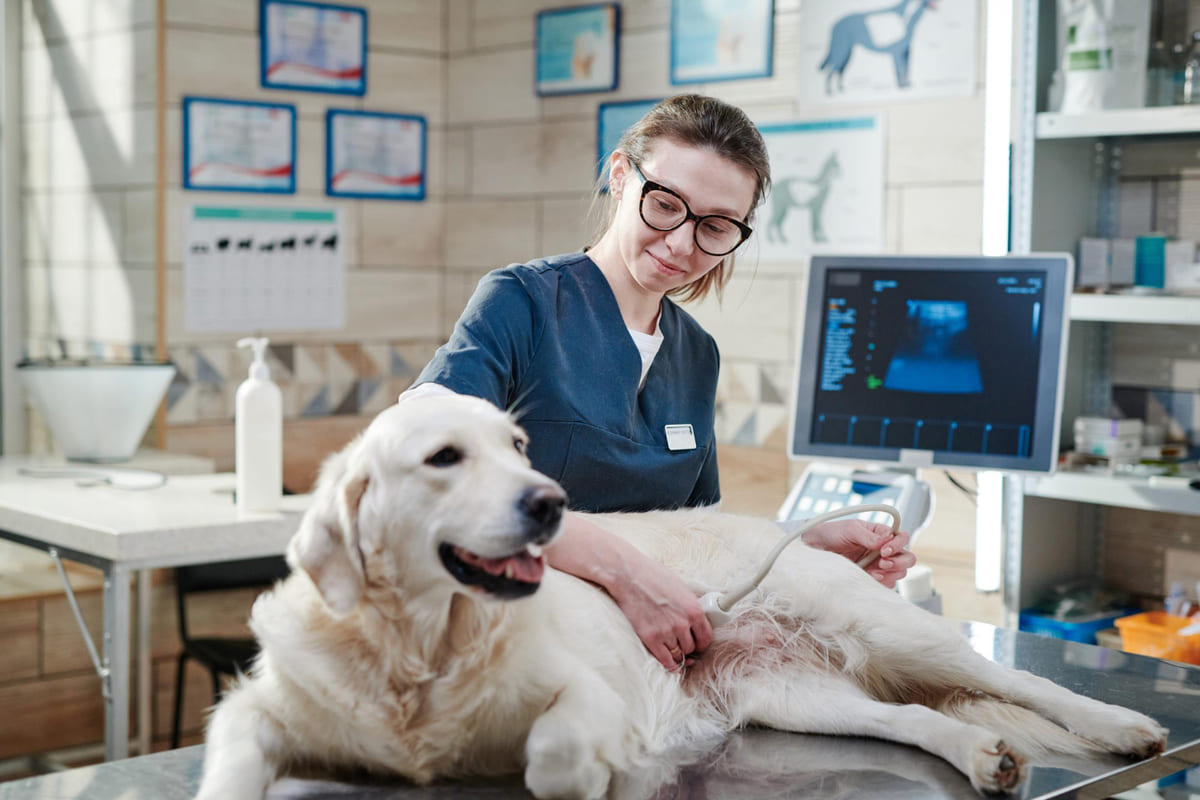
Before the operation, the dog's general health should be assessed, and blood tests and examinations should be performed. The sterilization procedure is performed in a sterile operating room environment under general anesthesia. The duration of the operation and the recovery process vary depending on the gender and the surgical technique chosen.
In female dogs, the ovaries or both the ovaries and the uterus are usually removed through an incision in the abdominal region. This procedure usually takes 45–60 minutes. In male dogs, the testicles are removed through a small incision in the scrotum; this procedure is shorter and usually requires fewer stitches.
Post-operative stitches are either made of dissolvable material or placed superficially to be removed after 10–14 days. During this period, hygienic care, pain medication, and rest are of great importance for the healing process.
How is a Female Dog Spaying Operation Performed?
Female dog spaying surgery is an invasive surgery performed by opening the abdominal cavity. Under general anesthesia, the veterinarian makes a small incision in the abdominal area and removes the ovaries or, in some cases, the uterus completely. This method is called "ovariectomy" or "ovariohysterectomy" and usually takes 45–60 minutes. Post-operative pain control and suture care are extremely important.
After spaying surgery, the hormonal balance of the female dog changes. The menstrual cycle ends in female dogs, and the desire to mate and related behaviors disappear. In the first few days after the operation, the dog may be lethargic and may not want to move. During this period, it should be allowed to rest in a quiet, warm, and clean environment. Providing dog beds will be of significant benefit in maximizing comfort specific to this period. As stated in the source
As stated in the Clinicala Veterinaria source, early sterilization in female dogs plays a significant role in preventing future mammary tumors and uterine diseases.
How is Male Dog Sterilization Surgery Performed?
Male dog sterilization is the surgical removal of the testicles. The testicles are removed through a small incision made in the scrotum, or testicular sac. This procedure takes less time than female dog sterilization, and the recovery period is generally faster. The surgery takes an average of 20-30 minutes.
After the operation, various behavioral changes may be observed in male dogs due to the decrease in testosterone levels. Aggression and territorial marking behavior tend to decrease in dogs. The mating urge is largely suppressed, which helps reduce escape attempts.
Things to Consider Before Dog Neutering Surgery

The process before neutering a dog is critically important for the success of the operation and the health of the dog. First, a general examination should be performed by a veterinarian. The general assessment should take into account the dog's breed, age, weight, and current health status. Blood tests and imaging methods are used if necessary.
It is usually requested that the dog be fasted for 8-12 hours on the day of the operation. Fasting before the operation is to prevent stomach contents from entering the lungs during anesthesia. At the same time, the dog should have completed its current vaccinations and parasite treatments. Surgery is not recommended for female dogs during their menstrual period.
According to the Mendocino County Animal Services source, it is a valuable step for both the dog and the owner to share their concerns with the veterinarian before the operation and learn about the entire process in advance to reduce stress.
What Should Be Considered After Neutering Dogs?

The recovery process after neutering a dog takes approximately 10-14 days. During this period, the dog should be kept away from excessive movement, and a protective collar should be worn to protect the stitches. You can find information about this accessory in our article "What is an Elizabethan Collar Used in Cats and Dogs?". Keeping the stitches dry is critical to reducing the risk of infection.
The dog's behavior should also be carefully observed after neutering surgery. Fatigue, loss of appetite, and inactivity are considered normal during the first few days. However, symptoms such as high fever, severe pain, excessive redness or discharge at the stitches may indicate an infection. In this case, a veterinarian should be consulted immediately. As stated in The Kennel Club source, if proper post-operative care is not provided, the healing process may be prolonged and the risk of complications may increase. Therefore, the prescribed medications should be administered regularly and the veterinarian's instructions should be followed precisely. When Should Dogs Be Neutered/Spay ... According to veterinary recommendations from the American Kennel Club (AKC), neutering small breed dogs (those weighing less than 20 kilograms as adults) is generally considered appropriate between 6 and 9 months of age. Since the dog has not yet reached full maturity at this age, both surgical risks are lower and the protective health effects are more pronounced. For medium and large breeds, the development process takes longer, so neutering may be postponed to a later age. For male dogs, neutering is generally recommended between 12 and 18 months of age. In female dogs, neutering before their first heat cycle can be effective in reducing the risk of mammary tumors. Surgery is not recommended during menstruation because the uterus receives more blood flow, increasing the risk of complications. As also stated in the PDSA source, some veterinarians find it appropriate to postpone the operation until hormone levels stabilize after menstruation. The dog's age, health status, and lifestyle should be considered together in this decision-making process.
As stated in The Kennel Club source, if proper post-operative care is not provided, the healing process may be prolonged and the risk of complications may increase. Therefore, the prescribed medications should be administered regularly and the veterinarian's instructions should be followed precisely.
When Should Dogs Be Neutered?

When should neutering be done in dogs? The answer to that question depends on many factors, including the dog's age, breed, size, and overall health.
According to veterinary recommendations from the American Kennel Club (AKC), neutering small breed dogs (those weighing less than 20 kilograms as adults) is generally considered appropriate between 6 and 9 months of age. Since the dog has not yet reached full maturity at this stage, both surgical risks are lower and the protective health effects are more pronounced.
In medium and large breeds, the neutering age can be slightly later because the development process takes longer. For male dogs, neutering is generally recommended between 12 and 18 months of age.
In female dogs, neutering before their first heat cycle can be effective in reducing the risk of mammary tumors. Surgery is not recommended during menstruation because the uterus is more vascularized, increasing the risk of complications. As stated in the PDSA source, some veterinarians find it appropriate to postpone the surgery until hormone levels stabilize after menstruation. The dog's age, health status, and lifestyle should be considered together in this decision-making process. If there is redness, discharge, or excessive swelling at the wound site, contact a veterinarian immediately. If the stitches are removable, they are usually taken out around the 10th day. If they are dissolvable, they are monitored and allowed to dissolve naturally. What Factors Affect Dog Sterilization Prices?
However, some veterinarians state that sterilization, especially in large breed female dogs, before bone and joint development is complete may lead to orthopedic problems later on.
The correct timing should be determined through individual assessment with a veterinarian. There is no "single right age for sterilization in dogs" because each dog's development and health history are different. The important thing is that the decision-making process is planned in a way that protects both the dog's welfare and long-term health.
Frequently Asked Questions About Sterilization in Dogs
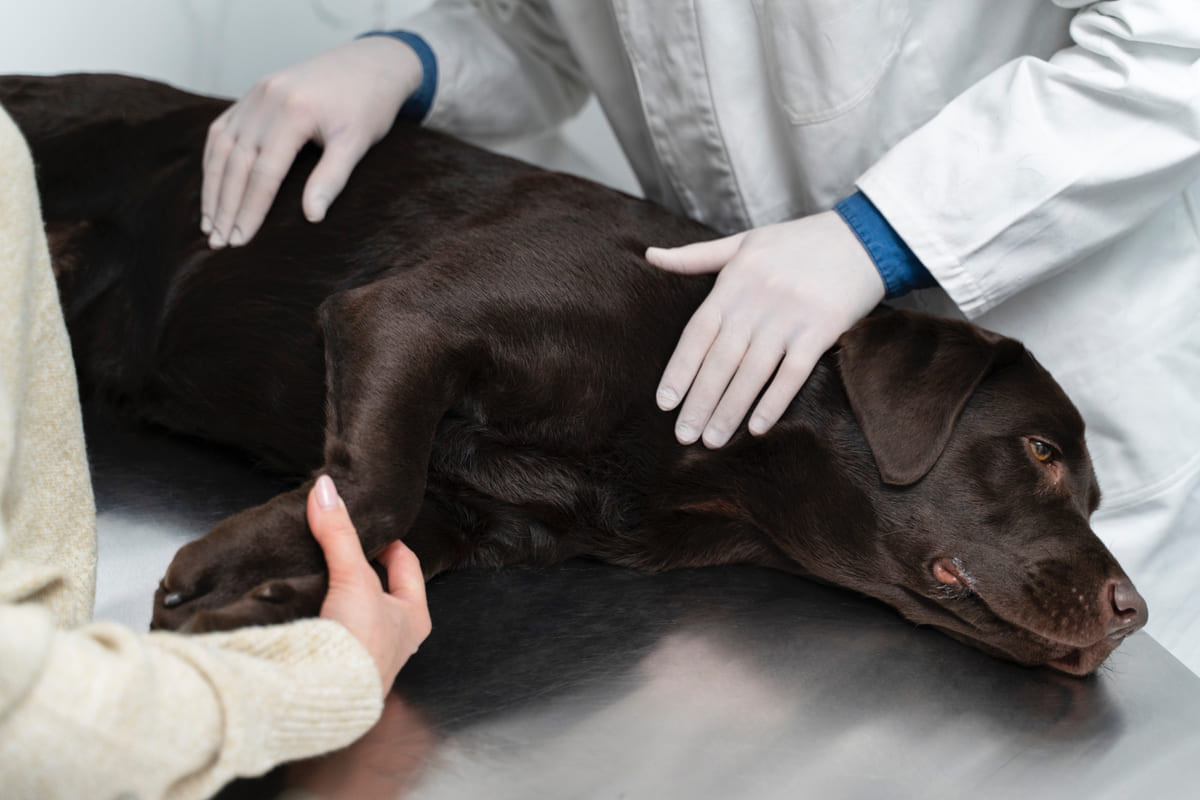
Owners often have many questions about sterilization in dogs, such as the risks of the operation, recovery time, cost, and the effect of hormonal changes on the dog's behavior. In this section, you can find detailed answers to the most frequently asked questions about neutering.
Does a Neutered Dog Menstruate?
After a female dog's neutering operation, the menstrual cycle completely ends. Since the ovaries and/or uterus are surgically removed, the body stops producing estrogen, thus eliminating signs of estrus. Typical estrus behaviors such as bleeding, vulvar swelling, and interest in male dogs are no longer seen.
This not only changes the dog's hormonal structure but also prevents the stress and behavioral imbalances experienced during menstruation in dogs. From the dog owner's perspective, cleaning, stool control, and other hygienic challenges are also eliminated.
Does a Neutered Dog Mate?
Physiologically, dogs lose their ability to mate after neutering. Male dogs cannot produce sperm because their testicles are removed. In female dogs, fertilization is not possible because the menstrual cycle ends. However, some dogs may exhibit behavioral mating-like movements. These reflexes may be habits or social interactions mixed with play.
The desire to mate in dogs decreases over time as hormone levels drop. Especially in male dogs, some habits may persist for the first few months. Patience is needed during this transition period, and positive reinforcement methods should be applied to correct unwanted behaviors.
How Many Days Does it Take for a Neutered Dog to Recover?
There are many different variables that can affect the answer to this question. The recovery time after neutering a dog generally ranges from 10 to 14 days. While this period may be shorter in male dogs, female dogs may require careful care as the surgery is more invasive. For the first few days, the dog should rest, activity should be restricted, and the wound area should be carefully monitored. If there is redness, discharge, or excessive swelling at the wound site, a veterinarian should be contacted immediately. If the stitches are removable, they are usually removed around the 10th day. If they are dissolvable, they are monitored and allowed to dissolve naturally. What Factors Affect Dog Neutering Prices? The price of dog neutering varies depending on several factors. The most decisive factors include the city where the operation is performed, the equipment of the veterinary clinic, and the experience of the veterinarian. Prices are generally higher in fully equipped clinics operating in large cities.
If there is redness, discharge, or excessive swelling at the wound site, contact a veterinarian immediately. If the stitches are removable, they are usually taken out around the 10th day. If they are dissolvable, they are monitored and allowed to dissolve naturally.
What Factors Affect Dog Sterilization Prices?
The price of dog neutering varies depending on several factors. The most decisive factors include the city where the operation is performed, the equipment of the veterinary clinic, and the experience of the veterinarian. Prices are generally higher in fully equipped clinics operating in large cities.
The dog's gender is also an important factor affecting the price. Female dog sterilization is generally more expensive than male dogs because it requires a more complex and lengthy surgical procedure. The anesthesia and medication dosages used also affect the price depending on the dog's weight and age.
In some countries and regions, low-cost sterilization campaigns are organized by animal welfare associations or municipalities.
Is Dog Sterilization Harmful?
When performed with proper age and health assessment, dog sterilization is generally safe and beneficial. However, like any surgical procedure, it carries some risks. Allergic reactions to anesthesia, wound infections, or complications during the healing process may occur.
Long-term effects include weight gain due to hormone deficiency, urinary incontinence in female dogs, or slowed metabolism. However, these effects can often be controlled with dietary adjustments and medical support. The risk of neutering is significantly reduced under the supervision of a veterinarian.
What Happens If I Don't Neuter My Dog?
If a dog is not neutered, various problems can arise at both individual and societal levels. Unwanted pregnancies may occur in female dogs. This increases the animal population in shelters and leads to a rise in the number of puppies struggling to survive on the streets. Unneutered female dogs also have a higher risk of serious health problems such as uterine infections and mammary tumors.
In male dogs, problems such as testicular tumors, prostate enlargement, and aggression may occur. Especially hormonal aggression and attempts to escape due to mating desire in dogs can pose serious safety risks. At the same time, unwanted behaviors and noise problems increase in apartment living.
In Which Cases Is Neutering Surgery Not Performed?
Neutering is a safe procedure for most healthy dogs. However, in some special cases, this operation is not recommended. One of the most common reasons is when the dog has a serious chronic illness. Conditions such as serious heart diseases like heart failure, advanced kidney disease, or liver dysfunction increase the risk of anesthesia, so the operation may be postponed or canceled altogether.
Being excessively underweight or overweight is also a reason for postponing the operation. The risk of complications under anesthesia is higher in such metabolic imbalances. In female dogs, surgery may not be considered appropriate during menstruation or if pregnancy is suspected. In such cases, it is recommended that the operation be performed after hormone levels have returned to normal. In our article "Pregnancy in Dogs: Duration, Stages, Symptoms and How to Recognize It?", you can find important information about pregnancy in dogs. As stated in PetMD, the correct timing and pre-examination for neutering are vital. This minimizes potential risks and prioritizes the dog's safety. Should I Take My Dog to the Vet After Neutering? How Often Should I Take Them? Yes, post-neutering check-ups should not be neglected. The first 24-48 hours after the operation are considered critical. If excessive bleeding, signs of infection, or problems with the stitches are noticed during this period, a veterinarian should be contacted immediately. The first routine check-up is usually done on the 3rd or 5th day after the operation.
As mentioned in PetMD, correct timing and pre-examination are vital for neutering. This minimizes potential risks and prioritizes the dog's safety.
Should I Take My Dog to the Vet After Neutering? How Often Should I Take Them?
Yes, post-neutering check-ups should not be neglected. The first 24-48 hours after the operation are considered critical. If excessive bleeding, signs of infection, or problems with the stitches are noticed during this period, a veterinarian should be contacted immediately. The first routine check-up is usually done on the 3rd or 5th day after the operation.
If the stitches are not dissolvable, they are removed by the veterinarian approximately 10 days after the operation. During these check-ups, the dog's general condition, wound healing, and behavioral responses are observed. Careful observation by owners and adherence to veterinarian instructions are particularly important during the post-neutering dog care process.
Post-neutering check-ups are critical opportunities not only for physical recovery but also for assessing the dog's overall health. These check-ups are effective in preventing long-term complications.
How Do Neutered Dogs' Behaviors and Nutritional Needs Change?
After neutering, changes occur in dogs' hormone levels. These changes can directly affect the dog's behavior. Aggressiveness may decrease, and the desire to roam and mate-seeking behavior may disappear. Restlessness, excessive barking, or dominant behaviors may also decrease.
In dogs that become calmer, more compliant, and more social, energy levels may decrease slightly. Therefore, their diet should be replanned. Post-neutering dog nutrition should be supported with low-calorie and protein-balanced foods. Meal sizes should be adjusted according to the dog's age and activity level. Choosing from among high-quality dog foods remains important, as always.
The nutrition of neutered dogs should be replanned. The renewed nutrition plan must be considered together with an exercise plan. In this way, it is possible to maintain the ideal weight of the dogs and support their health.
Is There a Possibility of My Dog Dying After Neutering?
Sterilization is a very safe procedure when performed by a veterinarian under appropriate conditions. However, as with all surgical procedures, there is a small risk of complications. This risk is usually related to allergic reactions to anesthesia, excessive bleeding, or infection.
The risk of death is very low and is generally below 0.05%. This rate is even lower in young, healthy dogs that have undergone pre-operative examination. The risk of sterilization is minimized with proper preparation, an experienced veterinarian, and sterile operating room conditions.
This risk is kept under control with pre-operative blood tests, anesthesia planning, and careful monitoring. Owners' attention to the post-operative care process ensures the dog's safe recovery.
Does Sterilization Surgery Extend a Dog's Life?
Yes, studies show that neutered dogs have a longer average lifespan. The reduced risk of serious diseases such as uterine infections, testicular tumors, and mammary cancer positively impacts their quality and lifespan. The decrease in risky behaviors like roaming and fighting also reduces the likelihood of traumatic injuries.
When Can Dogs Return to Normal Activities After Neutering Surgery?
Dogs can usually return to their normal activities within 10 to 14 days after the operation. However, during this time, activities such as jumping and running should be avoided, and they should be allowed to rest to prevent damage to the stitches. Unless otherwise specified by the veterinarian, physical exertion other than short walks is not recommended during this period.
Is Neutering Surgery Painful in Dogs?
Since the surgery is performed under general anesthesia, the dog does not feel pain during the procedure. Although mild pain and sensitivity may be experienced after the operation, veterinarians usually prescribe pain medication. With proper care and medication, the dog's comfort is ensured and pain is minimized.
Do Dogs Gain Weight After Neutering?
Yes, due to a slower metabolism, dogs may become more prone to weight gain after neutering. However, this can be easily controlled with a balanced diet and regular exercise. Feeding them low-calorie food as recommended by a veterinarian helps them maintain a healthy weight.
Kaynaklar:
https://www.avma.org/resources-tools/pet-owners/petcare/spaying-and-neutering
https://www.petmd.com/dog/general-health/what-to-know-before-spaying-or-neutering-dog
https://iadopt.in/dog-sterilization-everything-you-need-to-know/
https://tevavetclinic.co.za/2022/06/23/to-sterilize-or-not-to-sterilize/
https://www.pdsa.org.uk/pet-help-and-advice/pet-health-hub/other-veterinary-advice/dog-neutering-a-guide-to-castration-and-spaying
https://vcahospitals.com/know-your-pet/spaying-in-dogs
https://clinicalaveterinaria.it/en/female-dog-sterilization-when-how-and-why-all-the-benefits/
https://www.riverwoodpetfood.com/en/castration-and-sterilization-in-dogs
https://www.mendocinocounty.gov/government/animal-care-services/spay-neuter-benefits
https://www.thekennelclub.org.uk/health-and-dog-care/health/health-and-care/a-z-of-health-and-care-issues/neutering-a-dog-castrating-and-spaying/
https://www.akc.org/expert-advice/vets-corner/neutering-spaying-right-age-dog/
Advertisement
Advertisement
Keep exploring
Continue reading

Dog Lifestyle & Guides
The Unseen Risks of Excess Weight in Small Breed Dogs
Small breed Weight gain in dogs sometimes progresses unnoticed. Extra food added to the food bowl, treats given during the day, food offered from the…
Read guide →
Dog Lifestyle & Guides
Dental Health and Its Importance in Dogs
Dental health in dogs is often Bad breath doesn't become a concern until it's noticed. However, the problem often begins before the odor: Plaque…
Read guide →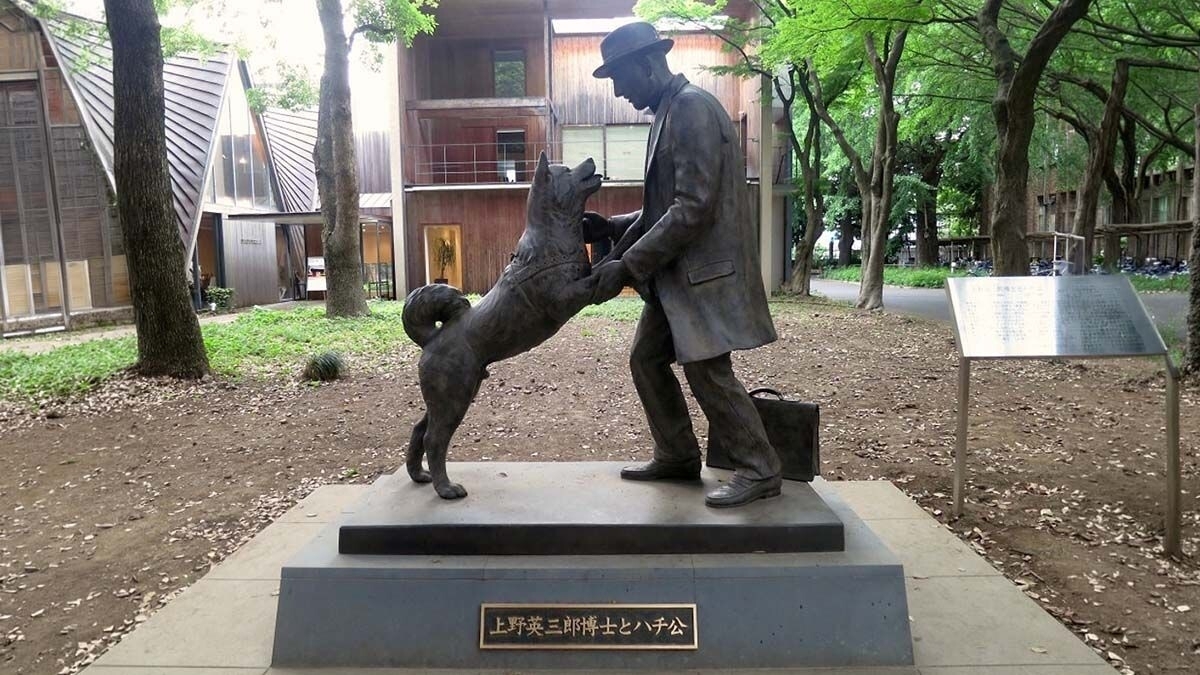
Dog Lifestyle & Guides
Hachiko: The True Story and Monument of the Dog Symbolizing Loyalty
The crowd gathered in front of the Hachiko statue in Shibuya shows that a wait that began years ago is not forgotten today.
Read guide →
Dog Lifestyle & Guides
Nasal Discharge in Dogs
If your dog has a runny nose, the first question that usually comes to mind is: Is this normal, or is there something I should be concerned about?
Read guide →