Osteosarcoma in Dogs
Bone cancer in dogs is considered one of the most common types of cancer, especially in large and giant breeds. Osteosarcoma is known as the most common type of bone cancer. In this article, you can find answers to the most frequently asked questions about osteosarcoma in dogs.

Advertisement
Bone cancer in dogs is considered one of the most common types of cancer, especially in large and giant breeds. Osteosarcoma is known as the most common type of bone cancer. In this article, you can find answers to the most frequently asked questions about osteosarcoma in dogs.
What is Osteosarcoma in Dogs?
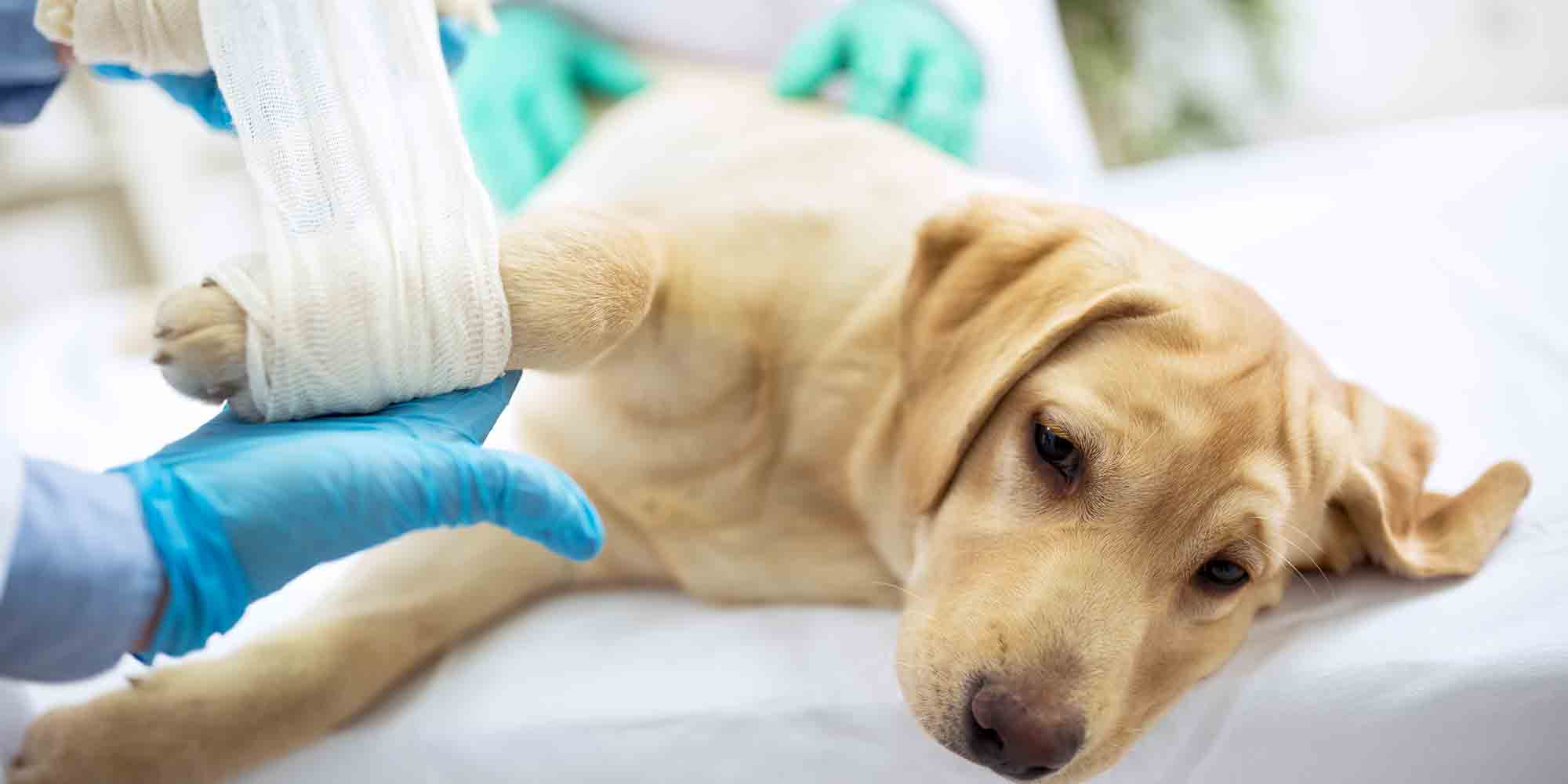
85% of bone cancers in dogs are osteosarcomas. Osteo means bone and sarcoma means cancer. Osteosarcoma is an extremely aggressive type of tumor and causes painful destruction of the bone tissue in which it occurs. Osteosarcoma is usually found in the bones that make up the limbs. However, it can also occur in the skull, rib cage, spine, and pelvic bones. Osteosarcoma can metastasize to the lungs. It is generally seen in middle-aged and older dogs. However, bone cancer can also occur at a young age in large breed dogs. The tumor that occurs inside the bone grows outwards, destroying the bone from the inside. This causes a very painful process. If the tumor occurs in the feet, lameness occurs in the limb. This lameness can last from 1 to 3 months or can be permanent. Over time, swelling in the affected bone becomes visible. The bone where the tumor occurs is not as strong as normal bone and therefore can easily fracture. This type of fractured bone is called a pathological fracture and is considered a finding that confirms the diagnosis of a bone tumor.
What are the Symptoms of Osteosarcoma?
Symptoms of bone cancer in dogs vary depending on the location of the tumor, its stage, or metastasis. Over time, a soft or hard swelling develops in the bone where the tumor occurs. Because these tumors break down healthy bone from the inside, they cause a lot of pain. Limb tumors cause lameness. As the condition progresses, symptoms such as irritability, loss of appetite, weight loss, sleeplessness, and immobility also appear. In some dogs, a fracture occurs due to the weakening of the bone over time, and in this way, an osteosarcoma diagnosis can be made. Other symptoms vary depending on the location of the tumor and the underlying tissues.

How is Bone Cancer Diagnosed in Dogs?
In dogs suspected of having bone cancer, a physical examination is performed first. Swelling occurs in the bone where the tumor is located. In addition to the physical examination, blood tests, X-rays, and bone scans may be performed to check for spread to other areas. In some cases, fine needle aspiration or biopsy is performed. Osteosarcoma in dogs often metastasizes to the lungs. A PET-CT scan is performed to determine if spread has occurred. If the dog's age, breed, location of the tumor, and appearance indicate osteosarcoma, amputation may be performed directly without a biopsy. Diagnosis and cancer staging are crucial for two reasons. Firstly, it is necessary to determine the type and extent of the tumor. The tests performed for diagnosis also provide information about the dog's general health. Accordingly, it becomes possible to identify any concurrent medical, bone, joint, nerve, or spinal problems that may affect treatment recommendations.

How is Osteosarcoma Treated in Dogs?
Treatment for osteosarcoma in dogs is generally divided into two categories. The first is treating the cancer itself. The second is controlling the pain caused by the cancer. Some treatment methods address both requirements. Successfully treating the pain allows the dog to live a comfortable and long life. Pain is controlled in two ways: amputation and palliative radiotherapy. Palliative radiotherapy is usually performed periodically with bisphosphonate infusion. Amputation is one of the best options when the cancer is in only one leg and has not spread to other locations. However, in cases where rheumatism is present and the cancer has spread to other legs or the lungs, radiotherapy is preferred over amputation.
Amputation
Amputation eliminates pain completely because the cause of the pain is the cancerous limb. The decision to amputate is a difficult one, but while the loss of a leg in humans significantly reduces mobility, dogs, being four-legged, do not experience a similar effect. There is no change in running and playing after a leg is amputated. However, some problems may be seen only in cases of rheumatism. In humans, it is quite difficult to get used to the appearance after a leg is removed, and this has a social impact. Dogs, on the other hand, are not conscious of their appearance and therefore do not feel any discomfort about their appearance after amputation. What is important here is for the household to get used to the new situation.
Lameness Surgery
Lameness surgery is a treatment method adapted from humans to dogs. To preserve the limb and avoid amputation, the tumorous bone is removed. A bone graft is then implanted, or the remaining bone is regrowth using a technique called osteogenesis. However, when more than 50% of the bone or surrounding muscle tissue is affected by the tumor, it is not possible to perform a claudication surgery. The claudication surgery is not very successful when the tumor occurs in the hind limbs. Furthermore, bone infection, implant failure, tumor recurrence, and fractures can occur after claudication surgery. Amputation is a pain management strategy, but pain is controlled when claudication surgery is performed in conjunction with chemotherapy. On the other hand, the creation of a new bone structure is a long recovery period and requires great care after surgery. However, it is considered the most appropriate option when chosen for the right patient.
Palliative Radiotherapy
Palliative radiotherapy is preferred as an alternative when amputation is not the right option. Radiation therapy can be administered in 2, 3, or 4 doses according to the treatment protocol. Improvement in limb function occurs after the first 3 weeks. This lasts for 2-4 months. Further radiation therapy is required when pain returns. Increased activity occurs along with pain relief. This can lead to fractures in the tumor bone. Palliative radiotherapy is not a beneficial method for every patient. The probability of controlling pain is around 75%. Bisphosphonate Bisphosphonate drugs are one of the standard treatment methods for bone tumors in humans and are also effective in treating osteosarcoma-related pain in dogs. Bisphosphonates act to prevent bone destruction, which helps control pain and bone damage caused by the bone tumor. Bisphosphonate treatment is given as an intravenous application lasting approximately 2 hours every 3-4 weeks. Although the treatment has some side effects in humans, these side effects have not been observed in cats or dogs. Bisphosphonates are one of the methods that can be preferred, especially in cases where amputation is not an option. Analgesic Drugs Different analgesic drugs are available to control pain caused by bone tumors in dogs. A single analgesic does not help control the pain. Therefore, a drug cocktail is usually preferred. Among the most preferred drugs are non-steroidal anti-inflammatory drugs, narcotic analgesics, and various types of analgesics. Analgesic drugs are used in cases where amputation or radiotherapy is not an option. However, analgesic drugs have a very limited effect against the pain caused by bone cancer. Since drug use does not completely eliminate the pain, sensitivity to touch, lameness, or immobility may occur in the affected foot over time.
Bisfosfonat
Bisphosphonates act to prevent bone destruction, which helps control pain and bone damage caused by bone tumors. Bisphosphonate treatment is given as a serum application lasting approximately 2 hours every 3-4 weeks. While the treatment has some side effects in humans, these side effects have not been observed in cats or dogs. Bisphosphonates are one of the methods that can be preferred, especially in cases where amputation is not an option.
Analgesic Drugs
There are various analgesic medications available to control pain caused by bone tumors in dogs. A single analgesic is not sufficient to control the pain; therefore, a drug cocktail is usually preferred. The most commonly used medications include non-steroidal anti-inflammatory drugs, narcotic analgesics, and various other types of analgesics. Analgesics are used in cases where amputation or radiotherapy is not an option. However, analgesics have a very limited effect against pain caused by bone cancer. Because medication does not completely eliminate the pain, sensitivity to touch, lameness, or immobility may occur in the affected leg over time.
Chemotherapy
Osteosarcoma is unfortunately a tumor that spreads quite rapidly. By the time the tumor is discovered, it has usually already spread. This spread is usually towards the lungs. Another option for treating the cancer is chemotherapy. Osteosarcoma is more aggressive and spreads more in young dogs than in older dogs. Chemotherapy has quite dramatic side effects in humans. However, this treatment does not affect dogs in the same way. Dogs usually experience lethargy and nausea for 1-2 days. This can be relieved with supportive medication. Hair loss usually occurs in dogs that constantly shed hair, such as Poodles or Scottish Terriers. It is quite rare in other breeds.
Advertisement
Advertisement
Keep exploring
Continue reading

Dog Lifestyle & Guides
The Unseen Risks of Excess Weight in Small Breed Dogs
Small breed Weight gain in dogs sometimes progresses unnoticed. Extra food added to the food bowl, treats given during the day, food offered from the…
Read guide →
Dog Lifestyle & Guides
Dental Health and Its Importance in Dogs
Dental health in dogs is often Bad breath doesn't become a concern until it's noticed. However, the problem often begins before the odor: Plaque…
Read guide →
Dog Lifestyle & Guides
Hachiko: The True Story and Monument of the Dog Symbolizing Loyalty
The crowd gathered in front of the Hachiko statue in Shibuya shows that a wait that began years ago is not forgotten today.
Read guide →
Dog Lifestyle & Guides
Nasal Discharge in Dogs
If your dog has a runny nose, the first question that usually comes to mind is: Is this normal, or is there something I should be concerned about?
Read guide →