Paw and Nail Care in Cats
Although cats are known for taking very good care of themselves, it cannot be said that they are quite adequate when it comes to paw care. Cleaning their paws, trimming their overgrown nails, and softening their paw pads are care processes that help cats stay healthier and more comfortable.

Advertisement
Although cats are known for taking very good care of themselves, it cannot be said that they are quite adequate when it comes to paw care. Cleaning their paws, trimming their overgrown nails, and softening their paw pads are care processes that help cats stay healthier and more comfortable. In this content we have prepared about paw and nail care, which is among the most basic care needs of cats living at home, you can find suggestions that will improve your friend's comfort and health.
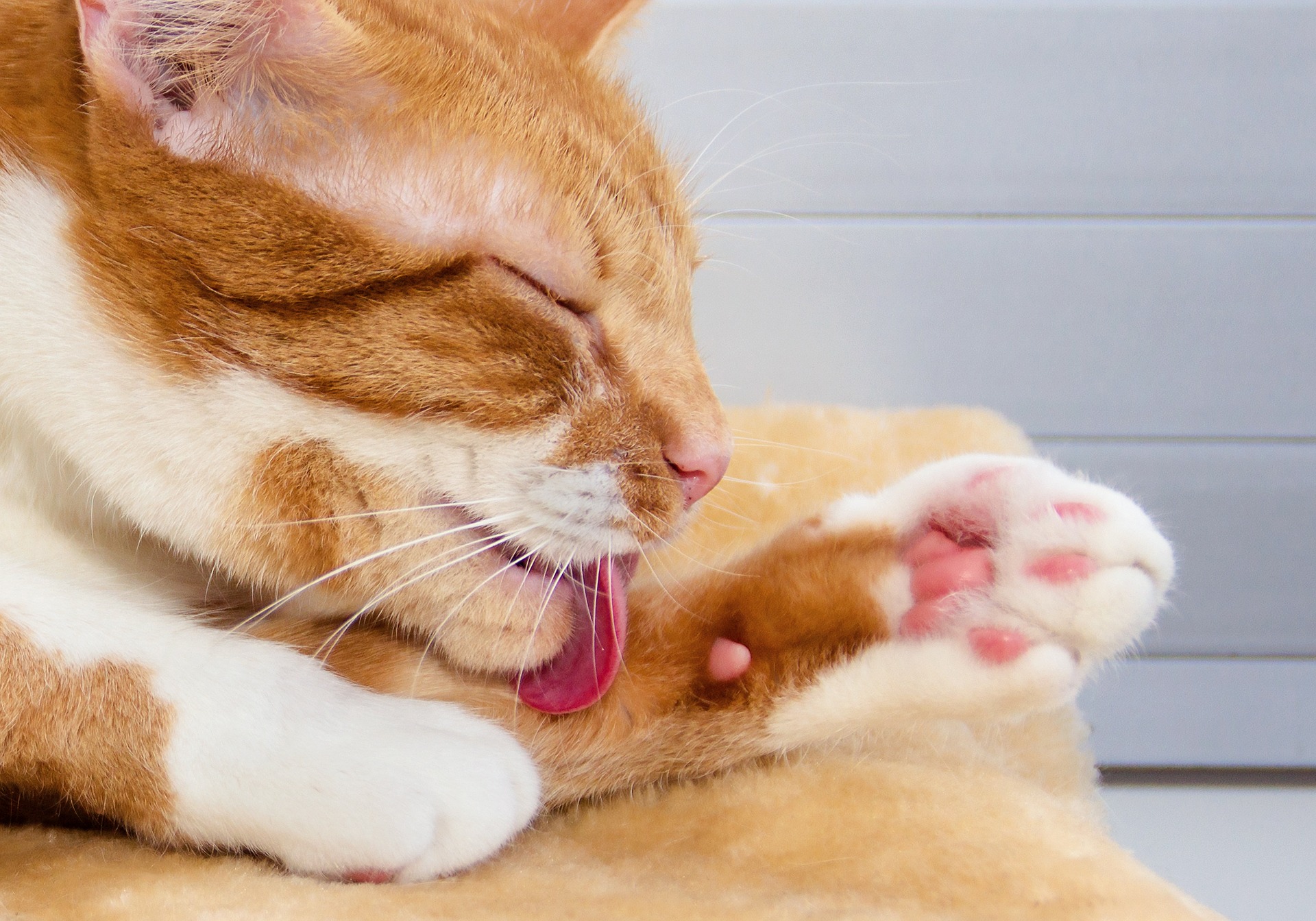
Why Should Paw Care in Cats Not Be Neglected? The pads on a cat's paws act as shock absorbers when they jump from a height. This allows the force to be absorbed by the paws, preventing it from reaching the ligaments, tendons, or bones in the leg. This prevents the cat from getting hurt. Another function of the paws is to provide traction with each step. When cats run fast, the paws prevent slipping, allowing them to move more easily. In addition, the soft pads on the paws protect the feet in hot or cold weather conditions. Cats with paws and pads in poor condition experience a significantly reduced quality of life. Paw care in cats is not limited to maintaining healthy paw pads. Nail care is also one of the most important aspects of this process. Overgrown nails can cause pain while walking and moving. Furthermore, since cats instinctively scratch, nail trimming helps reduce the destructive effect on household items. There are also the hairs that grow between the paws, a common occurrence in long-haired cats, which can be both uncomfortable and raise various hygiene issues. Considering all these factors, it is important to increase awareness about paw and nail care processes in cats. Paw Cleaning Paw care in cats begins with paw cleaning. Even if the cat doesn't go outside, it goes to the toilet many times a day, and during this time, sand can get stuck between its paws. Also, small objects in the house can get caught in cats' paws. This situation has two dangers. Chemicals remaining between the paws can be injurious when licked by the cat. However, even if there are no chemicals between the paws, any foreign object can cause a wound over time. When a paw wound becomes infected in cats, this situation is quite difficult for the cat. Therefore, it is recommended that you check and clean between your cat's paws daily.
The pads on a cat's paws act as shock absorbers when they jump from a height. This absorbs the force from the paws, preventing it from reaching the ligaments, tendons, or bones in the leg. This protects the cat from injury. Another function of the paws is to provide traction with each step. When cats run fast, the paws prevent slipping, allowing them to move more easily. In addition, the soft pads on the paws protect the feet in hot or cold weather conditions. Cats with paws and pads in poor condition experience a significantly reduced quality of life. Paw care in cats is not limited to maintaining healthy paw pads. Nail care is also one of the most important aspects of this process. Overgrown nails can cause pain while walking and moving. Furthermore, since cats instinctively scratch, nail trimming helps reduce the destructive effect on household items. There are also the hairs that grow between the paws, a common occurrence in long-haired cats, which can be both uncomfortable and raise various hygiene issues. Considering all these factors, it's important to raise awareness about paw and nail care processes in cats.
Paw Cleaning
Paw care in cats begins with paw cleaning. Even if a cat doesn't go outside, it goes to the litter box many times a day, and during this time, sand can get stuck between its paws. Also, small objects found in the house can get caught in a cat's paws. This presents two dangers. Chemicals remaining between the paws can be injurious if licked by the cat. Furthermore, even if there are no chemicals between the paws, any foreign object can eventually lead to a wound. When a paw wound becomes infected, it's a very difficult situation for the cat. Therefore, it is recommended that you check and clean between your cat's paws daily.

Nail Trimming
Nail care is as important as paw care for cats. It is recommended to trim their nails every few weeks. When nails grow excessively long, they can curl inwards, damaging the paws and pads. Also, long nails make it more difficult for cats to walk on hard floors in the house. You need to be careful when trimming your cat's nails. Cutting too deeply can damage the blood vessels and sensitive nerve endings located inside the nail. Therefore, the pinkish tissue inside the nail, near the paw, should not be interfered with.
Trimming the Hair Between the Paws
Some cats may have hair growing between their paws. This hair makes it easier for various small objects, especially sand, to get stuck in the area. Some cats may also be bothered by the hair growing on their paws and may express this discomfort by excessively licking the area. As part of cat paw and nail care, trimming the hair that grows on the paws is a good choice. This can both increase the cat's comfort and minimize the possibility of dirt or objects getting stuck between the fur.
Nemlendirici Kullanma
Using moisturizer is one of the most sensible ways to keep the pads on cats' paws healthy, soft, and functional. When the pads become excessively dry, they begin to crack or peel. In such cases, the use of moisturizer is recommended. Using products developed for humans is quite harmful to cats. There is no harm in using natural oils such as olive oil or coconut oil. However, you need to keep your cat in the bath for a while to prevent the whole house from getting oily. On the other hand, you can also choose moisturizers developed for cat paws. You need to make sure that these moisturizers do not contain harsh chemicals. You can review safe cream products that can be preferred for cat and dog paw care here.

Paddle Foot Check
Plasma cell pododermatitis, also known as pad foot, is a relatively uncommon disease affecting the pads of cats. Because it doesn't cause much pain, cats don't usually limp. Pad foot generally affects both paws simultaneously. This disease, which manifests as paw swelling in cats, can progress to discoloration and ulceration over time. If such symptoms are noticed, it is beneficial not to neglect veterinary examinations.
If paw and nail care in cats is not neglected, it is possible to prevent potential health problems and ensure a more comfortable life for our feline friends. In addition to care processes, there are also some cat products that entertain them while meeting their instinctive needs. Providing a dedicated scratching area for cats offers multiple benefits.
Cat Scratching Posts: Both Care and Fun in One
Just like dogs have a natural chewing instinct, cats also have a scratching instinct. Therefore, you should prepare various areas in your home where they can scratch. You can also prevent your cat from damaging your furniture with scratching toys. Along with scratching, cats clean their claws. They also relieve their paws and backs. Cats have different climbing habits and do not have a single preference in this regard. Therefore, you can let them choose by purchasing several scratching toys in different shapes, textures, and sizes. You can browse cat scratching posts and houses here.
Advertisement
Advertisement
Keep exploring
Continue reading

Cat Care
Is My Cat Coughing or Trying to Pass a Hairball?
Seeing your cat crouch down, stretching its neck, and trying to expel something with a strange sound can be unsettling.
Read guide →
Cat Care
York Chocolate Cat Characteristics, Care and Temperament
With its dark brown fur, watchful eyes, and observant demeanor, the York Chocolate is a cat that sparks curiosity at first sight.
Read guide →
Cat Care
Tiffanie Cat Characteristics, Care and Temperament
Silky fur, on its neck With its frilly mane and large, curious eyes, the Tiffanie cat immediately catches the eye.
Read guide →
Cat Care
Snowshoe Cat Characteristics, Character and Care
The Snowshoe cat is a unique breed developed by the controlled mating of Siamese cats and American Shorthair cats.
Read guide →