Pica Syndrome in Cats and Dogs
Have you noticed your pet constantly gravitating towards non-edible materials like plastic, fabric, or stone? This behavior may be a sign of a serious condition known as pica syndrome in cats and dogs.
Advertisement
Have you noticed your pet constantly gravitating towards non-edible materials like plastic, fabric, or stone? This behavior may be a sign of a serious condition known as pica syndrome in cats and dogs. Pica syndrome in pets is a behavioral disorder characterized by the persistent chewing, swallowing, or sucking of non-food items. Substances such as pieces of fabric, stones, plastics, threads, or soil can lead to serious digestive blockages or poisoning in animals. Therefore, early detection and proper management can be life-saving. This article provides detailed information about the symptoms, causes, and treatment methods of pica syndrome in dogs and cats. Warning: This content is intended to provide general information about pica syndrome in pets. It does not replace information, examination, diagnosis, or treatment by a veterinarian. If you observe abnormal eating behaviors or health problems in your pet, you should consult a veterinarian as soon as possible.
Pica syndrome in pets is a behavioral disorder characterized by the persistent chewing, swallowing, or sucking of non-food items. Substances such as pieces of fabric, stones, plastics, threads, or soil can cause serious digestive blockages or poisoning in animals. Therefore, early detection and proper management can be life-saving.
This article provides detailed information about the symptoms, causes, and treatment methods of pica syndrome in dogs and cats.
Warning: This content is intended to provide general information about pica syndrome in pets. It does not replace information, examination, diagnosis, or treatment provided by a veterinarian. If you observe abnormal eating behaviors or health problems in your pet, you should consult a veterinarian as soon as possible.
What is Pica Syndrome?
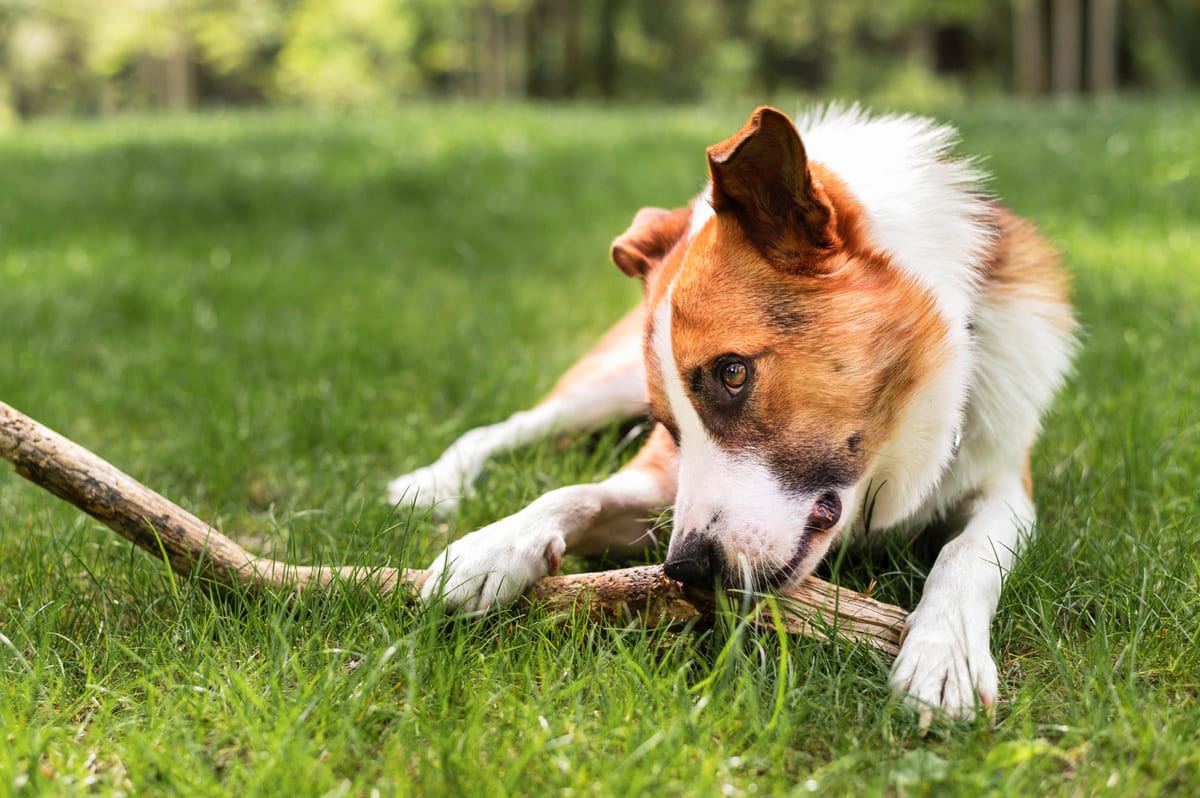
Pica, in medicine, refers to the behavior of eating non-nutritious substances. It can be addressed in two ways: feline pica syndrome and canine pica syndrome. Cats are generally attracted to materials such as fabric, string, plastic, or wool. Dogs, on the other hand, may tend to swallow objects such as stones, soil, or garbage.
Pica in pets differs from chewing behavior driven by curiosity. Normally, young animals may take various objects into their mouths to explore their environment. Pica behavior goes beyond this exploratory stage: The animal becomes obsessively attracted to certain substances and repeatedly exhibits swallowing behavior. This is considered a much more serious behavioral disorder than a simple habit.
Studies show that foreign object eating behavior in cats and dogs may be associated with stress, nutritional deficiencies, or medical conditions. As stated in the PetMD source, it usually indicates an underlying health problem or psychological disorder. Pica syndrome in pets can occur in animals of all ages, but cases starting at a young age are more common. In some cat breeds, such as Siamese and Birman, this behavior is thought to be linked to genetic predisposition. In dogs, it can be observed more frequently in curious breeds such as Labrador Retrievers, due to the influence of environmental factors. Causes of Pica Syndrome in Cats and Dogs Pica syndrome in cats and dogs does not occur for a single reason. In most cases, it is shaped by a combination of medical, behavioral, and environmental factors. Therefore, to understand pica behavior, it is necessary to look at both the animal's health status and its psychological needs from a holistic perspective.
Pica syndrome in pets can occur in animals of all ages, but cases starting at a young age are more common. In some cat breeds, such as Siamese and Birman, this behavior is thought to be linked to genetic predisposition. In dogs, it can be observed more frequently in curious breeds like Labrador Retrievers, due to the influence of environmental factors.
Causes of Pica Syndrome in Cats and Dogs

Pica syndrome in cats and dogs does not occur for a single reason. In most cases, pica is shaped by a combination of medical, behavioral, and environmental factors. Therefore, understanding pica behavior requires a holistic approach to both the animal's health status and its psychological needs.
Medical Reasons
Nutritional Deficiency: Cats and dogs lacking sufficient fiber, vitamins, or minerals in their diet may tend to eat substances such as soil, fabric, or plastic to compensate for this deficiency.
Anemia and Other Diseases: UC Davis Veterinary Medicine also emphasizes that pica syndrome is often a sign of an underlying systemic disorder. Blood cell deficiency, especially in cats, can trigger pica behavior. Diabetes, liver disease, or digestive system problems may also accompany this condition.
Parasites and Gastrointestinal Problems: The presence of parasites in the digestive system or intestinal inflammation can affect the animal's nutrient absorption, triggering pica behavior. For detailed information, you can read our articles on Parasite Symptoms and Treatment Methods in Cats and Internal Parasite Symptoms and Treatment in Dogs.
Drug Effects: Long-term use of some medications can lead to increased appetite or compulsive chewing.
Behavioral and Environmental Reasons
Boredom and Lack of Stimulation: Animals that do not get enough exercise or mental stimulation during the day may use chewing as a way to relieve stress. You can find information on this topic in our articles on Stress in Cats and Ways to Reduce Stress and Causes, Symptoms, and Solutions to Stress in Dogs.
Stress and Anxiety: Moving house, the arrival of a new pet, or the owner being away for extended periods can increase an animal's anxiety levels, triggering pica in cats and dogs.
Learned Behavior: Some animals may repeat this behavior to attract attention or to relieve stress in stressful situations.
Breed and Genetic Predispositions
In some breeds, a predisposition to pica behavior may be genetic. It is known to be particularly common in breeds such as Siamese and Birman. According to The International Cat Care, this condition may be related to genetic factors and can also be triggered by early weaning.
Age and Developmental Factors
Kitten Period: It is natural for puppies to chew on objects during the teething process. If not guided with appropriate dog toys, this behavior can become a habit.
Early Weaning: In kittens separated from their mothers early, wool sucking and fabric chewing behaviors are common. Chewing on non-food objects can pave the way for pica syndrome in later life.
Understanding the cause of pica behavior is the first step in determining the correct treatment. The trigger is different in each animal: for one it may be stress, while for another it may be a vitamin deficiency. Therefore, observation and veterinary examination are of great importance.
Pica Symptoms and Warning Signs in Cats and Dogs

Pica syndrome in cats and dogs is often noticed by owners as “unusual behavior.” Often, warning signs can be overlooked. Common symptoms of pica syndrome in cats and dogs can be listed as follows:
If your pet is constantly reaching for non-food objects or repeatedly chewing or swallowing them, this may indicate pica behavior.
In cats, behaviors such as sucking on fur, chewing on plastic bags, or eating cat litter can be a sign of pica.
Pica can lead to physical complications. Symptoms such as vomiting, diarrhea, constipation, loss of appetite, or lethargy may indicate a blockage in the digestive system.
Swallowed foreign objects can cause physical obstruction in the digestive tract. In addition, the chemical structure of some materials can have toxic effects. In particular, swallowing plastic, thread, or metal pieces can cause irritation of the stomach lining or internal bleeding. The possibility of poisoning may also arise.
Acil Durum Belirtileri
If your pet shows any of the following symptoms, you should contact a veterinarian immediately:
- Persistent or severe vomiting
- Difficulty defecating or complete inability to defecate
- Abdominal swelling or pain
- Lethargy, loss of appetite, or sudden changes in behavior
Cats.com states that the most dangerous aspect of pica behavior is "foreign body obstruction." In such cases, prompt veterinary intervention can prevent life-threatening situations.
How is Pica Diagnosed in Dogs and Cats?

Pica syndrome in cats and dogs should be diagnosed with a comprehensive veterinary examination. As mentioned earlier, the underlying cause of the behavior can be various factors such as nutritional deficiencies, hormonal disorders, parasites, or stress.
The veterinarian will first rule out possible medical causes using methods such as blood tests, stool analysis, and X-rays if necessary. This process is critical in identifying the risk of foreign body obstruction or nutritional imbalances.
If no physical abnormalities are detected in the tests, the veterinarian will proceed to evaluate the behavioral causes. At this stage, the animal's environmental conditions, stress level, changes in routine, and past behavioral patterns are analyzed.
How to Treat Pica in Pets?

Treatment for pica syndrome in cats and dogs varies depending on identifying the underlying cause. If the problem stems from a nutritional deficiency, the veterinarian will readjust the animal's diet to provide the necessary vitamins, minerals, and fiber.
If gastrointestinal diseases or parasitic infections are present, appropriate medical treatment is applied. Balancing the animal's diet during this process contributes to both a reduction in behavioral issues and an improvement in overall health.
In cases of pica based on behavioral or environmental causes, treatment focuses more on enriching the living environment and guiding behavior. Regular play, exercise, and interactive toys should be provided to allow the pet to expend its energy in a healthy way.
Measures to Take in the Home Environment
While it may not always be possible to completely eliminate pica behavior, it is possible to significantly reduce the risks with the right measures.
- Closely monitor which objects your pet is interested in.
- Remove materials such as fabric, plastic, string, or stones to areas they cannot reach.
- Regularly check the house to identify new risky materials.
- Establish a daily exercise and play routine.
- Provide mental stimulation using interactive toys, food puzzles, and treats.
- Choose high-quality, balanced, and age-appropriate foods for your pet. You can discover the most suitable alternatives for your friend by examining the different types of cat and dog foods.
- Add necessary vitamin, mineral, or fiber supplements as recommended by a veterinarian.
- Prevent the development of hunger-related behaviors by keeping meal times regular.
- Daily interaction and showing affection increases feelings of security and reduces stress.
Frequently Asked Questions (FAQ)

In this section of our content, you can find answers to questions such as "What is pica syndrome in cats and dogs?", "Is pica syndrome dangerous?", or "My cat is eating plastic, why?".
My cat or dog sometimes chews on foreign objects, is this pica?
No, not every behavior involving playing with foreign objects means pica. Young animals may put objects in their mouths to explore their surroundings. If this behavior becomes frequent, repetitive, or involves swallowing objects, it may be an indicator of pica syndrome. Veterinary advice is important.
Which materials are the most dangerous?
Plastic, fabric, string, rubber, stones, metal pieces, and soil are the riskiest materials. These types of objects can cause blockages in the digestive system and tooth damage. Long materials like string and fabric can cause intestinal obstruction, requiring emergency intervention. You can find details in our article "Why Do Cats Play with String? Reasons and Things to Watch Out For".
Does pica completely go away?
In some cases, pica syndrome can completely disappear with the correction of the underlying medical cause. In cases of behavioral origin, the process may take longer. For example, PetMD emphasizes that pica syndrome based on causes such as stress, boredom, or compulsive tendencies can be controlled with proper management, but may not be completely cured.
Evde ne zaman veteriner hekime gitmeliyim?
If you suspect foreign body ingestion and observe vomiting, inability to defecate, loss of appetite, or lethargy, consult a vet immediately. These symptoms may indicate life-threatening risks such as stomach or intestinal obstruction.
Does breed or age affect the risk of pica?
Some cat breeds have a stronger genetic predisposition. In addition, kittens weaned early may exhibit more frequent behaviors of sucking on fabric or wool.
Kaynaklar:
https://www.vetmed.ucdavis.edu/sites/g/files/dgvnsk491/files/inline-files/Unusual_eating_habits.pdf
https://www.petmd.com/cat/conditions/behavioral/pica-cats
https://apex.vet/blog/cat-pica/
https://bestfriends.org/pet-care-resources/pica-dogs-causes-diagnosis-treatment
https://www.oregonhumane.org/portland-training/pica-and-coprophagy-pets-who-eat-non-food-items/
https://www.webmd.com/pets/cats/features/unusual-cat-cravings
https://wpahcle.com/pet-resources/blog/things-dogs-eat-the-problem-with-pica-in-pets/
https://onlinelibrary.wiley.com/doi/abs/10.1002/9781119414612.ch48
Advertisement
Advertisement
Keep exploring
Continue reading
Cat Health
Why Do Cats Get Thinner as They Age? Symptoms and Treatment
When stroking an aging cat's back, the spine or hip bones may feel more prominent than before, which is the first change most cat owners notice.
Read guide →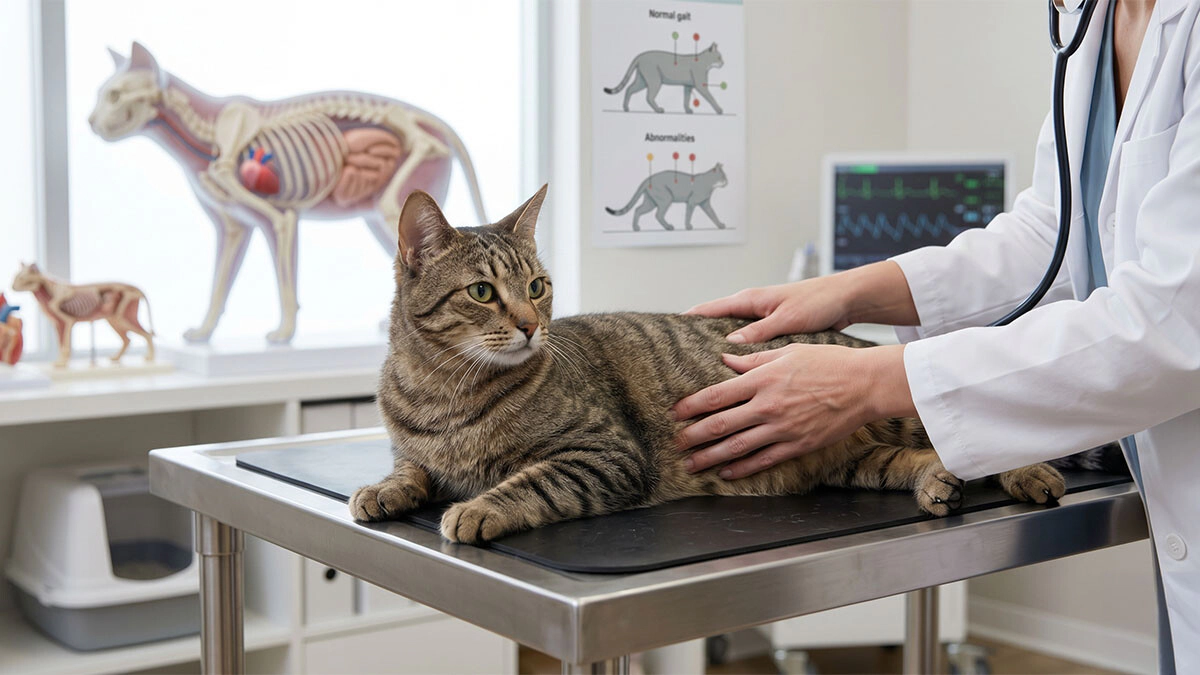
Cat Health
Cat Anatomy and Organs: Body Structure, Health Signs and Relationship with Diseases
A slight change in posture, a slight limp in gait, or a difference in litter box habits in cats can give clues about their body systems.
Read guide →
Cat Health
How to Acclimate Cats to Carrier Bags?
Does your cat hide, hiss, or resist with all its might the moment it sees the carrier? This reaction is described as carrier phobia in most homes…
Read guide →
Cat Health
What Should Be Considered After Vaccination in Cats?
Following your cat's vaccination schedule for health and a long life is one of the most critical decisions you will make as a pet owner.
Read guide →