Poisonous Plants for Cats and Dogs
It is difficult to keep cats and dogs away from plants. Both cats and dogs may succumb to their curiosity and eat plants. Cats can be more easily protected from poisonous plants as long as they do not go outside.

Advertisement
It is difficult to keep cats and dogs away from plants. Both cats and dogs may succumb to their curiosity and eat plants. Cats can be more easily protected from poisonous plants as long as they do not go outside. Dogs are at greater risk from poisonous plants because they regularly go outside for exercise and to relieve themselves. If you have a cat that enjoys going outside, protecting it from poisonous plants is much more difficult. Therefore, by identifying the plants in and around your home, you can take the necessary precautions for your furry friends. In this article, we will discuss plants that are poisonous to cats and dogs.

Mahmur Flower / Autumn Crocus
There are two types of crocus plants. One blooms in the autumn months and the other in the spring months. The spring-blooming flowers are more commonly seen. Crocus is among the plants poisonous to animals. Consumption of these flowers causes general gastrointestinal problems in cats and dogs. Ingestion of crocus can cause problems such as severe vomiting, liver or kidney damage, respiratory arrest, and gastrointestinal bleeding. If you suspect your cat or dog has eaten this plant, you should consult your veterinarian immediately. The symptoms caused by the plant may appear immediately after consumption or within a few days.

Azalea and Rhododendron
Azalea and rhododendron are among the plants poisonous to animals. This plant family contains more than 1000 species. As a result of research, it has been stated that the level of toxicity of these plants to animals varies between moderate and severe. Animals can be poisoned if they ingest even a small amount of these plants. Symptoms of poisoning from ingesting azaleas and rhododendrons include vomiting, diarrhea, loss of appetite, drooling, weakness, tremors, temporary blindness, and, depending on the amount, can be life-threatening. Dieffenbachia Dieffenbachia, also known as weeping flower, is a very common plant in homes and is poisonous to animals. Ingestion causes irritation in the mouth. The plant contains calcium oxalate crystals that cause problems such as drooling, vomiting, and difficulty swallowing. Exposure to this plant is not life-threatening, but it can be a very unpleasant experience for pets, so these plants should not be kept in homes.
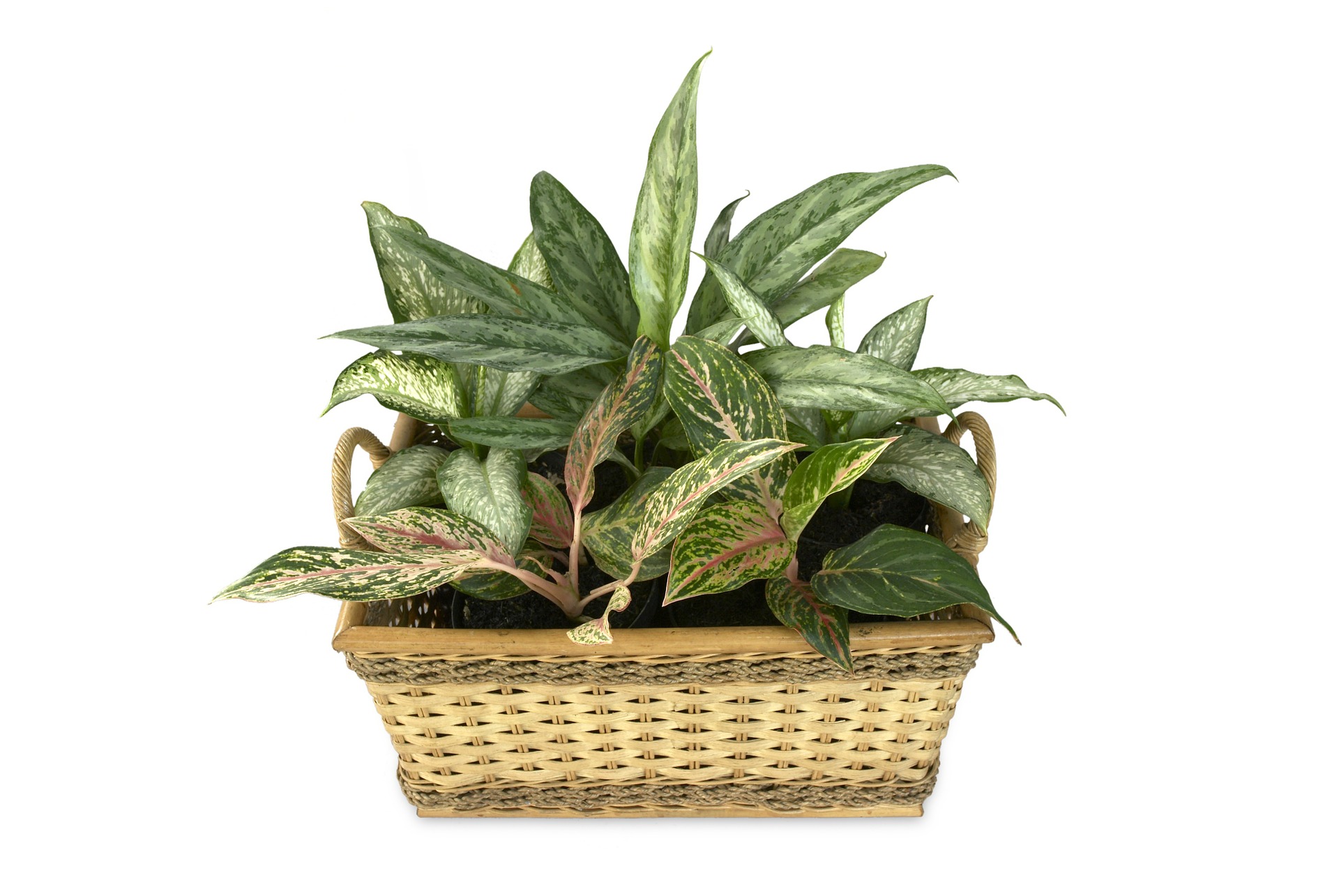
Difenbahya
Ingestion causes irritation in the mouth. The plant contains calcium oxalate crystals that can cause problems such as drooling, vomiting, and difficulty swallowing. While exposure to this plant is not life-threatening, it can be a very unpleasant experience for pets, so it should not be kept in homes. SEGMENT ID S013523

Siklamen
Also known as Persian violet, cyclamen is among the plants poisonous to cats and dogs. The tubers and roots of these plants are the most poisonous parts for animals, but ingestion of any part of the plant is sufficient for poisoning. Cats and dogs that ingest cyclamen may experience very severe vomiting, diarrhea, increased heart rate, and seizures. If left untreated, it can be life-threatening.

Kalanchoe Flower
Also known as chandelier flower, kalanchoe is among the plants poisonous to pets and contains toxins that cause gastrointestinal symptoms. Ingestion of this plant commonly causes symptoms such as drooling, vomiting, and diarrhea. Ingestion of large quantities of the plant leads to more serious symptoms such as seizures and cardiac arrhythmia.

Zambak
Many species of lilies exist in nature. Species such as Japanese lily, tiger lily, red lily, and Easter lily are very poisonous to pets. The amount of poison in these plants is so high that even swallowing a leaf, licking the pollen from the flowers, or drinking a small amount from a lily vase can cause animals to ingest enough poison to be life-threatening. People who keep pets should never bring lilies into their homes and should not let their animals roam freely if lilies grow in their area.

Oleander
Oleander is among the most preferred outdoor plants in warm climates and is a poisonous plant for animals. Oleander contains toxins that negatively affect the heart muscle. Oleander poisoning causes symptoms such as vomiting, diarrhea, tremors, and seizures, and can be life-threatening depending on the amount consumed. Tulip Tulips, a favorite among gardens and bouquets, are among the plants poisonous to cats and dogs. Symptoms of poisoning from consuming this plant include vomiting, diarrhea, drooling, tremors, and depression. The plants mentioned above are among the most poisonous to animals. However, it should not be forgotten that there are hundreds of plants that can be poisonous to cats and dogs. When buying a plant for your home, you should always check the list of plants poisonous to animals. Taking short walks in your neighborhood to familiarize yourself with the plants in the area and always taking your pets outside on a leash under your supervision are also valuable precautions you can take to protect them from poisonous plants.

Lale
Tulips, a beloved part of both gardens and bouquets, are among the plants poisonous to cats and dogs. Symptoms of poisoning from consuming this plant include vomiting, diarrhea, drooling, tremors, and depression.
The plants mentioned above are among the most poisonous to animals. However, it should not be forgotten that there are hundreds of plants that can be poisonous to cats and dogs. When bringing a plant into your home, you should always check the list of plants poisonous to animals. Taking short walks around your neighborhood to familiarize yourself with the plants in the area and always taking your pets outside on a leash under your supervision are also valuable precautions you can take to protect them from poisonous plants.
Advertisement
Advertisement
Keep exploring
Continue reading

Cat Health
Why Do Cats Get Thinner as They Age? Symptoms and Treatment
When stroking an aging cat's back, the spine or hip bones may feel more prominent than before, which is the first change most cat owners notice.
Read guide →
Cat Health
Cat Anatomy and Organs: Body Structure, Health Signs and Relationship with Diseases
A slight change in posture, a slight limp in gait, or a difference in litter box habits in cats can give clues about their body systems.
Read guide →
Cat Health
How to Acclimate Cats to Carrier Bags?
Does your cat hide, hiss, or resist with all its might the moment it sees the carrier? This reaction is described as carrier phobia in most homes…
Read guide →
Cat Health
What Should Be Considered After Vaccination in Cats?
Following your cat's vaccination schedule for health and a long life is one of the most critical decisions you will make as a pet owner.
Read guide →