Samoyed Dog Characteristics, Care and Feeding
It's impossible not to surrender to them when you look at their smiles. The Samoyed dog has a unique ability to attract attention with its pure beauty, sincere character, and white fur. However, it is necessary to know the Samoyed not only for its eye-catching beauty but also for its incredible…
Advertisement
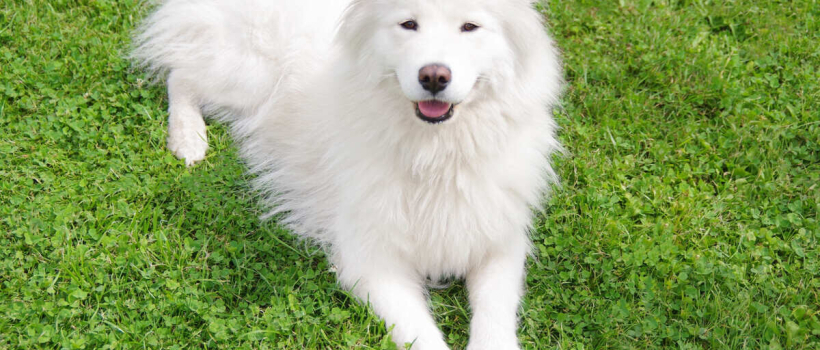
It's impossible not to surrender to them when you look at their smiles. The Samoyed dog has a unique ability to attract attention with its pure beauty, sincere character, and white fur. However, it is necessary to know the Samoyed not only for its eye-catching beauty but also for its incredible characteristics and loyalty. In this article we have prepared about Samoyed dogs, whose story extends from the harsh conditions of Siberia to the cheerful corners of modern homes, you can find the most important information about Samoyed characteristics, care, and feeding.
|
Other Names |
Smiling Sammy, Bjelkier |
|
Karakteri |
Affectionate, cheerful, social, loyal, energetic, playful |
|
Weight |
Males 25-30 kg, females 20-25 kg |
|
Shoulder Height |
Males 53-60 cm, females 48-53 cm |
|
Feather Length |
Long and double-layered |
|
Coat Colors |
White, cream, white and biscuit shades |
|
Coat Patterns |
Usually solid color or light biscuit shades |
|
Eye Color |
Koyu renkli (genellikle kahverengi) |
|
Average Lifespan |
12-14 years |
|
Origin |
Siberia (Samoyed people) |
|
Hipoalerjenik mi? |
No |
Samoyed Origin and History
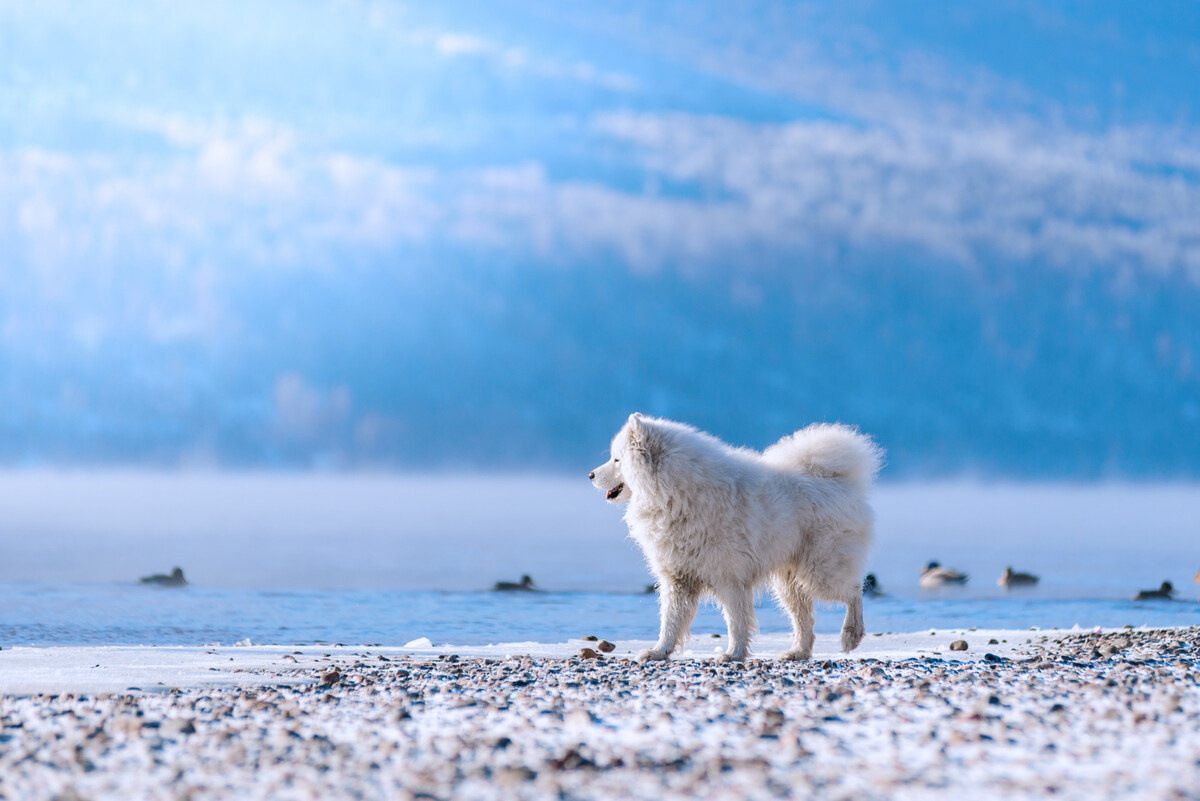
Samoyed dogs originate from the Samoyed people who live in the harsh climate of Siberia. Throughout history, they have been used in tasks such as reindeer herding, sled pulling, and livestock protection. In cold weather, they provided warmth by sleeping with people in tents. The social, friendly, and loyal nature of the Samoyeds is based on their history of forming such close bonds with humans.
Brought to Europe at the end of the 19th century, Samoyeds quickly attracted attention with their aesthetic appearance and intelligence. Gaining popularity thanks to the interest of the British Royal Family, these dogs reached America in the early 20th century. Officially recognized by the American Kennel Club (AKC) in 1906, these white beauties have become a part of our lives as loyal companions today. Samoyed Dog Physical Characteristics and Appearance Samoyed dogs are notable for their elegant yet robust appearance. This breed, which has developed to adapt to cold climates, is also known for its friendly nature. Their physical structure is suitable for both long working hours and an active lifestyle. Size and Weight: Samoyeds fall into the medium-to-large size dog class and have a very balanced build. Males range from 53 to 60 cm at the shoulder, while females generally have a height of 48 to 53 cm. Their weights range from 25 to 30 kg for males and 20 to 25 kg for females.
Samoyed Dog Physical Characteristics and Appearance
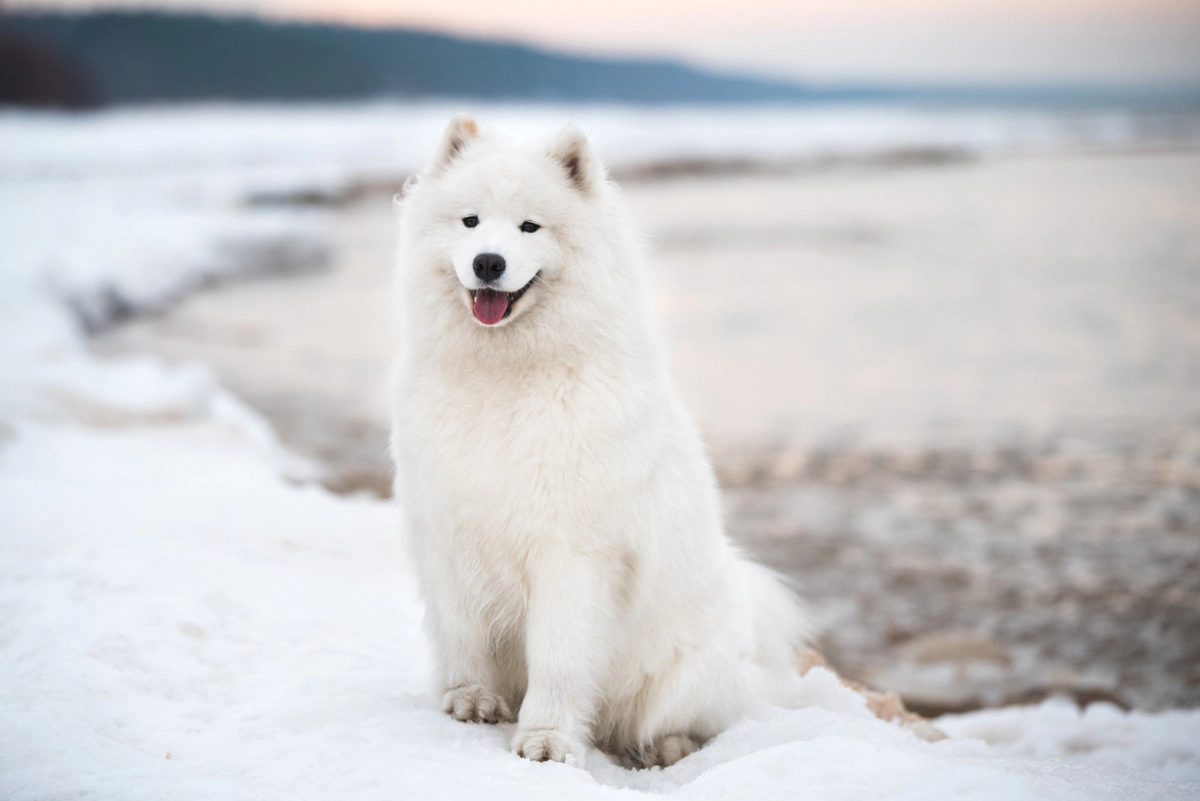
Samoyed dogs are notable for their elegant yet robust appearance. Developed to adapt to cold climates, this breed is also known for its friendly nature. Their physical structure is suitable for both long working hours and an active lifestyle.
Size and Weight: Samoyeds belong to the medium-to-large dog class and have a fairly well-balanced build. Males stand 53 to 60 cm tall at the shoulder, while females typically reach 48 to 53 cm. Their weight ranges from 25 to 30 kg for males and 20 to 25 kg for females.
General Body Structure: They have a muscular and compact body structure. The chest area is deep and wide, creating ample space for the heart and lungs, providing an advantage in activities requiring prolonged exertion. Their back is straight and of medium length, while their waist is slightly curved and strong. When they move, the strong propulsion of their legs and their agile strides are noticeable.
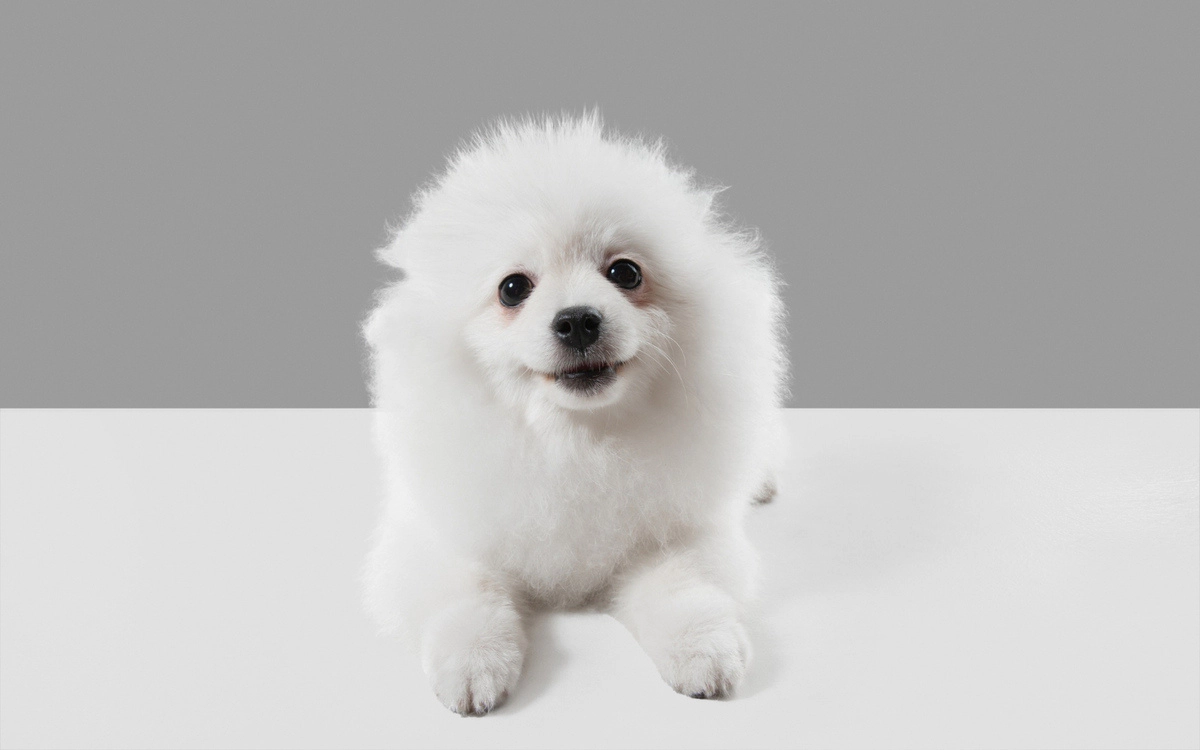
Coat Structure and Color: Samoyeds have a double-layered coat that protects them from harsh weather conditions and maintains body temperature. The undercoat, with its short and dense structure, provides insulation, while the topcoat is hard and straight. This structure acts as a shield resistant to water and wind. Males have a prominent mane of fur around their neck and shoulders. Coat colors consist of pure white, cream, and a mixture of white and biscuit tones. The natural shine and silvery sheen of the coat are further enhanced with regular grooming. Head and Facial Features: Samoyed dogs have a broad, wedge-shaped head. Their eyes are almond-shaped and dark. Their ears are erect, medium-sized, and have slightly rounded tips. The ears, balanced towards the sides of the head, accentuate their facial expressions. The nose is usually black, but can turn brown depending on age or weather conditions. The upward curve of the lips creates the famous "Samoyed smile." Tail and Legs: Samoyeds have long, bushy tails. They are usually carried curled over the back, but may droop downwards when resting. This feature supports their relaxed and confident posture. Their legs are muscular and strong. The front legs are straight, while the hind legs have a slight angle. Their paws are wide and flat, and the fur between them makes it easy for them to walk in the snow. Samoyed Dog Character Samoyed dogs win the hearts of all family members with their affectionate and cheerful nature. Samoyed character traits include devotion to their family, compatibility with children, and tolerance towards other pets. Thanks to their herding and working-life history, they have an innate social nature. Therefore, they can become balanced and well-behaved dogs with just basic socialization. However, caution is still advisable. Due to their natural hunting instinct, training them to hunt small animals is important. With proper guidance, they can learn to live harmoniously with every living thing in the house. Energetic and active, Samoyed dogs need regular exercise and play. Daily walks, physical activities, and mental games increase their happiness. You can find our content on the Importance and Benefits of Walking Your Dog here. Samoyed dogs may bark, purr, or make other sounds while playing. They love cold weather and are likely to experience the joy of a holiday on snowy days. Playing in snowdrifts or enjoying time in the snow are among their favorite activities. Preparing a small pool filled with cold water to keep them cool in the summer can be a great way to make these adorable friends happy. Samoyeds not only have a cute appearance but also possess a loving and playful spirit. The strong bonds they form with children and other family members make them an ideal family dog. While Samoyed training is easy thanks to their intelligence, it is important to remember that they can be stubborn at times. Patience, consistency, and positive reinforcement will speed up their learning process.
Head and Facial Features: Samoyed dogs have a broad, wedge-shaped head. Their eyes are almond-shaped and dark. Their ears are erect, medium-sized, and slightly rounded at the tips. The ears, balanced on the sides of the head, accentuate their facial expressions. The nose is usually black, but can turn brown depending on age or weather conditions. The upward curve of the lips creates the famous "Samoyed smile."
Tail and Legs: Samoyeds have long, bushy tails. They are usually carried curled over the back, but may droop downwards at rest. This feature contributes to their relaxed and confident posture. Their legs are muscular and strong. The front legs are straight, while the hind legs have a slight angle. Their paws are wide and flat, with fur between them making it easier to walk in the snow.

Samoyed Dog Character
Samoyed dogs win the hearts of all family members with their affectionate and cheerful nature. Samoyed character traits include devotion to their family, compatibility with children, and tolerance towards other pets. Thanks to their herding and working-life history, they are naturally social. Therefore, they can become balanced and well-behaved dogs with just basic socialization. However, caution is still advisable. Due to their natural hunting instinct, training them to hunt small animals is important. With proper guidance, they can learn to live harmoniously with every living thing in the house.
Samoyed dogs, notable for their energetic and active nature, need regular exercise and play. Daily walks, physical activities, and mental games increase their happiness. You can access our content on the Importance and Benefits of Walking Your Dog here.
Samoyed dogs may bark, purr, or make other sounds while playing. They love cold weather and are likely to celebrate snowy days. Playing in snowdrifts or enjoying time in the snow are among their favorite activities. Preparing a small pool filled with cold water to keep them cool in the summer can be a great way to make these adorable friends happy.
Samoyeds not only have a cute appearance but also possess a loving and playful spirit. The strong bonds they form with children and other family members make them ideal family dogs. While Samoyed training is easy thanks to their intelligence, it's important to remember that they can be stubborn at times. Patience, consistency, and positive reinforcement will speed up their learning process.
The prominent Samoyed character traits can be listed as follows:
- They can form a strong bond with children.
- They are reserved towards strangers but generally polite.
- They may exhibit herding tendencies; they may occasionally try to "herd" people or other animals.
- They can take on a natural guarding role by barking if necessary.
- With good training, they become an excellent family member.

Samoyed Dog Care and Tips
For a healthy, happy, and balanced life, Samoyed care should absolutely not be neglected. Elements such as coat care, exercise needs, general cleaning, and suitable living conditions are the cornerstones of Samoyed care.
Coat Care
Samoyeds are known for their double-layered and dense coat. While this coat provides excellent protection against cold weather conditions, it requires regular care. Brushing at least 2-3 times a week helps control shedding and also supports skin health. This brushing frequency should be increased during seasonal shedding periods. You can click here to view different types of dog combs and brushes.
A diet rich in omega-3 and omega-6 fatty acids can be preferred to keep the coat healthy and shiny. Although baths are not necessary frequently, when needed, dog shampoos suitable for their sensitive skin should be used.
Exercise Needs
Samoyed dogs have high energy levels and need regular physical activity daily. At least 1-2 hours of exercise a day helps them burn off energy and also supports their mental health. Long walks, free running in the open air, and spending time with intelligence-enhancing toys are ideal activities.
A Samoyed that does not get enough exercise may become bored and develop undesirable behaviors. You can find detailed information in our content on the Most Common Behavioral Problems in Dogs.
General Cleaning and Health
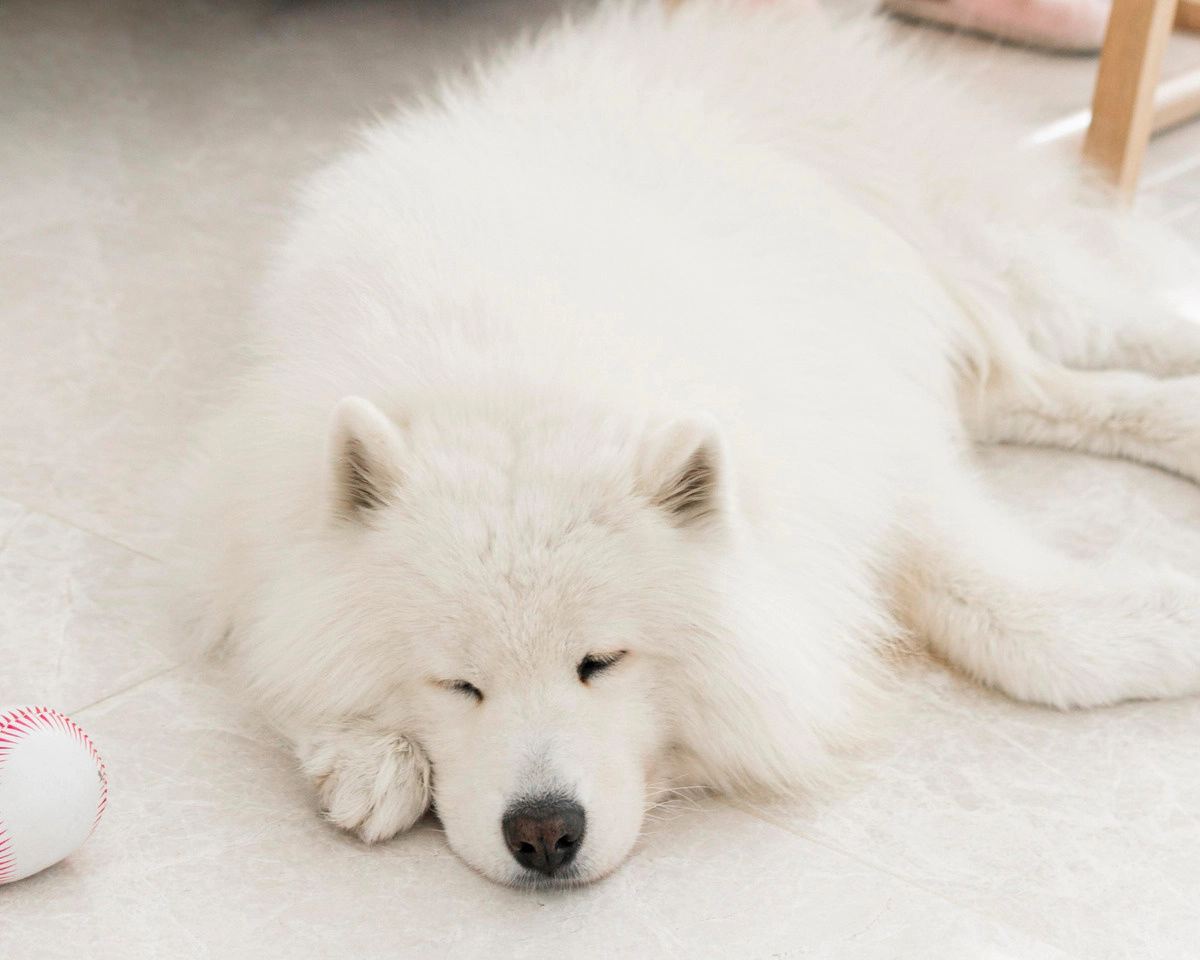
Samoyeds' ears should be checked and cleaned regularly. Dirt or moisture accumulating in the ears can lead to infections. Their health can be supported by using dog ear care products. In addition, brushing their teeth a few times a week and using products such as dental floss toys is recommended. Their paws should be checked regularly and long nails should be trimmed. Paws should be cleaned especially after walking on snow and icy surfaces, and moisturizing creams can be used to prevent cracks.
Common Diseases in Samoyed Dogs
Although Samoyeds are generally a healthy breed, they can experience some genetic disorders. Here are some of them:
Retinal Diseases
Eye diseases such as retinal dysplasia and progressive retinal atrophy (PRA) are common in Samoyed dogs. Retinal dysplasia results from abnormal folds in the retina. This can lead to vision loss and, in later stages, blindness. Progressive retinal atrophy (PRA) results from the death of light-sensing cells in the retina over time. PRA, which usually appears from a young age, causes progressive vision loss. Regular veterinary checkups are crucial for maintaining the eye health of Samoyeds.
Uveodermatological Syndrome
Uveodermatological syndrome is a rare but potentially serious immune system disease in Samoyeds. This disorder occurs when the immune system attacks melanin production, leading to skin discoloration, skin lesions, and eye inflammation. Eye inflammation can cause vision loss if left untreated. Early diagnosis is critical for maintaining both eye health and overall quality of life. Hip Dysplasia Hip dysplasia is a common genetic joint disorder in Samoyeds. It causes pain and, over time, arthritis due to improper development of the hip joints. Lifestyle factors such as growth rate, muscle mass, nutrition, and exercise play a significant role in the development of this disease. Treatment may include methods such as joint support supplements, pain relievers, and weight control. In advanced cases, surgical intervention may be necessary. Early diagnosis and appropriate lifestyle adjustments will be effective in improving the dog's comfort.
Hip Dysplasia
Hip dysplasia is a common genetic joint disorder in Samoyeds. It causes pain and, over time, arthritis due to improper development of the hip joints. Lifestyle factors such as growth rate, muscle mass, nutrition, and exercise play a significant role in the development of this disease. Treatment may involve methods such as joint support supplements, pain relievers, and weight control. In advanced cases, surgical intervention may be necessary. Early diagnosis and appropriate lifestyle adjustments will be effective in improving the dog's comfort.
Samoyed Hereditary Glomerulopathy (SHG)
Samoyed hereditary glomerulopathy is a genetic kidney disease seen in Samoyeds. This condition impairs the function of the glomerulus, the kidney's filtering system, leading to the leakage of proteins such as albumin into the urine. In later stages, it can cause kidney failure. While there is no cure for SHG, the progression of the disease can be slowed with protein-restricted diets and certain medications.

What Should a Samoyed Dog Eat and How Should It Be Fed?
Samoyed dogs, classified as medium-large breeds, are an energetic and active breed, so proper nutrition significantly affects their health and quality of life. Including quality protein sources in their diet is essential. Animal protein sources such as chicken, fish, or lamb are essential for muscle development. In addition, the diet should be balanced in terms of fat, carbohydrates, and fiber. Choosing a dog food appropriate for the dog's age, weight, activity level, and overall health helps them live a healthy life.
Puppies of Samoyed should be fed foods rich in protein and calories as they are in their growth period. Properly planned puppy nutrition is critical to supporting bone and muscle development. Adult Samoyeds should be fed foods that meet their daily energy needs. For an adult Samoyed who exercises regularly, foods with moderate levels of fat and protein are ideal. For senior Samoyeds, since their metabolism slows down, a switch to low-calorie senior dog food varieties that support joint health can be made.
It is generally recommended that they be fed two meals a day, with carefully adjusted portion sizes at each meal. Portion control should be implemented to prevent excessive weight gain, and the dog's weight should be monitored regularly. In dogs, being overweight can pose a risk for hip dysplasia and other orthopedic problems. Due to their active nature, Samoyed dogs should always have access to fresh, clean water. Extra attention should be paid to water consumption in hot weather. Supplements containing omega-3 and omega-6 fatty acids are recommended for coat and skin health. Glucosamine and chondroitin supplements are beneficial for joint health, especially in older dogs. Veterinary series dog food can be used for Samoyeds prone to kidney problems. Samoyed Dog Training Training Samoyed dogs should be done using positive reinforcement methods, considering their intelligence and social nature. Early socialization helps them become more self-confident and balanced.
Supplements containing omega-3 and omega-6 fatty acids are recommended for coat and skin health. Glucosamine and chondroitin supplements are beneficial for joint health, especially in older dogs. Veterinary series dog food can be used for Samoyeds prone to kidney problems.

Samoyed Dog Training
Samoyed dogs should be trained using positive reinforcement methods, considering their intelligence and social nature. Early socialization helps them become more self-confident and balanced.
Consistency and regularity are crucial in training; using consistent commands and reward methods prevents confusion. Basic obedience training makes it easier for them to learn commands like "sit" and "stay," improving their adaptation to daily life. You can find our article "4 Critical Dog Training Tips That Could Save Your Dog's Life" here.
Samoyeds may bark excessively, so methods to control this should be taught. A patient approach and maintaining high motivation are very effective in the training process.
Due to their social nature, they are not very well-suited to being alone, so separation anxiety can be reduced by providing independence training. If training is difficult, it may be helpful to seek support from a professional trainer. With patience, love, and consistency, these cheerful and social dogs will become wonderful family members.

Samoyed Sahiplenirken Bilinmesi Gerekenler
If you are considering adopting a Samoyed, you should consider a few important points. You should assess whether you have enough time and space to meet its exercise needs. You should be prepared to take care of its grooming and cleaning routines. It is also very important to have a plan to prevent it from being alone when you cannot be with it. The things that those considering adopting a Samoyed dog should know before making a final decision can be detailed as follows:
- These dogs are more suitable for people who have owned dogs before due to their characteristic traits and training needs. They require a disciplined approach and leadership skills.
- They need a patient and regular training process to learn the right behaviors and to adapt to social life. Training that starts at an early age helps them become happier and more balanced dogs.
- By their nature, they are a breed relatively free from many genetic health problems. However, regular veterinary checkups and a balanced diet support their continued health.
- Daily walks and exercise are important for these dogs in terms of both physical and mental health. They are an ideal companion for those with an active lifestyle.
- They enjoy walking for more than two hours a day: Long walks are part of their daily needs due to their high energy levels. The ideal walking duration for dogs may vary; you can learn the details here.
- These dogs, who have a strong sense of social connection and attachment, may experience stress or separation anxiety when left alone for extended periods, as mentioned earlier. They need family life and constant human interaction.
- They may drool, especially in hot weather or after eating. This may be a detail to watch out for for some owners.
- Regular brushing and grooming are important to keep their coat healthy and shiny. This also reduces shedding, making cleaning easier at home.
- They tend to express their emotions and desires through barking or other sounds. This trait can be advantageous both for communication and guarding.
- Due to their social nature, they easily bond with people and enjoy meeting new people. Being involved in family activities is important to them.
- Because they have a social nature, they enjoy playing and spending time with other dogs. However, it is important to guide them correctly during the getting-to-know-each-other process. They may need additional training to live with other pets: Patience and time are required for them to get used to living in the same environment with animals of different species. A large open space where they can run and play freely is important for them to expend their energy and live a happy life. However, they also need human interaction and activity in the garden. Living in less crowded and quiet environments, close to their natural habitat, supports them in living a peaceful life. However, it is also possible for them to adapt to city life, but they require more exercise and attention. Frequently Asked Questions About Samoyeds Learning more about Samoyed dogs and caring for them correctly is considered a critical step for both your and their happiness. In our frequently asked questions section, you can find answers to questions that may come to mind before or during the adoption process of these adorable and energetic friends.
- A large open space where they can run and play freely is important for them to expend their energy and live a happy life. However, they also need human interaction and activity within the garden.
- Living in less crowded and quieter environments, close to their natural habitat, supports a peaceful life for them. However, it is also possible for them to adapt to city life, but they will require more exercise and attention.
Frequently Asked Questions About Samoyeds
Learning more about Samoyed dogs and properly caring for them is a critical step for both your and their happiness. In our frequently asked questions section, you can find answers to questions that may come to mind before or during the adoption process of these adorable and energetic companions.
Is a Samoyed a good family dog?
Yes, they can form strong bonds with children and are truly family-friendly. They are patient, affectionate, and fun-loving when spending time with them. They gain the trust of children, making them feel comfortable and happy in their presence.
Are Samoyed dogs intelligent?
Absolutely! They have high learning abilities and enjoy intellectual games very much. Thanks to their quick comprehension skills, they easily learn new information and are quite successful at problem-solving.
Do Samoyed dogs bark a lot?
Yes, Samoyed dogs generally have a vocal nature and use barking as a means of communication. They may bark when they see something that interests them, when they are bored, or when they are playing. Early training is important to keep barking habits under control. With positive reinforcement methods, it is possible to prevent unnecessary barking.
How long do Samoyed dogs live?
They are generally considered to have a lifespan of 12-14 years. Social interaction, healthy nutrition, and regular health checkups are necessary to maximize their lifespan.
Do Samoyed dogs get along well with children?
Yes, Samoyed dogs get along very well with children and are known as a family-friendly breed. Thanks to their affectionate and patient nature, they can spend time with children in a safe and fun way. Their active and playful nature makes them a great playmate, especially for energetic children. As always, it is important to supervise interactions for the safety of both the child and the dog. Are Samoyed dogs hypoallergenic? Samoyed dogs are not hypoallergenic. Due to their dense coat, shedding and skin cell shedding can cause reactions in people with allergies. Regular brushing and cleaning can reduce the amount of allergens. Do Samoyed dogs shed a lot? Samoyed dogs shed quite a lot. Their dense, double-layered coat causes more shedding, especially during seasonal changes. Regular brushing several times a week can help keep shedding under control. This also ensures that the fur remains healthy and shiny.
Are Samoyed dogs hypoallergenic?
Samoyed dogs are not hypoallergenic. Due to their dense coat, shedding and skin cell flakes can cause reactions in people with allergies. Regular brushing and cleaning can reduce the amount of allergens.
Do Samoyed dogs shed a lot of hair?
Samoyed dogs shed quite a lot of hair. The dense, double-layered coat causes more shedding, especially during seasonal changes. Regular brushing a few times a week can help keep shedding under control. This also helps keep the coat healthy and shiny.
Do Samoyed dogs bite?
Samoyeds are known as a non-aggressive, friendly breed and have a low tendency to bite. However, biting behavior may occur in puppies due to teething. This can be easily prevented with proper training. If a Samoyed exhibits unexpectedly aggressive behavior, it is recommended to seek support from a veterinarian or behavioral specialist to find the underlying cause.
Are Samoyed dogs very expensive?
High-quality food, regular grooming, veterinary checkups, and exercise needs can increase costs. It is important to budget before adopting a Samoyed.
Can Samoyeds be kept at home?
They successfully adapt to home life when given an environment of endless love and when their exercise needs are met regularly. With loving care and an active lifestyle, they can easily become loyal and happy companions.
Kaynaklar:
https://www.akc.org/dog-breeds/samoyed/
https://dogtime.com/dog-breeds/samoyed
https://www.hillspet.com/dog-care/dog-breeds/samoyed
https://www.purina.co.za/find-a-pet/dog-breeds/samoyed
https://www.petmd.com/dog/breeds/samoyed
https://www.dogster.com/dog-breeds/samoyed
https://www.dailypaws.com/dogs-puppies/dog-breeds/samoyed
https://www.thesprucepets.com/samoyed-dog-breed-profile-4586270
https://www.akc.org/expert-advice/lifestyle/10-things-you-probably-didnt-know-about-the-smiling-samoyed/
https://www.purina.co.uk/find-a-pet/dog-breeds/samoyed
https://images.akc.org/pdf/breeds/standards/Samoyed.pdf
Advertisement
Advertisement
Keep exploring
Continue reading
Pet Lifestyle & Guides
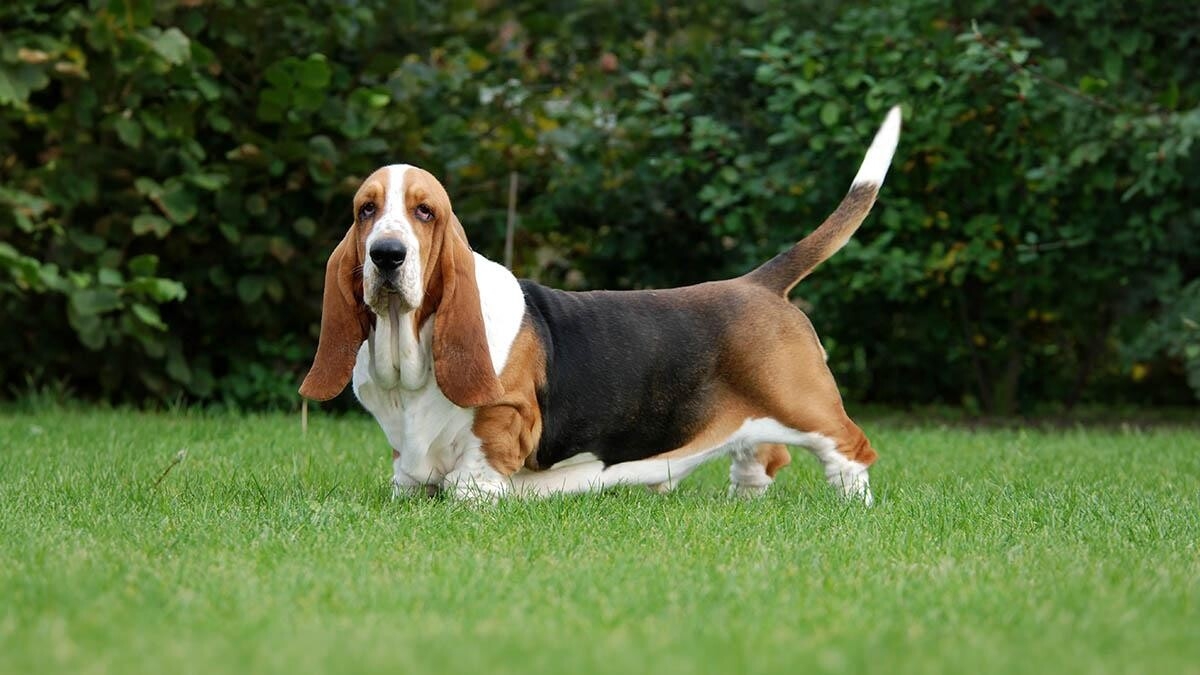
Basset Hound Dog Characteristics, Care and Temperament
A short walk with a Basset Hound can unexpectedly become longer with breaks to examine scents.
Read guide →
Pet Lifestyle & Guides
Alaska Malamute Dog Characteristics, Care and Temperament
When it comes to dogs that can withstand cold weather, one of the first that comes to mind is the Alaska Malamute, a strong sled dog bred to pull…
Read guide →
Pet Lifestyle & Guides
Boston Terrier Dog Characteristics, Care and Temperament
The Boston Terrier is a compact and well-balanced breed classified as a small breed of dog. Its short, glossy coat, erect ears, large round eyes…
Read guide →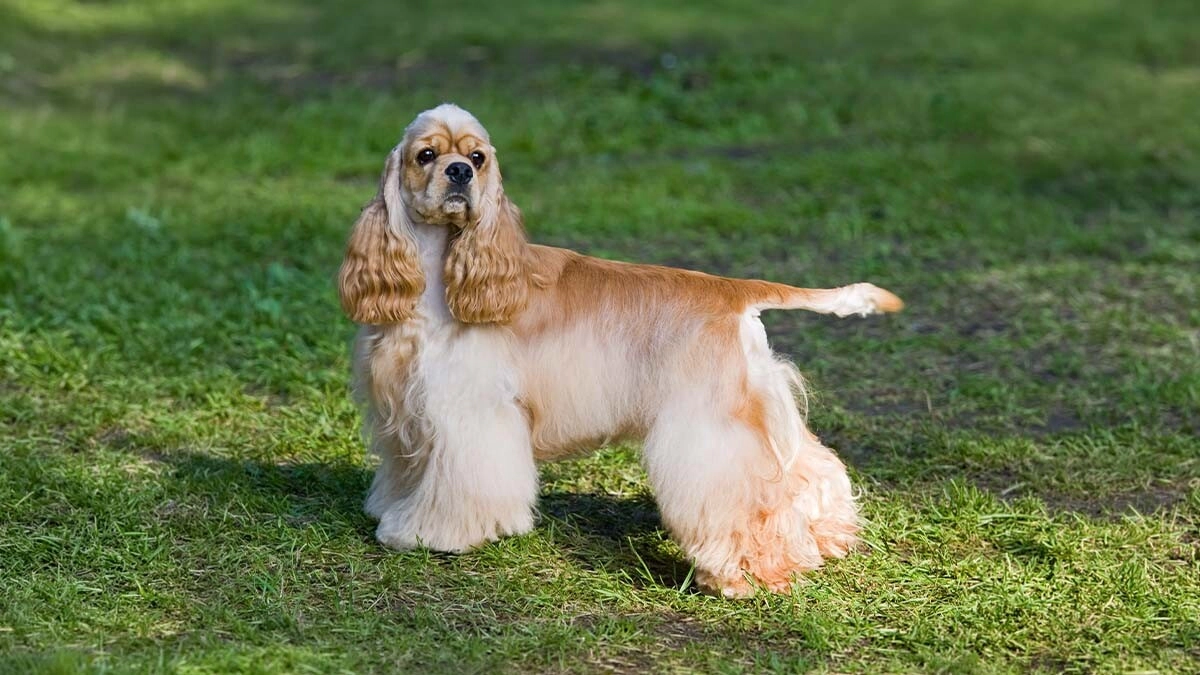
Pet Lifestyle & Guides
American Cocker Spaniel Dog Characteristics, Care and Temperament
The American Cocker Spaniel's gentle gaze, silky fur, and cheerful demeanor make it easy to quickly bond with this breed.
Read guide →