Savannah Cat Characteristics, Care and Temperament
The Savannah cat stands apart in the world of domestic cats not only for its distinctive appearance but also for its pace of life. Its striking physical structure is complemented by a high level of curiosity, a strong desire for activity, and a tendency to constantly interact with its surroundings.
Advertisement
The Savannah cat stands apart in the world of domestic cats not only for its distinctive appearance but also for its pace of life. Its striking physical structure is complemented by a high level of curiosity, a strong desire for activity, and a tendency to constantly interact with its surroundings.
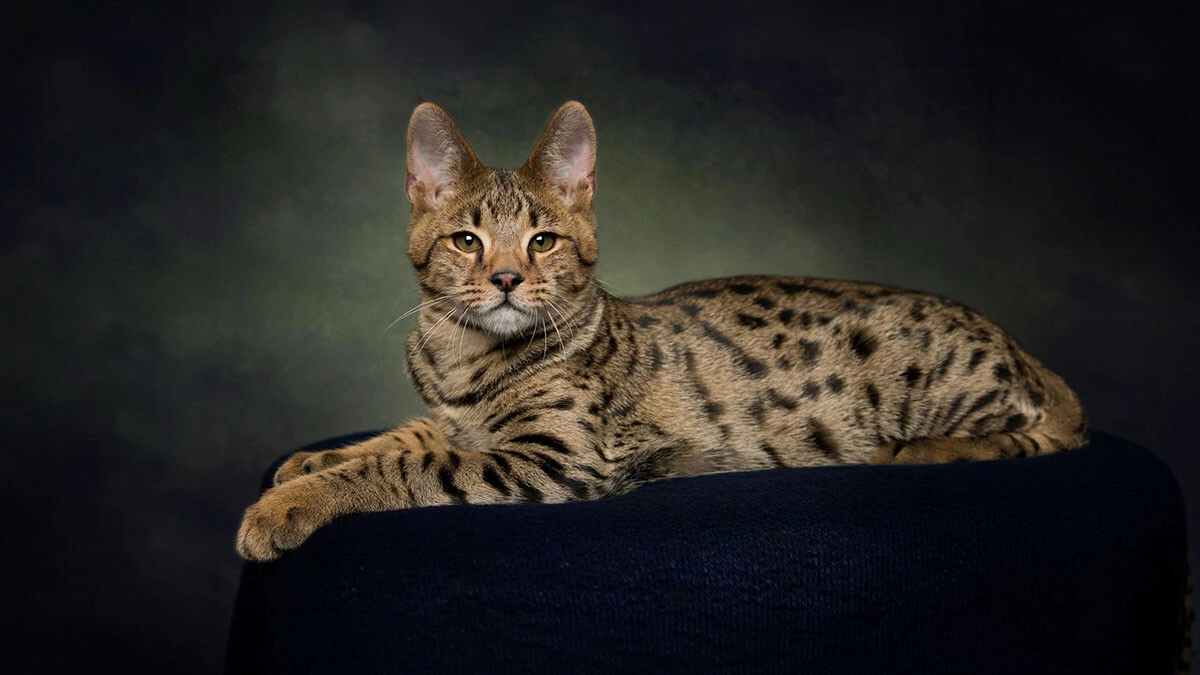
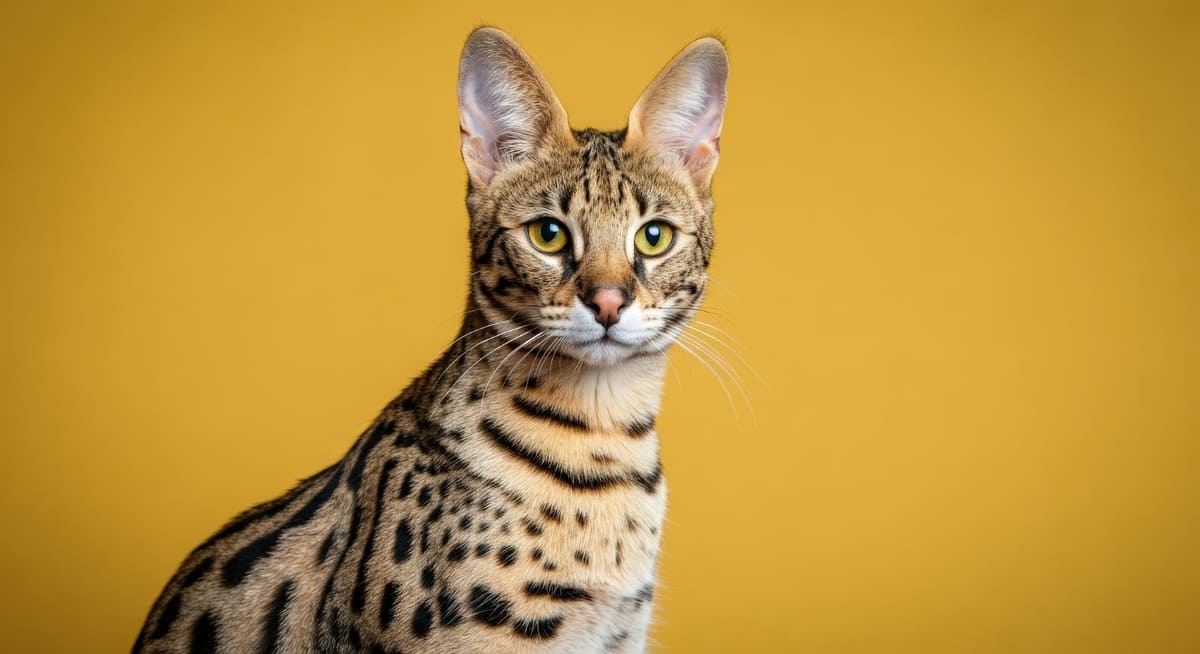
With its long legs, large ears, spotted coat pattern, and athletic body, it is reminiscent of wild cats at first glance. This appearance is no accident: the Savannah has a hybrid ancestry from servals and domestic cats.
Therefore, it would not be correct to evaluate the Savannah cat with the same expectations as classic house cats. It wants attention, wants to play, wants to climb high, and wants to explore its surroundings. Door handles, faucets, shelves, and tall cabinets can become small challenges for it to explore.
Naturally, when deciding to adopt a Savannah cat, one should look at its needs before its beauty. Genealogy information, legal status, selection of a reliable breeder, genetic health testing, and daily environmental enrichment are crucial for this breed. This article covers Savannah cat characteristics, character, adaptation to home life, care, nutrition, health tendencies, and things to know before adopting. Warning: This content is for general informational purposes only. The health, behavior, nutrition, legal status, and care needs of a Savannah cat may vary depending on individual circumstances. A veterinarian should be consulted for diagnosis, treatment, feeding plan, and health monitoring. General Characteristics of Savannah Cats The Savannah cat is an athletic cat breed, considered to be in the medium-large class, whose appearance is similar to lines resembling the African serval. The TICA breed standard describes the Savannah as a long, elegant, well-balanced domestic cat with prominent dark spots, resembling its serval ancestor.
This article provides information on Savannah cat characteristics, temperament, adaptation to home life, care, nutrition, health tendencies, and things to know before adopting.
Warning: This content is for general informational purposes only. The health, behavior, diet, legal status, and care needs of a Savannah cat can vary depending on individual circumstances. A veterinarian should be consulted for diagnosis, treatment, feeding plans, and health monitoring.
General Characteristics of Savannah Cats

The Savannah cat is an athletic cat breed, considered to be in the medium-to-large class, whose appearance is similar to the African serval. The TICA breed standard describes the Savannah as a long, elegant, balanced domestic cat with prominent dark spots resembling its serval ancestor.
The first registered Savannah kitten was born on April 7, 1986, and the breed was accepted for registration by TICA in 2001. Championship status was granted in 2012.
The body is long, slender, and muscular. The legs appear longer than average, with the hind legs slightly longer than the front legs. The neck is long, the ears are noticeably large, and the tail is of medium length. Females are generally smaller than males.
The coat is short to medium length. Standard colors include brown spotted tabby, silver spotted tabby, black, and black smoke. The spotted pattern is central in the breed standard.
Savannah Cat Character and Temperament
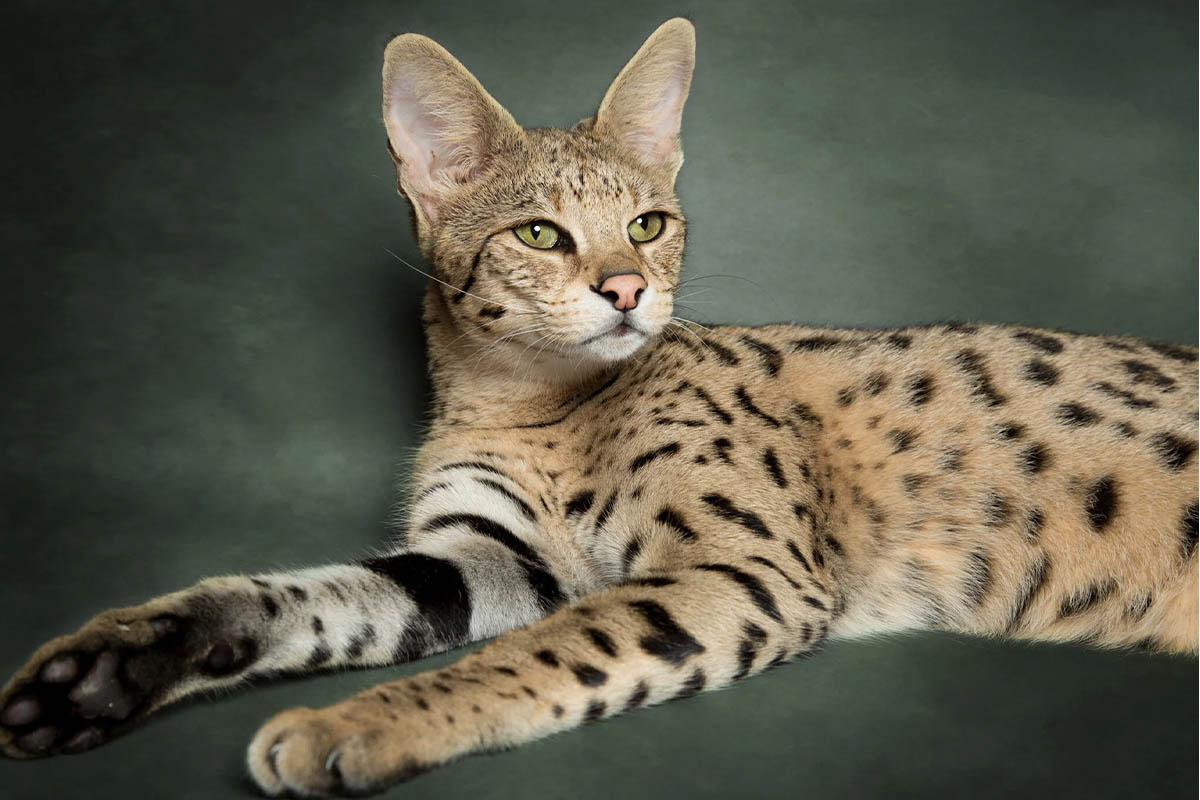
Savannah cats are generally described as intelligent, active, curious, and eager to interact with their humans. However, Savannah character cannot be summarized in a single sentence. Even among cats of the same breed, significant behavioral differences can be observed. Generational knowledge, early socialization, home environment, and the amount of daily stimulation can affect temperament.
They may have a high desire to play. They may exhibit behaviors such as climbing, jumping, chasing, exploring enclosed spaces, and following humans from room to room. Some Savannah cats may show interest in leash training, fetch games, or contact with water. These behaviors should not be expected to be at the same level in every individual.
Therefore, the answer to the question "Is a Savannah cat docile?" can be given conditionally. With appropriate environmental enrichment, proper socialization at an early age, and a regular play routine, they can adapt to home life. However, if their energy, hunting instincts, and physical strength are ignored, managing them can become difficult.
Is the Savannah Cat Suitable for Home Life?
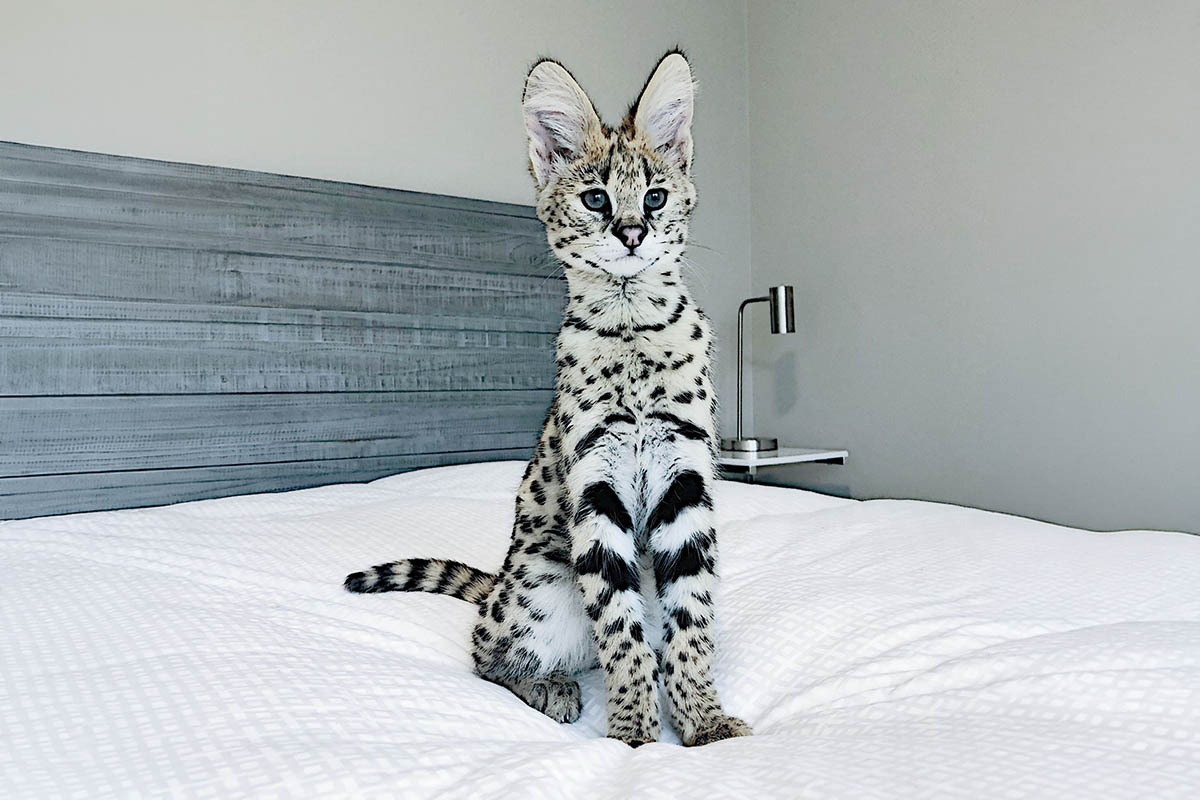
Savannah cats can be kept as pets in homes; however, it would not be correct to consider this breed with the expectation of a standard apartment cat. They need ample space to move around, safe vertical surfaces, scratching posts, and regular play.
While they can adapt to apartment life, this adaptation depends more on how you manage the cat's energy than on the size of the house. If the environment is not sufficiently enriched, their desire to climb, jump, and explore may be directed towards furniture, doors, or household items.
Indoor cat trees, wall shelves, window sill resting areas, scratching posts, and intelligence toys should be part of the daily routine. A safe balcony, enclosed cat yard, or controlled outdoor experience supported by leash training may be suitable for some Savannah cats. Free outdoor environments are risky for this breed. Due to their desire to explore, athletic build, and hybrid ancestry, it is not recommended to leave them unleashed outside.
Compatibility with children and other pets should not be taken for granted. PetMD states that Savannah cats can live in the same house with children, dogs, and other cats with proper socialization. However, generational differences should not be overlooked when making decisions about house living.
Generational Differences in Savannah Cats
Generational information in Savannah cats helps to understand how closely the cat is related to its serval ancestor.
F1 represents the first generation, F2 the second generation, and F3 a more advanced generation. Since early generations may show more affinity to their wild ancestors, behavior, care, legal processes, and adaptation to home life should be evaluated more carefully.
F3 and later generations may be considered more manageable options for most families; however, not every cat has the same character. Therefore, in addition to generation information, socialization, health tests, breeder records, and home environment should also be considered when making a decision.
How to Care for a Savannah Cat?

The high energy of this breed, its environmental needs, and daily routines are also an important part of its care. However, when it comes to care, one of the first things that comes to mind is the coat structure and how to maintain the fur.
Savannah Cat Coat Care
Savannah cats have short to medium-length fur. Therefore, coat care often doesn't require an intensive routine; brushing once a week is usually sufficient. During brushing, it's necessary to remove shedding hair, check the skin surface, observe the quality of the fur, and get the cat used to regular manual checkups.
The amount of shedding in Savannah cats can vary depending on the season, diet, and individual characteristics. Although their short coat can reduce the grooming burden, shedding doesn't completely disappear. If you notice dullness, excessive shedding, or localized hair loss, you should consult a veterinarian.
Savannah Cat Dental and Nail Care
Nails should be checked regularly and carefully trimmed when necessary. It is important not to damage the living tissue of the nail during trimming. Scratching posts can help the nails wear down naturally. Oral and dental health is also an important part of the grooming routine. Regular oral care can be done with toothbrushes and appropriate products made for cats. Veterinary evaluation may be necessary if signs of bad breath, gum redness, or discomfort while chewing are observed. Savannah Cat Ear and Eye Care Ears should be checked at regular intervals. Bad odor, heavy dirt buildup, redness, or frequent scratching may indicate a problem beyond the normal care needs. The ear canal should not be interfered with during cleaning; only the visible areas should be cleaned with appropriate products. The area around the eyes can be gently wiped with a soft, clean cloth as needed. Signs such as persistent discharge, redness, or squinting should be monitored.
Oral and dental health is also an important part of the care routine. Regular oral care can be done with toothbrushes and appropriate products designed for cats. Veterinary evaluation may be necessary if signs of bad breath, gum redness, or discomfort while chewing are observed.
Savannah Cat Ear and Eye Care
Ears should be checked at regular intervals. Bad odor, excessive dirt buildup, redness, or frequent scratching may indicate a problem beyond normal care needs. During cleaning, the ear canal should not be interfered with; only the visible areas should be cleaned with appropriate products.
The area around the eyes can be gently wiped with a soft, clean cloth as needed. Symptoms such as persistent discharge, redness, or squinting should be monitored.
Daily Activity Needs of a Savannah Cat
One of the most notable aspects of caring for this breed is its need for physical and mental activity. High platforms, scratching posts, and interactive toys that encourage hunting behavior should be part of daily life. Treat puzzles and problem-solving games can also provide mental stimulation.
Regular cleaning of the litter box, enriching its living space, and providing activities where it can channel its energy help improve the Savannah cat's daily quality of life.
Savannah Cat Nutrition and Potential Health Problems
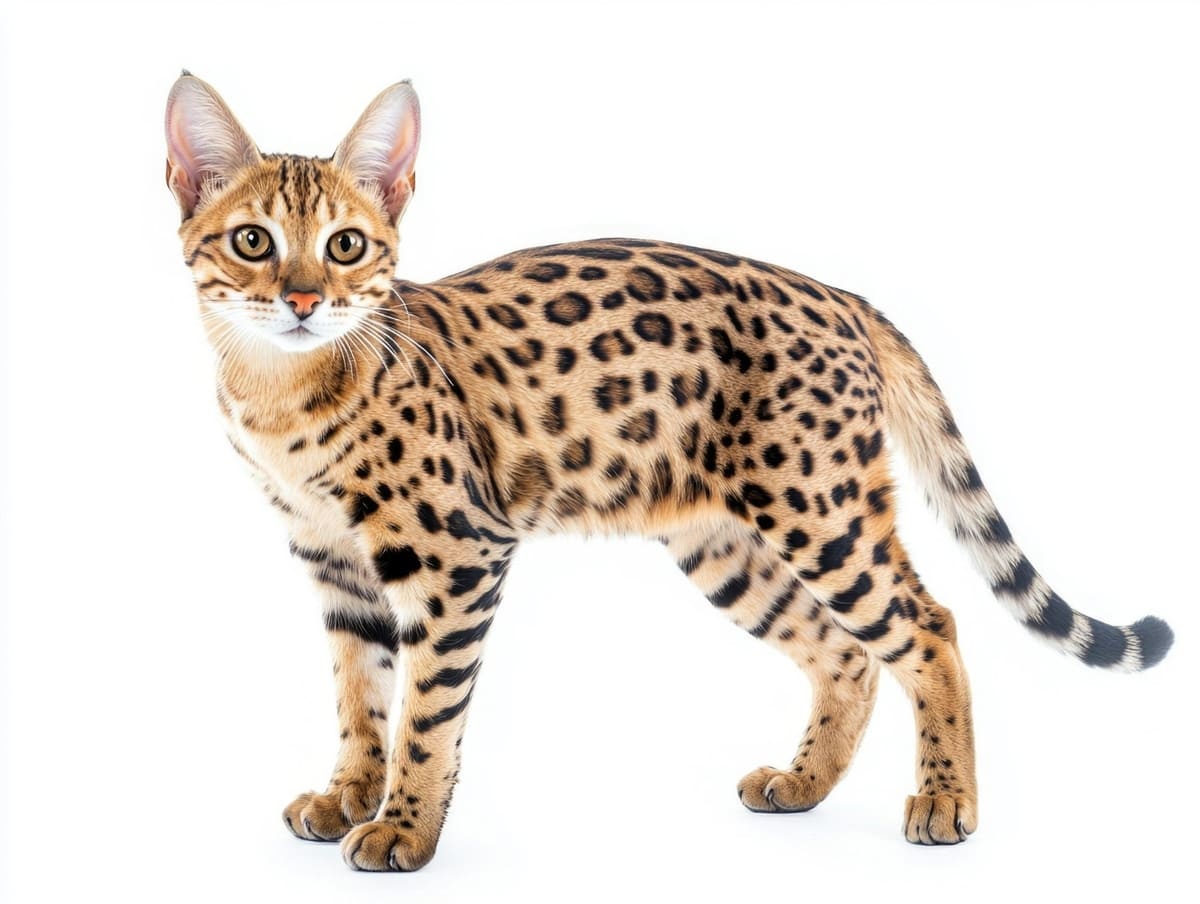
A Savannah cat's diet should be planned according to its age, weight, activity level, generational characteristics, and health status. Being an active and athletic breed doesn't mean their food bowl can always be kept full. Uncontrolled calorie intake can make weight management difficult, especially in neutered and indoor cats. For example, when it comes to Savannah kitten care, the feeding plan should be tailored to meet the energy and protein needs during the growth period. Instead of adult cat food, kitten food appropriate for the cat's life stage should be preferred during the kitten stage. Food transitions should not be made abruptly, and portion sizes and meal schedules should be determined with the advice of a veterinarian. PetMD states that Savannah cats can be fed commercial dry and wet cat food; the food should have a complete and balanced content appropriate for the cat's life stage. The same source notes that food puzzles, slow-eating food bowls, and foraging games can support the natural behaviors of this breed. Dividing daily meals into two or more small portions may be more suitable for some Savannah cats.
For example, when it comes to Savannah kitten care, the feeding plan should be adjusted to meet the energy and protein needs during the growth period. Instead of adult cat food, kitten food appropriate for the life stage should be preferred during the kitten period. Food transitions should not be made suddenly, and portion sizes and feeding schedules should be determined with the advice of a veterinarian. PetMD states that Savannah cats can be fed commercial dry and wet cat food; the food should be complete and balanced, appropriate for the cat's life stage. The same source notes that food puzzles, slow-feeding food bowls, and foraging games can support this breed's natural behaviors. Dividing daily meals into two or more small portions may be more suitable for some Savannah cats. Dental and oral health: Tartar buildup, gingivitis, and periodontal disease can also occur in Savannah cats. Symptoms such as gum redness, bad breath, discomfort while chewing, increased salivation, or avoidance of hard foods may indicate oral health problems. Regular brushing, veterinarian-recommended oral care products, and periodic checkups help maintain oral health.
PetMD states that Savannah cats can be fed commercial dry and wet cat food; the food should be complete and balanced, appropriate for the cat's life stage. The same source notes that food puzzles, slow-feeding food bowls, and foraging games can support this breed's natural behaviors. Dividing daily meals into two or more small portions may be more suitable for some Savannah cats. Dental and oral health:
Savannah cats are generally healthy; however, some genetic health issues should be carefully monitored. PetMD gives an average lifespan of 12-20 years for Savannah cats. This duration is related to genetic makeup, quality of care, diet, weight control, living conditions, and regular veterinary checkups.
Some conditions to watch out for in this breed and in general feline health:
Pyruvate kinase deficiency: This is a hereditary disease that affects the energy production of red blood cells and can lead to hemolytic anemia over time. UC Davis Veterinary Genetics Laboratory lists Savannah cats among the breeds that can be evaluated for this genetic test.
For symptoms of the disease to appear, the mutated gene must be inherited from both parents. Affected cats may exhibit lethargy, exercise intolerance, loss of appetite, weight loss, pale gums, jaundice, and an enlarged spleen. While some cats may remain asymptomatic for a long time, others may experience periodic episodes of anemia.
Progressive retinal atrophy: This is a hereditary eye disease that develops as a result of the light-sensitive cells in the retina losing their function over time. Both early and late-onset PRA forms can be seen in Savannah cats.
The disease usually begins with decreased night vision and can lead to vision loss in later stages. Veterinary eye examination is recommended if symptoms such as shyness in dark environments, bumping into objects, difficulty using stairs, or constantly dilated pupils are noticed.
Hypertrophic cardiomyopathy: This is one of the most common heart diseases in cats, characterized by thickening of the heart muscle. It may not show any symptoms in the early stages. As the disease progresses, rapid or labored breathing, easy fatigue during exercise, loss of appetite, weakness, and fainting may occur. In advanced cases, sudden paralysis in the hind legs may develop due to heart failure or blood clots. Dental and oral health: Tartar formation, gingivitis, and periodontal diseases can also occur in Savannah cats. Symptoms such as gum redness, bad breath, discomfort while chewing, increased salivation, or avoidance of hard foods may indicate oral health problems. Regular brushing, veterinarian-recommended oral care products, and periodic checkups help maintain oral health. Health problems related to stress and behavior: Savannah cats need environmental enrichment due to their high intelligence and high energy levels. Insufficient physical activity or mental stimulation can result in stress, excessive vocalization, destructive behavior, changes in appetite, or inappropriate toilet habits in some individuals.
Tartar buildup, gingivitis, and periodontal disease can also occur in Savannah cats. Symptoms such as gum redness, bad breath, discomfort while chewing, increased salivation, or avoidance of hard foods may indicate oral health problems. Regular brushing, veterinarian-recommended oral care products, and periodic checkups help maintain oral health.
Health problems related to stress and behavior: Savannah cats need environmental enrichment due to their high intelligence and high energy levels. Insufficient physical activity or mental stimulation can result in stress, excessive vocalization, destructive behavior, changes in appetite, or improper toilet habits in some individuals.
Things to Know Before Adopting a Savannah Cat
Before adopting a Savannah cat, its daily needs and hybrid history should be considered.
- Generational information should be learned: Early generations such as F1, F2, and F3 should be handled more carefully in terms of behavior, care, and legal processes.
- The home environment should be suitable: Savannah cats need a climbing area, a play routine, scratching posts, and a safe living space.
- Time needs should be considered: A low-stimulation home environment where they will be left alone for long periods can be challenging for this breed.
- Caution should be exercised with small pets: Birds, small rodents, and free-roaming small animals may be at risk due to their hunting instincts.
- Legal status should be checked: Up-to-date official information regarding adoption, import, and documentation processes in Turkey should be reviewed.
- Veterinary follow-up should be planned: Genetic tests, weight control, feeding regimen, and regular health check-ups should not be neglected.
Frequently Asked Questions About Savannah Cats
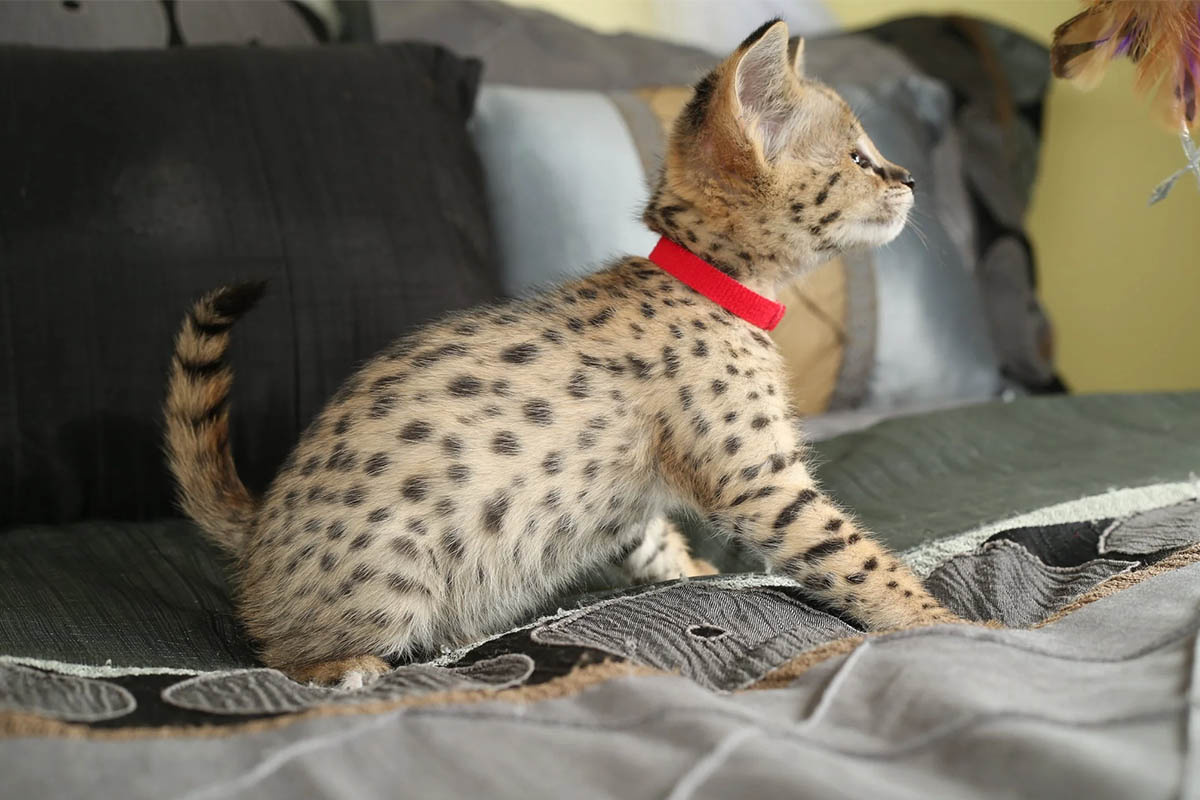
Do Savannah cats shed?
Savannah cats shed. Due to their short-to-medium length coat, the grooming burden is lower than many long-haired breeds. Seasonal changes, diet, stress, and overall health can affect the amount of shedding. Weekly brushing helps remove shed hairs and check the skin surface. Can a Savannah cat be left alone at home? S066532S06653 ...
Can a Savannah cat be left alone at home?
A Savannah cat can be left alone for short periods. However, being left alone for long hours in a low-stimulation home can be challenging for this breed. Daily human interaction is an important part of caring for this breed.
Do Savannah cats get along well with children?
Savannah cats can get along with children. Compatibility depends on the cat's generation, temperament, socialization history, and the child's relationship with the cat. Behaviors such as running, sudden contact, and squeezing can create stress in some cats. Therefore, introductions should be controlled, and communication should proceed under adult supervision.
How long do Savannah cats live?
The average lifespan of a Savannah cat is generally given as 12-20 years in sources. This period is related to genetic structure, quality of nutrition, weight control, safe living environment, and regular veterinary check-ups. While breed-specific health tendencies do not necessarily mean disease, regular monitoring allows for early detection.
Who are Savannah cats suitable for?
The Savannah cat is a more suitable breed for people who are ready to live with an active, curious, and strong-willed cat. People who can organize their homes with climbing areas, play routines, and safe exploration spots can more easily meet the needs of this breed. It may not be the right choice for those looking for a calm, slow-paced cat that is suitable for being left alone for long periods.
Kaynaklar:
https://tica.org/breed/savannah/
https://tica.org/phocadownload/sv.pdf
https://icatcare.org/articles/savannah
https://icatcare.org/news/the-cat-group-position-statement-on-hybrid-cats
https://www.chewy.com/education/cat-breeds/savannah-cat
https://www.petmd.com/cat/breeds/savannah
https://vgl.ucdavis.edu/test/pk-deficiency-cat
https://www.savannahbreedsection.com/
https://www.savannahbreedsection.com/how-to-find-a-good-savannah-cat-breeder/
https://www.savannahbreedsection.com/savannah-cat-faq/
https://www.purina.co.uk/find-a-pet/cat-breeds/savannah
https://catvets.com/wp-content/uploads/2024/01/2017-HybridCats-Statement.pdf
https://www.nationalgeographic.com/animals/article/savannah-cats-tik-tok-servals-pets-controversy
Advertisement
Advertisement
Keep exploring
Continue reading

Cat Care
Is My Cat Coughing or Trying to Pass a Hairball?
Seeing your cat crouch down, stretching its neck, and trying to expel something with a strange sound can be unsettling.
Read guide →
Cat Care
York Chocolate Cat Characteristics, Care and Temperament
With its dark brown fur, watchful eyes, and observant demeanor, the York Chocolate is a cat that sparks curiosity at first sight.
Read guide →
Cat Care
Tiffanie Cat Characteristics, Care and Temperament
Silky fur, on its neck With its frilly mane and large, curious eyes, the Tiffanie cat immediately catches the eye.
Read guide →
Cat Care
Snowshoe Cat Characteristics, Character and Care
The Snowshoe cat is a unique breed developed by the controlled mating of Siamese cats and American Shorthair cats.
Read guide →