Scottish Fold Cat Characteristics, Care and Feeding
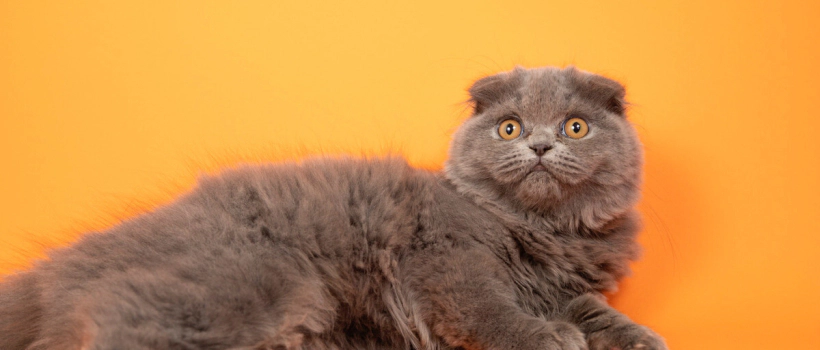
The Scottish Fold, also known as the Highland Fold, is among the most popular cat breeds thanks to its cute appearance and affectionate behavior. Distinguished by its small, forward-facing ears, the Scottish Fold is quite social but doesn't exhibit persistent behavior to attract attention.
Advertisement
The Scottish Fold, also known as the Highland Fold, is among the most popular cat breeds thanks to its cute appearance and affectionate behavior. Distinguished by its small, forward-facing ears, the Scottish Fold is quite social but doesn't exhibit persistent behavior to attract attention. Its large eyes and forward-facing ears lead many to compare it to an owl. Because the gene causing its ears to fold forward is associated with a painful skeletal disorder, its breeding is heavily criticized by animal rights advocates worldwide. In this article, you can find information about the characteristics of the Scottish Fold cat, one of the most beloved cats in our country, and learn about the details of its care process.
|
Other Names |
Scottish Fold Longhair (for the long-haired variant) |
|
Karakteri |
Calm, friendly, playful, people-oriented, docile |
|
Weight |
3,5 - 6 kg |
|
Shoulder Height |
20 - 30 cm |
|
Hair Length |
Short or long |
|
Hair Colors |
Gray, white, black, blue, cream, orange |
|
Coat Patterns |
Solid, tabby, bicolor, patterned |
|
Eye Color |
Gold, blue, green, copper |
|
Average Lifespan |
11 - 15 years |
|
Origin |
Scotland |
|
Hipoalerjenik mi? |
No |
Origin and History of the Scottish Fold Cat
Susie, a cat born on a farm in Perthshire, Scotland in 1961, is considered the first representative of the Scottish Fold breed. Born with folded ears due to a natural mutation, her genes were passed on to half of her kittens, prompting William Ross to begin breeding them. Over time, it was noticed that the kittens were not born with folded ears; the ears began to fold after the kittens reached 21 days old. The discovery that the gene causing the folded ears negatively affected cartilage and bone development deepened the debate surrounding the breeding of Scottish Fold cats. In 1971, their registration with the Cat Fancy Governing Council was withdrawn due to ethical concerns. These decisions in the United Kingdom did not prevent Scottish Fold breeding from continuing in other countries. This cat breed spread rapidly in the United States and was recognized by many organizations.

Physical Characteristics and Appearance of the Scottish Fold Cat
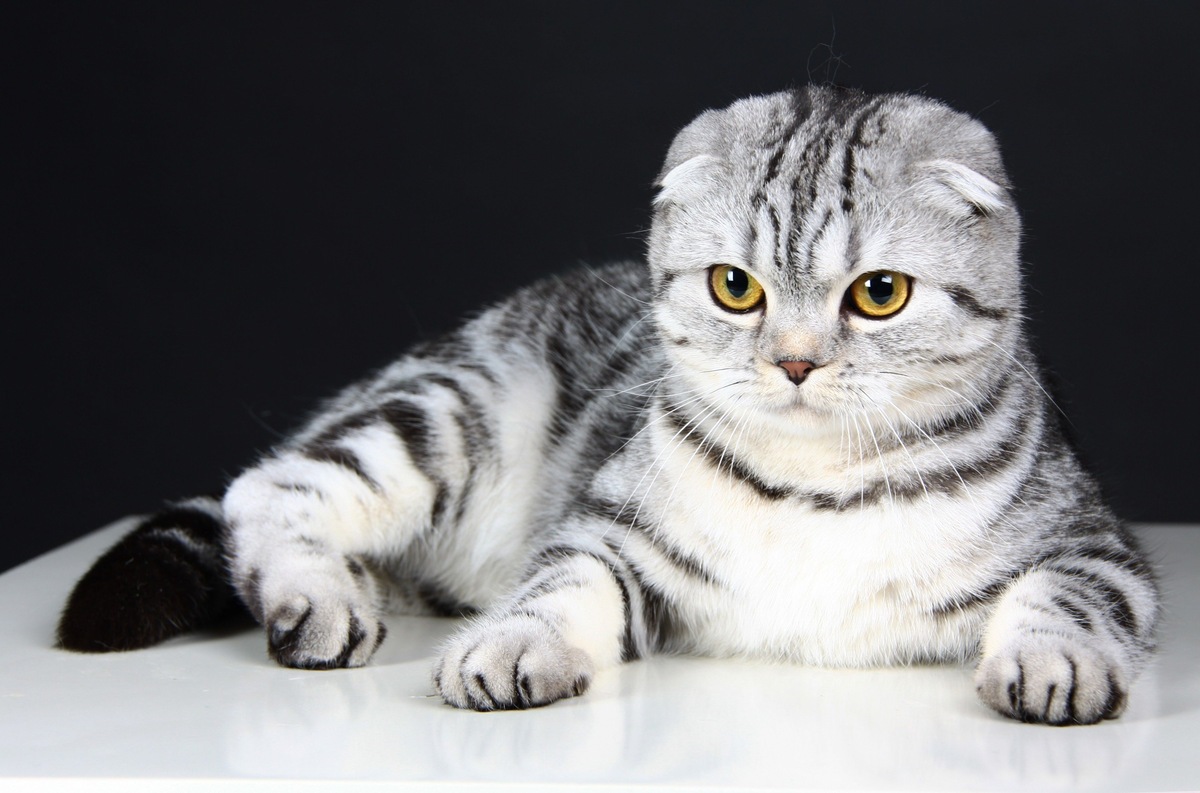
Known for getting along well with people and other animals, the Scottish Fold is a medium-sized cat breed. Its ears, which fold forward, are one of its most distinctive features. The breed's rounded shape is also among the characteristics of the Scottish Fold. Its body is sturdily built, and its legs are somewhat short. Its tail is also generally shorter than other cats. Its large eyes have a circular shape. They are mostly short-haired, but long-haired ones are also possible. The color of their fur and eyes can vary. In adulthood, they can weigh approximately 5 kg. Their height can reach approximately 76 cm.
- Their most distinctive physical feature is their small ears that fold forward.
- Their heads are round and broad.
- Their eyes are large and round.
- They have a medium-sized, muscular and sturdy body.
- Their legs vary in length from short to medium and are strong.
- Their tails are usually thick and end in a rounded tip, which may limit their mobility.
- Scottish Folds can be both short-haired and long-haired. All have soft and dense fur.
- Their coat colors and patterns are quite varied, with many different combinations possible.
Scottish Fold Cat Character Traits
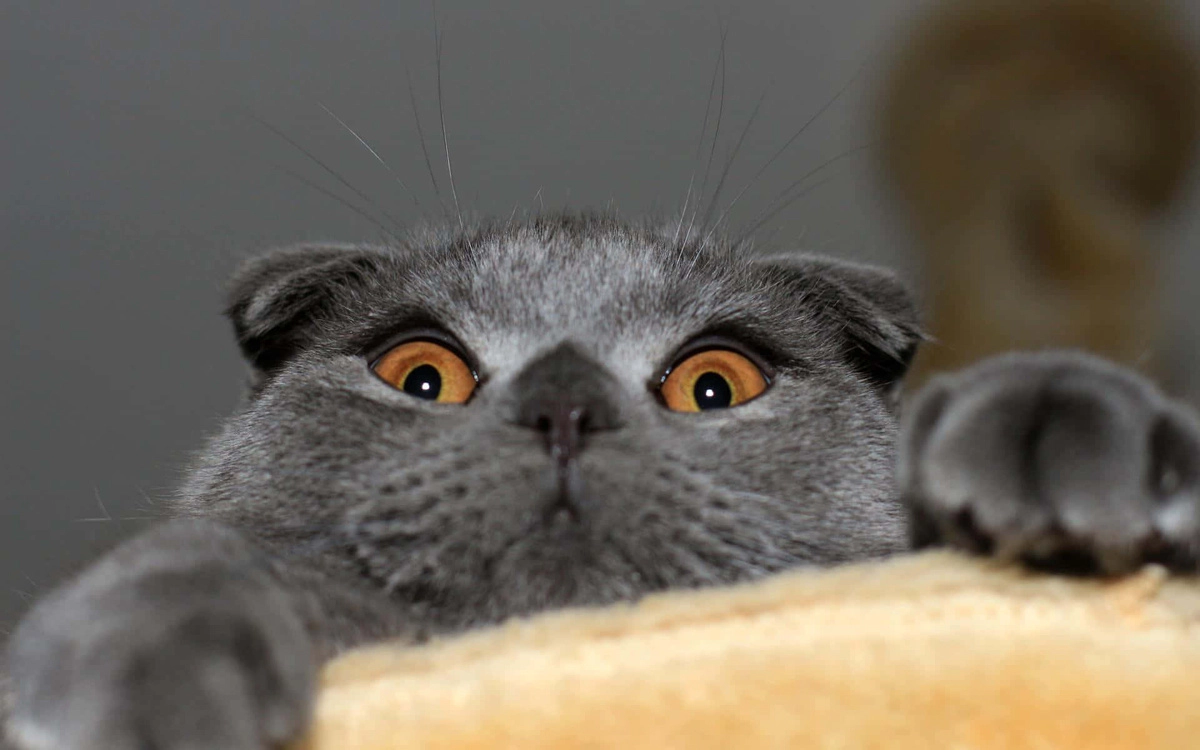
Aside from their cute appearance, the reason Scottish Fold cats are so loved is their wonderfully remarkable character. They have a carefree and social nature. They get along well with people, cats, and dogs. They can even live harmoniously in homes with multiple pets. They are known to adapt successfully to the lives of families with children. At this point, it should be noted that they may be uncomfortable with being squeezed too much by children. Their exercise requirements are known to be moderate; they like to play, but it cannot be said that they are very fond of games. They shed a moderate amount of hair, so it is recommended not to neglect their grooming routines. They are known to be less noisy than other cats. As mentioned earlier, they get along well with people, especially those they live with, and they have a strong affection for them. Although they enjoy spending time with them, they are not demanding. Being where people are sitting is usually enough for them. The prominent character traits of Scottish Fold cats can be listed as follows: They are very devoted to their owners and constantly seek attention and closeness. They do not like being alone and enjoy spending time with people at home. They are generally quiet cats and do not meow much. While they are quite active and playful as kittens, they become calmer as adults. Scottish Fold cats are quite intelligent. They can easily enjoy puzzles and toys. They enjoy learning new things. They are extremely curious about their surroundings. They like to observe what is happening in the house and explore every corner.
The prominent character traits of Scottish Fold cats can be listed as follows:
- They are very devoted to their owners, constantly seeking attention and closeness. They dislike being alone and enjoy spending time with people at home.
- Genellikle sessiz kedilerdir ve fazla miyavlamazlar.
- While quite active and playful as kittens, they become calmer as adults.
- Scottish Fold cats are quite intelligent. They can easily enjoy puzzles and toys. They enjoy learning new things.
- They are extremely curious about their surroundings. They like to observe what's happening at home and explore every corner.
- They get along well with people and other pets. They are generally friendly towards guests.
- They adapt easily to different environments. They can feel comfortable and calm even in noisy or crowded homes.
- Scottish Fold cats love to lie in laps. Physical contact with their owners is not a problem for them.
- Although affectionate, they can also spend time alone when necessary. They may sometimes prefer to rest alone rather than chase after their owners.
- Some Scottish Fold cats may show occasional mood swings. This may sometimes cause them to seem a little distant, but this is usually temporary.

Scottish Fold Cat Care and Tips
Technically, it can be said that the care needs that arise in all cats also apply to Scottish Fold cats. However, it is important to have detailed information about the characteristics and care of the breed. Since they generally have short and dense fur, it can be stated that they are at a higher risk of forming hairballs. You can find detailed information on the subject in our content titled "Why Do Hairballs Form in Cats? What Are the Symptoms?".
How to Prevent Hairballs?
To reduce the risk of hairball formation, it is recommended to brush them at least once a week. In this way, dead and damaged hairs can be collected without being swallowed. Regular brushing will also bring your Scottish Fold cat closer to you.
Why is Regular Nail Trimming Important?
Scottish Fold cats also need their nails trimmed regularly. Overgrown nails can cause pain when they move. You can find nail clippers here to help you trim your cat's nails without any problems.
What Should Their Tooth Brushing Routine Be Like?
Brushing their teeth is also part of the grooming routine for Scottish Fold cats. Regularly brushing their teeth can prevent oral and dental health problems, as well as potential heart, kidney, and overall quality of life issues. Since tartar buildup in cats can occur in approximately 48 hours, you can establish a healthy routine by brushing their teeth 3-4 times a week with a soft-bristled cat toothbrush or finger brush.
What to Pay Attention to During Ear Cleaning?
One of the important care processes for them is not neglecting ear cleaning. The anatomical structure of their ears increases the importance of making ear cleaning a routine. Ear cleaning can generally be done by checking the inside of the ears every 2 to 4 weeks. In this context, it is important to prioritize products formulated for ear cleaning in cats. If your cat has a bad odor, discharge, or frequent itching in its ears, we recommend that you consult your veterinarian.
How to Protect Mental Health?
Reducing care processes to routines such as fur brushing, ear cleaning, and teeth brushing is not enough. Like all other cats, Scottish Folds also need time dedicated to themselves. Interactive games, in particular, are known to be important for their mental and physical stimulation. Interactive games are known to stimulate cats mentally and physically, as well as strengthen their interaction with humans. You can find important information on this topic in our content titled "Benefits of Playing Interactive Games with Cats".
How to Create a Feeding Plan?
The feeding of a happy and healthy Scottish Fold also needs to be carefully planned. High-quality foods selected according to their age, general health, and activity level should be at the center of the feeding plan. You can find important information in our content "Scottish Fold Food Selection and Recommendations" where we shared details on this topic in the past.
How Should Care Be According to Age Groups?
|
Kitten Period (0-12 months) |
Regular veterinary check-ups and vaccination follow-ups are important. Healthy bone development is supported by choosing the right kitten food. Controlled activities should be planned with gentle play that does not encourage excessive jumping. Movement and posture should be observed. |
|
Adult Period (1-7 Years) |
Weight control is very important as it directly affects joint health. Annual orthopedic and general health check-ups should be performed. Joint-supporting supplements can be given as recommended by your veterinarian. Dental and ear cleaning should be part of your care routine. |
|
Senior Period (7 Years and Older) |
Pain symptoms in joints that weaken with age should be closely monitored. Softer and less jumping, easily accessible living spaces should be created. Veterinary visits should be made every 6 months for health checks such as heart and kidney function tests. |
Importance of Veterinary Follow-up for Scottish Fold Cats
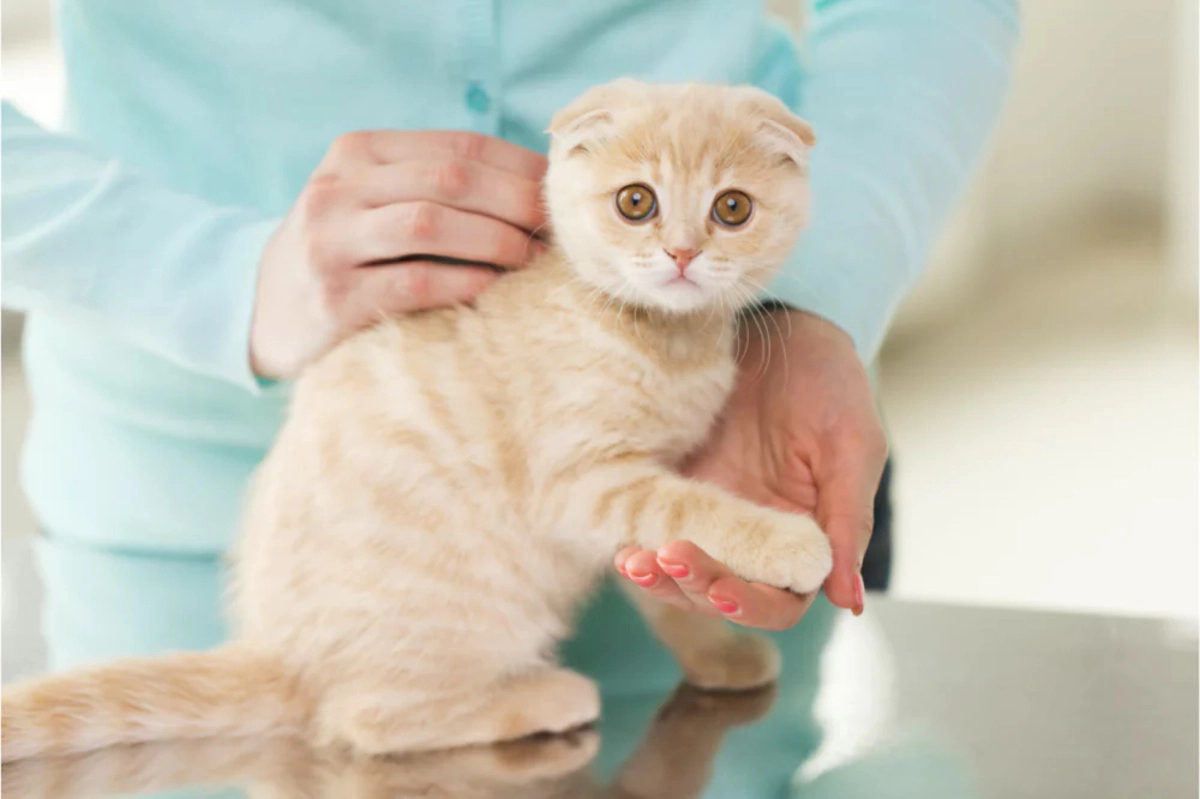
The most sensitive point that Scottish Fold cat parents should be aware of is that this breed is genetically predisposed to skeletal disease. It is necessary to know that the genetic truth behind the cute appearance of their tiny ears is the result of a type of cartilage tissue mutation.
This disease, called osteochondrodysplasia; This is a developmental anomaly that can be seen in all cats with folded ears, affecting the cartilage structure in the body and leading to joint inflammation. It is frequently observed that cats with this condition experience reluctance to move and chronic pain problems as they age.
Veterinarians particularly emphasize the importance of regular orthopedic examinations and radiographic follow-ups. Considering the risk of heart disease and obesity, it is important not to neglect periodic follow-ups for early diagnosis of possible diseases. If you are considering adopting a Scottish Fold cat, we recommend that you be prepared to take responsibility for the genetic burden that comes with your cat.
Common Diseases in Scottish Fold Cats
Genetic risks and periodic veterinary check-ups can expose you to possible diseases that your Scottish Fold cat may experience over time. Knowing about common diseases in Scottish Fold cats beforehand can make symptom monitoring easier and give you the chance to guide your veterinarian correctly for preventive measures. Let's take a closer look at the symptoms and problems these diseases cause. What is Osteochondrodysplasia in Cats? Osteochondrodysplasia, a disease that negatively affects the cartilage structure in the body, is becoming increasingly well-known due to Scottish Fold cats having folded ears. Characterized by abnormal bone formations at the ends of bones, this condition can limit the mobility of cats and cause pain. The manifestations of this disease in cats can vary: In some cats, bone deformities may occur, in others the bones may be excessively long, and in some, the legs may be shorter than normal. Different methods can be used during diagnosis. Physical examination, MRI, spinal CT, and bone scan are possible methods. Once diagnosed, there is no definitive cure for the disease. The main goal of treatment planning is to minimize the symptoms caused by the disease and improve the cats' quality of life. Although rare, surgical treatment methods may be necessary. This developmental anomaly does not affect the lifespan of Scottish Fold cats. It is known that their lifespan can reach up to 14 years. Hypertrophic Cardiomyopathy Hypertrophic cardiomyopathy in cats is a common heart disease that occurs especially in the left ventricle, characterized by thickening of the heart muscle walls, reducing the heart's efficiency and disrupting blood circulation. While the exact cause of this disease, which can lead to serious consequences such as oxygen deficiency and heart failure, is unknown, it is thought that some breeds have a genetic predisposition. Cats with this disease may not show noticeable symptoms. This disease can be suspected when symptoms such as rapid breathing, lethargy, and mouth breathing are observed. In severe cases, blood clots can form, causing paralysis in the hind legs. There is no definitive cure. Medication can be used to alleviate symptoms and prevent complications. Cats with mild symptoms can live for many years, while the condition may worsen in cats with complications. Polycystic Kidney Disease Polycystic kidney disease is a genetic disorder that can also be seen in Scottish Fold cats. Cysts form in the kidneys, causing permanent damage. Symptoms include increased thirst, frequent urination, loss of appetite, muscle wasting, and weight loss. It usually appears in cats aged 7 and older, but can also be seen in kittens as young as 6 months. It can be diagnosed with blood tests, urine analysis, X-rays, or ultrasounds. What Do Scottish Fold Cats Eat, How Should They Be Fed?
What is Osteochondrodysplasia in Cats?
Osteochondrodysplasia, a disease that negatively affects the cartilage structure in the body, is becoming increasingly well-known in Scottish Fold cats due to their distinctive folded ears. Characterized by abnormal bone formations at the ends of bones, this condition can limit mobility and cause pain in cats. The effects of this disease can vary in cats: some cats may develop bone deformities, some may have excessively long bones, and some may have legs shorter than normal. Different methods can be used during diagnosis. Physical examination, MRI, spinal CT, and bone scans are possible methods. Once diagnosed, there is no definitive cure for the disease. The main goal of treatment planning is to minimize the symptoms caused by the disease and improve the cats' quality of life. Although rare, surgical treatment methods may be necessary. This developmental anomaly does not affect the lifespan of Scottish Fold cats. It is known that their lifespan can reach up to 14 years.
Hipertrofik Kardiyomiyopati
Hypertrophic cardiomyopathy in cats is a common heart disease characterized by thickening of the heart muscle walls, particularly in the left ventricle, reducing the heart's efficiency and disrupting blood circulation. While the exact cause of this disease, which can lead to serious consequences such as oxygen deficiency and heart failure, is unknown, some breeds are thought to have a genetic predisposition. Cats with this disease may not show noticeable symptoms. Symptoms such as rapid breathing, lethargy, and mouth breathing should raise suspicion. In severe cases, blood clots can form, causing paralysis in the hind legs. There is no definitive cure. Medication can be used to alleviate symptoms and prevent complications. Cats with mild symptoms can live for many years, while those with complications may have a worse prognosis.
Polycystic Kidney Disease
Polycystic kidney disease is a genetic disorder that can also be seen in Scottish Fold cats. It causes permanent damage by forming cysts in the kidneys. Symptoms include increased thirst, frequent urination, loss of appetite, muscle wasting, and weight loss. It usually appears in cats aged 7 and older, but can also be seen in kittens as young as 6 months. It can be diagnosed with blood tests, urinalysis, X-rays, or ultrasounds.

What Do Scottish Fold Cats Eat, How Should They Be Fed?
One of the most important pillars of Scottish Fold nutrition is maintaining weight control. Since this breed doesn't move much and has moderate energy levels, excessive weight gain means excessive pressure on their skeletons. Obesity in cats, as in all cat breeds, can cause many health problems for Scottish Folds. It also increases the risk of diabetes. When creating feeding plans, it is necessary to make choices appropriate to their age, general health condition, whether they are neutered or not, and their activity level.
|
Selecting Balanced and High-Quality Food |
You should choose high-quality foods with a high animal protein content and formulated according to their age. |
|
Weight Control |
Excess weight puts pressure on the joints. You should weigh your cat regularly, especially after neutering, as they will likely prefer a sedentary lifestyle. Wet Food and Water Consumption You should support daily water intake to protect kidney health. Limiting Treats Overdoing treats will increase the risk of obesity. Veterinarian's Opinion It is very important to consult your veterinarian for the most suitable feeding plan for your cat's age, weight, activity level, and overall health. You can access cat foods formulated to meet the nutritional needs of our feline friends with different ingredients by clicking here. |
|
Wet Food and Water Consumption |
You should support daily water intake to protect kidney health. |
|
Limiting Treats |
Overindulging in treats will increase the risk of obesity. |
|
Veterinary Opinion |
It is very important to consult your veterinarian for the most suitable feeding plan for your cat's age, weight, activity level, and overall health. |
You can access cat foods formulated to meet the nutritional needs of our feline friends with different ingredients by clicking here.

Scottish Fold Cat Training
Training a Scottish Fold cat, like training any other pet, requires a patient and loving approach. You can encourage their positive responses to training with treats and displays of affection.
Behavioral Characteristics
- They have a calm and adaptable nature. You can often find them sleeping in a particular spot in the house.
- They tend to form close bonds with their owners and do not like being left alone for long periods.
- Their desire to play isn't very intense, and bursts of energy are short-lived. Observation and maintaining their comfort zone are important to them.
- Having a specific routine makes your Scottish Fold cat feel secure. Disrupting their daily routine increases their chances of becoming stressed.
- Early socialization with people and other animals helps Scottish Fold cats become more social.
Training Tips
- Rewarding - Treats and gentle praise to reinforce positive behavior will make it easier for your Scottish Fold cat to learn.
- Short and Regular Repetitions - You can plan regular training sessions with 5-10 minute repetitions to keep their attention.
- Feeding Their Instincts - By using a scratching post to guide their natural scratching behavior, you can prevent unwanted behavior and protect your furniture.
- Mental Stimulation - You can attract your Scottish Fold cat's attention to the point you want to teach them with intelligence toys and interactive games.
Common Characteristics of Scottish Fold Cat Owners
Scottish Fold cats are extremely well-suited to living in a calm and peaceful home environment. They are a very suitable choice for those considering adopting a cat for the first time. They are extremely adaptable and happy in homes with a warm and friendly family structure. Although they tolerate being left alone for a few hours during the day, if you have a lifestyle where they are left alone for long periods, we recommend adapting your life for the happiness of your Scottish Fold cat.
Scottish Fold Sahiplenirken Bilinmesi Gerekenler
-
These cats enjoy playing and are quite active indoors.
-
Generally exhibiting a playful and curious personality, Scottish Folds love to explore their surroundings.
-
They are both independent and can spend time on their own.
-
They can be a little talkative, so be prepared.
-
It is extremely important that they are fed a good diet and that their health checkups are not neglected.
-
Regular grooming once a week is necessary for them to stay healthy.

Frequently Asked Questions About Scottish Folds
In this section of our content, you can find answers to frequently asked questions about Scottish Fold cats.
What is a Scottish Fold cat?
The Scottish Fold is a cat breed originating from Scotland, known for its ears that fold forward. This folded structure is the result of a genetic mutation affecting the cartilage tissue. With its cute facial expression and rounded features, it is a popular house cat.
What are the characteristic features of a Scottish Fold cat?
Scottish Fold cats are known as a very intelligent and trainable breed. They love to form strong bonds with their owners and learn quickly thanks to their intelligence. Their quick learning ability allows them to easily grasp various games and activities. Like any cat, better results can be achieved with patient training and plenty of positive reinforcement. Mind-stimulating games, especially with toys, support the intelligence of Scottish Folds while helping them use their energy positively.
How to care for this cat breed?
The most important point to focus on in the care of Scottish Folds is weight control and maintaining joint health with regular veterinary check-ups. Dental, ear, and fur care should be done regularly, and their living space should be rearranged in a way that does not require jumping.
Scottish Fold kedisinin beslenmesinde nelere dikkat edilmeli?
High-quality foods with a high animal protein content should be preferred. Portion control is important because obesity puts a strain on the joints. Joint-supporting ingredients can be considered with veterinary advice.
What are the common health problems in Scottish Fold cats?
The most important risk is osteochondrodysplasia; this disease can lead to joint deformation and chronic pain. Heart disease and weight-related orthopedic problems can also occur. Regular check-ups are essential for early diagnosis.
Who are Scottish Fold cats suitable for?
They are suitable for people who like a calm home environment and are not looking for a high-energy breed. They are more ideal for individuals who spend time at home and can take on the responsibility of regular care. It is preferable that they are not left alone for long periods.
How should a Scottish Fold cat's coat be cared for?
Short-haired cats should be brushed 1 to 2 times a week, while long-haired cats should be brushed more frequently. Regular brushing reduces dead hair and prevents hairball formation. The frequency of grooming can be increased during seasonal changes.
Is there a risk of genetic diseases in this breed of cat?
Yes, unfortunately, there is such a risk. The gene that causes the ear fold also affects the skeletal system. Therefore, they carry a risk of genetically inherited joint diseases.
What are the exercise needs of a Scottish Fold cat?
Their exercise needs are moderate. Short play sessions and mental stimulation are sufficient for them. Due to joint health concerns, excessive jumping activities should be avoided.
How often should veterinary check-ups be done?
For healthy adult cats, at least one check-up per year is recommended. In some cases, due to risk factors, an examination every 6 months may be more appropriate. Check-ups should be more frequent during the senior period.
What are some special care tips to know about Scottish Fold cats?
Lack of movement should not be considered "laziness". Tail stiffness or lameness can be an early warning sign. Weight control and comfortable living space arrangement are critically important.
What should be considered when buying a Scottish Fold cat?
Responsible and ethical breeders or adopting a cat that has given birth should be preferred. The health history of the parent Scottish Folds should be investigated. The decision should be made not only based on appearance, but also by knowing the genetic health risks.
Kaynaklar:
https://www.petmd.com/cat/breeds/scottish-fold
https://www.dailypaws.com/cats-kittens/cat-breeds/scottish-fold
https://www.webmd.com/pets/cats/what-to-know-scottish-fold-cat
https://catinaflat.co.uk/blog/things-to-know-about-scottish-fold-cat
https://www.purina-arabia.com/find-a-pet/cat-breeds/scottish-fold
Advertisement
Advertisement
Keep exploring
Continue reading

Cat Nutrition
The Importance of Fiber in Cat Food: Its Role in Digestion, Hairballs, and Weight Control
Most people just glance at the "crude cellulose" line in the analysis table on the cat food packaging.
Read guide →
Cat Nutrition
The Importance of Wet Food Consumption in Cats During Summer
When temperatures rise, cats, just like us, may have difficulty maintaining their fluid balance.
Read guide →
Cat Nutrition
Mineral Balance in Dry Cat Foods: The Role of Calcium and Phosphorus
The suitability of cat food for a cat in the long term is not determined solely by protein, fat, or calories.
Read guide →
Cat Nutrition
Essential Cat Food Ingredient Terms for Cat Owners
If you are a cat parent with at least one cat eagerly awaiting your return and nourished by your love in addition to the food you provide, this…
Read guide →