Signs and Solutions to Jealousy in Cats
Like us, our beloved companions also have their own unique personalities. They may exhibit different behaviors in response to situations, and these behaviors may seem quite familiar to us.

Advertisement
Like us, our beloved companions also have their own unique personalities. They may exhibit different behaviors in response to situations, and these behaviors may seem quite familiar to us. One of the behaviors that catches our attention is jealousy, or at least, the behaviors that we perceive as jealousy. Many pet owners attribute human emotions and expressions to their dogs and cats. However, animals neither express their emotions like we do, nor do they feel emotions as complex as we do. The psychology of cats, what they think or feel, cannot be determined with certainty. Nevertheless, animal behaviorists have tried to explain what is described as jealousy in cats by the fact that cats are territorial and want to establish social dominance. In this article, we will share the answers to important questions such as "Are cats jealous?", "What are the signs of jealousy in cats?", and "How can jealousy in cats be overcome?".
Are Cats Jealous?
The psychology of cats is not very clearly understood by us, and naturally, it is not very possible for us to make sense of their behavior or to examine their behavior in certain patterns. The question of whether cats experience jealousy continues to occupy minds. Sometimes we encounter behaviors that make us sure that our cat is jealous of us, its toy, or its space. However, we cannot ignore the fact that attributing human behaviors to animals is not accurate or sustainable. Animal behavior experts agree that cats do not experience jealousy in the same way as we do. They state that behind this whole set of behaviors that we perceive as jealousy lies an unhealthy psychology.

Signs of Jealousy in Cats
Many different signs can indicate jealousy-like behavior in cats. The most common signs of jealousy in cats can be listed as follows:
- Getting between people and a specific object
- Territory marking, urinating in certain spots
- Biting
- Hising
- Scratching
- Exhibiting aggressive behavior
- Damaging furniture or belongings
Types of Jealousy in Cats
Cat behavior experts have associated jealousy with certain types of aggression in cats.
One of these is status-based aggression. Status-based aggression in cats is related to their social structure. Cats may see themselves as more dominant than some animals or even humans. Also referred to as impulse control aggression, cats may make aggressive eye contact with a person, or bite when petted or cuddled to attract attention.
Aggression between cats is another type of jealousy. This aggression usually occurs between two male cats, but it can also occur regardless of gender. Since this is mostly hormone-related, it is expected to disappear after neutering. You can access our blog post about neutering cats here.
Territorial aggression can also be among the causes of jealousy symptoms in cats. Like many animals, cats are territorial creatures. Cats can become aggressive when they feel that someone or something is invading their territory. They may hiss at uninvited guests, and although rare, they may react similarly if someone they live with returns home after a long absence.

How to Overcome Jealousy in Cats?
Managing jealousy-inducing behaviors in cats is not easy, but it is possible. The first thing to do is try to gather information about the person, living thing, object, or event that triggers this behavior. Once the trigger for jealousy in cats is found, in other words, once the reasons for jealousy in cats are discovered, it will be easier to deal with the problem. If you have a cat that suddenly exhibits jealousy, you should find answers to questions such as: Did someone new move into your house? Did a new person join your family? Do you play with your cat as much as before? Did you bring a new pet into your home? Were you away from home for a long time? Signs of jealousy in cats indicate the presence of something wrong with their psychology, so you must complete this initial discovery phase as accurately as possible.
If you want to prevent or reduce jealous behavior in your cat, try to spend more time with them. Although they may express their jealousy by expecting more attention from you, you can reduce their negative behaviors in this way. In this context, you can attract their attention with different cat toys. You can access different types of cat toys by clicking here. In addition to playing with them, create a special time slot for them every day. While petting them, try to reinforce their positive behaviors by rewarding them with cat treats.
You have researched the triggers of jealousy in cats, dedicated special time and attention to them, and now you can move on to another important step. You should create a space for your cat that belongs to them. When it comes to cats showing signs of jealousy due to a new person or pet in the house, their personal space may have been invaded without their knowledge. In this situation, you can try to create a space where your cat can re-accept and spend comfortable time. By gradually socializing with the animal or individual that is the cause of jealousy in its own space, you can reduce destructive behaviors in your cat. As always, consulting veterinarians and acting according to their recommendations regarding behavioral changes in cats will be the healthiest approach. It is important not to interpret jealousy-like behaviors in cats as healthy and cute. Behavioral Changes in Cats That Should Not Be Ignored My cat has changed Reasons for behavioral changes in cats Cats are quite unique and special creatures. Therefore, it is possible to say that the behaviors of cats are also unique from each other. However, some behavioral changes should give cat owners absolute messages. Behavioral changes in cats can be a sign of a health problem or something that is making the cat restless. Behavioral changes should be observed in cats that normally maintain their routines throughout the day. If you find yourself thinking, "My cat has changed," or "Why is my cat grumpy?", you may need to observe your furry friend more carefully. In this article, we will discuss behavioral changes in cats that should not be ignored.
As always, consulting with veterinarians and acting according to their recommendations regarding changing behaviors in cats will be the healthiest approach. It is important not to interpret jealousy-like behaviors in cats as healthy and cute.
Advertisement
Advertisement
Keep exploring
Continue reading
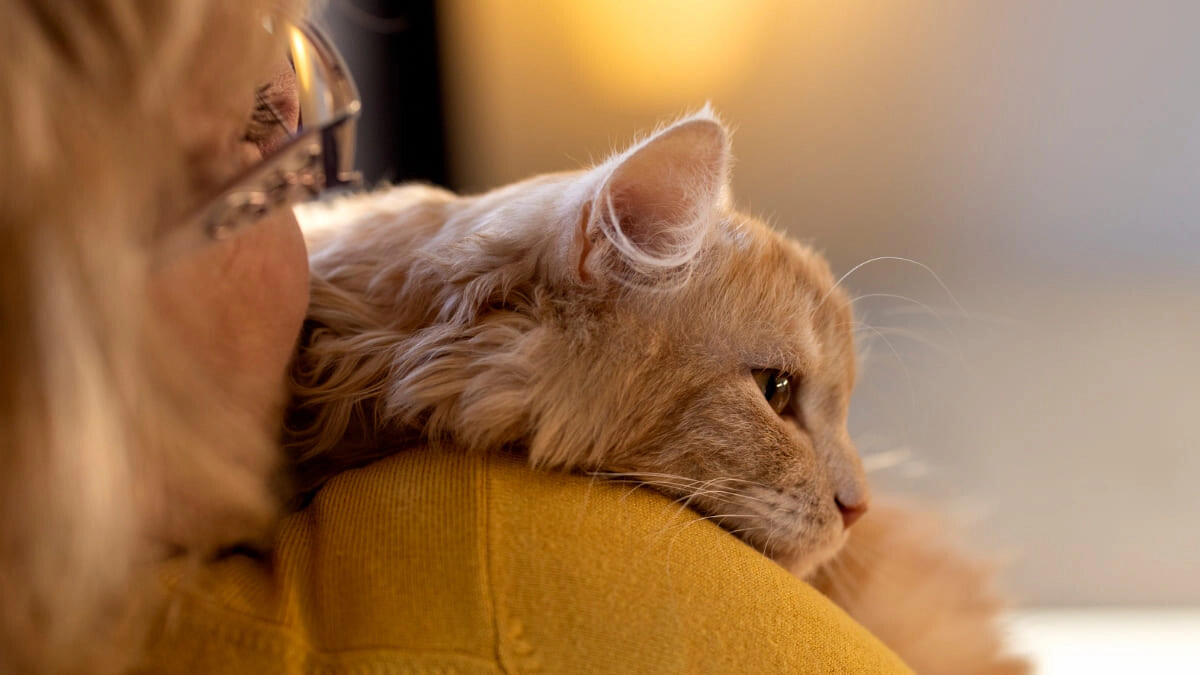
Cat Health
Why Do Cats Get Thinner as They Age? Symptoms and Treatment
When stroking an aging cat's back, the spine or hip bones may feel more prominent than before, which is the first change most cat owners notice.
Read guide →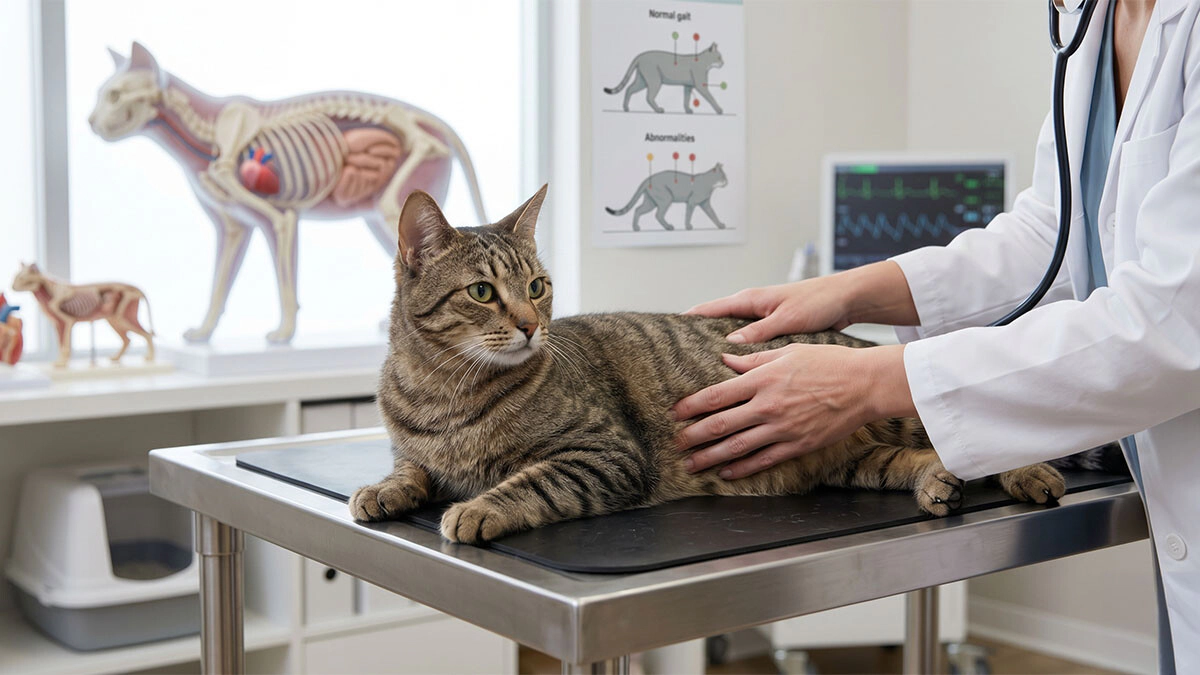
Cat Health
Cat Anatomy and Organs: Body Structure, Health Signs and Relationship with Diseases
A slight change in posture, a slight limp in gait, or a difference in litter box habits in cats can give clues about their body systems.
Read guide →
Cat Health
How to Acclimate Cats to Carrier Bags?
Does your cat hide, hiss, or resist with all its might the moment it sees the carrier? This reaction is described as carrier phobia in most homes…
Read guide →
Cat Health
What Should Be Considered After Vaccination in Cats?
Following your cat's vaccination schedule for health and a long life is one of the most critical decisions you will make as a pet owner.
Read guide →