Signs of Pregnancy in Cats, Pregnancy Behaviors in Cats
Some behavioral or physical changes you've noticed in your cat recently may indicate that she is pregnant. It's especially important for owners of female cats who go outside or have the chance to mate to notice these changes.

Advertisement
Some behavioral or physical changes you've noticed in your cat recently may indicate that she is pregnant. It's especially important for owners of female cats who go outside or have the chance to mate to notice these changes.
Signs of pregnancy in cats can be identified by behavioral changes and physical cues observed in their bodies. However, these signs may not appear at the same level or at the same time in every cat. Therefore, it is necessary to carefully observe the signs and seek veterinary support if necessary.
In this article, you can find detailed information about pregnancy signs in cats, psychological and behavioral changes, care and nutritional needs, and how to support pregnant cats living on the street.
Pregnancy Symptoms in Cats

Pregnancy in cats usually begins to manifest itself with some physical and behavioral signs 2-3 weeks after mating. These signs can be noticed with careful observation, but professional examination is absolutely necessary for a definitive diagnosis.
Physical Changes
- One of the first signs of pregnancy is the enlargement and pinkening of the nipples, usually in the 2nd or 3rd week. This is called "pinking-up" and is a specific sign of pregnancy.
- From the 4th week onwards, a noticeable swelling begins to occur in the abdomen. Abdominal swelling may be more difficult to notice in overweight cats.
- In pregnant cats, food consumption increases to meet the needs of the growing kittens. You may notice a significant increase in your cat's food consumption, especially after the 3rd week.
Behavioral Changes
- During pregnancy, cats tend to rest and sleep more. Increased sleep duration is a natural occurrence due to the influence of hormones. Some cats become more affectionate and demand attention during this period. They may exhibit behaviors such as snuggling up to their owner and wanting more cuddles. As stated in the VCA Hospitals source, while some cats may experience mild nausea during pregnancy, if this becomes persistent, a veterinarian should definitely be consulted. Pregnancy symptoms in cats usually begin to appear within 15-20 days after mating. If observations during this period are not clear, a pregnancy check can be performed by a veterinarian using ultrasound. Methods such as manual examination or blood tests can also be preferred for early diagnosis. How to Tell if a Cat is Pregnant?
- Some cats become more affectionate and attention-seeking during this period. They may exhibit behaviors such as snuggling up to their owner and wanting more cuddles. As stated in the VCA Hospitals source, while some cats may experience mild nausea during pregnancy, a veterinarian should be consulted if this becomes persistent. Pregnancy symptoms in cats usually begin to appear within 15-20 days after mating. If observations during this period are unclear, a pregnancy check can be performed by a veterinarian using ultrasound. Methods such as manual examination or blood tests can also be preferred for early diagnosis. How to Tell if a Cat is Pregnant? One of the most common mistakes made during this process is attempting to feed them cow's milk or homemade food. Cow's milk is not suitable for cats' digestive systems and can often lead to digestive problems such as diarrhea. Homemade food, on the other hand, is usually too fatty, salty, or spicy for cats, which can harm their development. If a different nutritional supplement is considered other than the veterinarian's recommendation, this can be risky. During pregnancy, attention should be paid to micronutrients such as calcium and folic acid, and if there is a deficiency, supplementation should only be done as recommended by the veterinarian. Otherwise, such interventions may negatively affect hormone balance and puppy development. Bernese Mountain Dog The Bernese Mountain Dog, one of the long-haired dog breeds, possesses an admirable beauty with its majestic appearance and magnificent coat. This breed, which may create apprehension at first glance, can remain active throughout the day with its high energy. It loves to play with its family and, moreover, manages to be at the center of the family with the loyalty it shows them. Its gentle nature disappears when it senses a threat to its family, and a brave warrior emerges who can fight for them. Since apartment living isn't really suitable for them, it's generally recommended that they prefer living spaces with large gardens.
- VCA Hospitals source, while mild nausea may occur in some cats during pregnancy, if this becomes persistent, a veterinarian should be consulted.
Pregnancy signs in cats usually begin to appear within 15–20 days after mating. If observations during this period are unclear, a veterinarian can check for pregnancy using ultrasound. Methods such as manual examination or blood tests can also be used for early diagnosis.
How to Tell if a Cat is Pregnant?

The first signs of pregnancy in cats, as we have just detailed, usually manifest as physical changes. Symptoms such as pink and prominent nipples, rounding of the abdomen, and increased appetite become more noticeable from the 3rd or 4th week of pregnancy.
The most reliable method for a definitive diagnosis of pregnancy is a veterinary examination. Between 17 and 25 days after mating, the abdominal area can be checked by palpation to assess suspicion of pregnancy. For a clearer diagnosis, ultrasonography, which allows visualization of the presence of kittens, is preferred from the 15th day onwards.
As emphasized in the International Cat Care source, although ultrasound is quite effective in the early stages of pregnancy, X-rays may be necessary after the 40th day to determine the number of kittens.
Psychology and Behavior of Pregnant Cats
Pregnancy causes significant changes not only in a cat's body but also in its psychology and behavior. The increase in hormone levels during this process affects the cat's mood and its relationship with its environment. Owners' attentive and understanding behavior during this period reduces the cat's stress level and ensures a healthier pregnancy.
Behaviors that can be observed in cats due to pregnancy can be listed as follows:
- Cats are generally less active during pregnancy. Their energy decreases, and they begin to sleep and rest more. In some cats, however, the opposite can be observed, such as restlessness, a desire to move around, or anxiety.
- Pregnant cats may expect more attention than in their previous period. Behaviors such as snuggling up to their owner, wanting to be held, or constantly following them may become common. This is due to increased emotional needs caused by hormones.
- Especially towards the last weeks of pregnancy, cats tend to gravitate towards quiet and dark areas. This behavior can be interpreted as preparation for the approaching birth and is an instinctive "nesting" behavior.
- Some cats may become restless and more defensive, especially in the second half of pregnancy. They may not want or may react suddenly to touch behaviors such as scratching and stroking, which they previously responded to happily. This behavioral change is due to hormonal fluctuations.
- Your cat's toilet habits may change throughout pregnancy. They may tend to go to the toilet more frequently or at different times. This is a natural result of physical changes.
- Even very social cats may prefer to be alone during this period. Tolerance towards other pets may decrease. Cats may start exhibiting more independent behavior, especially before the kittens are born.
Caring for Cats During Pregnancy

Pregnant cats need special attention and care. During this period, attention must be paid to the physical, emotional, and environmental needs of both the mother and the developing kittens to ensure their health. A conscious care routine ensures that the cat goes through the period until birth more comfortably and safely.
Create quiet and peaceful areas: Pregnant cats, especially in the later stages of pregnancy, need more isolated and calm areas. Placing a soft blanket or cat bed in the quietest, dimmer, and least trafficked corner of the house will help her relax.
Keep away from other animals: It is necessary to limit direct contact between the expectant mother and other animals living in the house. This reduces stress levels and makes the pregnant cat feel safe.
Ensure she avoids stress: Suddenly shouting loudly, running the vacuum cleaner, or frequently moving the cat around can be harmful. As mentioned in the Cats Protection resource, providing your cat with a comfortable and isolated area increases her sense of security as she approaches delivery and contributes positively to the birthing process.
Don't neglect routine check-ups: Health check-ups should not be neglected during pregnancy. These check-ups monitor the pregnancy and identify potential risks in advance.
Pay attention to parasite treatments and vaccinations: Parasite treatments and some vaccinations can be harmful during pregnancy. Therefore, veterinary approval must be obtained before applying any medication or drops.
Don't force it: When your pregnant cat doesn't want to play, you shouldn't force her. If she wants to move around, slow-paced games can be preferred. Cat toys that won't tire her out too much are ideal options.
Prioritize emotional bonding: When your cat shows more attention, not turning her away, petting her, and talking gently will psychologically comfort her. Don't withhold your attention from her.
Clean the cat litter box frequently: The cat litter box should be kept cleaner than usual and in an easily accessible place. This reduces both comfort and the risk of infection. As stated in the Lake City Animal Hospital source, attention to litter box hygiene in pregnant cats is very important in preventing prenatal infection risks.
Care Tips for Pregnant Street Cats

When you encounter a pregnant cat on the street, you hear her silent cry for help. Even a little attention during this challenging period can change the lives of both the mother and the kittens. Here are some simple but effective steps you can take to support her during this process:
- Prepare a safe nest for the kitten to give birth in a quiet, dry area within reach, using a cardboard box and blanket.
- If it is having difficulty finding food, supplement with easily digestible foods such as kitten food or boiled, unsalted chicken.
- Always provide fresh, clean water.
- If possible, seek health assistance from the municipality or local animal protection groups.
- Do not separate the kittens from their mother after birth, as they need to stay with their mother for at least 8 weeks to develop healthily.
- Check its environment frequently to make it feel safe, but avoid direct contact.
Nutrition of Cats During Pregnancy
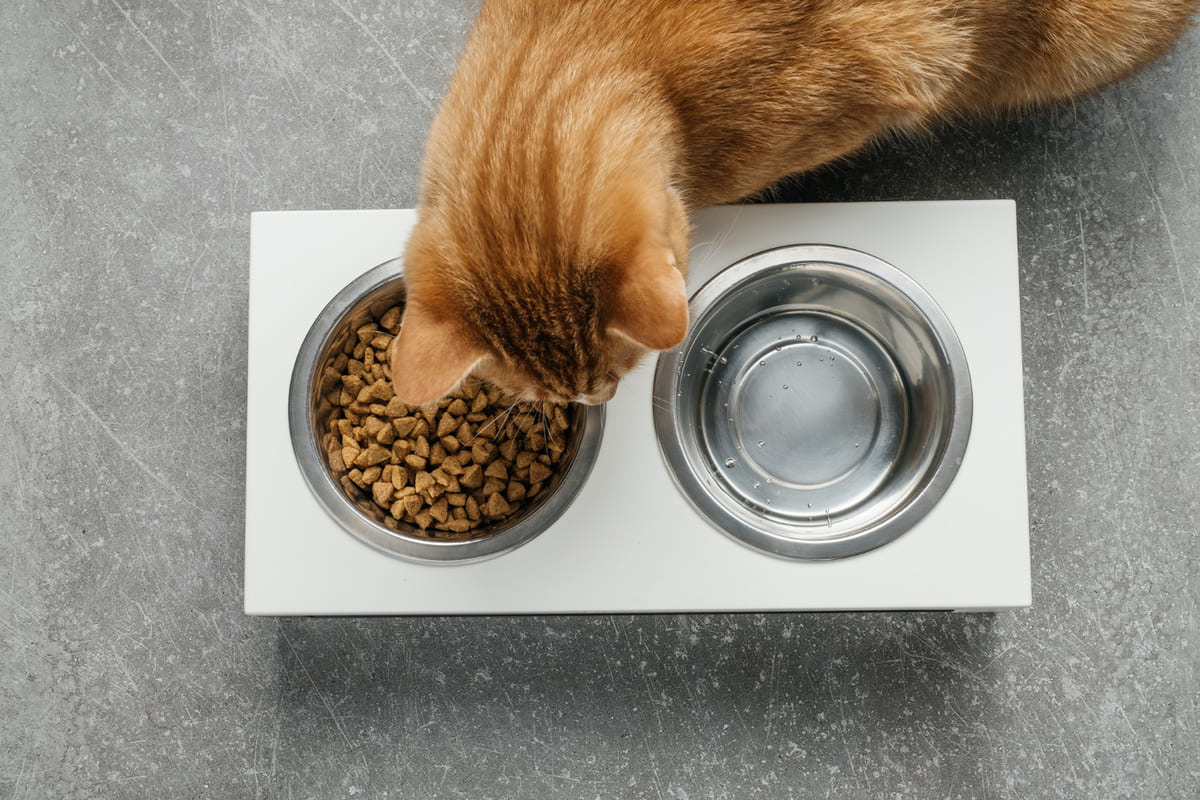
The diet of a pregnant cat is of great importance for the development of the kittens in the womb. The amount of energy, protein, vitamins and minerals needed increases during this period. Therefore, the quality of the food your cat eats is as important as the quantity during pregnancy.
The ideal option for pregnant cats is dry food formulated for kittens and/or canned cat food for kittens. These foods generally have a high protein, fat and calorie content. They also contain important omega-3 fatty acids such as DHA, supporting the brain development of the kittens.
A gradual transition to these types of foods should be made from the 3rd week of pregnancy onwards, and each transition should be made by first trying small amounts and observing the digestive system. As stated in the WebMD source, pregnant cats should be fed frequent, small portions, especially in the later weeks of pregnancy, avoiding feeding too much at once due to the increased stomach volume pressure. Feeding slowly and spread throughout the day facilitates digestion and prevents the cat from experiencing loss of appetite. One of the most common mistakes during this period is attempting to feed them cow's milk or homemade food. Cow's milk is not suitable for cats' digestive systems and can often lead to digestive problems such as diarrhea. Homemade food, on the other hand, is usually too fatty, salty, or spicy for cats, which can harm their development. If a different nutritional supplement is considered without a veterinarian's recommendation, this can be risky. During pregnancy, attention should be paid to micronutrients such as calcium and folic acid; if there is a deficiency, supplementation should only be done as recommended by a veterinarian. Otherwise, such interventions can negatively affect hormone balance and kitten development.
One of the most common mistakes during this period is attempting to feed them cow's milk or homemade food. Cow's milk is not suitable for cats' digestive systems and can often lead to digestive problems such as diarrhea. Homemade food, on the other hand, is usually too fatty, salty, or spicy for cats, which can harm their development. If a different nutritional supplement is considered without a veterinarian's recommendation, this can be risky.
During pregnancy, attention should be paid to micronutrients such as calcium and folic acid; if there is a deficiency, supplementation should only be done as recommended by a veterinarian. Otherwise, such interventions can negatively affect hormone balance and kitten development.
Frequently Asked Questions About Pregnancy in Cats

You can help your cat have a healthy pregnancy by regularly meeting its nutritional, care, and control needs. Not neglecting veterinary check-ups, supporting it with the right nutrition, and providing a calm environment are the most important steps during this period.
Can pregnancy be detected in cats by manual examination?
One of the methods of detecting pregnancy in cats is a manual abdominal examination. An experienced veterinarian can feel the kittens in the abdominal area from approximately the 17th day of pregnancy. This procedure is called "palpation". However, it is a very delicate method and should only be performed by experts. Otherwise, there is a risk of harming the mother cat's uterus or the kittens.
According to VCA Hospitals, while the location of kittens inside the uterus can be determined by manual examination, the exact number of kittens cannot be determined using this method. It can also yield misleading results in cases of pseudopregnancy.
Does a pregnant cat go into heat?
No, a pregnant cat does not go into heat. During pregnancy, the cat's body releases hormones that suppress ovulation. These hormones stop the desire to mate and estrus behavior. However, in rare cases, some cats may exhibit estrus-like behavior. This is usually related to hormonal imbalances and should be evaluated by a veterinarian.
How long does pregnancy last in cats?
The gestation period for female cats averages 63–65 days, or approximately 9 weeks. However, in some cats, this period can be as short as 58 days or as long as 70 days. The timing of birth can vary depending on factors such as the cat's age, health status, and the number of kittens.
Can cats mate again after becoming pregnant?
Cats can attempt to mate again after becoming pregnant, and some may even show signs of estrus again during pregnancy; however, this is usually a false estrus caused by hormones.
In rare cases, it is possible for an already pregnant cat to ovulate again and become pregnant with a second batch of kittens, a phenomenon called "superfetation," but this is extremely rare in nature. Postpartum neutering is recommended to prevent unwanted pregnancies and excessive fatigue in the mother cat.
Can pregnancy tests be done on cats?
There is no reliable home pregnancy test similar to human pregnancy tests available on the market for pet cats. Some private clinics can determine pregnancy through blood tests, but this method is not common. The most reliable diagnostic method is ultrasound or manual examination by a veterinarian.
How many days does it take to know if a cat is pregnant?
Whether your cat is pregnant can usually be determined within 2 to 3 weeks after mating. Pinkish nipples, behavioral changes, and increased appetite are the first signs during this period. However, these signs are not definitive; examination is necessary for a definitive diagnosis.
At what age can cats become pregnant?
Female cats usually reach sexual maturity at 4–6 months old and can become pregnant during this period. This means that a cat can become pregnant before she turns 1 year old. This process may start earlier, especially in cats that live outdoors or go outside.
What should I do if my cat is pregnant?
The first thing you should do when you notice your cat is pregnant is to have a veterinarian check-up. Then, you need to ensure that she lives in a comfortable, quiet, and safe environment. Her diet must be reviewed and supplemented with kitten-appropriate food. It is also important to keep her away from stress factors and protect her from environmental hazards.
How can I prevent my cat from getting pregnant?
The most effective and permanent solution is to have your cat spayed or neutered by a veterinarian. For female cats, sterilization surgery can generally be performed when they are 5-6 months old. This prevents both unwanted pregnancies and health risks such as mammary tumors and uterine infections. Sterilization is also of great importance in controlling the stray cat population.
Kaynaklar:
https://www.petmd.com/cat/conditions/reproductive/cat-pregnancy-and-kittens-complete-guide
https://icatcare.org/articles/cat-pregnancy
https://vcahospitals.com/know-your-pet/pregnancy-and-parturition-in-cats
https://www.cats.org.uk/help-and-advice/pregnancy-and-kitten-care/caring-for-your-pregnant-cat
https://lakecityanimalhospital.com/blog/how-long-are-cats-pregnant/
https://www.bluecross.org.uk/advice/cat/health-and-injuries/is-my-cat-pregnant
https://www.webmd.com/pets/cats/cat-pregnancy-gestation
https://www.smalldoorvet.com/learning-center/medical/cat-pregnancy
https://icatcare.org/articles/cat-birth
https://forevervets.com/blog/signs-a-cat-is-pregnant-what-to-know
https://www.pdsa.org.uk/pet-help-and-advice/pet-health-hub/conditions/pregnancy-in-cats
Advertisement
Advertisement
Keep exploring
Continue reading

Cat Health
Why Do Cats Get Thinner as They Age? Symptoms and Treatment
When stroking an aging cat's back, the spine or hip bones may feel more prominent than before, which is the first change most cat owners notice.
Read guide →
Cat Health
Cat Anatomy and Organs: Body Structure, Health Signs and Relationship with Diseases
A slight change in posture, a slight limp in gait, or a difference in litter box habits in cats can give clues about their body systems.
Read guide →
Cat Health
How to Acclimate Cats to Carrier Bags?
Does your cat hide, hiss, or resist with all its might the moment it sees the carrier? This reaction is described as carrier phobia in most homes…
Read guide →
Cat Health
What Should Be Considered After Vaccination in Cats?
Following your cat's vaccination schedule for health and a long life is one of the most critical decisions you will make as a pet owner.
Read guide →