Socialization in Puppies
Socialization in puppies is of great importance because it determines how the dog will interact with other living beings throughout its life. First of all, it is important to remember that every dog should be socialized during its puppyhood. Socialization needs may vary depending on the breed.
Advertisement
Socialization in puppies is of great importance because it determines how the dog will interact with other living beings throughout its life. First of all, it is important to remember that every dog should be socialized during its puppyhood. Socialization needs may vary depending on the breed. Breeds with aggressive tendencies and those that don't get along well with other animals may need early and long-term socialization training. While early training is also recommended for calmer and more warm-hearted breeds, the training duration may be shorter. Puppy training is definitely a process that requires careful consideration and should not be neglected. Since communicating with puppies is much easier than with adult dogs, puppyhood is always the ideal time for training. In this article, you can find information about why socialization is important for puppies and when and how training should be given. Why Should Dogs Receive Socialization Training? The basis of socialization training for dogs is to facilitate their adaptation. Socialization is the method of positively accustoming a puppy to all kinds of sounds, smells, or sights. Proper socialization can prevent a dog from being prejudiced against children, being afraid of getting in cars, or chasing cats. With proper socialization training, a dog can live a well-behaved, calm, and happy life. It is undeniable that good socialization training improves the quality of life for both the dog and its family. Furthermore, it should not be forgotten that it is also very important for the dog's safety. According to a study conducted in America, behavioral problems are among the leading causes of death in dogs up to the age of 3, even before infectious diseases. Therefore, the importance of socialization training in dogs should never be forgotten, and the training should be continued at home. Socialization training can be given by dog owners or by professional trainers. However, even if training is received from professionals, the training must be continued and maintained at home.

Why Should Dogs Receive Socialization Training?
The basis of socialization training for dogs is to facilitate their adaptation. Socialization is the method of positively accustoming a puppy to all kinds of sounds, smells, and sights. Proper socialization can prevent a dog from being prejudiced against children, afraid of getting in cars, or chasing cats. With proper socialization training, a dog can live a well-behaved, calm, and happy life. It is undeniable that good socialization training improves the quality of life for both the dog and its family. Furthermore, it should not be forgotten that it is also very important for the dog's safety. According to a study conducted in America, behavioral problems are among the leading causes of death in dogs up to the age of 3, even before infectious diseases. Therefore, the importance of socialization training in dogs should never be forgotten, and the training should be continued at home. Socialization training can be given by dog owners or by professional trainers. However, even with professional training, the training must be continuous and continued at home.
What is the Right Time for Puppy Socialization Training?
The first 3 months after your dog's birth can be defined as the socialization period that will permanently shape its future character and determine how it will react to its environment in adulthood. There are different stages in the socialization of puppies. Therefore, socialization training should not be perceived as directly interacting with the outside world. The appropriate period for a puppy to begin socialization is between 3 and 12 weeks of age. However, the point to be considered here is when the dog's vaccinations are completed. Permission to go outside before the dog's vaccinations are complete will not be granted due to the risk of contracting a possible infectious disease. Therefore, vaccinations must be waited for before socialization steps that require contact with the outside world or other pets. Puppy Socialization Stages The socialization of puppies is an important determinant of how their entire lives will go. Socialization must be planned according to the dog's needs. It is possible to address the puppy socialization process in 5 stages. The Curiosity Period: Puppies that are gradually being weaned are now considered ready to explore the world. Depending on the dog's living conditions, this process can begin between 5 and 7 weeks. During this period, dogs explore the world through various activities such as climbing and crawling, and their mobility gradually increases. Because dogs are very open to exploration at this stage, it is possible to start activities that they might be afraid of, but which they can quickly adapt to. Bathing, brushing their fur, and going outside according to their vaccination status are actions that will stimulate their curiosity and help them take steps towards socialization.
Puppy Socialization Stages
Socializing puppies is a crucial determinant of how they will live their entire lives. Socialization needs to be planned according to the dog's needs. The puppy socialization process can be addressed in 5 stages.
Curiosity Period: As puppies gradually begin to be weaned, they are ready to explore the world. Depending on the dog's living conditions, this process can begin between 5 and 7 weeks. During this period, dogs explore the world through various activities such as climbing and crawling, and their activity level gradually increases. Because dogs are very open to exploration during this period, it's possible to start activities that they might be afraid of, but which they can quickly adapt to. Bathing, brushing their fur, and taking them outside (depending on their vaccination status) are actions that will stimulate their curiosity and help them take steps towards socialization.
Behavioral Improvement Period: This is the period when puppies can easily learn everything, even if their attention span is short. During this period, between 7 and 9 weeks, it is appropriate to teach the dog which rules to follow when living with its family. Different methods can be applied to ensure the dog clearly follows the rules and to distract it when it exhibits negative behavior. You can review products you can use in dog training by clicking here.
Fear Period: No matter how brave puppies are when they are born, they begin to learn to be afraid over time. It is expected that a dog's fears will emerge between 8 and 11 weeks. Dogs that are not socialized during this period are very likely to have difficulties later on. It is normal for puppies to be afraid of sudden movements, strangers, loud noises, and other living things during this period when they begin to become more cautious. Normalizing this situation and ensuring that it is perceived positively will prevent similar triggers from causing fear in the dog throughout its life.
Environmental Awareness Period: Puppies develop their motor skills quite rapidly between 9 and 12 weeks. During this period, they begin to observe people more. If they are completely separated from other pets or siblings between 9 and 12 weeks, their attachment to humans strengthens. Since separation anxiety is very likely to appear in dogs left alone with other pets for long periods during this period, attention should be paid to the time spent with the dog, and sufficient socialization with humans should be ensured during this process.
Senior Classification Period: Puppies begin to assert their independence between 13 and 16 weeks. This period is also known as the leadership testing period for dogs. It is essential to intervene in any bad habits the dog develops during this period, distract them when they exhibit unwanted behavior, and reinforce desired behaviors with positive reinforcement. Dogs may also bite and chew frequently during this period, so they should absolutely not be spoiled, and socialization training should not be interrupted during this time.
How to Socialize Your Dog?
Training is very important for puppies, and it should be given as gently and calmly as possible. Training focused on fear and punishment should not be expected to work and can lead to serious behavioral problems later on. There are some things you need to maintain continuity in when socializing your dog. Communicating with puppies is very important and needs to be maintained consistently. In addition, being calm, gentle, and positive is part of both socialization and training.
Introduce Your Dog to New Things
For a puppy, the world is like a toy box waiting to be explored. Some things that come out of the box may be strange, frightening, and unusual. Therefore, it is necessary to give puppies the opportunity to interact with every object, event, or living thing they encounter for the first time and to ensure that this interaction progresses positively.
Olumlu Olun
Being positive and being able to transfer this energy to the dog is important in the puppy training process. When offering new experiences to your dog, don't hesitate to give treats so that they clearly understand that these experiences are fun and enjoyable. You can review delicious treats you can offer your dog by clicking here. Spending time with a puppy can be stressful. This is natural, but remember that dogs can sense your stress, so try to relax as much as possible. Work with the Whole Family Socialization in puppies is much more effective when different animals are involved in the process. Make sure that your family members, friends, and veterinarian allow other animals to be involved in socialization. Don't Rush Dogs can learn quickly, but it's best to take small steps to ensure a puppy feels safe and comfortable during socialization. You can take the first step in socialization by introducing a few new objects each day. Afterwards, you can gradually involve family members and friends. If you take your puppy to a large crowd as the first step in socialization, this may cause the dog to experience stress, fear, and aggressive behavior in crowded areas in the future.
Work with the Whole Family
Socialization in puppies is much more effective when different animals are involved in the process. Make sure that your family members, friends, and other animals are involved in the socialization process when permitted by your veterinarian.
Acele Etmeyin
Dogs can learn quickly, but it's best to take small steps to ensure a puppy feels safe and comfortable during socialization. You can take the first step in socialization by introducing a few new objects each day. Afterwards, you can gradually involve family members and friends. If you take your puppy to a large crowd as the first step in socialization, this may cause the dog to experience stress, fear, and aggressive behavior in crowded areas in the future.
Steps Outside Your Comfort Zone
Taking puppies outside can be unsettling. It's normal to fear that your little puppy might experience terrifying moments when confronted with a large street dog. However, for a dog to be able to interact with animals later in life, it's necessary for them to be introduced to animals while they are still a puppy. 7-10 days after their vaccinations are complete, and of course while their socialization training continues at home, start taking your dog out into the outside world in small steps and let them explore.
Advertisement
Advertisement
Keep exploring
Continue reading

Dog Lifestyle & Guides
The Unseen Risks of Excess Weight in Small Breed Dogs
Small breed Weight gain in dogs sometimes progresses unnoticed. Extra food added to the food bowl, treats given during the day, food offered from the…
Read guide →
Dog Lifestyle & Guides
Dental Health and Its Importance in Dogs
Dental health in dogs is often Bad breath doesn't become a concern until it's noticed. However, the problem often begins before the odor: Plaque…
Read guide →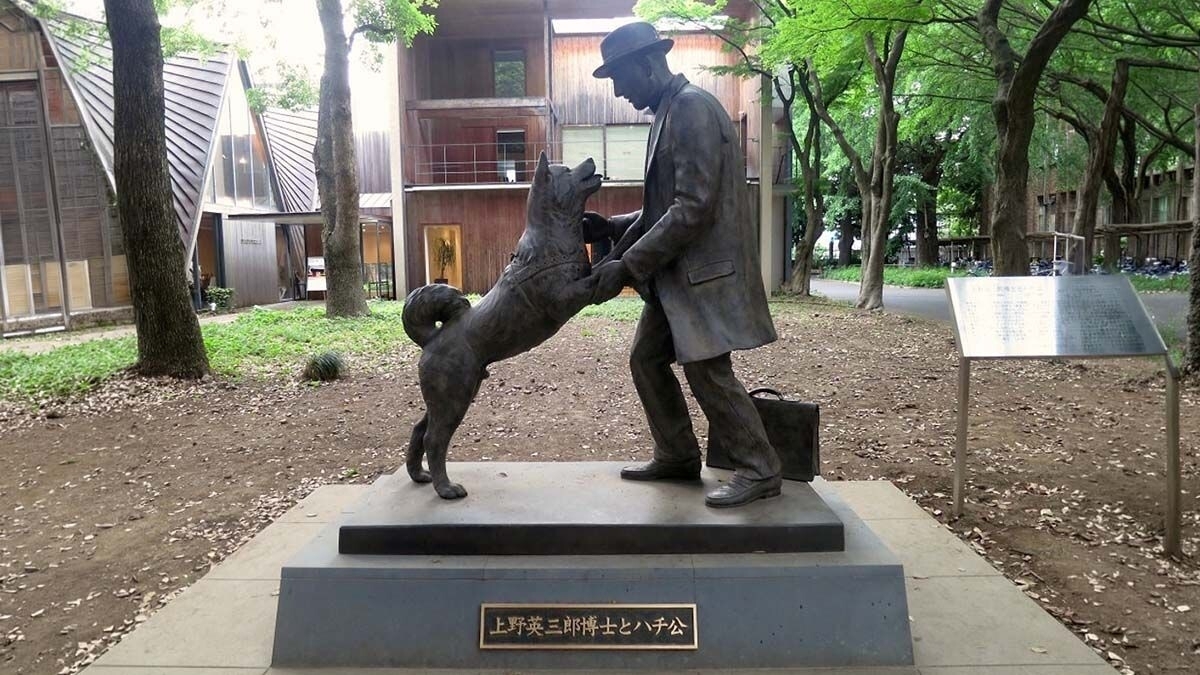
Dog Lifestyle & Guides
Hachiko: The True Story and Monument of the Dog Symbolizing Loyalty
The crowd gathered in front of the Hachiko statue in Shibuya shows that a wait that began years ago is not forgotten today.
Read guide →
Dog Lifestyle & Guides
Nasal Discharge in Dogs
If your dog has a runny nose, the first question that usually comes to mind is: Is this normal, or is there something I should be concerned about?
Read guide →