Sokoke Cat Characteristics, Character and Care
The Sokoke, originating from the warm coastal forests of Kenya, is a cat that most people haven't even heard of. It is considered one of the rarest domestic cat breeds in the world. The pattern in its fur is like a natural camouflage resembling tree bark.

Advertisement
The Sokoke, originating from the warm coastal forests of Kenya, is a cat that most people haven't even heard of. It is considered one of the rarest domestic cat breeds in the world. The pattern in its fur is like a natural camouflage resembling tree bark. At first glance, it gives the impression of a wild cat, but it is an extremely social housemate that chooses to follow you around.
The Sokoke cat is not at all like the classic profile of a cat that sleeps for hours in its quiet corner. It stands out with its intelligence, energy, and dog-like bond with humans. Greeting guests at the door, rummaging through cupboard doors, and showing interest in water are all part of its daily routine.
There is much more to know about them. If you are also curious about this unique cat breed, you can discover detailed information about Sokoke cat characteristics, care requirements, and nutrition in our article.
Warning: This content is for general informational purposes only. Every cat is different with its own age, history, and health status. You should consult a veterinarian for a definitive assessment of your cat's diet, behavior, or health.
General Characteristics of Sokoke Cats
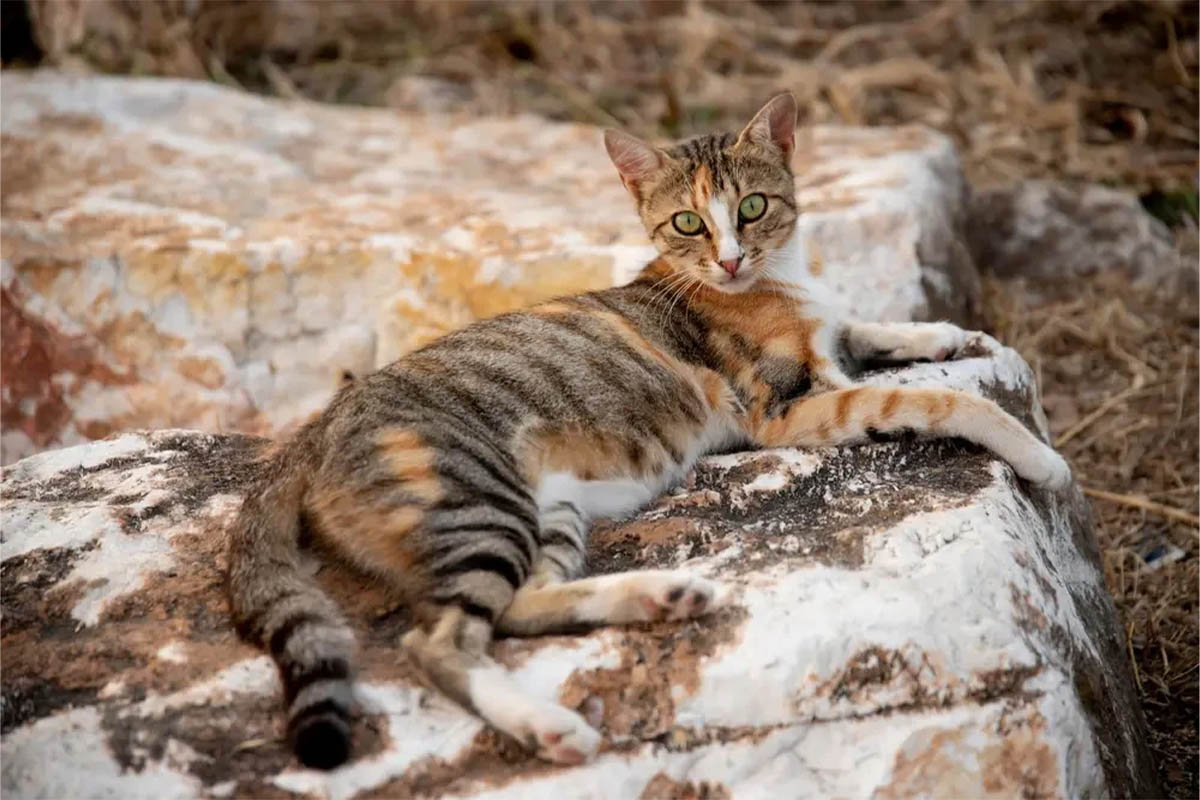
The Sokoke is a slender, long-legged, muscular, medium-sized cat. Its origins lie in the Arabuko-Sokoke Forest on the coast of Kenya. The local people know these cats as khadzonzo, meaning 'resembling tree bark'. It is a naturally occurring breed that was later improved and standardized.
An adult Sokoke weighs approximately 2.3-4.5 kilograms, and males can be significantly larger than females. Although their bodies appear delicate, they are surprisingly strong and muscular.
The hind legs are longer than the front legs. This structure gives the cat a characteristic gait that resembles walking on tiptoes. This posture becomes even more pronounced when excited.
The GCCF breed standard states that the coat is very short, flat against the body, and shiny, with almost no undercoat. While successfully adapted to warm weather, extra precautions may be required in cold weather.
Two registered color variations stand out: the standard Sokoke with a bronze background and the lighter, ivory-toned Snow Sokoke.
The eyes are almond-shaped and large; their color ranges from amber to light green, turning blue in Snow individuals.
Sokoke Cat Character and Temperament
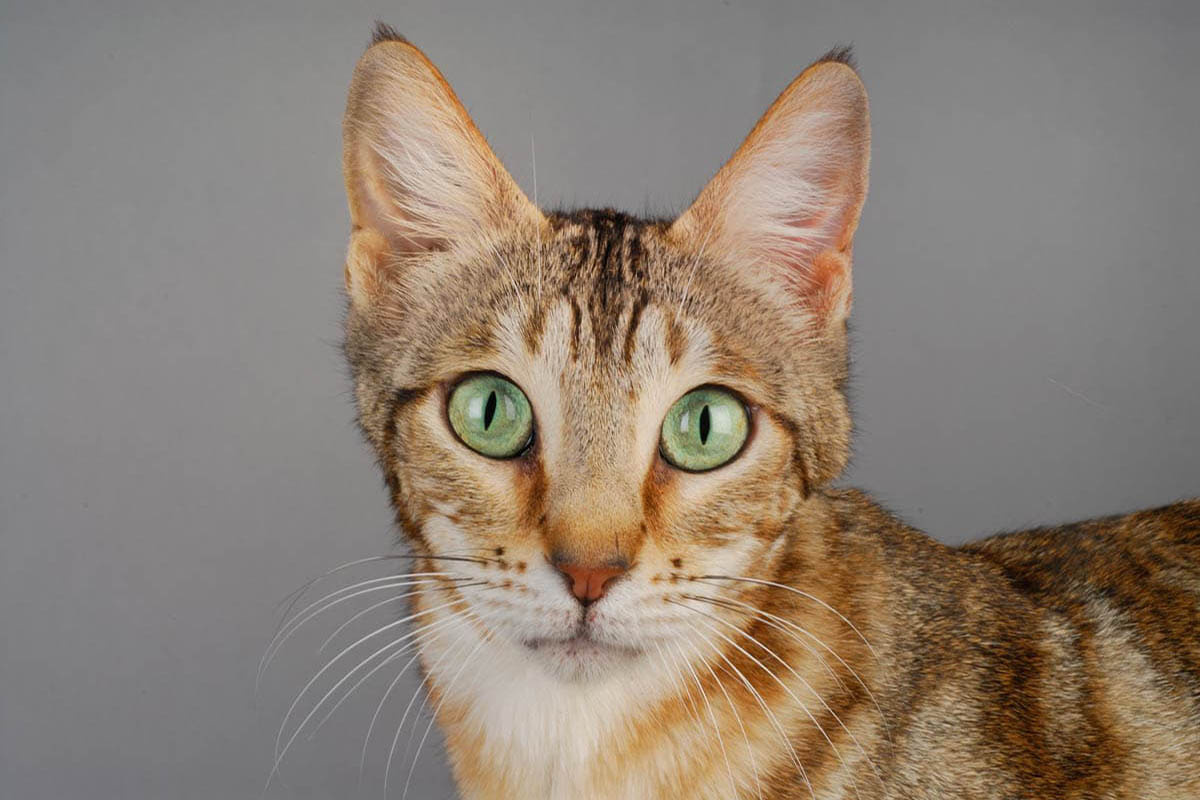
Sokoke cats are extremely devoted to humans, playful, and surprisingly intelligent. They are eager to spend time with their owners and can adapt to homes with children or dogs.
This devotion should not be confused with the expectation of a calm cat sleeping on your lap. Sokokes do not passively wait for attention. They often dislike being picked up and squeezed, preferring instead to follow you step by step. They have high energy and are ready to play at any moment.
They are a vocal breed. The FIFe definition states that Sokokes communicate with their owners and other cats they live with using their voices, and that they have strong bonds with both humans and each other.
This deep bond is a positive trait, but it can sometimes prolong the adjustment period for adult cats to a new home. The older and more bonded the cat, the longer the adjustment period may be.
Is a Sokoke Cat Suitable for Home Life?

Yes, but in a home that offers space to move around and mental stimulation. The Sokoke is an energetic and athletic cat, a strong jumper and an adept climber. According to Animalia.bio, these cats need ample space to move around and may be unhappy in a small, unenriched apartment.
Apartment living is also suitable for the Sokoke cat breed. They can live comfortably indoors, provided they have areas to climb and regular attention. However, due to their strong climbing tendencies, windows and balconies should be protected with safety netting. Open areas with a risk of falling from heights should be kept closed.
Due to their love of water, the toilet lid should always be closed, and bathtubs, buckets, and aquariums with detergent or chemical residue should be kept out of their reach. Free outdoor living is not suitable for this breed.
Proper introduction is crucial in relationships with children and other pets. Sokoke cats can befriend dogs and cats with suitable temperaments, but they may tolerate disrespectful contact less than most cats. Gradual introduction is expected, ensuring children do not crowd the cat and respect its resting space.
How to Care for a Sokoke Cat?

Sokoke care is generally considered low-density due to its short, almost hairless coat. Nevertheless, regular monitoring of fur, muzzle, claws, ears, and daily life routines is essential for comfort.
Sokoke Cat Fur Care
The very short and shiny coat does not require intensive brushing. Brushing once a week is often sufficient to maintain the coat's regularity. Cats.com reports that this cat doesn't enjoy excessive contact, so it's more practical to focus grooming efforts on nail and dental care rather than brushing.
If hair loss, skin redness, or itching are observed, home remedies should not be sought; a veterinary evaluation should be performed.
Sokoke Cat Oral and Dental Health
Dental plaque, gum redness, and bad breath are easily overlooked in daily life. Therefore, the mouth should be checked at regular intervals, and tooth brushing habits should be gradually instilled from a young age.
If increased salivation, difficulty chewing, or gum redness are noticed, these findings should not be interpreted in isolation; the overall picture should be presented to a veterinarian.
Sokoke Cat Exercise Needs
This breed generally doesn't need to be encouraged to exercise. They are strong jumpers, fast runners, and climbers who can easily reach high places. A sturdy climbing unit with a platform, a scratching post, and frequently changed toys provide space for this energy.
Because they can be rough with toys, broken or worn parts should be checked regularly, and those that pose a swallowing risk should be removed.
Important: Regular nail trimming, a clean litter box, and gentle examination of the outer ear are part of the daily routine. If dark discharge, bad odor, or excessive scratching is observed in the ear, a veterinarian should be consulted.
Sokoke Kedisi Beslenmesi

Sokoke cats do not have a breed-specific diet; like all cats, they need a quality and balanced diet. They must obtain some amino acids, especially taurine, from animal sources. The value of a food is measured not only by the first ingredient on the label, but also by its amino acid profile, digestibility, and whether it meets the standards of complete and balanced nutrition. Nutritional guidelines from authorities such as WSAVA also evaluate dietary choices based on these criteria.
The right choice is a complete and balanced food suitable for the cat's life stage. Kittens need higher energy during their growth period; maintaining an ideal weight is important for adults.
Spaying or neutering may require small but significant changes in a cat's diet. During this period, metabolism may slow down due to hormonal changes, and appetite may increase. Therefore, switching to special cat food for neutered cats can be beneficial to better support your cat's needs. Water consumption should also not be overlooked. Since Sokoke are active cats, they should have access to clean, fresh water throughout the day. If a significant decrease in appetite, sudden weight changes, or a noticeable increase in water consumption is observed, these changes should be reported to a veterinarian comprehensively. Common Diseases in Sokoke Cats The most prominent point in the Sokoke's health profile is its strong resistance to infectious diseases rather than hereditary diseases. However, this does not mean that they will not experience any health problems. General diseases that can be seen in all cats can also occur in this breed.
Water intake should also not be overlooked. Since Sokoke is an active cat, it should have access to clean, fresh water throughout the day. If a significant decrease in appetite, sudden weight changes, or a noticeable increase in water consumption is observed, these changes should be reported comprehensively to a veterinarian. Common Diseases in Sokoke Cats The most prominent point in the Sokoke's health profile is its strong resistance to infectious diseases rather than hereditary diseases. However, this does not mean that it will not experience any health problems. General diseases that can be seen in all cats can also occur in this breed. Does a Sokoke cat shed? Yes, it does. Due to its short, flat, and almost undercoat, shedding is less than in most breeds. Brushing once a week is usually sufficient. Seasonal changes, diet, and skin health can alter the amount of shedding.
Common Diseases in Sokoke Cats
The most prominent aspect of the Sokoke's health profile is its strong resistance to infectious diseases rather than hereditary ones. However, this does not mean that they will not experience any health problems. General diseases that can occur in all cats can also occur in this breed.
Current sources do not report any known breed-specific genetic diseases for the Sokoke. The breed is generally considered robust and athletic. This positive profile should not be interpreted as meaning that regular veterinary checkups are unnecessary. Annual checkups, oral health monitoring, and weight management help detect potential problems early.
The most prominent health issue in this breed is infectious diseases. Sokokes may have relatively low natural resistance to some infectious diseases common in domestic cats. This observation should not be interpreted as a breed-specific immune deficiency alone. In rare breeds with very small populations, the situation may also be related to the effect of inbreeding caused by a narrow gene pool.
Protection against core diseases, namely panleukopenia, calicivirus, and herpesvirus, as well as contact-transmitted retroviruses FeLV and FIV, which are protected against by routine vaccination, should not be neglected. The vaccination schedule should be followed completely, and contact with cats whose vaccination status is unknown should be limited.
Caution: Low Cold Tolerance
Sokoke cats, coming from warm climates and having almost no undercoat, have low cold tolerance. Prolonged exposure to extremely cold environments is not suitable for this cat. Avoiding drafty areas and providing warm and soft resting spots helps.
This same characteristic also raises a clinical issue. Fine fur and low cold tolerance can increase the risk of perioperative hypothermia, meaning a dangerous drop in body temperature during and after surgery such as neutering. Heat management should be discussed with the veterinarian before the operation.
Things to Know Before Adopting a Sokoke Cat
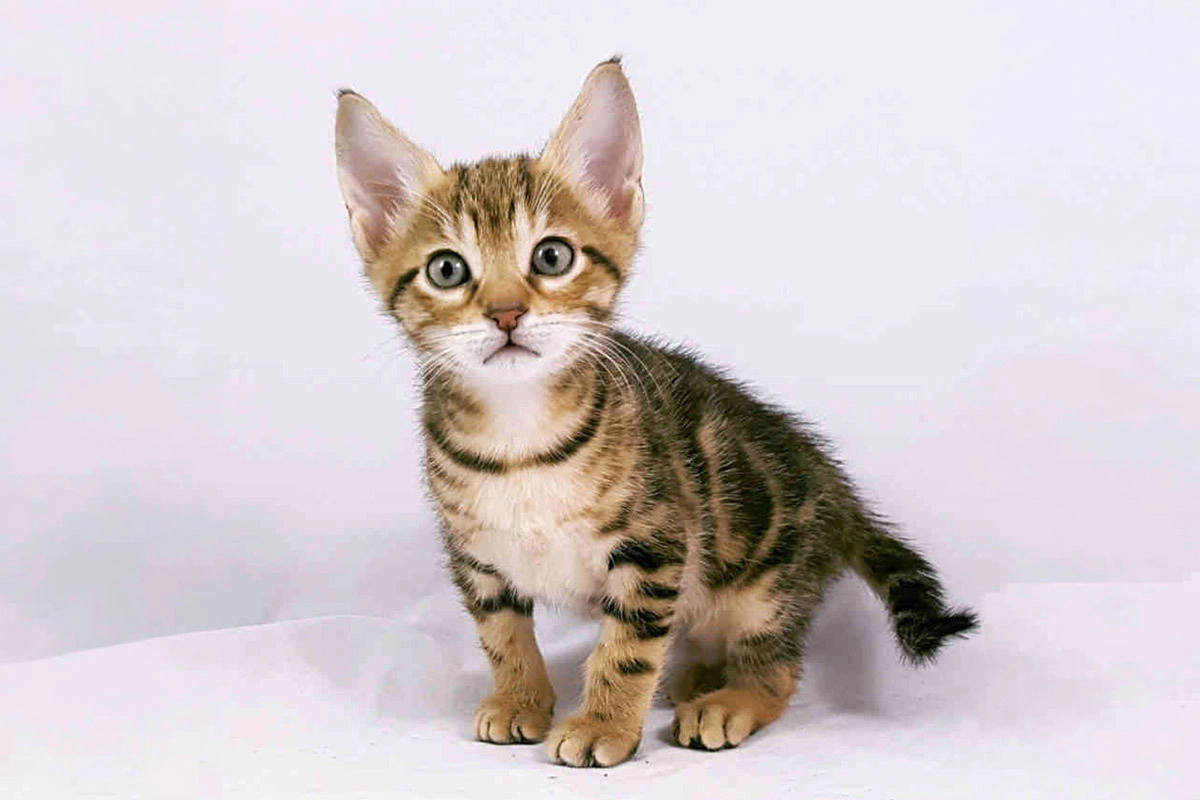
The decision to adopt a Sokoke should be based more on its daily life expectations than on its cute and wild appearance. If you are considering adopting this unique cat, you should know the following beforehand:
- It is a high-energy and intelligent cat. It craves daily play, climbing, and interaction. Vertical areas, climbing units, and varying toys directly affect its quality of life.
- It forms strong bonds with humans; long and frequent periods of loneliness are not suitable for it. Adult Sokoke cats may take time to adjust to a new home; patience is required if the decision is made to adopt an adult cat.
- It is a relatively sensitive and rare breed; regular vaccinations and check-ups are a priority. If it gets sick, health expenses may be higher than expected.
- Because it is sensitive to cold, a warm and sheltered indoor environment is necessary.
- In an unenriched home, its high energy can turn into stress for both the cat and the home. Initial and routine expenses should be factored in from the start.
Frequently Asked Questions
Is the Sokoke cat a rare cat breed?
Yes, it is considered one of the rarest domestic cat breeds in the world. Its existence is mainly limited to Denmark, the USA, Canada and a few European countries.
Why is the coat pattern of the Sokoke cat different?
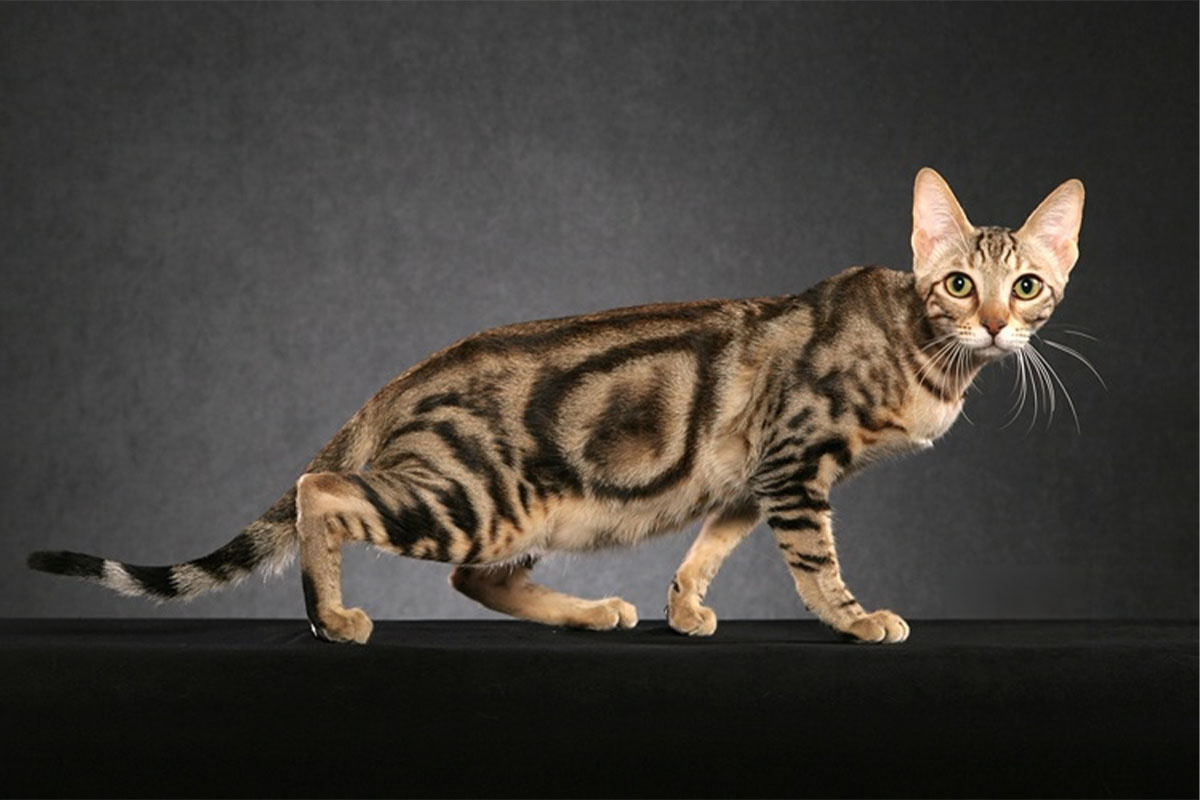
The pattern is not determined by a single gene. The coat color gene known as agouti creates light and dark bands in each hair. This gives the ticked, or pepper-and-salt, appearance. The Sokoke's unique tree bark-like camouflage pattern is the result of the interaction of this gene with modifying genes in the tabby region that shape the pattern. Thus, the classic tabby appearance is softened and the pattern called "African tabby" emerges. Does a Sokoke cat shed? Yes, it does. Due to its short, flat coat with almost no undercoat, shedding is less than most breeds. Brushing once a week is usually sufficient. Seasonal changes, diet, and skin health can alter the amount of shedding. Is a Sokoke cat a wild cat? No. Although it has a wild appearance, the Sokoke is a domestic cat. It was once thought that it might have hybridized with a wildcat, but genetic studies have not confirmed this assumption. It is a naturally occurring breed, later standardized, originating from the native khadzonzo cats of the Kenyan coast.
Does a Sokoke cat shed?
Yes, they shed. Due to their short, flat coat with almost no undercoat, shedding is less than in most breeds. Weekly brushing is usually sufficient. Seasonal changes, diet, and skin health can alter the amount of shedding.
Is the Sokoke cat a wild cat?
No. Although it has a wild appearance, the Sokoke is a domestic cat. It was once thought that it may have hybridized with wild cats, but genetic studies have not confirmed this assumption. It is a natural breed that originated from the native khadzonzo cats of the Kenyan coast and was later standardized.
Can a Sokoke cat be left alone at home?
They can be left alone for short periods; long and frequent periods of loneliness are not ideal for this breed. They are cats that form strong bonds with humans and need mental stimulation. Scraping areas, puzzle toys, and an enriched environment reduce boredom during periods of solitude.
Do Sokoke cats get along well with children?
With proper introduction and supervised interaction, they can get along well. Children should be taught not to squeeze the cat, pull its tail or ears, and to respect its resting area. With respectful contact, it makes a pleasant playmate, but can set boundaries when disturbed.
How long do Sokoke cats live?
Sources indicate a range of 12-20 years; the average is around 15 years. Lifespan is related to genetic makeup, nutrition, care, and regular veterinary check-ups. Balanced nutrition, weight management, and vaccination schedules support quality of life.
Who are Sokoke cats suitable for?
They are suitable for owners who can spend regular time with their cat, keep their home open for climbing, and maintain health check-ups. They may not be the right choice for those looking for a very quiet, independent, and infrequently cared-for cat.
Kaynaklar
https://www.gccfcats.org/getting-a-cat/choosing/cat-breeds/sokoke/
https://www.gccfcats.org/wp-content/uploads/2021/10/SOKOKE.pdf
https://cats.com/cat-breeds/sokoke
https://fifeweb.org/cats/breeds/sokoke/
https://animalia.bio/pets/sokoke
https://ocpets.ae/library/breeds/sokoke.html
Advertisement
Advertisement
Keep exploring
Continue reading

Cat Care
Is My Cat Coughing or Trying to Pass a Hairball?
Seeing your cat crouch down, stretching its neck, and trying to expel something with a strange sound can be unsettling.
Read guide →
Cat Care
York Chocolate Cat Characteristics, Care and Temperament
With its dark brown fur, watchful eyes, and observant demeanor, the York Chocolate is a cat that sparks curiosity at first sight.
Read guide →
Cat Care
Tiffanie Cat Characteristics, Care and Temperament
Silky fur, on its neck With its frilly mane and large, curious eyes, the Tiffanie cat immediately catches the eye.
Read guide →
Cat Care
Snowshoe Cat Characteristics, Character and Care
The Snowshoe cat is a unique breed developed by the controlled mating of Siamese cats and American Shorthair cats.
Read guide →