Symptoms, Causes, and Treatment of Kidney Failure in Cats
You should be cautious when you notice your cat has started drinking more water or its appetite has significantly decreased. Because this can be a signal that there may be a problem with kidney health.
Advertisement
You should be cautious when you notice your cat has started drinking more water or its appetite has significantly decreased. Because this can be a signal that there may be a problem with kidney health.
Especially in middle-aged and older cats, kidney diseases can progress for a long time without causing significant complaints, and the first signs often manifest as small behavioral changes.
In this article, we will focus on questions that need to be answered, such as "What is kidney failure in cats?", "What are the symptoms of kidney failure in cats?", and "How is kidney failure treated in cats?".
Important Warning: The information in this content is intended to create general awareness about kidney failure in cats. None of the information provided is intended to diagnose or determine a treatment plan, and it does not replace veterinary examination and clinical evaluation.
What is Kidney Failure in Cats?
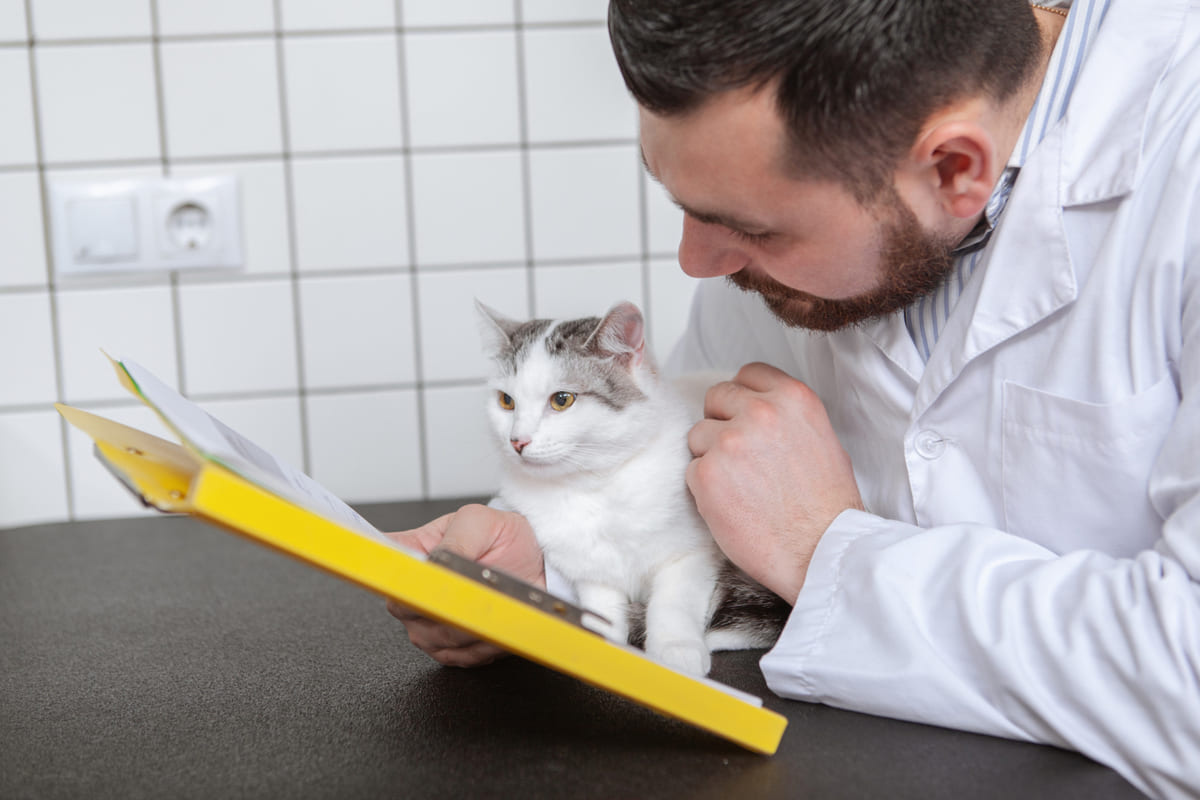 As stated in the PetMD source, kidney failure in cats is characterized by the loss of kidney function. Over time, vital functions such as water excretion, toxin removal, and mineral balance are disrupted. This disruption can change many behaviors of the cat, from its drinking habits to its appetite.
The kidneys are critical organs in the cat's body, filtering waste products, regulating fluid and electrolyte balance, and affecting blood pressure. Kidney failure in cats occurs when some or all of these functions are impaired, leading to the body's inability to adequately remove toxins. As the process progresses, the accumulation of substances such as urea, creatinine, and phosphorus in the blood can affect the cat's general condition, appetite, and energy levels. Therefore, early detection of the decline in kidney function provides a significant advantage in determining the course of the disease and treatment options. Types of Kidney Failure in Cats Kidney failure in cats is generally evaluated under two main headings: Acute Renal Failure (ARF) and Chronic Kidney Disease (CKD). While the types of kidney failure in cats can lead to similar symptoms, they have significant differences in terms of their rate of development, causes, and treatment approach.
As the process progresses, the accumulation of substances such as urea, creatinine, and phosphorus in the blood can affect the cat's general condition, appetite, and energy level.
Therefore, early detection of the decline in kidney function provides a significant advantage in determining the course of the disease and treatment options.
Types of Kidney Failure in Cats
 Kidney failure in cats is generally evaluated under two main headings: Acute Renal Failure (ARF) and Chronic Kidney Disease (CKD). Types of kidney failure in cats can lead to similar symptoms, but they have significant differences in terms of their rate of development, causes, and treatment approach.
Acute Renal Failure
This refers to a rapid loss of kidney function that occurs within hours or days. It can result from poisoning, severe infections, severe dehydration, or trauma. Early intervention is critical because it progresses rapidly. Recovery may be partial or significant depending on the cause.
Chronic Renal Failure
This is a slow, often irreversible process that develops over months or years. It is more common in middle-aged and older cats. As kidney tissue loses function over time, the cat's water intake, urine output, appetite, and energy level change. Treatment is planned to preserve remaining kidney function and improve the cat's quality of life.
According to LakeCross Veterinary, chronic kidney failure can progress for a long time without showing any noticeable symptoms. Because it progresses insidiously, most cats may have reached a certain stage of the disease by the time they are diagnosed. Therefore, regular health checkups and blood and urine tests are very valuable for early diagnosis.
Stages of Kidney Failure in Cats
 Staging is an important guide in determining both the treatment plan and the frequency of follow-up. The most commonly used system to assess the severity of chronic kidney disease in cats is IRIS staging.
This staging shows which stage the disease is in based on findings such as blood creatinine and SDMA levels, urine density, and proteinuria (excess protein in the urine). SDMA level; It can be defined as a specific waste load produced by cells and that the kidneys need to clear, which can be determined by blood tests. The
PDSA source emphasizes that IRIS stages are a fundamental tool for monitoring chronic kidney disease long-term and accurately determining the cat's clinical needs. Thanks to this classification, the veterinarian can determine the most appropriate treatment and care approach according to the stage your cat is in.
|
Stage |
Status |
Creatinine (mg/dL) |
SDMA (µg/dL) |
|---|---|---|---|
|
Stage 1 |
Preamble / Risk |
< 1.6 |
< 18 |
|
Stage 2 |
Hafif Yetmezlik |
1.6 – 2.8 |
18 – 25 |
|
Stage 3 |
Moderate Failure |
2.9 – 5.0 |
26 – 38 |
|
Stage 4 |
Advanced Failure |
> 5.0 |
> 38 |
IRIS Stage 1: Even though kidney damage has begun, clinical signs are often not seen. This period is usually detected incidentally in routine blood tests.
IRIS Stage 2: Characterized by increased creatinine/SDMA levels and mild clinical signs. Your cat may drink more water, have increased urine output, or have a decreased appetite. At this stage, renal diet, fluid balance management, and blood pressure management are key.
IRIS Stage 3: Symptoms are more pronounced. Weight loss, lethargy, vomiting, loss of appetite, and dehydration may occur. Toxin accumulation becomes evident in blood values. Supportive treatments become important.
IRIS Stage 4: This is the advanced stage of the disease. At this stage, toxins that the kidneys cannot filter can irritate the stomach and intestines, resulting in intense uremic symptoms such as decreased body temperature, lethargy, ammonia odor in the mouth, and dull fur. Treatment focuses on controlling symptoms and ensuring the cat's comfort.
Causes of Kidney Failure in Cats
 Kidney failure in cats can occur as a result of a combination of different mechanisms. Knowing the causes makes it easier to both detect it early and reduce the risks.
- Over time, the smallest functional units of the kidneys, called nephrons, can lose their function and kidney capacity can decrease. Accordingly, advancing age can be considered an important risk factor.
- Kidney diseases may be more common in some breeds, such as Persian cats. At this point, genetic predisposition can also be evaluated in line with the risk factors for kidney failure in cats.
- In cats that have suffered poisoning, infection, drug toxicity, or severe dehydration, acute damage can turn into a chronic process.
- Bacterial infections affecting kidney tissue, such as pyelonephritis, can lead to permanent loss of function if left untreated.
- Antifreeze (ethylene glycol), certain plants, heavy metals, toxic foods, and some medications are among the significant causes of acute kidney failure.
- Continuously high blood pressure can damage kidney blood vessels, accelerating loss of function.
- Blockages, especially seen in male cats, can create back pressure on the kidney, causing sudden and serious damage.
- Hyperthyroidism, diabetes, or other chronic diseases that put a strain on the kidneys can weaken kidney function over time.
- In cats that drink little water, urine concentration increases. This situation can put a strain on kidney tissue in the long term. Symptoms of Kidney Failure in Cats Symptoms of kidney failure in cats may not be apparent in the early stages unless the cat has other chronic diseases. As the stage progresses, the symptoms change and become more severe. The most common symptoms can be listed as follows: Increased urine volume: Although an increase in urine volume may be perceived as a sign that the kidneys are working well, it is important to be careful. This symptom may also be a sign that the kidneys are not retaining enough water. Urinating outside the litter box is also among the symptoms. Increased water consumption. As the frequency and volume of urination increase in cats, they may start drinking more water than usual to replace the lost water.
Symptoms of Kidney Failure in Cats
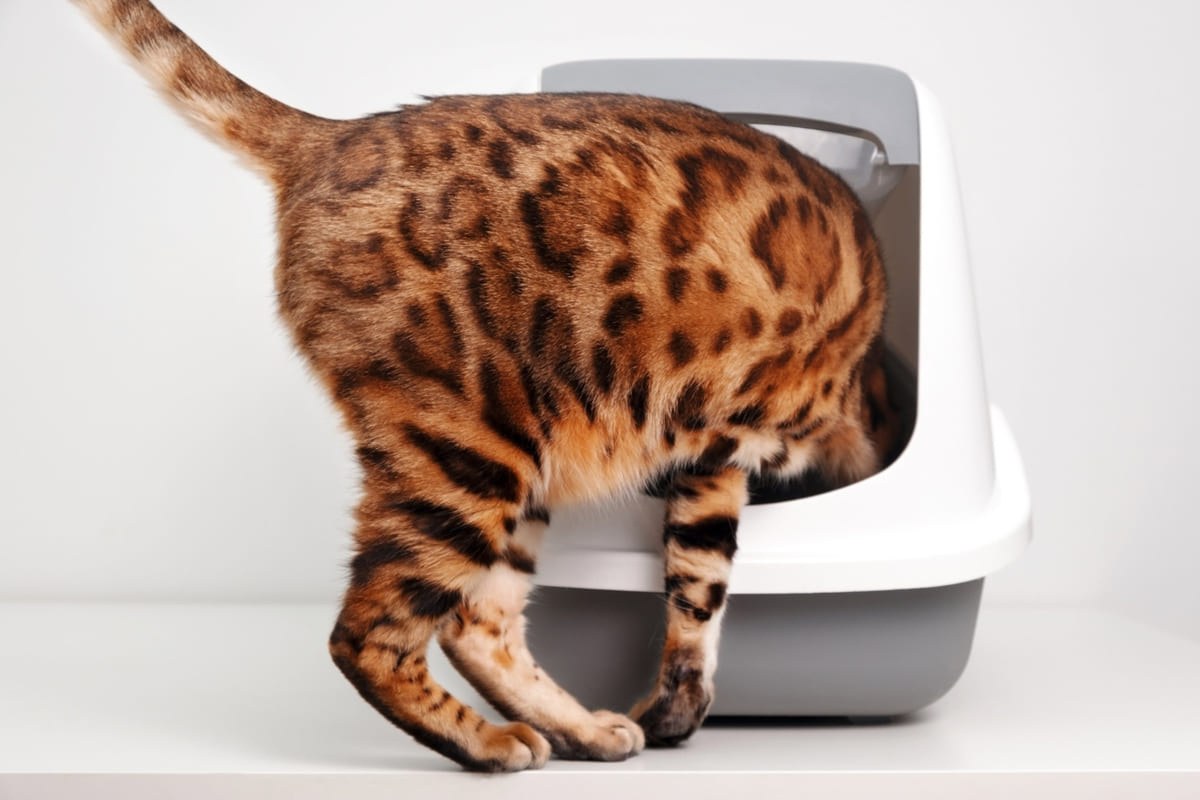 Symptoms of kidney failure in cats may not be apparent in the early stages unless the cat has other chronic diseases. As the stage progresses, the symptoms change and become more severe. The most common symptoms can be listed as follows:
- Increased urine volume: Although an increase in urine volume may be perceived as a sign that the kidneys are working well, it is important to be careful. This symptom may also be a sign that the kidneys are not retaining enough water. Urinating outside the litter box is also among the symptoms.
- Increased water consumption. As the frequency and volume of urination increase in cats, they may start drinking more water than usual to replace the lost water.
- Weight loss and loss of appetite
- Vomiting, diarrhea
- Mouth sores, especially on the gums and tongue
- Bad breath
- Deterioration in coat health
- Anemia
- Weakness, lethargy, and apathy
The end-stage symptoms of kidney failure in cats are characterized by cats feeling very ill, losing energy and appetite. In general, it is known that the success rates of treatments started at this stage, where serious health problems are faced, are not very high.
VERY IMPORTANT:
- If your cat is unable to urinate or produces very little/no urine despite straining for a long time in the litter box,
- Recurrent vomiting, severe or bloody diarrhea, sudden and marked weakness/collapse, lethargy and rapid deterioration of general condition, seizures, drop in body temperature and sharp, foul odor in the mouth accompanied by rapid worsening,
- If you observe signs such as complete cessation of eating or a rapid increase in loss of appetite, or
- If there is suspicion of exposure to a toxin such as antifreeze, lily, cleaning chemicals, pesticides or human medicines, you must consult a veterinarian immediately.
How is Kidney Failure Diagnosed in Cats?
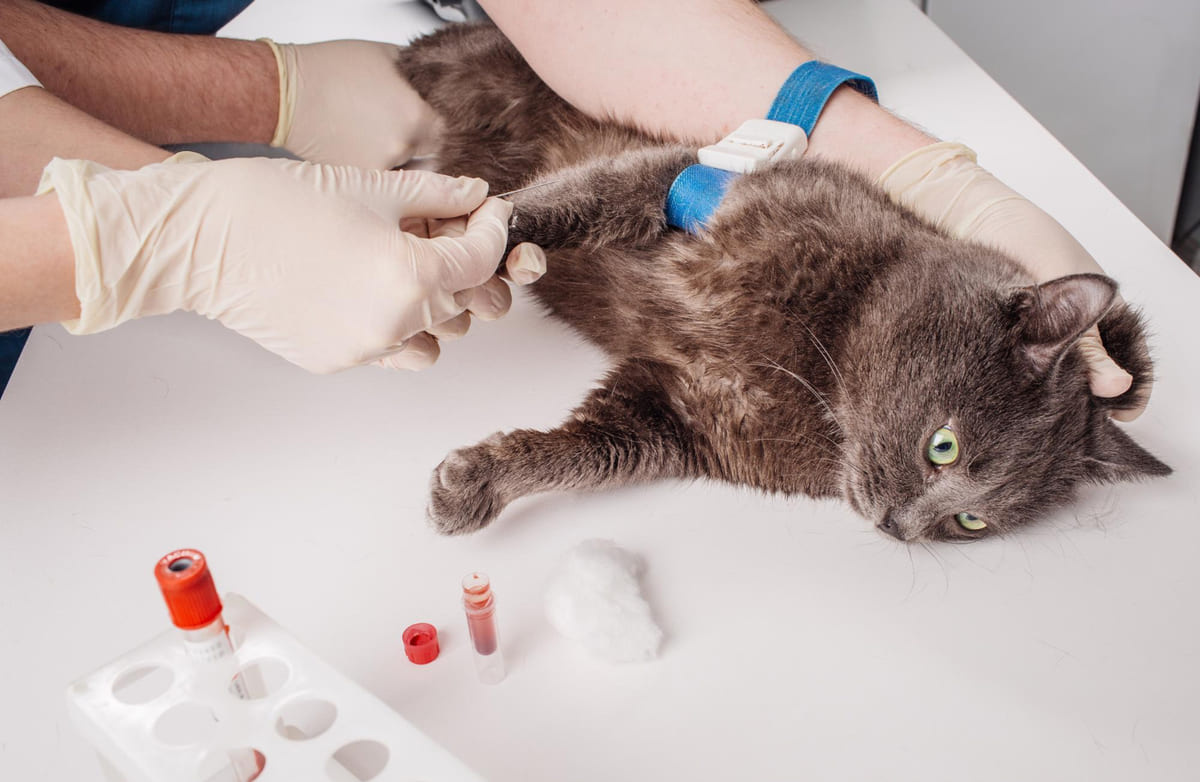 As stated in the WebMD source, the diagnosis of kidney failure in cats involves a multi-step evaluation starting with blood and urine tests. Thanks to these basic examinations, clear information is obtained about how well the kidneys filter toxins, their urine concentration capacity, and the stage of the disease.
Physical examination: Your cat's hydration status, weight, bad breath, ulcers, and abdominal palpation are evaluated.
Blood test (BUN, creatinine, SDMA): These are basic tests reflecting the filtering capacity of the kidneys. High BUN and creatinine levels in cats are important indicators of decreased kidney function. SDMA can identify early deterioration.
Urine analysis (USG, proteinuria): The specific gravity of urine (USG) indicates the kidney's concentrating ability. Proteinuria may indicate damage to the kidney filter.
Imaging and blood pressure measurement: Ultrasound is used to examine the structure of the kidneys; blood pressure measurement shows whether cats have hypertension.
Treatment of Kidney Failure in Cats
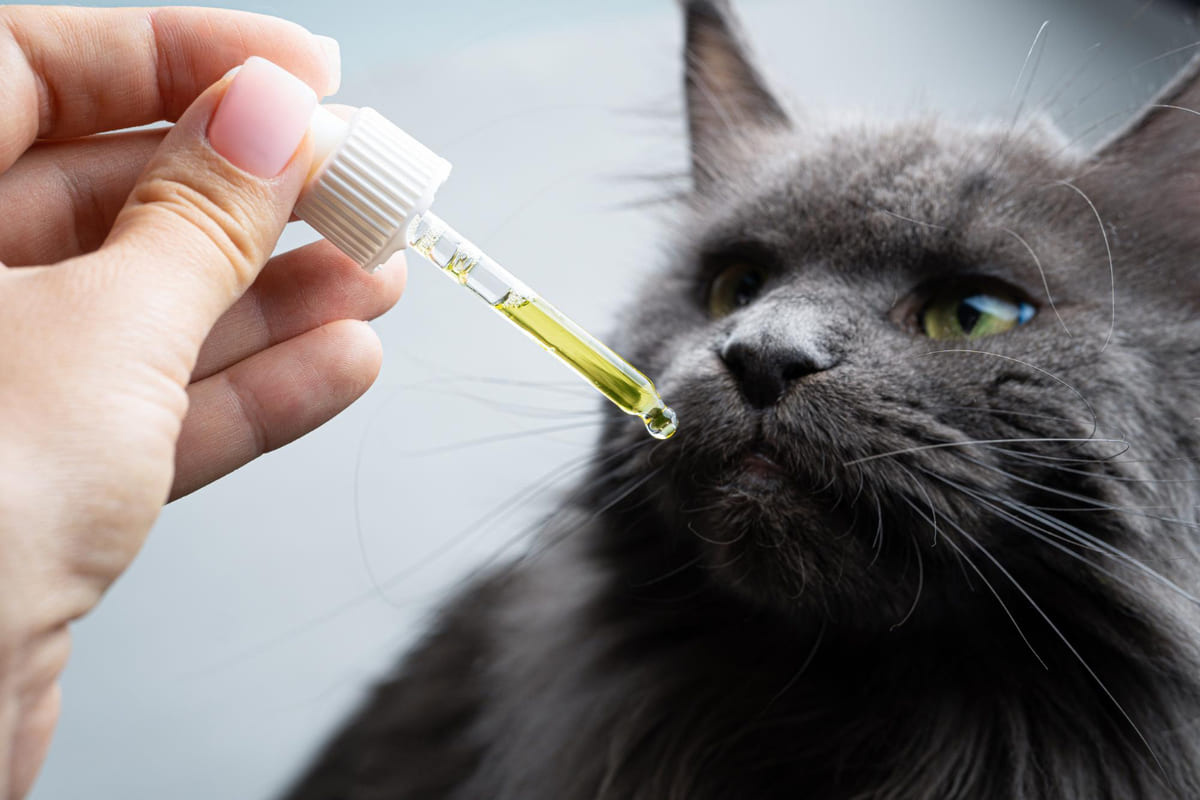 Treatment is aimed at preserving the existing capacity of the kidneys and alleviating symptoms, rather than restoring lost kidney function. The plan is shaped according to your cat's IRIS stage, blood values, blood pressure, and clinical condition.
The Vetster source states that treatment is personalized according to the cat's overall condition; It emphasizes that fluid therapy, specialized nutrition, blood pressure management, and maintaining mineral balance are essential components.
Fluid therapy: Applied to eliminate dehydration, dilute toxins, and reduce the burden on the kidneys.
Renal diet cat food: With its low phosphorus, controlled protein, and balanced sodium content, it can reduce the burden on the kidneys. Veterinary series foods can be found here.
Phosphorus binders: May help prevent further damage to kidney tissue when blood phosphorus levels rise.
Antihypertensive drugs: By controlling hypertension in cats, further damage to the kidneys can be prevented.
Nausea and vomiting control: Uremic bacteria cause nausea; reducing uremic levels in the blood can help increase the cat's appetite.
Potassium and B vitamin supplements: May be supportive in cats experiencing loss of appetite and muscle weakness.
Caution: Treatment processes and medications that can be used in cats should ONLY be determined according to the recommendations of a veterinarian. Medications prescribed by veterinarians should ONLY be used for the recommended dose and duration.
Systemic Hypertension in Cats with Chronic Kidney Disease
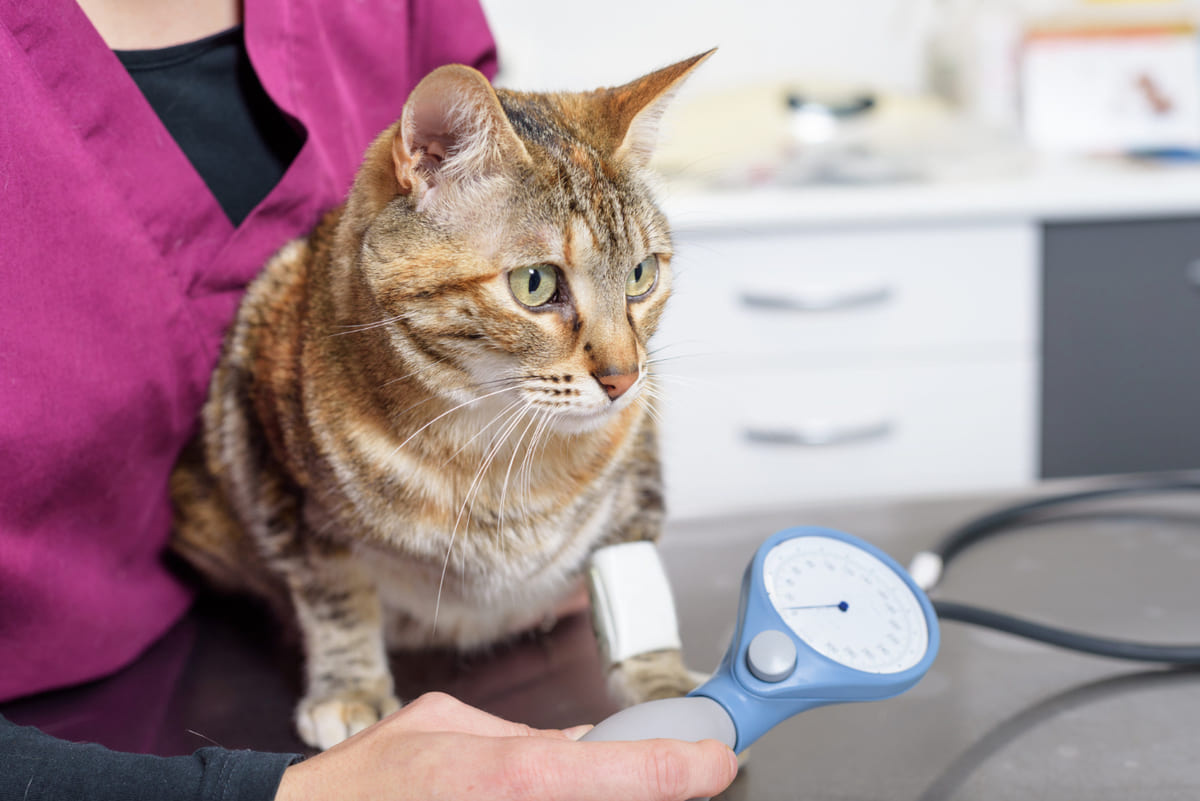 In cats with chronic kidney disease, elevated blood pressure can cause further damage to kidney tissue and can also lead to serious problems in the eyes, brain, and heart. Uncontrolled hypertension; It can damage kidney blood vessels, leading to faster disease progression, retinal hemorrhage and sudden vision loss, impaired brain circulation, and neurological symptoms.
VCA Animal Hospitals also emphasizes that hypertension is one of the most common secondary problems associated with chronic kidney failure.
Prognosis and Quality of Life: What You Need to Know
The likelihood and course of recovery from kidney failure in cats; The outcome depends on whether the disease is acute or chronic, the IRIS stage at diagnosis, comorbidities, and how early treatment is started.
Cornell Feline Health Center emphasizes that regular follow-up, appropriate diet, and correct medication use are important for cats diagnosed with kidney disease to enjoy a good quality of life for many years.
In addition, there are things that can be done at home to improve the quality of life of cats. A quiet environment, comfortable beds, and easy access to litter boxes and food bowls are important for kidney disease management, especially in older cats.
It is best to create a realistic but hopeful monitoring plan for your cat together with your veterinarian. This plan clarifies how often check-ups will be needed, which tests will be followed, which symptoms require urgent evaluation, and which steps will be prioritized in the palliative care phase.
Frequently Asked Questions About Kidney Failure in Cats
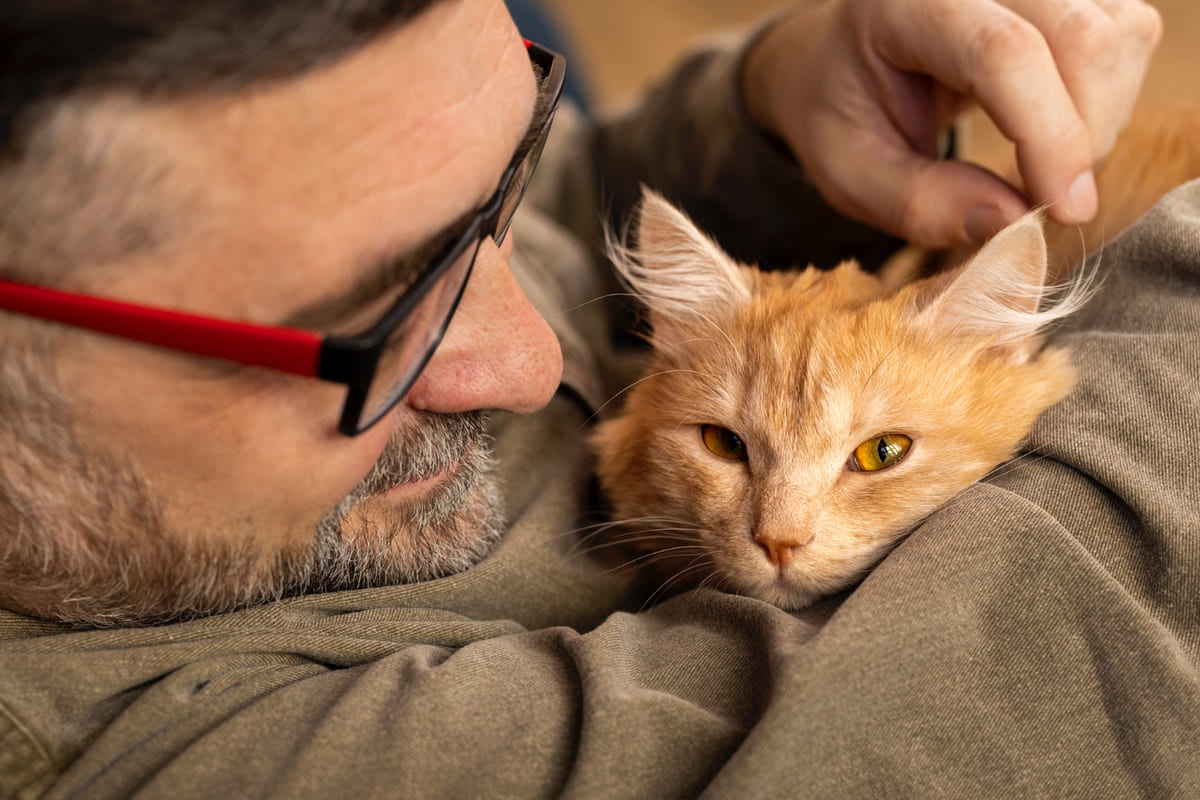 A diagnosis of kidney failure in cats is often the beginning of a worrying and uncertain process for cat owners. To better understand the disease, manage expectations correctly, and provide the best support for your cat during this process, we have compiled the most frequently asked critical questions and their answers below.
Can kidney failure in cats be cured?
Chronic kidney disease does not completely heal because the lost kidney tissue cannot be recovered. However, with proper nutrition, regular monitoring, and control of blood pressure and mineral balance, the process can be kept stable for a long time. In acute kidney failure, the chance of complete recovery is higher if the cause is eliminated quickly.
Is kidney failure fatal in cats?
Kidney failure that reaches an advanced stage and remains uncontrolled can be life-threatening. Many cats that are diagnosed early and comply with treatment can have a good quality of life for many years. Signs such as uremic vomiting, significant weight loss, loss of appetite, and severe dehydration require urgent evaluation.
Which cat breeds are more prone to kidney failure?
Polycystic kidney disease (PKD) is genetically more common in breeds such as Persian and Himalayan cats. In older cats, the risk of kidney failure may increase regardless of breed.
My cat with kidney disease is not eating, what should I do?
- Anti-nausea medications should be evaluated by a veterinarian.
- Renal diet options (dry/wet food) can be tried.
- Heated food may increase odor.
- Syringe feeding should only be done on the recommendation of a veterinarian.
- Prolonged loss of appetite requires urgent examination.
Is it possible to prevent kidney failure?
While complete prevention is not always possible, you can significantly reduce the risks. Regular health checkups, especially for cats over 7 years old, encouraging ample water intake, and adding wet food to their diet help protect the kidneys.
Avoiding poisonous plants, chemicals, and uncontrolled medication use, treating urinary tract diseases early, and not neglecting blood pressure and weight monitoring are also important steps in reducing the risk of developing kidney failure in cats.
Kaynaklar:
https://www.msdvetmanual.com/urinary-system/noninfectious-diseases-of-the-urinary-system-in-small-animals/renal-dysfunction-in-dogs-and-cats#Chronic-Kidney-Disease_v98207536
https://www.pdsa.org.uk/pet-help-and-advice/pet-health-hub/conditions/chronic-kidney-disease-in-cats
https://www.petmd.com/cat/conditions/urinary/kidney-failure-in-cats
https://www.lakecross.com/site/blog-huntersville-vet/2020/11/05/symptoms-kidney-failure-cats
https://www.webmd.com/pets/cats/kidney-failure-uremia-symptoms-cats
https://www.englishcreekvet.com/site/blog/2024/06/30/cat-kidney-failure
https://vetster.com/en/wellness/kidney-failure-in-cats-types-symptoms-and-treatment
https://wagwalking.com/cat/condition/kidney-failure
https://www.vet.cornell.edu/departments-centers-and-institutes/cornell-feline-health-center/health-information/feline-health-topics/chronic-kidney-disease
https://www.portjeffersonanimalhospital.com/site/blog/2024/02/15/causes-treatment-kidney-failure-cats
https://vcahospitals.com/know-your-pet/kidney-failure-chronic-in-cats
Advertisement
Advertisement
Keep exploring
Continue reading
Cat Health
Why Do Cats Get Thinner as They Age? Symptoms and Treatment
When stroking an aging cat's back, the spine or hip bones may feel more prominent than before, which is the first change most cat owners notice.
Read guide →
Cat Health
Cat Anatomy and Organs: Body Structure, Health Signs and Relationship with Diseases
A slight change in posture, a slight limp in gait, or a difference in litter box habits in cats can give clues about their body systems.
Read guide →
Cat Health
How to Acclimate Cats to Carrier Bags?
Does your cat hide, hiss, or resist with all its might the moment it sees the carrier? This reaction is described as carrier phobia in most homes…
Read guide →
Cat Health
What Should Be Considered After Vaccination in Cats?
Following your cat's vaccination schedule for health and a long life is one of the most critical decisions you will make as a pet owner.
Read guide →