The Effects of Cigarette Smoke on Pets
Often, ventilating the room, opening the window, or going out onto the balcony is sufficient when smoking is allowed in the house. It is thought that cigarette smoke is a minor issue. However, the effects of cigarette smoke on pets are much deeper and longer-lasting than imagined.

Advertisement
Often, ventilating the room, opening the window, or going out onto the balcony is sufficient when smoking is allowed in the house. It is thought that cigarette smoke is a minor issue. However, the effects of cigarette smoke on pets are much deeper and longer-lasting than imagined. Pets exposed to smoke, especially because they have smaller body weights and live closer to the ground, can be more affected by chemicals in the air and on surfaces than humans. Our furry friends can inhale cigarette smoke not only by breathing it in, but also by licking it while grooming their fur. This routine behavior means that harmful substances are inhaled through both the respiratory and digestive systems due to the chemicals accumulating in the fur. In this article, you can find information about the effects of cigarette smoke on pets and discover practical suggestions to support your pet's health.
Our pets can inhale cigarette smoke not only by breathing it in, but also by licking it while grooming their fur. This routine behavior means that harmful substances are inhaled through both the respiratory and digestive systems due to the chemicals that accumulate in the fur.
In this article, you can find information about the effects of cigarette smoke on pets and discover practical suggestions to support your pet's health.
Passive Smoking: Direct Effects of Cigarette Smoke on Pets

Passive smoking in pets refers to inhaling smoke exhaled by a smoker or smoke from cigarettes, cigars, or pipes. This smoke is defined as secondhand smoke and, because it does not pass through a filter, it may contain more harmful chemicals than smoke inhaled directly.
The National Library of Medicine reports that tobacco smoke contains more than 7,000 chemicals, approximately 80 of which are carcinogenic. Therefore, there is no safe level of exposure to secondhand smoke.
The harmful effects of cigarette smoke on pets occur directly through the respiratory system. Respiratory illnesses and respiratory problems in pets are among the earliest consequences of passive smoking.
Symptoms of passive smoking, such as coughing, wheezing, and fatigue during exercise, are related to the effects of smoke on the lungs and upper respiratory tract. The same chemicals can damage bronchial and lung tissue, paving the way for chronic respiratory diseases. You can read our articles on Why Do Cats Cough? What Helps with Cat Coughing? and What Does Coughing Mean in Dogs? When Should You See a Veterinarian?
The numerous toxic components in tobacco smoke increase the toxic load that can affect the entire body of pets. This can lead to the development of cardiovascular problems, primarily an increased risk of cancer in animals. As stated in the PDSA source, passive smoking has been linked to cancer and cardiovascular diseases in animals as well as humans.
Risks of Cigarette Smoke on Cats and Dogs

The answers to the questions “Is cigarette smoke harmful to cats?” and “Is cigarette smoke harmful to dogs?” can be listed as follows:
- Cats living in smoky environments may have an increased risk of developing asthma and cancer.
- The incidence of lymphoma affecting the lymph nodes has been reported to be approximately twice as high in cats exposed to cigarette smoke; this risk increases as the cat lives in a smoking home for longer.
- Cats that groom themselves excessively ingest chemicals accumulated in their fur, causing their oral tissues to be constantly in contact with carcinogens and increasing the risk of developing oral tumors.
- Dogs living with secondhand smoke have been reported to have more eye infections, allergic reactions, and respiratory problems such as asthma.
- Studies have revealed possible links between secondhand smoke and nasal and sinus cancers in dogs. A predisposition to these tumors is particularly highlighted in long-nosed breeds such as Bull Terriers and Dachshunds.
- It has been observed that dogs living in smoky environments cough more frequently; this is associated with chronic bronchitis and similar respiratory problems in pets.
Third-Hand Smoke: Hidden Toxins Accumulating in Fur and Household Surfaces
Thirdhand smoke refers to toxic chemicals that remain in the environment even after cigarettes are extinguished. These residues; Smoke residue can accumulate for days on hair, skin, fabrics, carpets, furniture, toys, and pet fur. Even if the smoke is not visible or odorless, these residues continue to build up over time. Cats and dogs are constantly in contact with these residues through cushions, beds, and sofas where they rest. When they lick their fur, they swallow the residues on their fur and paws. This process means that for pets affected by smoke, exposure continues even when no one is smoking. The same applies to other species that roam on the floor, live in cages, or come into contact with human clothing. Opening windows, using a fan, or running an air purifier can dilute the smoke. However, these methods do not completely remove the residues clinging to surfaces. Therefore, when evaluating the harms of smoking in the home, pet fur and residues accumulating on household surfaces should also be taken into account.
Cats and dogs are constantly in contact with these residues from cushions, beds, and sofas where they rest. Afterwards, when they lick their fur, they swallow the residues on their fur and paws. This process means that for pets affected by smoke, exposure continues even when no one is smoking. The same applies to other species that roam on the ground, live in cages, or come into contact with people's clothing.
Opening windows, using a fan, or running an air purifier can dilute the smoke. However, these methods do not completely remove residue clinging to surfaces. Therefore, when evaluating the harms of smoking in the home, feathers and residue accumulating on household surfaces should also be taken into account.
Additional Dangers for Birds and Small Pets

When it comes to the effects of cigarette smoke on pets, the sensitivity of birds and small species is particularly emphasized. The following should be noted:
- Birds' respiratory systems are extremely sensitive to airborne pollutants.
- It has been reported that birds exposed to passive smoke have a higher probability of developing pneumonia, lung cancer, eye, skin, heart, and fertility problems.
- Third-hand residue adhering to their feathers and the surfaces of their cages is inhaled by birds when they clean their feathers with their beaks.
- Indoor species such as rabbits, hamsters, and guinea pigs are easily affected by the high concentration of smoke in enclosed spaces. Allergic reactions, respiratory distress, and chronic lung changes with long-term exposure have been reported in these animals.
What are the Symptoms of Tobacco-Related Poisoning in Pets?
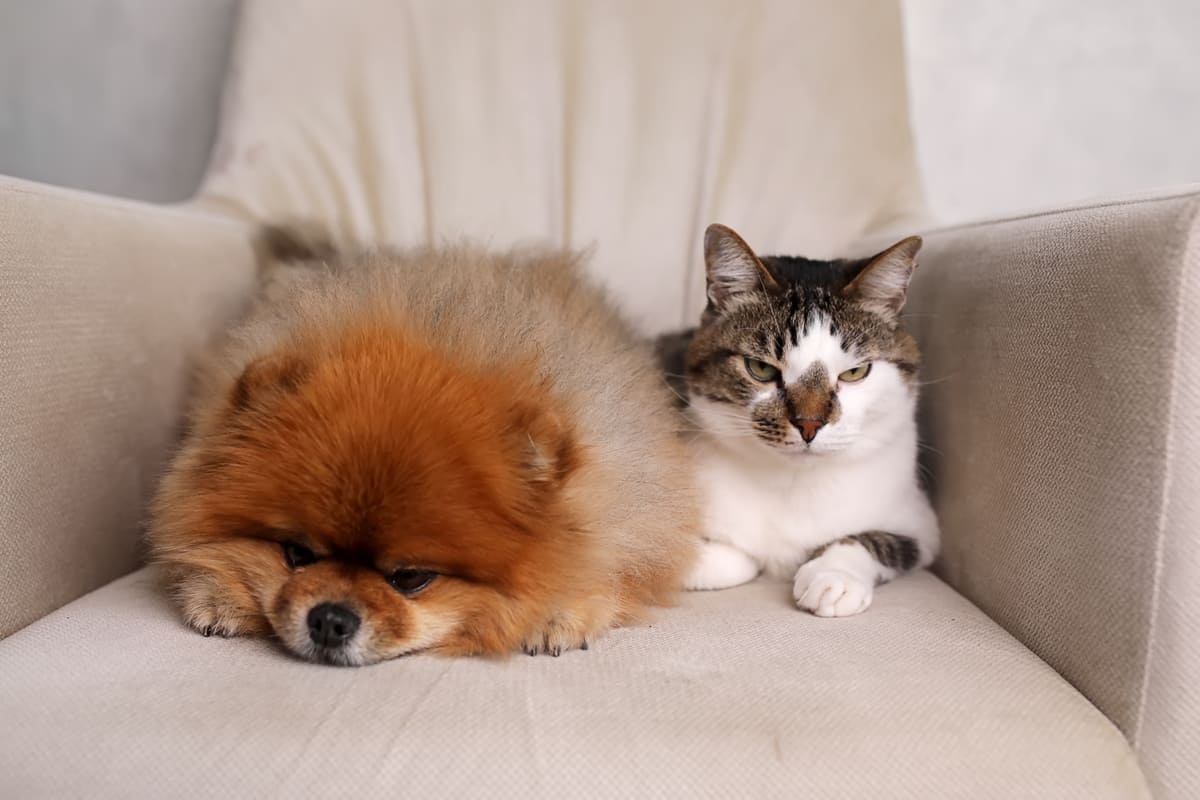
Both inhaling cigarette smoke directly and swallowing tobacco products and e-cigarette liquids pose a serious risk. In this context, the relationship between nicotine and pets is important, both in terms of chronic exposure and acute poisoning.
Symptoms of cigarette smoke poisoning in pets can be listed as follows:
- Shortness of breath
- Rapid and shallow breathing
- Easy fatigue
- Wheezing
- Eye discharge
- Loss of appetite
- Skin and coat problems
In addition, if nicotine-containing products are ingested, severe nicotine poisoning symptoms such as vomiting, diarrhea, muscle weakness, tremors, staggering, heart rhythm disorders, seizures, and even coma may occur. Home intervention is not recommended when these symptoms occur; a veterinarian should be consulted immediately. Scientifically Proven Methods to Protect Pets The questions “Can pets be protected from cigarette smoke?” and “Does smoking on the balcony protect animals?” are among the most frequently asked questions by pet owners who smoke. Scientific data shows that the approach that best reduces the risk of passive smoking and third-hand smoke in pets is to make the environment where the animals live completely smoke-free.
Scientifically Proven Methods to Protect Pets

“Can pets be protected from cigarette smoke?” and “Does smoking on the balcony protect animals?” are among the most frequently asked questions by pet owners who smoke.
Scientific data shows that the approach that best reduces the risk of passive smoking and third-hand smoke in pets is to make the environment where the animals live completely smoke-free.
Smoking outside, especially away from entrance doors and windows, can help reduce the amount of secondhand smoke and residue carried back inside. However, since third-hand smoke residue can be carried on clothing, hair, and skin, simple hygiene measures are important before contact with the animal.
Air purifiers, while not completely eliminating smoke, can help reduce the concentration of particulate matter in the air.
Carpets, upholstery, curtains, and textile surfaces can retain nicotine and other residues for extended periods. Regular cleaning and thorough sanitization of these surfaces can help reduce the toxic effects of smoke.
Regular grooming and brushing, especially for cats and dogs, can help reduce the residue load on their fur. This step can partially reduce the risk of ingesting third-hand residue while grooming.
Regular emptying of ashtrays, disposing of cigarette butts out of reach, and keeping all tobacco/nicotine products in cabinets are important.
Caution: It should be remembered that e-cigarettes and heated tobacco products also carry risks. E-cigarette liquids can contain high doses of nicotine, and even small amounts can lead to serious poisoning.
Many pet owners become motivated to reduce or quit smoking when they learn about the risks. Seeking support from healthcare professionals and smoking cessation programs during this process is a long-term investment for both the owner and the pet.
Frequently Asked Questions

In this section of our content, you can find answers to frequently asked questions from pet owners.
Is smoking on the balcony sufficient to protect pets?
While smoking on the balcony provides less exposure than smoking directly inside the room, the risk of third-hand smoke being carried back into the house through residue clinging to clothing, hair, and skin remains. Washing hands before contact with the animal, changing outer clothing, and aiming for a completely smoke-free living environment in the long term are safer approaches.
How do I know if my pet has been exposed to smoke?
Signs such as frequent coughing, wheezing, shortness of breath, redness and discharge in the eyes, fur and skin problems, behavioral changes, or unexplained lethargy can be considered among the passive smoking signs associated with smoke exposure. In such cases, it is necessary to consult a veterinarian to clarify the underlying cause.
Is third-hand smoke really harmful?
Yes. Tobacco smoke residue can remain on furniture, carpets, clothing, and fur for a long time. Pets are in constant contact with these surfaces and can swallow this residue while grooming.
Hamile hayvanlar daha fazla etkilenir mi?
The numerous toxic components in tobacco smoke can strain the respiratory and circulatory systems of female animals and indirectly affect the development of offspring. Therefore, the effects of cigarette smoke on pets during pregnancy are assessed more sensitively than at other times, and creating a smoke-free environment is particularly emphasized.
Even if the smell of smoke goes away, do the toxins remain?
Yes. Even if the odor disappears, residues adhering to surfaces and chemicals accumulating in feathers can persist for a long time. This means that the toxic effects of the smoke continue even when the smoke is not visible. Therefore, the disappearance of the odor alone does not mean that exposure has ended.
Kaynaklar:
http://publichealth.lacounty.gov/vet/docs/SmokingPets.pdf
https://vcahospitals.com/know-your-pet/the-effects-of-second-hand-smoke-on-pets
https://vcahospitals.com/know-your-pet/e-cigarettes-and-pet-safety
https://www.pdsa.org.uk/press-office/latest-news/you-smoke-they-smoke
https://www.ncbi.nlm.nih.gov/books/NBK53014/
Advertisement
Advertisement
Keep exploring
Continue reading
Pet Lifestyle & Guides
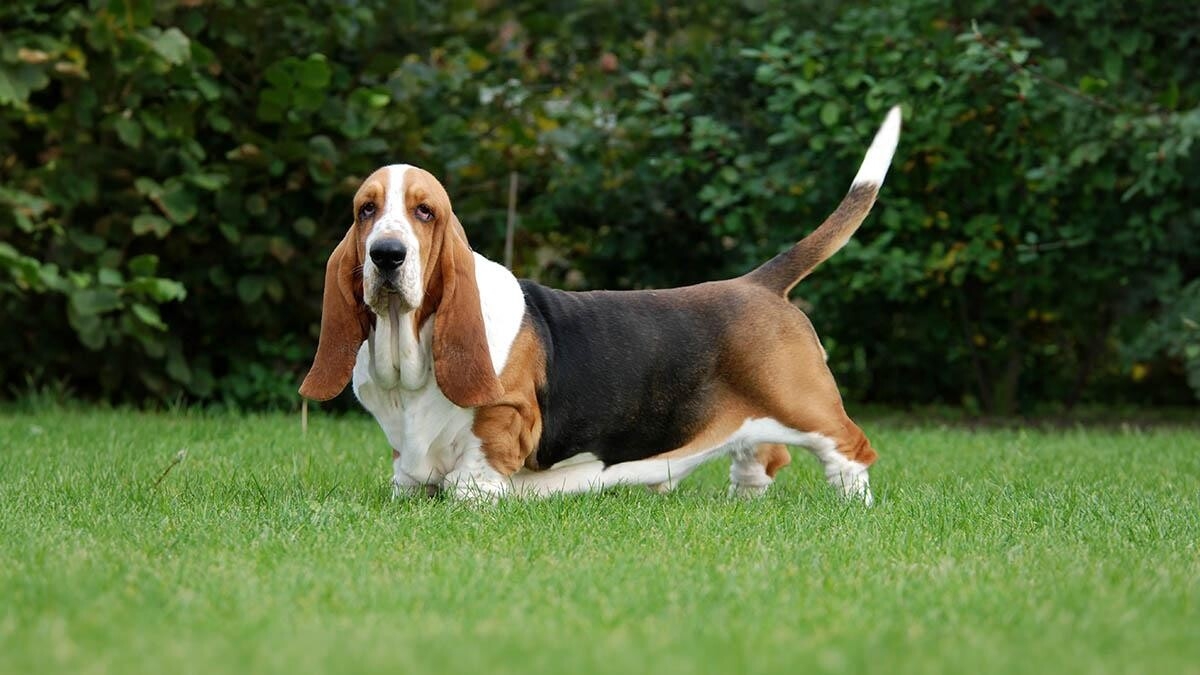
Basset Hound Dog Characteristics, Care and Temperament
A short walk with a Basset Hound can unexpectedly become longer with breaks to examine scents.
Read guide →
Pet Lifestyle & Guides
Alaska Malamute Dog Characteristics, Care and Temperament
When it comes to dogs that can withstand cold weather, one of the first that comes to mind is the Alaska Malamute, a strong sled dog bred to pull…
Read guide →
Pet Lifestyle & Guides
Boston Terrier Dog Characteristics, Care and Temperament
The Boston Terrier is a compact and well-balanced breed classified as a small breed of dog. Its short, glossy coat, erect ears, large round eyes…
Read guide →
Pet Lifestyle & Guides
American Cocker Spaniel Dog Characteristics, Care and Temperament
The American Cocker Spaniel's gentle gaze, silky fur, and cheerful demeanor make it easy to quickly bond with this breed.
Read guide →