Things to Know Before Adopting a Street/Traumatized Dog
Adopting a dog and living with it is an indescribably beautiful experience. There are factors that must be considered when adopting a dog, especially for first-time dog owners. Adoption can be done in different ways.
Advertisement
Adopting a dog and living with it is an indescribably beautiful experience. There are factors that must be considered when adopting a dog, especially for first-time dog owners. Adoption can be done in different ways. You can adopt a newborn puppy that has lost its mother, a puppy being cared for by its mother and ready to leave the nest, or a dog that has been abandoned on the street or is living in a shelter. Adopting a dog from a shelter or the street means adopting a dog that has had negative emotional experiences. In addition to this, adopting a puppy or adult street dog brings with it certain responsibilities. It should never be forgotten that adopting an abandoned or always-alone dog and the strong bonds that are formed after overcoming the initial process are very special.
Dogs Need to Feel Safe
Feeling safe is among the basic needs of every living being. When it comes to adopting a dog from the street, the need to feel safe increases. Unfortunately, the stories of dogs living on the streets or in shelters are traumatic. It should not be forgotten that they may have been abandoned in some way or never received any love. The easiest way to bond with a living being that doesn't feel safe is to make it feel safe and comfortable. When you start living with your dog, you may need to take your time and wait for it to take the first step in communication. You can provide reassurance by simply meeting its basic needs and ensuring its comfort by entering its space. Dogs that have been abandoned or forced to abandon their owners are particularly likely to experience separation anxiety. To prevent this and help the dog feel more secure, it's necessary to establish a routine and stick to it. If the dog will live indoors, it must have a safe space, a refuge. If it will live in the garden, it's important to remember that it needs a doghouse to help it feel secure. Since a dog's need for security can vary depending on its breed, age, and living conditions, trying to learn as much as possible about its history when adopting it will also help build trust.
Don't Neglect Health Checks
When adopting a dog from the street, certain precautions must be taken for the health of both the dog and the household. It is important to visit a veterinarian and have a comprehensive examination for possible health problems before bringing the dog home. Especially if there is another pet living in the house, the possibility of infectious diseases must be ruled out. For this, the dog can be kept in a designated area for a period recommended by the veterinarian. In this way, it is possible to both learn whether the dog has an infectious disease and provide the correct treatment for it, and to protect the household from a possible risk of infection.

Trying to Understand Their Feelings
Trying to understand the feelings of the dog you adopt is important for bonding with it. It is important to remember that dogs adopted from shelters or the street experience different traumas. These dogs may have been abandoned or subjected to various forms of violence. They may have spent a period of their lives fighting with other dogs for food, water, or shelter. Many other traumas cause dogs to experience fear and anxiety. Traumatized dogs may exhibit behaviors such as growling, excessive barking, sudden reactions, obsessive behavior, and fear of noise and sudden movements. It is important to try to understand their feelings, but it is absolutely crucial not to worry during this process. Dogs can understand human emotions. If your dog's emotions worry you, remember that they will sense that worry. When dogs feel that people are worried or hesitant, they also feel a lack of attachment. This causes them to become more anxious, fearful, and stressed.
Value Building a Relationship
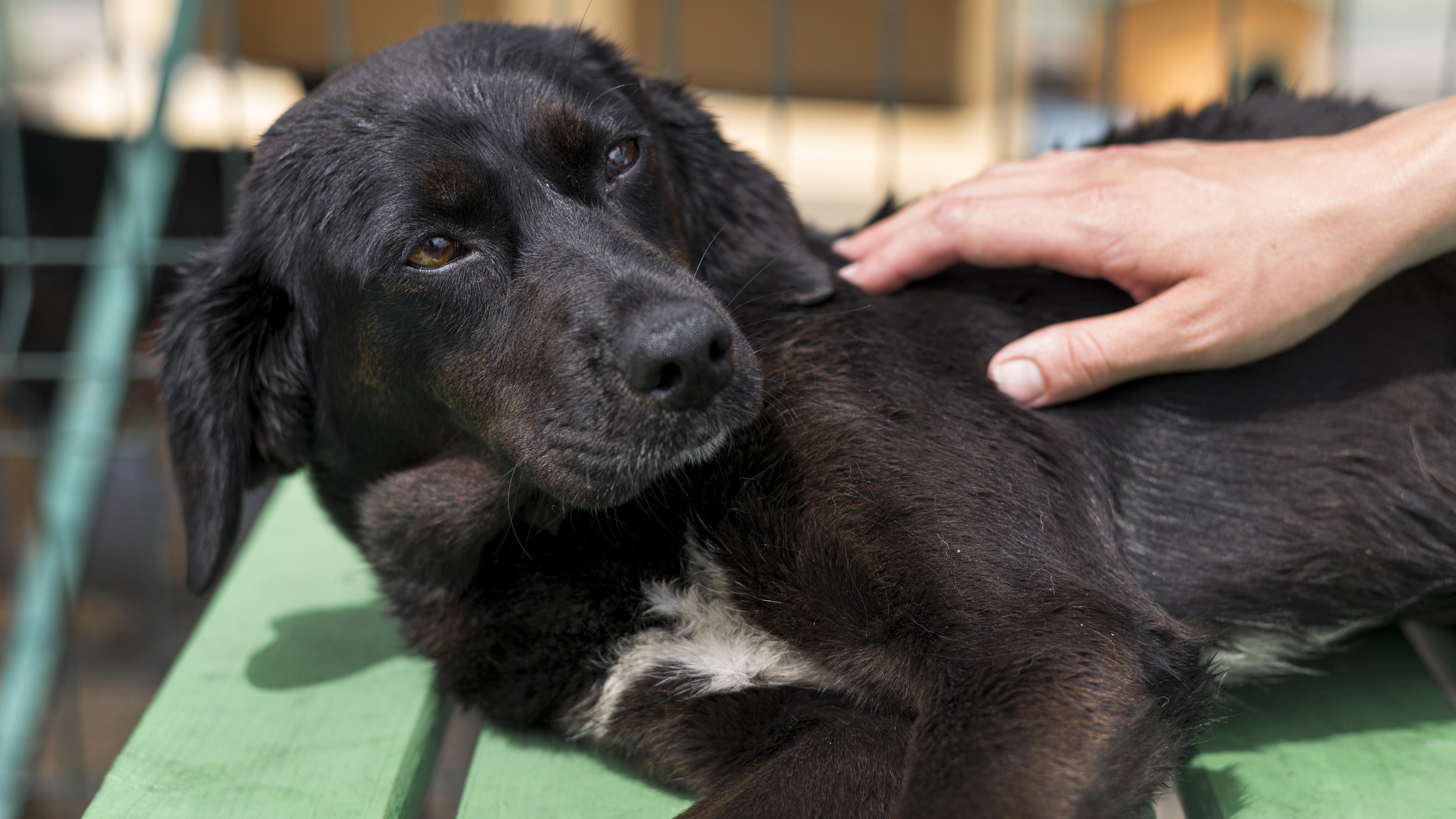
Starting to live with a dog can fill life with wonderful experiences. However, adopting a traumatized dog can cause people to feel fear and anxiety, and this is fundamentally very natural. But what people need to do is remain calmer and observe the dog's changing emotions. It's very valuable to wait for the dog to adjust without violating its personal space too much. In addition, you don't have to leave communication with your dog entirely to its initiative. You can help it get used to your voice by talking to it. You can increase enjoyable moments by offering small treats, and make time more quality and fun with toys. You can click here to browse toys you can enjoy playing with your furry friend. The most important point to consider when establishing this relationship is not to rush into physical contact with the dog. Even if you want to hug, pet its head, or brush its fur, these actions can be frightening for traumatized dogs at first, so it's better to wait for the dog to take the first step.
Discovering the Situations That Trigger the Dog
If you've researched the history of a dog adopted from the street or a shelter and haven't found much information, you need to be a good observer. To understand when your dog experiences fear, anxiety, or stress, it's important to observe it as much as possible. Sometimes, just a hand or arm movement can scare a dog, while other times, a car or horn sound can trigger fear and stress. When events trigger negative emotions in your dog, calmly indicating your presence and making these moments more pleasant is a good way to eliminate negative reinforcement. A consistent approach is important.
Consistent Approach is Important
It's normal for people to be much more attentive and understanding towards a dog after adopting one from a shelter or the street. However, this can cause problems in long-term relationships. It's crucial to establish rules before the dog arrives home and to stick to them under no circumstances. Ignoring all rules initially and then introducing them later can confuse the dog. Instead of reacting with frightening responses when the dog doesn't follow the rules, it's important to distract it and redirect its attention to a positive action. Then, positive reinforcement should be used along with the correct behavior. This way, rules are established from the beginning, and the dog remains unconfused.
Advertisement
Advertisement
Keep exploring
Continue reading

Dog Lifestyle & Guides
The Unseen Risks of Excess Weight in Small Breed Dogs
Small breed Weight gain in dogs sometimes progresses unnoticed. Extra food added to the food bowl, treats given during the day, food offered from the…
Read guide →
Dog Lifestyle & Guides
Dental Health and Its Importance in Dogs
Dental health in dogs is often Bad breath doesn't become a concern until it's noticed. However, the problem often begins before the odor: Plaque…
Read guide →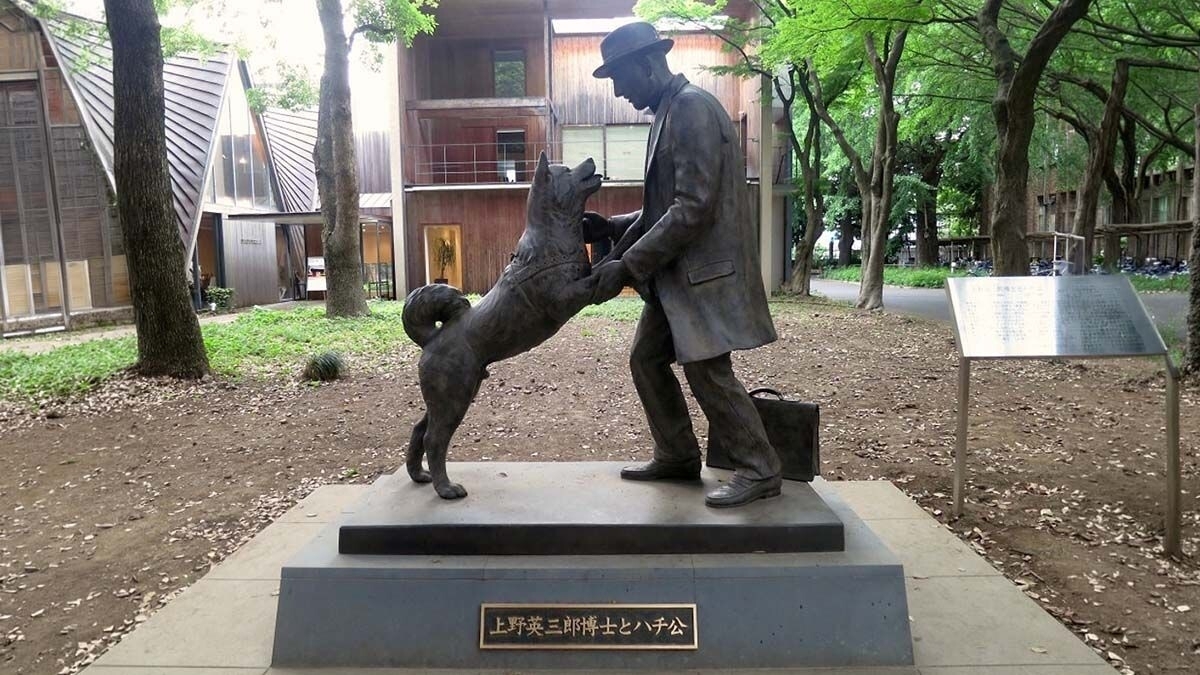
Dog Lifestyle & Guides
Hachiko: The True Story and Monument of the Dog Symbolizing Loyalty
The crowd gathered in front of the Hachiko statue in Shibuya shows that a wait that began years ago is not forgotten today.
Read guide →
Dog Lifestyle & Guides
Nasal Discharge in Dogs
If your dog has a runny nose, the first question that usually comes to mind is: Is this normal, or is there something I should be concerned about?
Read guide →