Tibetan Mastiff Dog Characteristics, Care and Feeding
We know that those who own a Tibetan Mastiff will nod their heads in agreement with this sentence: “He never belonged to me; he simply agreed to live with me.” The Tibetan Mastiff dog breed, which amazes everyone with its majesty, develops deep loyalty to its owner while always maintaining its love…

Advertisement
We know that those who own a Tibetan Mastiff will nod their heads in agreement with this sentence: “He never belonged to me; he simply agreed to live with me.” The Tibetan Mastiff dog breed, which amazes everyone with its majesty, develops deep loyalty to its owner while always maintaining its love of freedom.
It is intelligent but stubborn. It is tame but never a house dog. This magnificent giant, which gives the message "I will protect you" with a single glance, needs spacious areas rather than apartments, patient owners, and plenty of understanding.
Originally developing in the harsh conditions of the Himalayas, the Tibetan Mastiff is a breed that has been known throughout history for protecting herds, guarding against wild animals, and for its night-night barking. With roots dating back centuries, these powerful dogs are still considered one of the "most special" dog breeds today, both for their physical and character traits. In this article, we will comprehensively examine the characteristics, care, and nutritional needs of the Tibetan Mastiff dog breed.
This article will comprehensively examine the characteristics, care, and nutritional needs of the Tibetan Mastiff dog breed.
Other Names: Tibetan Mastiff
Character: Independent, loyal, brave, protective
Weight: 45 - 72 kg
Shoulder Height: 61 - 76 cm
Eye Color: Amber, dark brown
Coat Length: Medium - long, thick and double-layered
Coat Colors: Black, gold, brown, gray, blue
Coat Patterns: Solid color or tan marked
Shedding: Sheds seasonally
Hypoallergenic?: No
Care Requirement: Medium - high
Compatibility with Children: Compliant with supervision
Compatibility with Other Pets: Neutral – can be selective with high supervision
Energy Level: Medium – high (especially at night)
Average Lifespan: 10 – 12 years
Origin: Tibet / Himalayas
What is a Tibetan Mastiff Dog? How to Feed Them?

The feeding regimen of large, robust, and active dogs like the Tibetan Mastiff, a constant fixture on lists of the world's strongest dogs, must be carefully planned. Since this breed grows slowly, bone and muscle development takes a long time to complete, so using food with the right ingredients from puppyhood is critically important. Large breed dog foods formulated with quality proteins, sufficient levels of fatty acids, and components that support joint health help meet the basic nutritional needs of this breed.
Because they are large breed dogs, it can take up to 24 months for them to reach adulthood. Therefore, it is recommended that puppies be fed large breed puppy food for the first two years, if deemed appropriate by a veterinarian.
For growing Tibetan Mastiff puppies, the daily amount of food should be determined under veterinary supervision. Sudden weight gain is risky for this breed: Overweight can damage the developing skeletal system. Meals planned as two meals a day are ideal for both digestive health and energy balance. Water consumption should always be unrestricted. Even when a Tibetan Mastiff reaches adulthood, it may not be prone to overeating. The breed's metabolism is relatively slow, and it's normal for them to sometimes refuse a meal. This feeding tendency, which can be worrying for owners, is generally natural. Of course, regular veterinary checkups are essential to understand if there is a health problem behind this behavior. Some points to consider when planning a Tibetan Mastiff's feeding routine are: Foods containing glucosamine and chondroitin, or supplements approved by a veterinarian, are important for joint health.
Even when Tibetan Mastiffs reach adulthood, they may not be prone to overeating. The breed's metabolism is relatively slow, and it is normal for them to sometimes refuse a meal. This eating tendency, which can be worrying for owners, is generally natural. Of course, regular veterinary checkups are essential to understand if there is a health problem behind this behavior.
Here are some key points to consider when planning a Tibetan Mastiff's feeding routine:
- Foods containing glucosamine and chondroitin, or supplements approved by a veterinarian, are important for joint health.
- Omega-3 and Omega-6 fatty acids can be supportive, especially in seasonal shedding. This process can be facilitated with dog grooming products.
- High-energy foods can be preferred for dogs that are active outdoors. For dogs with low activity levels and adapted to indoor living, portion control should be done to prevent obesity.
- Another point that Tibetan Mastiff owners should pay attention to is that food changes should not be made suddenly. Since the digestive system can be sensitive, the transition to a new food should be done gradually over 7-10 days.
Common Diseases in Tibetan Mastiff Dogs

Despite its robust build, the Tibetan Mastiff is a breed prone to some genetic health problems. Regular health checkups, proper nutrition, and careful observation can prevent or diagnose these diseases early. In this section, based on PetMD, we will examine the ailments that are commonly seen in Tibetan Mastiff dogs.
Hip Dysplasia
Hip dysplasia is a genetic orthopedic problem that results from the improper development of the hip joint and is common in large breeds. In heavy-bodied dogs like Tibetan Mastiffs, it can cause lameness, pain, and limited mobility over time. Treatment options include weight control, the use of joint support supplements, and surgical interventions in advanced cases.
Hypothyroidism
This is a condition in which the thyroid gland does not produce enough hormones. In Tibetan Mastiffs, hypothyroidism can manifest itself with symptoms such as weight gain, lethargy, dry skin, and hair loss. It can be diagnosed with a blood test and controlled with lifelong medication. Entropion Entropion is when the eyelids curl inward, causing the eyelashes to touch the eye. In large dogs with dense coats, such as Tibetan Mastiffs, it can lead to watery eyes, inflammation, and pain. Treatment is usually surgical. Special attention to eye care is important. Elbow Dysplasia Elbow dysplasia is a condition that results in lameness in the forelimb due to joint misalignment. It is more common in large dogs like Tibetan Mastiffs. This problem can become more pronounced, especially during growth periods.
Entropion
Entropion is the condition where the eyelids turn inward, causing the eyelashes to touch the eye. In large dogs with dense coats like Tibetan Mastiffs, it can lead to watery eyes, inflammation, and pain. Treatment is usually surgical. Special attention to eye care is important.
Dirsek Displazisi
Elbow dysplasia is a condition resulting in lameness in the forelimb due to joint misalignment. It is more common in large dogs like Tibetan Mastiffs. This problem can become more pronounced, especially during growth periods.
Gastric Torsion
Gastric Torsion, also known as Gastric Dilatation Volvulus Syndrome, is a rapidly progressing and life-threatening condition that occurs when the stomach is full of gas or twists. It is more likely to occur in large and broad-chested dogs. Tibetan Mastiff owners are advised to feed their dogs in small, divided portions rather than large meals. Food should not be given immediately before or after exercise.
Physical Characteristics and Appearance of the Tibetan Mastiff Dog

The Tibetan Mastiff is a majestic dog that attracts attention with its impressive appearance at first glance. With its broad body, thick fur, and serious gaze, it leaves both a protective and noble impression. The most prominent physical characteristics of the Tibetan Mastiff dog can be listed as follows:
- It has a broad chest, muscular, bony, and strong body.
- Height; approximately 66-76 cm for males and 61-71 cm for females.
- Weight ranges from 45-72 kg.
- Eyes; medium-sized, almond-shaped, and mostly dark amber in color.
- It has a broad forehead, prominent brow ridges, and a strong jaw.
- Its triangular-shaped ears are low-set and attached to the sides of the head.
- Its tail is long, bushy, and curled over its back.
- It has straight, strong-boned front and hind legs and large, round paws.
- Its thick, double-layered coat provides effective insulation against cold weather conditions.
- Black, gold, brown, gray, and blue tones are common. Lighter colored markings are often found on the chest and leg areas.
Tibetan Mastiff Dog Character

The Tibetan Mastiff is one of those special breeds whose character complements its physical appearance. What makes it unique is not only its majestic build; it also has an independent-thinking, cautious, and self-determining personality.
The Tibetan Mastiff, with its high intelligence, learns easily, yet it wants to see a reason to follow commands. This makes it a "thinking" dog rather than an "obedient" one. When properly socialized, it can live harmoniously with children, but it is not recommended to leave it alone with impatient or impulsive young children.
Notable character traits can be summarized as follows:
- It is extremely protective of its family and home.
- It loves its owner but is not always willing to take orders.
- It observes and does not immediately trust strangers.
- It can act without thinking when it senses danger.
- It may be quiet during the day; it switches to guard mode at night.
- Consistency and patience are essential in training.
CARE AND TIPS FOR A TIBEO MASTIC DOG
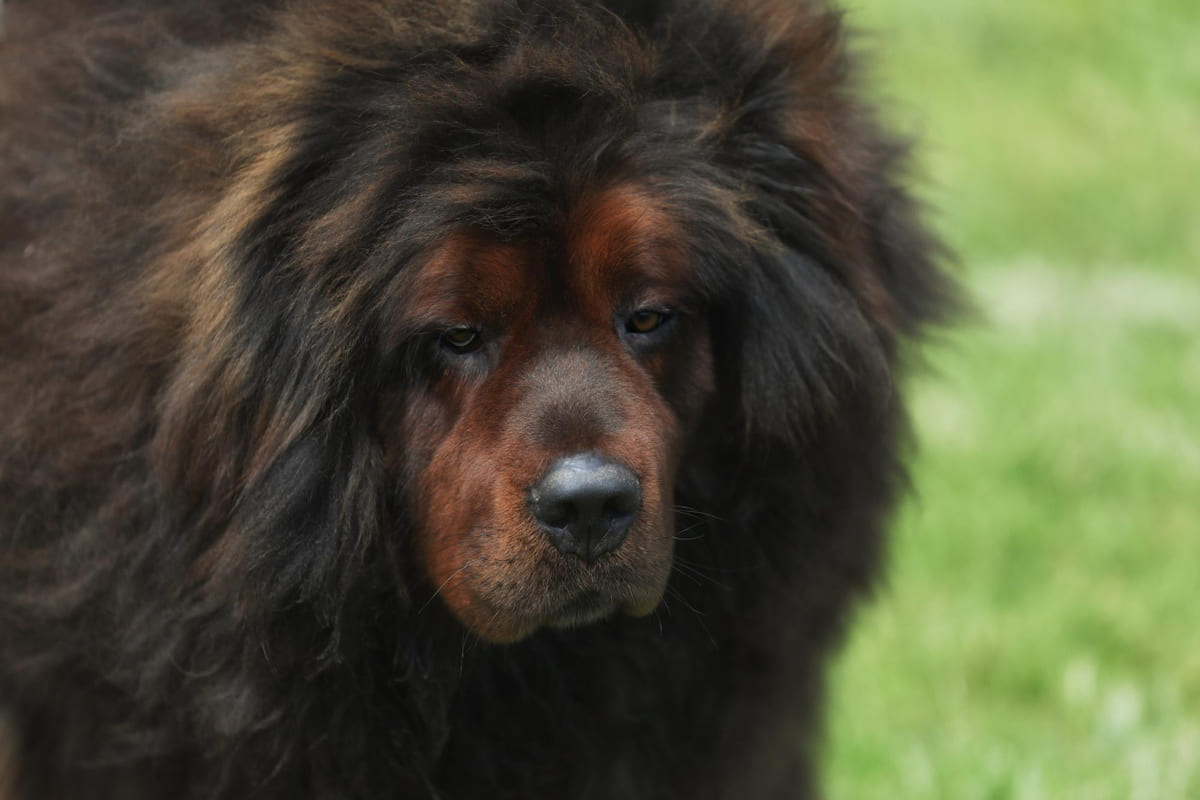
Due to both its physical structure and dense coat, the Tibetan Mastiff requires regular grooming.
The Tibetan Mastiff's thick, double-layered coat sheds heavily at least once a year. Brushing several times a week is essential during these periods. Daily brushing helps keep the fur under control, especially in spring and autumn.
Dog combs and detangling sprays are very helpful during grooming. Massaging the skin surface during brushing can improve circulation and coat health. Particular attention should be paid to areas prone to matting, such as behind the ears, under the neck, and inside the legs.
Because this breed has difficulty with subcutaneous air circulation, skin diseases such as fungal infections can develop in moist or enclosed areas. Regular bathing is not necessary; dog shampoos should be used when needed. Dry shampoos can provide temporary solutions for problems such as odor or oiliness.
It is recommended to clean the discharge that accumulates around the eyes of the Tibetan Mastiff weekly with a damp cloth. Dog eye cleaning solutions can be used to protect against infections.
The drooping ears are closed to ventilation, which leads to moisture accumulation. Weekly ear checks should be performed, and a veterinarian should be consulted if there is a bad odor or discharge. Routine care can be done with dog ear cleaning solutions.
The Tibetan Mastiff needs long walks and mental stimulation daily. Energy levels can vary with the seasons; they are more active in cooler weather. While they can be allowed to roam freely in open areas, they can also expend their energy with leash walks. Durable dog leashes should be preferred for outdoor activities.
Tibetan Mastiff Dog Training
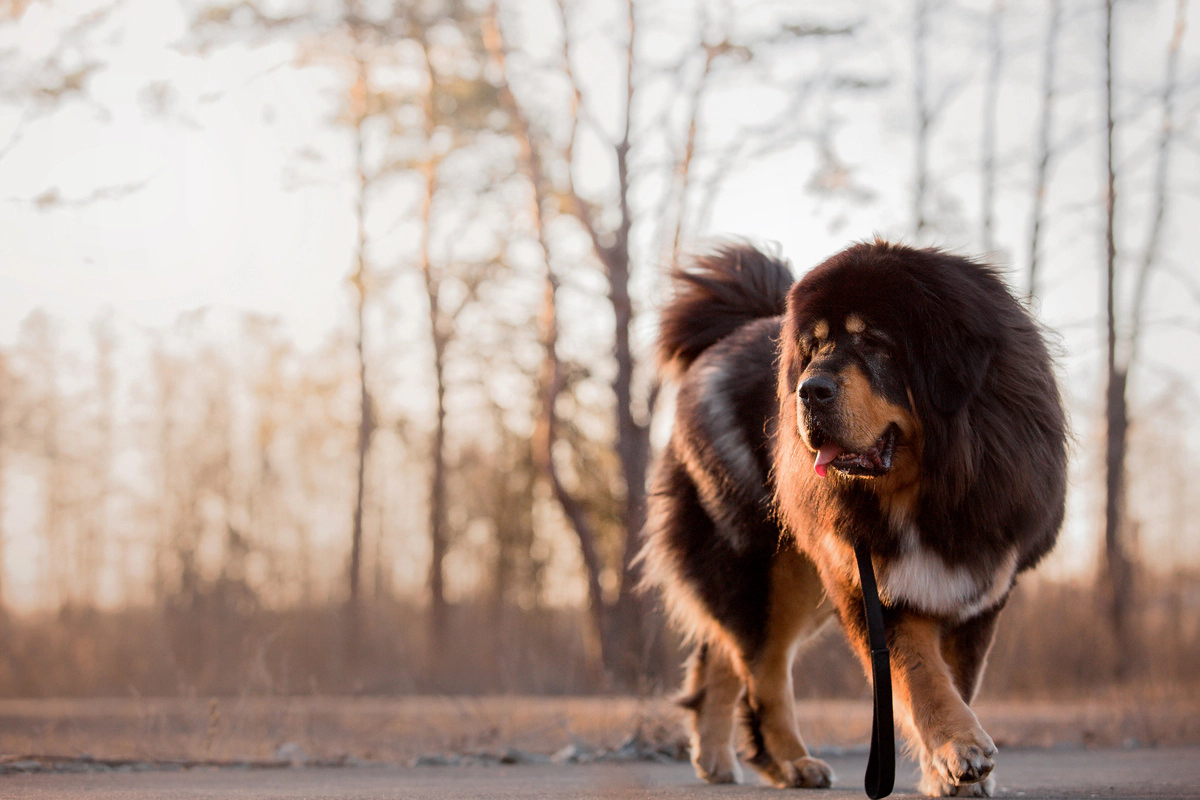
Training a Tibetan Mastiff is a process that requires attention and strategy, even for experienced owners. Training this breed goes beyond the classic "give command, obey" structure. Tibetan Mastiff dogs tend to make independent decisions and evaluate training through the "why should I do this?" filter.
To obey, they first need to feel trusted and accepted as a leader. Therefore, it is essential to adopt a consistent and patient approach, rather than being authoritarian, during the training process. Early socialization is very important; puppies should be introduced to different people, animals, and environments. Positive reinforcement methods yield the most effective results, while punishment-based approaches undermine trust and can increase stubbornness. Commands should be short, clear, and consistent; training should be done in short sessions, when their energy levels are low. Things to Know When Adopting a Tibetan Mastiff Adopting a dog means accepting a radical lifestyle change. The Tibetan Mastiff is a suitable breed for experienced dog owners. Its independent nature, strong protective instinct, and intensive grooming needs can be challenging for first-time dog owners. Things to consider before adopting can be summarized as follows:
Early socialization is crucial; puppies should be introduced to different people, animals, and environments. Positive reinforcement methods yield the most effective results, while punishment-based approaches undermine trust and can increase stubbornness. Commands should be short, clear, and consistent; training should be done in short sessions, when their energy levels are low.
Tibet Mastifi Sahiplenirken Bilinmesi Gerekenler
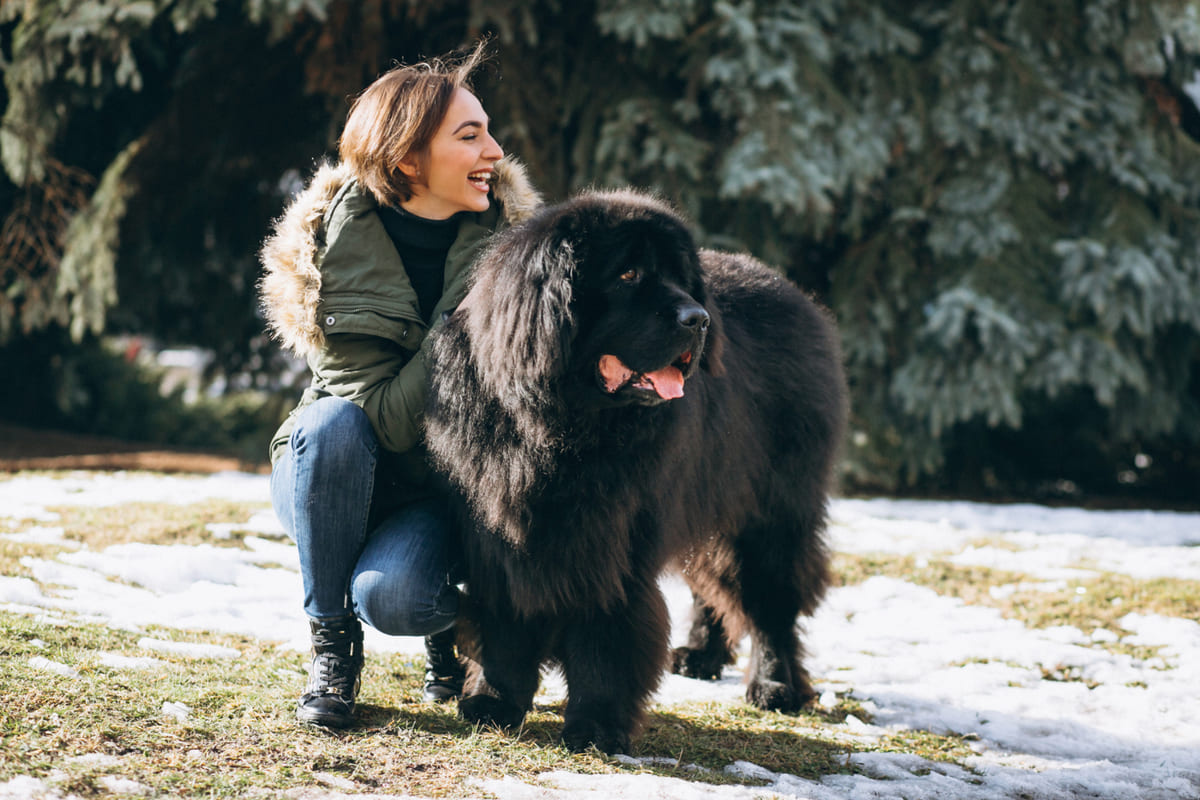
Adopting a dog means accepting a radical lifestyle change. The Tibetan Mastiff is a suitable breed for experienced dog owners. Its independent nature, strong protective instinct, and intensive grooming needs can be challenging for first-time dog owners. Things to consider before adopting can be summarized as follows:
- Apartment life is generally unsuitable for Tibetan Mastiffs. Houses with gardens or rural areas are ideal living spaces. They need to establish their own territory in spacious areas.
- They are not suitable for being left alone for long hours. Loneliness can lead to behavioral problems and undesirable consequences such as barking.
- Tibetan Mastiffs may be more alert and watchful at night. This can manifest as nighttime barking and territorial behavior.
- If early socialization is not done, they may have difficulty getting along with other pets. Especially with dogs of the same breed and similar size, a sense of competition may develop.
- They can get along well with a patient and attentive child. It should be remembered that they can unintentionally knock over small children.
- Thanks to their thick fur, they are quite comfortable in cold weather, but may struggle in warm climates. Cool environments should be provided, and in summer, exercises should be shifted to morning and evening hours.
- They enjoy living with a confident and decisive leader. When boundaries are not clearly defined, they try to take responsibility themselves, which can make management difficult.
Frequently Asked Questions About Tibetan Mastiffs
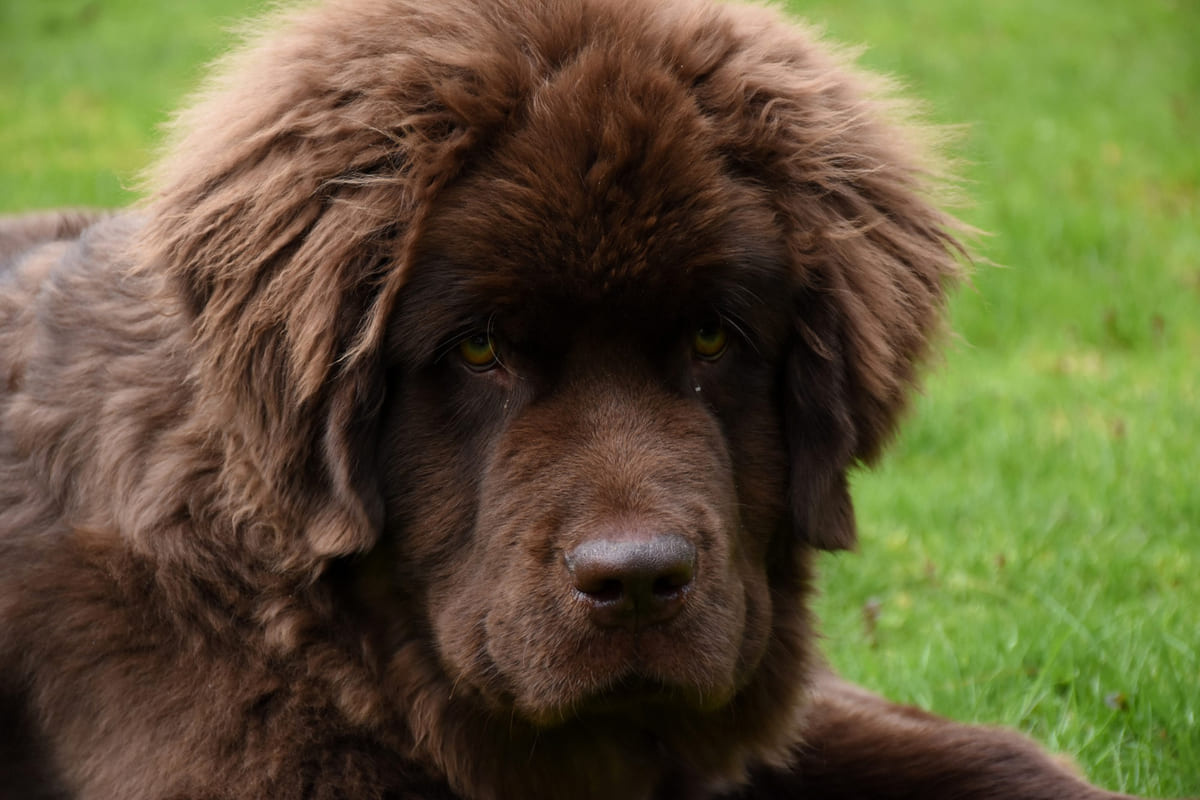
There are many questions about Tibetan Mastiffs. Because they attract attention with both their physical characteristics and character, potential owners seek many detailed information.
Is a Tibetan Mastiff a good family dog?
The Tibetan Mastiff develops an extraordinary devotion to its family and dedicates itself to protecting those it loves. Due to its strong protective instinct, it should not be left alone with children, and social interaction should be provided early and in a controlled manner.
Are Tibetan Mastiff dogs intelligent?
It has a highly analytical character regarding its surroundings. Because it prefers to evaluate before obeying, it responds to logical relationships rather than classic commands.
Can a Tibetan Mastiff dog live in an apartment?
The Tibetan Mastiff is a dog that naturally needs large, open spaces. The limited movement space in an apartment environment is incompatible with its mental and physical structure and can lead to behavioral problems.
Do Tibetan Mastiff dogs bark a lot?
They tend to bark loudly, especially at night, as an instinct to protect their territory. This behavior is inherent in their nature due to their historical role as night watchmen and should be controlled with proper training.
Do Tibetan Mastiff dogs get along well with children?
A properly socialized Tibetan Mastiff can be tolerant of children and even protect them. Due to their large size and sometimes aggressive reactions, their interactions with young children should always be supervised.
How long do Tibetan Mastiffs live?
As stated in the AKC source: The average lifespan of a Tibetan Mastiff is between 10 and 12 years, but this lifespan is directly related to environmental factors and the quality of care. Balanced nutrition, regular veterinary checkups, and an appropriate exercise routine play a decisive role in extending this lifespan.
Are Tibetan Mastiff dogs hypoallergenic?
No, this breed is not hypoallergenic; because its thick, double-layered coat can increase allergen production. Shedding, especially during seasonal changes, can trigger symptoms in individuals with allergies.
Do Tibetan Mastiffs shed a lot?
Tibetan Mastiffs shed moderately throughout the year, with shedding intensifying particularly in spring and fall. Regular brushing and the use of grooming products should not be neglected. Does a Tibetan Mastiff bite? A Tibetan Mastiff that is not well-socialized or is misdirected may tend to bite when it perceives a threat. Individuals raised in a balanced environment generally exhibit a calm and defensive attitude. Is a Tibetan Mastiff very expensive? Yes, owning a Tibetan Mastiff requires a significant cost. Feeding, grooming, and health checkups also require a budget in the long term. Large breed dog food, regular grooming, and veterinary visits are among these cost items. Can a Tibetan Mastiff be kept at home?
Do Tibetan Mastiffs bite?
A Tibetan Mastiff that is not well-socialized or is misdirected may tend to bite when it perceives a threat. Individuals raised in a balanced environment generally exhibit a calm and defensive attitude. Is the Tibetan Mastiff dog very expensive? (
)
Yes, owning a Tibetan Mastiff requires significant financial investment. Feeding, grooming, and health checkups also require a budget in the long term. Large breed dog food, regular grooming, and veterinary visits are among these cost items.
Can a Tibetan Mastiff be kept at home?
It can be kept indoors for a short period, but living in a closed environment for an extended period is against its nature. Therefore, keeping it in a house with a garden or in a place with access to open space is the best option.
Kaynak:
https://www.akc.org/dog-breeds/tibetan-mastiff
https://www.petmd.com/dog/breeds/tibetan-mastiff
https://www.dogbreedinfo.com/tibetanmastiff.htm#google_vignette
https://www.thekennelclub.org.uk/search/breeds-a-to-z/breeds/working/tibetan-mastiff/
https://www.purina.co.uk/find-a-pet/dog-breeds/tibetan-mastiff
https://www.chewy.com/education/dog-breeds/tibetan-mastiff
https://dogtime.com/dog-breeds/tibetan-mastiff
Advertisement
Advertisement
Keep exploring
Continue reading
Pet Lifestyle & Guides
Basset Hound Dog Characteristics, Care and Temperament
A short walk with a Basset Hound can unexpectedly become longer with breaks to examine scents.
Read guide →
Pet Lifestyle & Guides
Alaska Malamute Dog Characteristics, Care and Temperament
When it comes to dogs that can withstand cold weather, one of the first that comes to mind is the Alaska Malamute, a strong sled dog bred to pull…
Read guide →
Pet Lifestyle & Guides
Boston Terrier Dog Characteristics, Care and Temperament
The Boston Terrier is a compact and well-balanced breed classified as a small breed of dog. Its short, glossy coat, erect ears, large round eyes…
Read guide →
Pet Lifestyle & Guides
American Cocker Spaniel Dog Characteristics, Care and Temperament
The American Cocker Spaniel's gentle gaze, silky fur, and cheerful demeanor make it easy to quickly bond with this breed.
Read guide →