Tuxedo Cat Characteristics, Care and Temperament
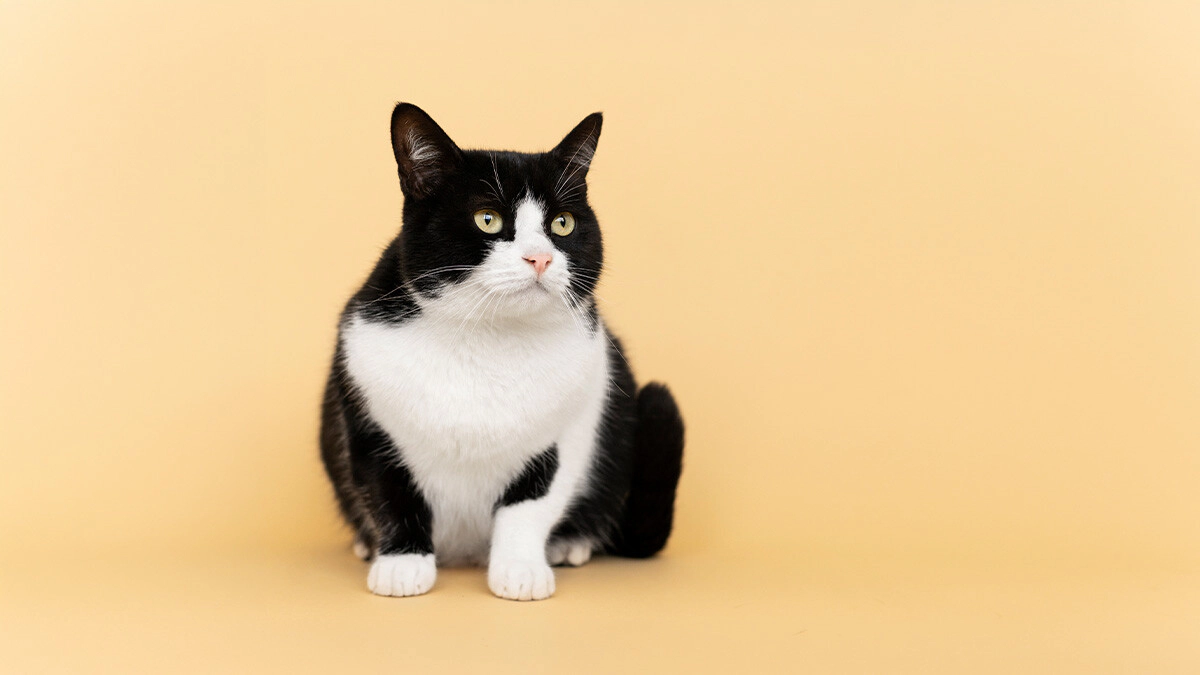
A black tailcoat, a white shirt, an elegant contrast on the paws… Tuxedo cats, as they are known, are famous for their two-colored coat pattern where black and white meet in a distinct, almost conscious balance.
Advertisement
A black tailcoat, a white shirt, an elegant contrast on the paws… Tuxedo cats, as they are known, are famous for their two-colored coat pattern where black and white meet in a distinct, almost conscious balance.
They can be found in short-haired cats as well as in a large-bodied Maine Coon. Therefore, the answer to the question "Is a tuxedo cat a breed?" is "no." Just like tabby and ginger cats are not separate breeds.
It is important to clarify this distinction from the beginning; because the allure of appearance can sometimes overshadow the real questions. Character, health tendencies, and care needs are shaped not by coat color, but by the cat's genetics, the environment in which it grew up, and the attention it receives.
In this article, you can find detailed information about Tuxedo cats, from their character traits and care requirements to their nutritional needs and what you should know before adopting a Tuxedo cat.
General Characteristics of Tuxedo Cats
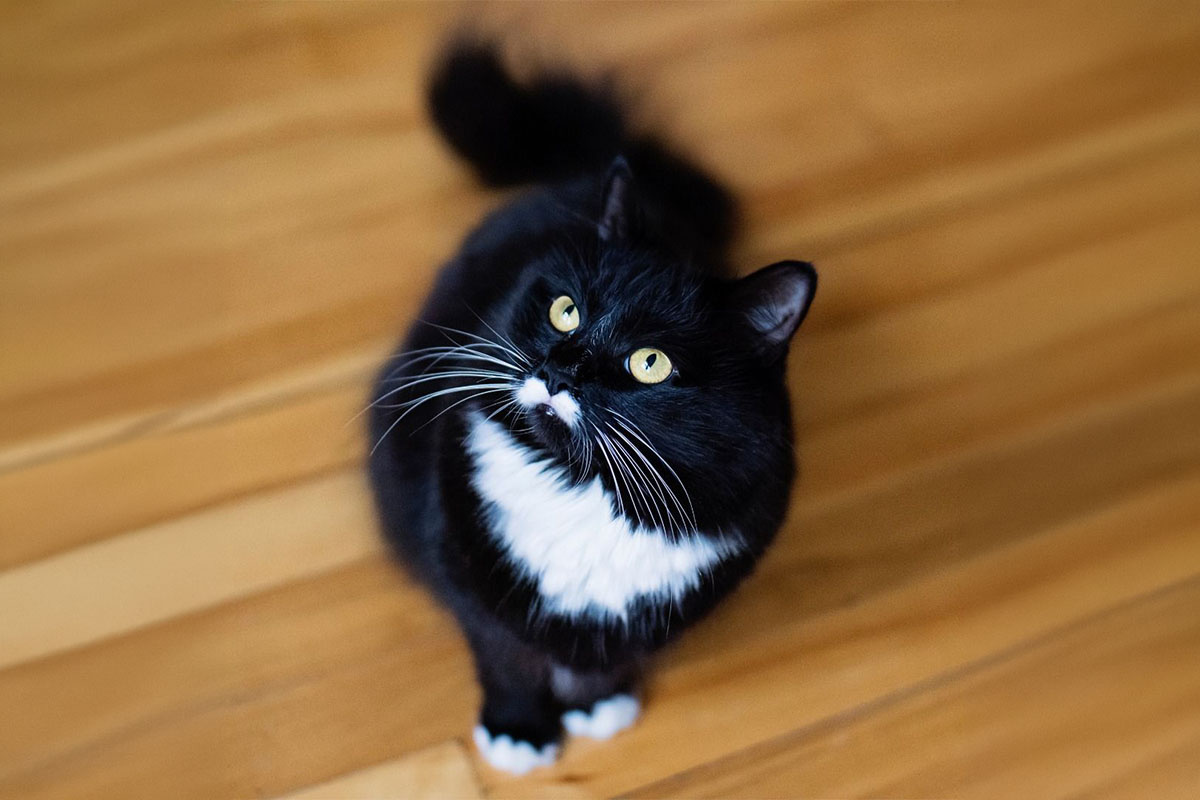
The most noticeable characteristic of a Tuxedo cat is the white areas on its face, chest, paws, and belly. These white areas, hidden among the dark fur, sometimes resemble a thin shirt collar, and sometimes create a small mask effect around the nose. Not all tuxedo patterns are the same; in some cats, the white areas are distinct and symmetrical, while in others they are more scattered, small, and have softer transitions.
The basic structure in this appearance is related to the color distribution called the white-spotted coat pattern. Black is the most common dark base color, but the tuxedo effect can also be perceived with dark gray, smoky gray, or other dark shades. Therefore, Tuxedo cat characteristics are evaluated not by a single body form, but by how the colors are placed on the cat. Size, bone structure, facial features, and coat length vary from cat to cat. A short-haired hybrid may have a slender and agile appearance; the same pattern may look more showy on a large, long-haired cat. This difference prevents the black and white cat appearance from being uniform. Tuxedo Cat Character and Temperament It can be extremely misleading to draw a single temperament profile for a tuxedo cat. Two cats with the same pattern may exhibit completely different behaviors indoors. One may respond quickly to human contact, while the other may establish a trusting relationship more slowly.
Size, bone structure, facial features, and coat length vary from cat to cat. In a short-haired hybrid, a slender and agile appearance may stand out; in a large, long-haired cat, the same pattern may appear more striking. This difference prevents the black and white cat appearance from being uniform.
Tuxedo Cat Character and Temperament
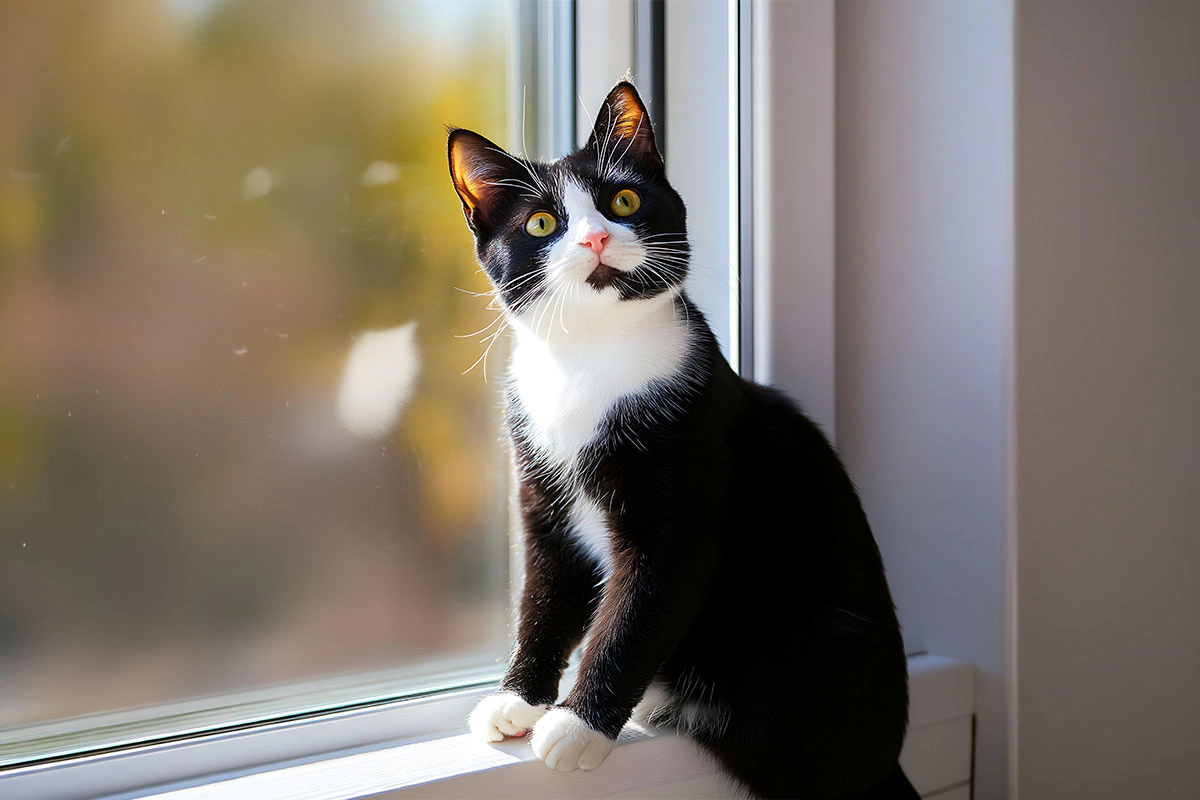
Drawing a single temperament profile for a tuxedo cat can be extremely misleading. Two cats with the same pattern may exhibit completely different behaviors indoors. One may respond quickly to human contact, while the other may establish a trusting relationship more slowly.
A cat's genetic makeup, kittenhood experiences, home environment, and contact with humans are considered more decisive factors in its behavior.
The prominent character traits of tuxedo cats can be listed as follows:
- Tuxedo cats can also exhibit curious behaviors. They may carefully follow sounds, movements, and new objects in the house.
- They may be open to bonding with humans. Some tuxedo cats like to stay close to their owner, be in the same room, and participate in the daily routine. In more reserved cats, the bonding process may take time.
- They may be fond of playing. Balls, fishing toys, and climbing areas provide good stimulation for many cats. The desire to play in tuxedo cats varies according to age, energy level, and habits.
- They may need their own space. Even seemingly social cats may want a quiet corner, a high resting area, or a safe spot to hide during the day.
- Meal times, litter box routines, crowds, and sudden noises in the house can make some cats restless. A regular and calm environment facilitates adaptation.
Is a Tuxedo Cat Suitable for Home Life?
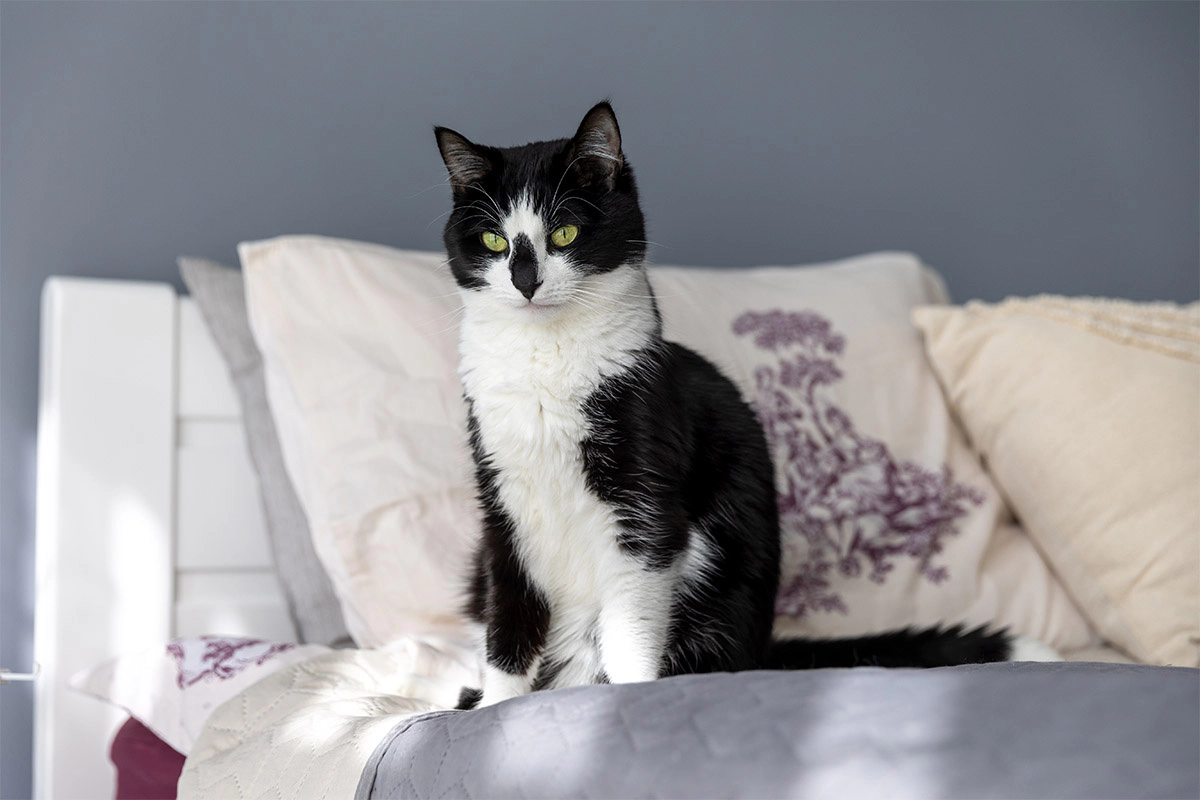
Tuxedo cats, like all cats, can adapt to home life. If they have a safe space, a play routine, and regular care, Tuxedos can live happily at home.
For these cats, a scratching post, a clean litter box, and quiet resting corners increase daily comfort. A high-energy cat may want more play, while a calmer cat can easily blend into the quiet rhythm of the house. For cats that will be left alone for long periods, mental stimulation should be considered as much as food, water, and litter boxes.
Now, let's talk about homes with children… The answer to the question "Do tuxedo cats get along with children?" often depends on how the child approaches the cat. Tail pulling, pinching, and sudden hugs can make the cat uneasy. Gentle contact, supervised play, and respect for the cat's right to move away establish a healthier relationship.
Living with other cats or dogs should also not be rushed. Scent exchange, separate areas, and brief encounters facilitate adaptation.
How to Care for a Tuxedo Cat?
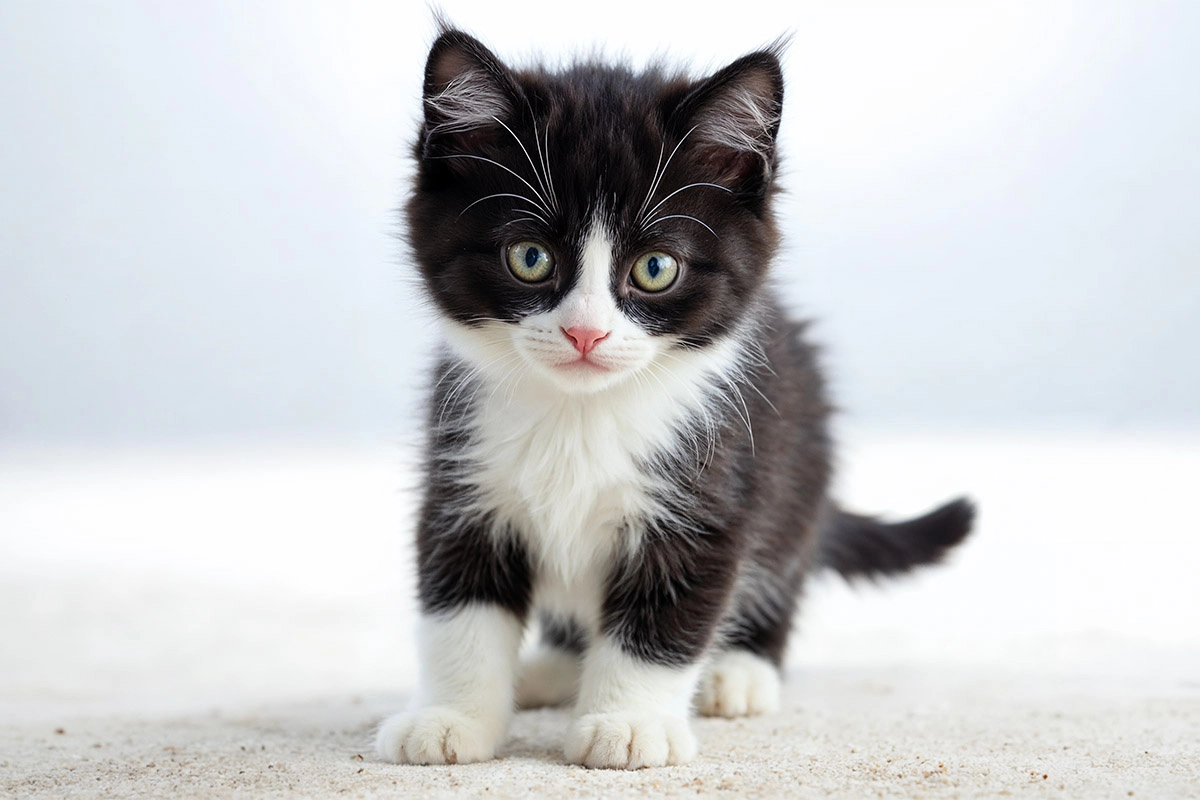
The care routine for tuxedo cats is shaped according to fur length, age, activity level, and home environment. A short-haired tuxedo cat may be more comfortable with a more practical care routine. Brushing should be scheduled more frequently for long-haired cats to check for knots and skin. The Spruce Pets source also states that grooming needs for tuxedo cats vary depending on the cat's coat type. Tuxedo Cat Grooming Like all cats, tuxedo cats shed periodically. Seasonal changes, diet, stress, skin health, and brushing schedule can affect the amount of shedding. Weekly brushing is often sufficient for short-haired cats. Long-haired cats may require more frequent brushing to prevent knot formation. Bad breath, tartar, and gum redness in cats can easily be overlooked in daily life. Therefore, the inside of the mouth should be checked regularly. Toothbrushing habits should be introduced gradually if possible. Cat-appropriate toothbrushes and toothpaste should be used, and human-specific products should be avoided. Chew toys and oral care products recommended by a veterinarian can support the routine.
The Spruce Pets source also states that the grooming needs of tuxedo-looking cats vary depending on the cat's coat type.
Tuxedo Cat Grooming
Like all cats, tuxedo cats shed periodically. Seasonal changes, diet, stress, skin health, and grooming routine can affect the amount of shedding. Weekly brushing is often sufficient for short-haired cats. Long-haired cats may require more frequent brushing to prevent knots.
Tuxedo Cat Oral and Dental Care
Bad breath, tartar, and gum redness in cats can easily be overlooked in daily life. Therefore, the mouth should be checked regularly. Tooth brushing habits should be gradually introduced if possible. Cat-appropriate toothbrushes and toothpaste should be used, and human-specific products should be avoided. Chew toys and oral care products recommended by a veterinarian can support the routine.
Tuxedo Cat Nail, Eye and Ear Care
When nails grow too long, they can get caught in litter, carpets, or furniture. This can cause discomfort to the cat and sometimes lead to nail and paw injuries. Nail checks should be done in a calm moment, avoiding cutting close to live tissue. Having a scratching post at home encourages the cat's natural scratching behavior. If there is difficulty during nail trimming, support should be sought from a veterinarian.
Discharge, redness, or constant squinting around the eyes should be monitored. Bad odor, dark-colored dirt, or scratching behavior in the ears should also be considered. If cleaning is to be done, harsh movements and deep entry into the ear canal should be avoided.
Litter Box and Daily Routine
A clean litter box is valuable for both the cat's comfort and health monitoring. Urine volume, stool consistency, and frequency of urination can be observed in the daily routine. It is more appropriate for the litter box to be in a quiet, easily accessible location separate from the food and water bowls. If there is more than one cat in the house, the number of litter boxes should be increased accordingly.
Tuxedo Cat Feeding and Health Trends
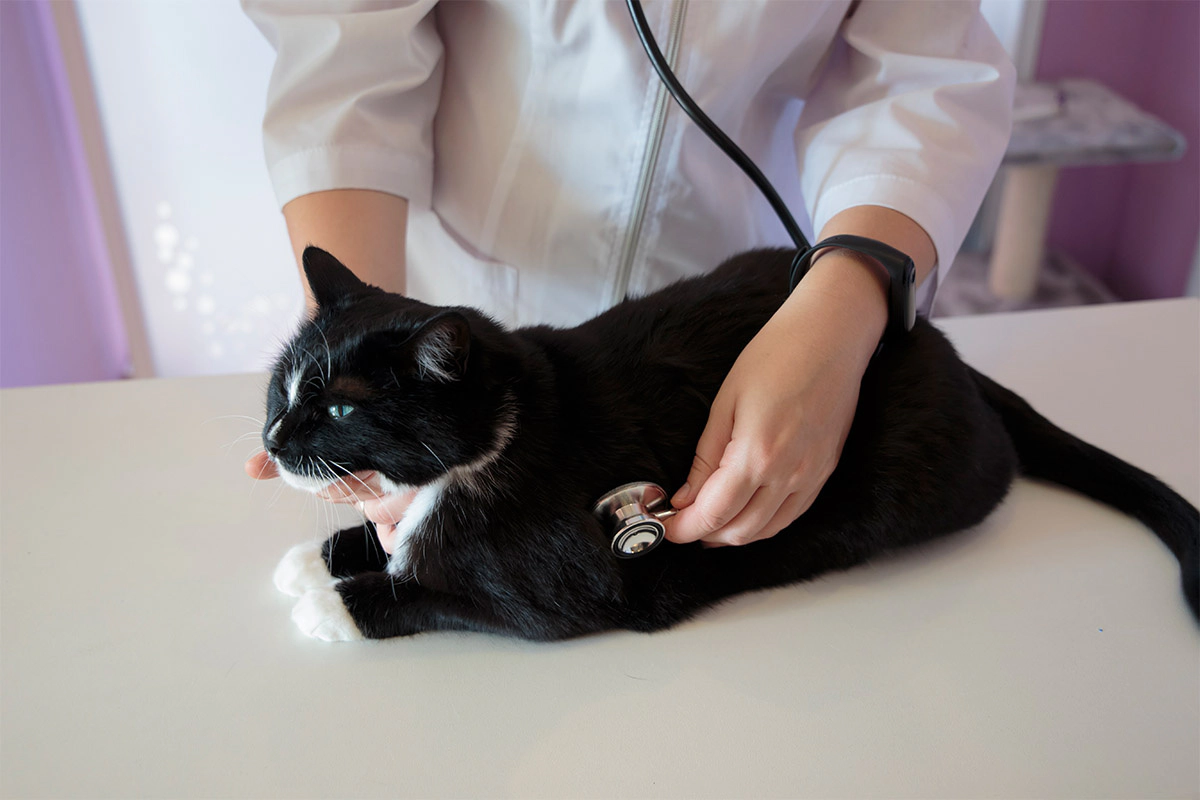
Feeding for tuxedo cats should be planned according to weight, neutering status, activity level, and general health profile. Therefore, the answer to the question "What does a tuxedo cat eat?" cannot be limited to a single type of food.
The energy needs of kittens, adult cats, and senior cats are different. Therefore, the choice of kitten food, adult cat food, and senior cat food should be made according to the cat's life stage.
Since neutered cats may experience increased appetite and decreased activity, neutered cat foods can be considered.
One of the most important aspects to monitor in nutrition is weight control. Uncontrolled portion sizes, frequent use of treats, and low activity can lead to weight gain over time. There are no specific health problems for tuxedo cats. However, like all cats, it is necessary to pay extra attention to certain issues for their health.
PetMD considers obesity in cats as a risk that can affect overall health. Weight gain can reduce the desire to move and put an additional burden on joints and metabolic health.
Health risk; Genetic history, breed structure, age, weight, care conditions, and living environment are all considered together. For complete and balanced nutrition, dry cat food, wet cat food, and, if necessary, special formulas recommended by a veterinarian can be planned together.
Caution: If changes in appetite, rapid weight loss, vomiting, diarrhea, excessive thirst, increased frequency of urination, or significant lethargy are noticed, a veterinarian should be consulted immediately.
Things to Know Before Adopting a Tuxedo Cat
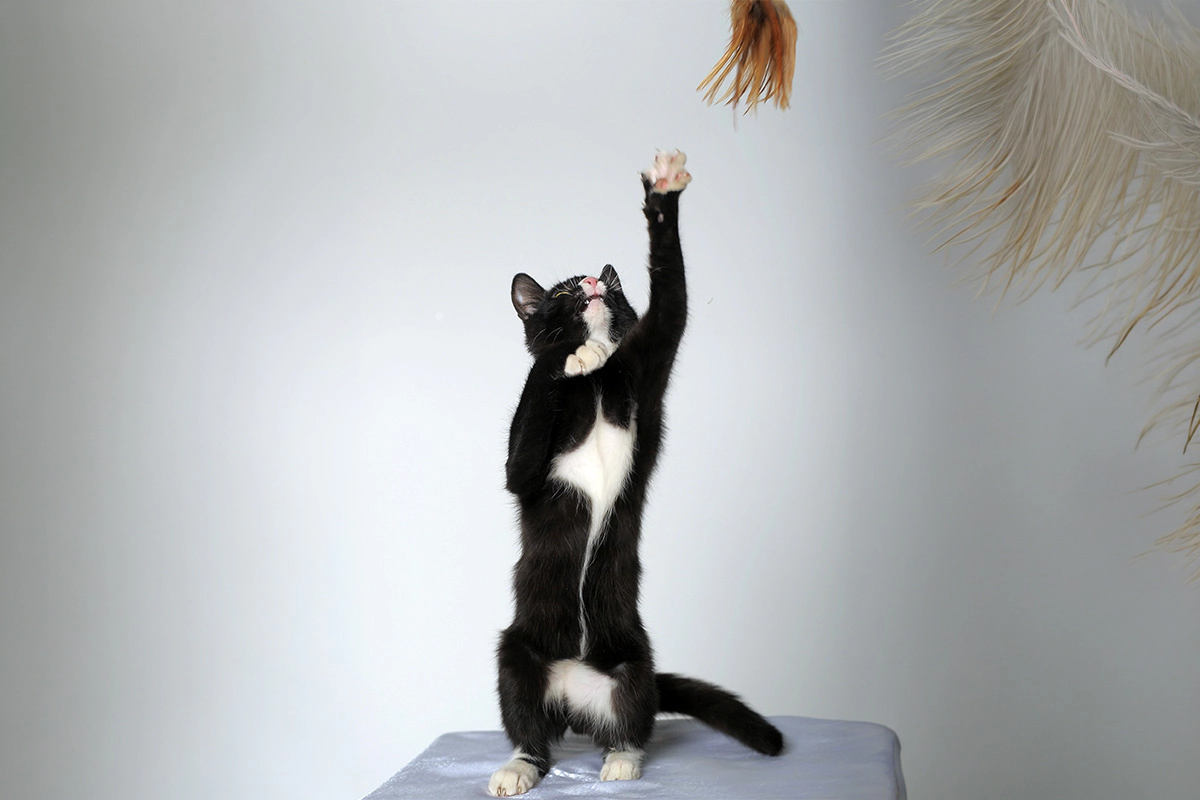
Things to know before adopting a tuxedo cat can be listed as follows:
- The tuxedo pattern is striking, but the decision to adopt should be made together with the cat's age, temperament, health status, and care needs.
- The home environment should support the cat's sense of security. Food and water bowls, litter box, scratching post, carrier, and quiet resting areas should be prepared in advance. The cat should be able to find a place to hide when it comes home.
- Food, litter, toys, scratching post, parasite treatments, vaccinations, and routine veterinary checkups are regular expenses. Adoption should not be considered a one-time decision.
- If possible, the health history should be obtained before adoption. Vaccination status, internal and external parasite treatments, past illnesses, neutering information, and any special dietary needs should be inquired about. If there is any uncertainty, the first checkup should be scheduled with a veterinarian.
- Long working hours, frequent travel, and irregular home routines can be challenging for some cats. In such a home setting, environmental enrichment, interactive play routines, and safe areas should be planned more carefully.
- The identification and registration process should be checked. Microchip, passport, and registration information should be checked during adoption.
Frequently Asked Questions About Tuxedo Cats

Do tuxedo cats shed?
Yes, tuxedo cats also shed. The amount of shedding varies depending on the length of the fur, the season, diet, stress, and skin health. Regular brushing helps reduce the accumulation of fur in the home for short-haired cats. In long-haired cats, tangling can develop more easily if brushing is neglected.
Smokin kediler oyuncu ve sosyal midir?
Some tuxedo cats can be playful and social. A cat's kittenhood experiences, home environment, and contact with humans shape its behavior. Playing with toys, climbing areas, and calm interaction can support social bonding.
What precautions can be taken during shedding periods of tuxedo cats?
Regular brushing, quality nutrition, and monitoring of skin health are necessary during shedding periods. The frequency of brushing can be increased according to the length of the fur. Frequent vacuuming of the house, choosing washable cat beds, and using lint rollers provide practical support. If there is excessive shedding, itching, or skin redness, a veterinary check-up should not be delayed.
Can a tuxedo cat be left alone at home?
Short periods of solitude are tolerable for most cats, but the duration and environment should be well-planned. Clean water, appropriate food, an accessible litter box, and safe toys should be readily available. Prolonged solitude can cause stress, excessive meowing, or changes in appetite in some cats.
Do Tuxedo cats get along well with children?
The cat's temperament and the child's approach are important. A more secure relationship can be established through gentle contact, short play sessions, and supervised interaction. The child should be taught not to squeeze the cat, disturb it while it sleeps, or pull its tail. The cat should be allowed to leave when it wants to.
How long do Tuxedo cats live?
The lifespan of tuxedo cats is related to their genetic makeup, care, nutrition, and health monitoring. Home safety, weight control, vaccination schedule, parasite treatments, and regular veterinary checkups support overall health. Blood tests, dental checkups, and weight monitoring should be more closely planned for older cats.
What should be considered for the healthy nutrition of tuxedo cats?
The feeding plan should be chosen according to age, weight, neutering status, and activity level. Kittens, adult cats, and senior cats do not have the same energy needs. Treats should be given in limited quantities, and portions should be measured rather than guessworked. Since sudden changes in food can lead to digestive problems, transitions should be made gradually.
Kaynaklar
https://www.thesprucepets.com/about-tuxedo-cats-554695
https://www.thesprucepets.com/facts-about-tuxedo-cats-554704
https://cats.com/tuxedo-cat
https://www.catster.com/cat-breeds/tuxedo-cat/
https://www.catster.com/cat-breeds/tuxedo-cats-arent-a-breed-so-what-are-they/
https://www.catster.com/lifestyle/tuxedo-cat-facts/
https://www.petmd.com/cat/conditions
https://www.webmd.com/pets/cats/default.htm
Advertisement
Advertisement
Keep exploring
Continue reading

Cat Care
Is My Cat Coughing or Trying to Pass a Hairball?
Seeing your cat crouch down, stretching its neck, and trying to expel something with a strange sound can be unsettling.
Read guide →
Cat Care
York Chocolate Cat Characteristics, Care and Temperament
With its dark brown fur, watchful eyes, and observant demeanor, the York Chocolate is a cat that sparks curiosity at first sight.
Read guide →
Cat Care
Tiffanie Cat Characteristics, Care and Temperament
Silky fur, on its neck With its frilly mane and large, curious eyes, the Tiffanie cat immediately catches the eye.
Read guide →
Cat Care
Snowshoe Cat Characteristics, Character and Care
The Snowshoe cat is a unique breed developed by the controlled mating of Siamese cats and American Shorthair cats.
Read guide →