Van Cat Characteristics, Care and Feeding
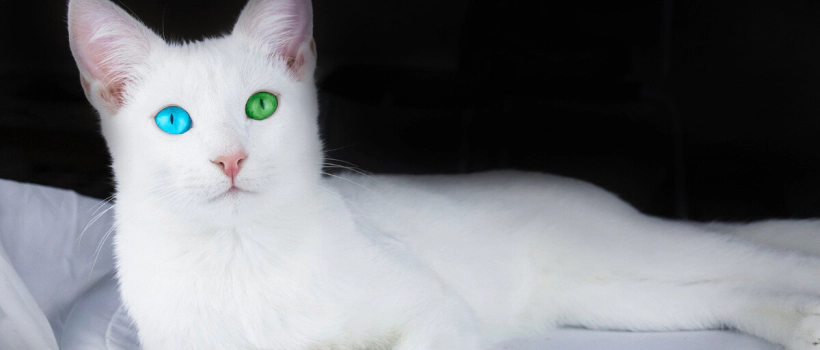
Van cats, with their blue, amber, or one blue and one amber eye, are among the most interesting cat breeds in the world. Reaching up to 76 centimeters in height and weighing up to 9 kilograms, the Van cat, a medium-to-large breed, has its own fan base thanks to its distinctive eye color, silky…
Advertisement
Van cats, with their blue, amber, or one blue and one amber eye, are among the most interesting cat breeds in the world. Reaching up to 76 centimeters in height and weighing up to 9 kilograms, the Van cat, a medium-to-large breed, has its own fan base thanks to its distinctive eye color, silky white fur, and very special character. Unlike many other cat breeds, Van cats are not afraid of water; on the contrary, they love to be in contact with it. With their high energy, sociability, and devotion to their families, they are among the most beloved members of the household.
These unique cats, with their curious nature and constant exploration, require regular care. Regular brushing of their silky fur, cleaning their ears, and trimming their nails once or twice a month are recommended. Their excellent relationships with other pets, people, and children are one of the main reasons for their frequent adoption. If you are planning to open your heart to a Van cat, loved for both its beauty and character, you can find special information for those who own or plan to own a Van cat in this article.
The History of Van Cats
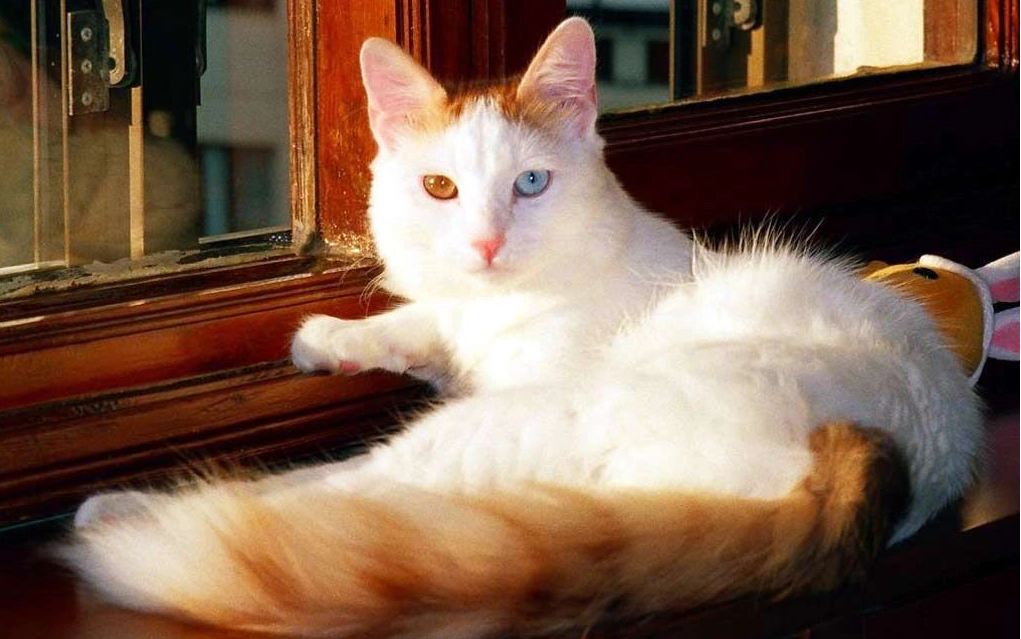
The Van cat, whose homeland is Turkey, has existed in our country for centuries. First bred in England in 1955, the Van cat was initially called the Turkish cat. Later, to prevent confusion with the Turkish Ankara cat, it began to be referred to as the Turkish Van cat. Recognized by the Cat Fancier Association and The International Cat Association, there is a great demand worldwide for adopting Van cat kittens. Efforts to protect the breed of Van cat, one of Turkey's national treasures, continue today. Physical Characteristics of Van Cats Van cats, which can be medium to large in size, are a late-maturing breed. It takes approximately 3-4 years to reach adulthood. Van cats, whose weight varies between 4.5 and 9 kilograms, can reach a height of 76 cm. Male Van cats are larger and more imposing than females. They have broad chests and muscular bodies. Although their bodies are muscular and strong, they are quite elegant and well-proportioned. Their legs are strong and straight. Their paws are round. Their tails are of medium length, and the fur on their tails can be long.
Physical Characteristics of Van Cats
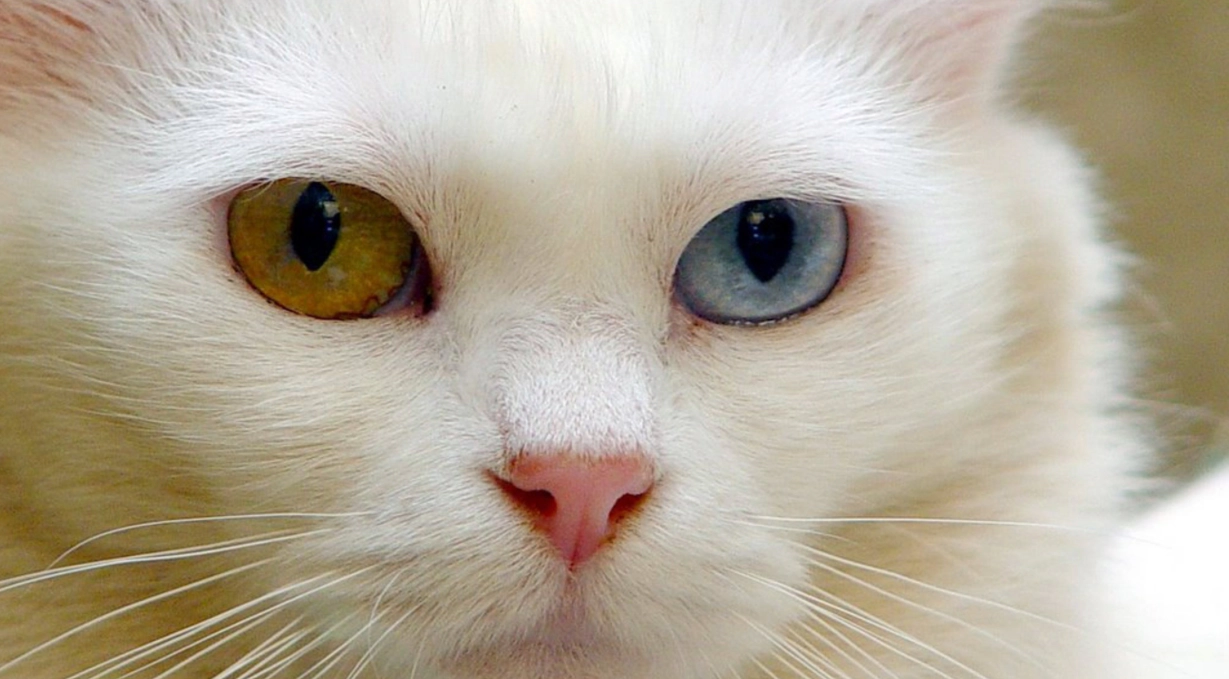
Van cats, which can be medium to large in size, are a late-maturing breed. Reaching adult size takes approximately 3-4 years. Weighing between 4.5 and 9 kilograms, Van cats can reach a height of 76 cm. Male Van cats are larger and more imposing than females. They have broad chests and muscular bodies. Although their bodies are muscular and strong, they are quite elegant and well-proportioned. Their legs are strong and straight. Their paws are rounded. Their tails are of medium length, and the fur on their tails can be long.
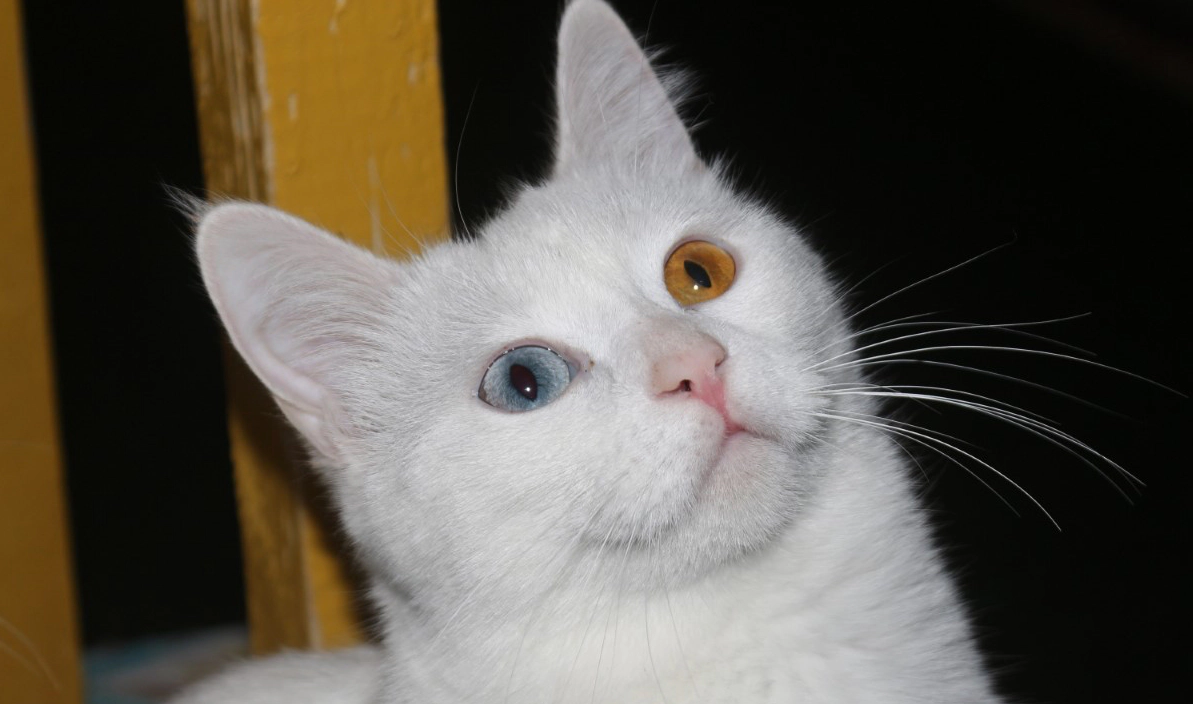
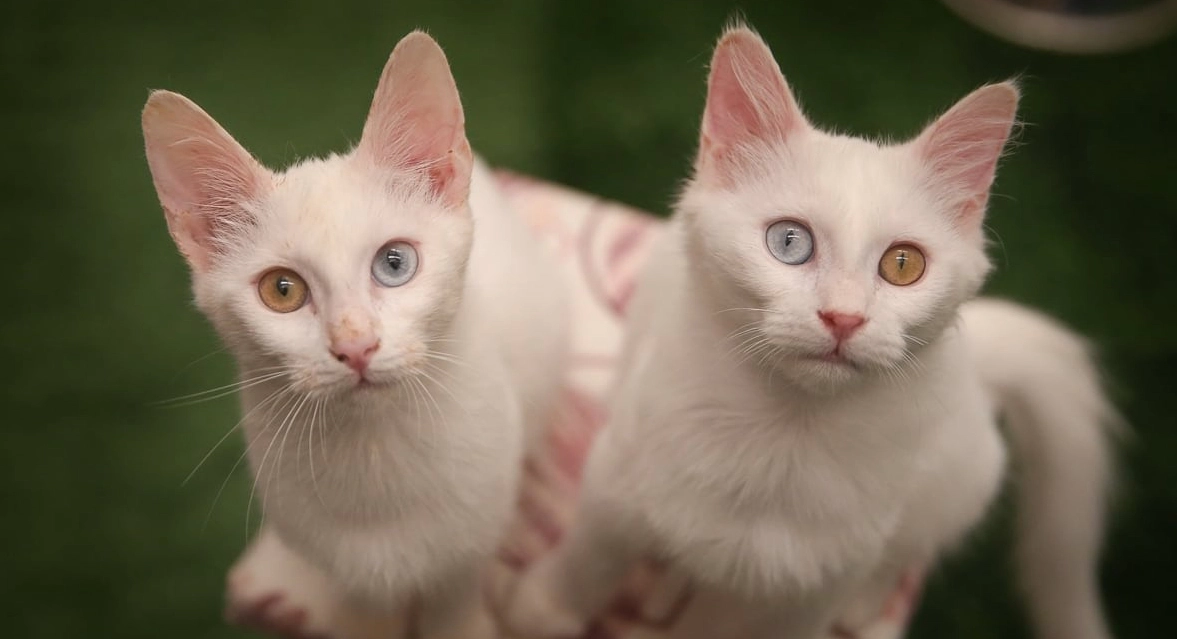
Van cats have broad heads, with males having a wider head area compared to females. Their ears are large, distinctly pink, and set far apart. Their eyes are large and almond-shaped. Both eyes can be blue or amber, or one eye can be blue and the other amber. Although their bodies are generally white, Van cats can have different colored ears and tails. The difference in ear and tail colors is considered a characteristic feature of the breed.
When Van cat kittens are born, their eyes are grayish. Their eye color begins to change when the kittens are 25 days old and reaches its final color after 40 days.
Character Traits of Van Cats
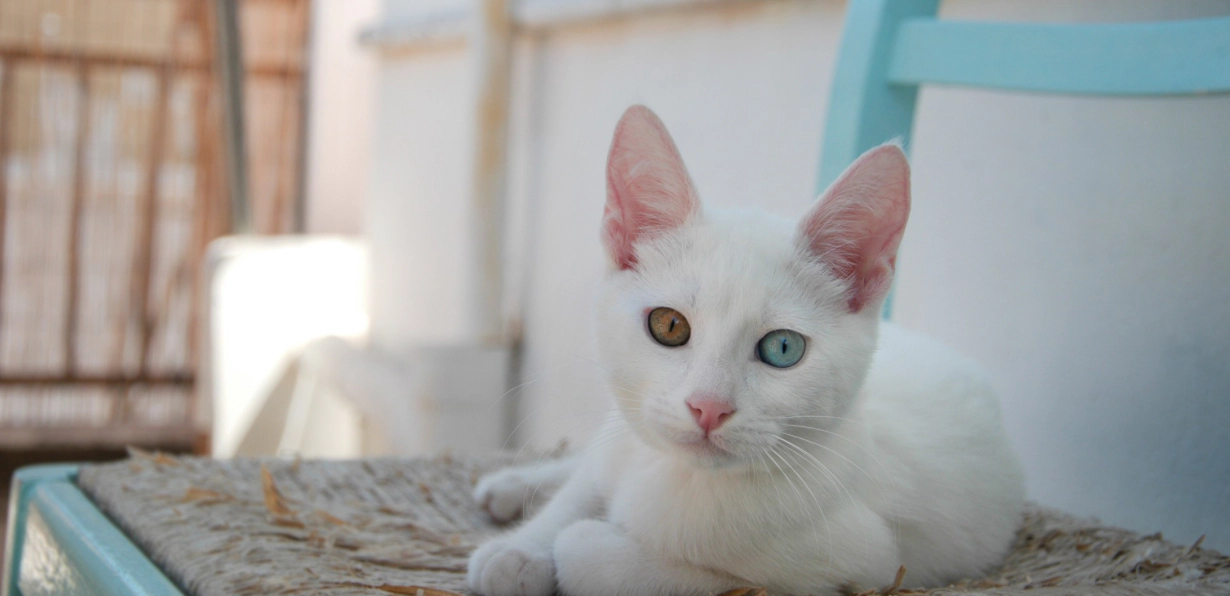
Although Van cats have distinctive physical characteristics, their personalities are also known to be extremely unique. Van cats have high energy levels and a strong desire to play. Van cats, who love entertainment, have a strong need for human attention. Enjoying contact with the people they love, cat toys are among the most basic necessities for Van cats. When bored, they can exhibit destructive behavior and become stressed. Therefore, they need to be stimulated both physically and psychologically. To choose from cat toys that will make Van cats happy, you can click here.
Van cats are known to be loving and loyal creatures. They love attention and do not like being left alone at home for long periods. Van cats left alone at home for extended periods may develop separation anxiety and exhibit destructive behaviors at home. Although they enjoy living with people, having their own space is important for their happiness. Forcibly picking them up or squeezing them is not recommended. They get along well with other pets and can even become good friends with dogs if properly introduced. If socialized early and correctly, they can easily meet and spend time with new people, children, and pets. Van cats have high exercise needs. As mentioned earlier, they need to be physically and mentally stimulated throughout the day. Since they are quite intelligent, playing new and fun games with them and planning training processes will be beneficial. They generally don't meow much and can easily adapt to apartment living. Unlike many other cat breeds, Van cats are known to adapt to new living spaces more quickly. The physical characteristics of Van cats are also related to their ability to develop specific behaviors. Since they love to jump to high places with their strong legs, having places to climb in the house will make them happy. Therefore, products that help them spend time at high places, such as cat houses, can be placed in homes.
Van cats have high exercise needs. As mentioned earlier, they need to be physically and mentally stimulated throughout the day. Because they are quite intelligent, playing new and fun games with them and planning training processes will be beneficial. They generally don't meow much and can easily adapt to apartment living. Unlike many other cat breeds, Van cats are known to adapt to new living spaces more quickly.
The physical characteristics of Van cats are also related to their ability to develop specific behaviors. Since they love to jump to high places with their strong legs, having places to climb in the house will make them happy. Therefore, products that help them spend time at high places, such as cat houses, can be placed in homes.
Van cats are known for their remarkable fondness for water. Since their natural habitat is Lake Van and its surroundings, it can be said that this breed is not afraid of water; on the contrary, they enjoy playing with it. Due to their fondness for water, it is recommended to keep them away from baths indoors. The structure of their fur prevents water from reaching the skin, and their fur acts as a lining.
Van Cat Care Needs
Van cats, with their affection, energy, and love of play, can be captivating. To ensure their happiness and health, their care routines must not be neglected. Regular brushing and combing are fundamental to the care of Van cats, which have silky fur. Daily brushing is important for maintaining the health of their fur and skin, as they have medium-length fur. Additionally, brushing sessions are necessary to remove dead hairs. Since shedding increases during seasonal changes, more frequent brushing should not be neglected.
As part of Van cat care, brushing their teeth is also necessary. Brushing their teeth at least once a week minimizes the risk of plaque and tartar buildup. Van cats' nails should also be trimmed regularly. Since they are fond of jumping and climbing, excessive nail growth can lead to nail injuries. One of the things to pay attention to in their care is cleaning their ears. Specially produced products can be used to safely clean the ears of cats.
Van Kedisi Beslenmesi
The nutrition of Van cats, like all other breeds, should be planned according to the cat's age, general health condition, whether or not they have been neutered, their activity level, and their taste preferences. Because they have high energy levels, the breed is generally not prone to weight gain. However, they may gain weight if they do not get enough exercise and are overfed. Free feeding can be considered a suitable alternative for them. With the approval of veterinarians, high-protein foods can be ideal choices for Van cats to support lean muscle mass and meet their energy needs. You can click here to choose from quality food alternatives suitable for your Van cat. Generally, Van cats are among the quite healthy breeds, but deafness is a risk for them. Especially in cats with completely white fur, considering the possibility of deafness is important for improving their quality of life. This statement applies not only to Van cats but to all white-furred cats.
Generally considered among the healthy breeds, deafness is a risk for Van cats. Especially in cats with completely white fur, considering the possibility of deafness is important for improving their quality of life. This statement applies not only to Van cats but to all white-furred cats. This article,
Advertisement
Advertisement
Keep exploring
Continue reading

Cat Nutrition
The Importance of Fiber in Cat Food: Its Role in Digestion, Hairballs, and Weight Control
Most people just glance at the "crude cellulose" line in the analysis table on the cat food packaging.
Read guide →
Cat Nutrition
The Importance of Wet Food Consumption in Cats During Summer
When temperatures rise, cats, just like us, may have difficulty maintaining their fluid balance.
Read guide →
Cat Nutrition
Mineral Balance in Dry Cat Foods: The Role of Calcium and Phosphorus
The suitability of cat food for a cat in the long term is not determined solely by protein, fat, or calories.
Read guide →
Cat Nutrition
Essential Cat Food Ingredient Terms for Cat Owners
If you are a cat parent with at least one cat eagerly awaiting your return and nourished by your love in addition to the food you provide, this…
Read guide →