What Do Birds Eat, What Do They Feed On?
The feeding habits of birds vary significantly depending on their species and the environment in which they live. Proper feeding habits are crucial for pet birds to live long, healthy, and happy lives.

Advertisement
The feeding habits of birds vary significantly depending on their species and the environment in which they live. Proper feeding habits are crucial for pet birds to live long, healthy, and happy lives. In this article, we will discuss the feeding habits of birds, healthy food options for them, and key points that bird owners should pay attention to regarding nutrition in detail.

Differences in Feeding According to Bird Species
Birds are divided into carnivores, herbivores, or omnivores in terms of their feeding habits. Carnivorous birds generally feed on small insects or small mammals. Herbivorous birds feed on leaves, grasses, and especially seeds, while omnivorous birds consume both plant and animal foods. These different feeding habits make it necessary to create feeding plans suitable for the needs of each bird species. Ensuring that birds consume foods close to their natural diet is one of the best ways to keep them healthy both physically and mentally.
Feeding Pet Birds
Feeds used in the nutrition of pet birds are divided into various categories, including pellets, seed mixes, and fresh foods. Pellets provide a balanced supply of vitamins and minerals that birds need and are recommended by most veterinarians. They ensure balanced nutrition by preventing birds from being picky eaters and only eating what they find tasty. Seed mixes offer variety that birds may enjoy, but if not careful, their high fat content can lead to obesity. Fresh vegetables and fruits are an important part of the diet to strengthen the birds' immune system and provide a variety of nutrients.
The nutritional requirements of each bird species are different, and meeting these requirements correctly is critical for their healthy lives. In this section, we will discuss specific feeding recommendations for common pet bird species such as parrots, canaries, and budgies. We will provide information on suitable feed types for each bird species, nutrients that will support their healthy development, and the foods these birds prefer.
The Ideal Feeds for Parrots
Parrots are one of the bird species that need the most dietary variety. Pellets should be the primary food source for parrots and should make up 60-70% of their diet. Vegetables (e.g., broccoli, carrots) and small amounts of fruit (e.g., apples, strawberries) should be added to their diet. Seeds should be given in limited quantities as a treat. Parrots are prone to high-fat foods, and therefore high-fat seeds should be avoided.
The Most Ideal Feeds for Canaries
Although canaries are generally fed a seed-based diet, vegetables and fruits containing various vitamins and minerals should be added to this diet. Egg food supports the healthy development of chicks during breeding periods. You can see egg-added or honey-based canary food varieties by clicking here. Calcium sources such as cuttlefish bone are very beneficial for the bone development and eggshell strength of canaries.
The Most Ideal Feeds for Budgerigars
Budgerigars feed on various seeds in their natural environment. At home, pellets, seed mixes, and vegetables and fruits should be provided. While highly nutritious seeds like niger seeds are a favorite among budgies, they shouldn't be given too frequently. Cuttlefish bone is recommended for adequate calcium intake. You can find detailed information in our article "What is a Beak Stone, What is it Used For?". Budgies also enjoy eating vegetables like broccoli and carrots.
Feeding Wild Birds in Their Natural Habitat
Wild birds use resources in their environment to meet their nutritional needs in their natural habitats. These resources include insects, seeds, fruits, and in some cases, small animals. Insectivorous birds meet their protein and energy needs by preferring insects and larvae. Seed-eating birds feed on fresh seeds and grains, which are abundant, especially in spring and summer. Fruit-eating birds meet their energy and sugar needs during the periods when fruits ripen in nature.

Bird Nutritional Needs According to Seasons
Birds' nutritional needs vary according to the seasons. In winter, birds require more energy due to lower temperatures, and therefore high-calorie foods such as oilseeds may be preferred. In summer, lighter, water-rich vegetables and fruits help birds stay healthy. You can find detailed information in our article on Foods That Budgies Can Consume. Seasonally changing the food offered to birds helps them adapt to their natural cycles.
Digestive System and Feed Selection in Birds
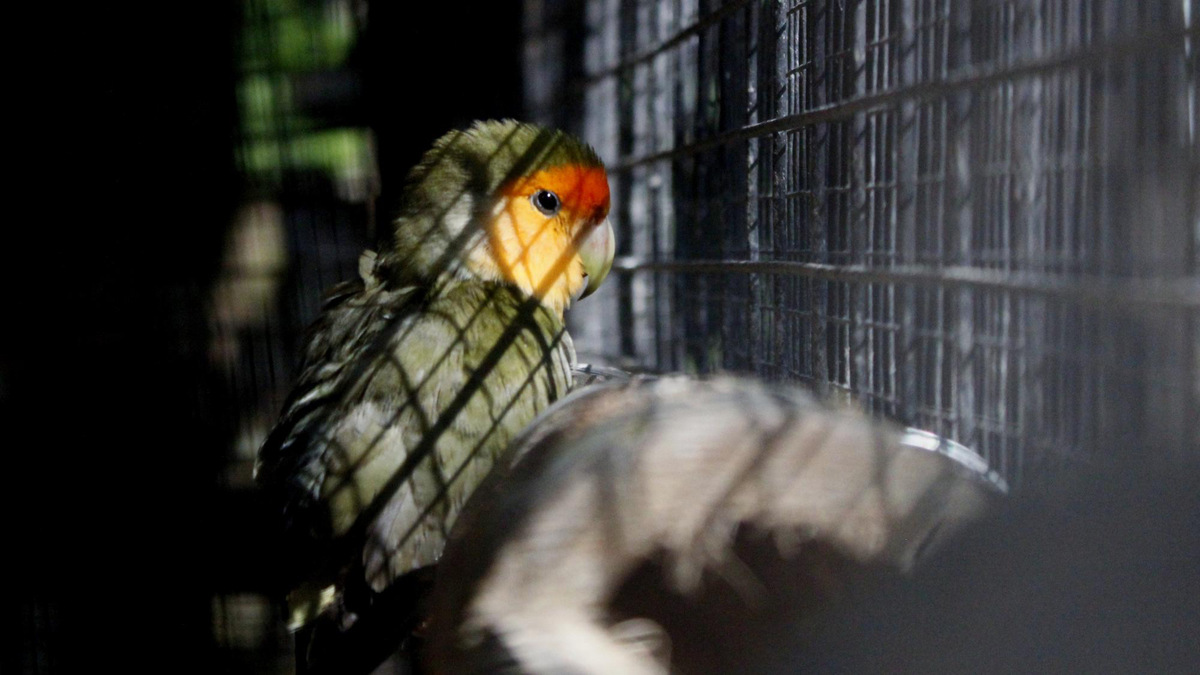
Birds' digestive systems are well-developed to handle the digestion of various foods. Their beaks successfully perform functions such as tearing apart food and cracking shells. Since the gizzard, an organ in birds, plays a crucial role in grinding food, some bird species may require the provision of grit (small stones). It is very important for bird owners to choose foods suitable for their birds' digestive systems, such as fibrous vegetables or easily digestible pellets, to ensure their health.
Types of Food Birds Can Consume
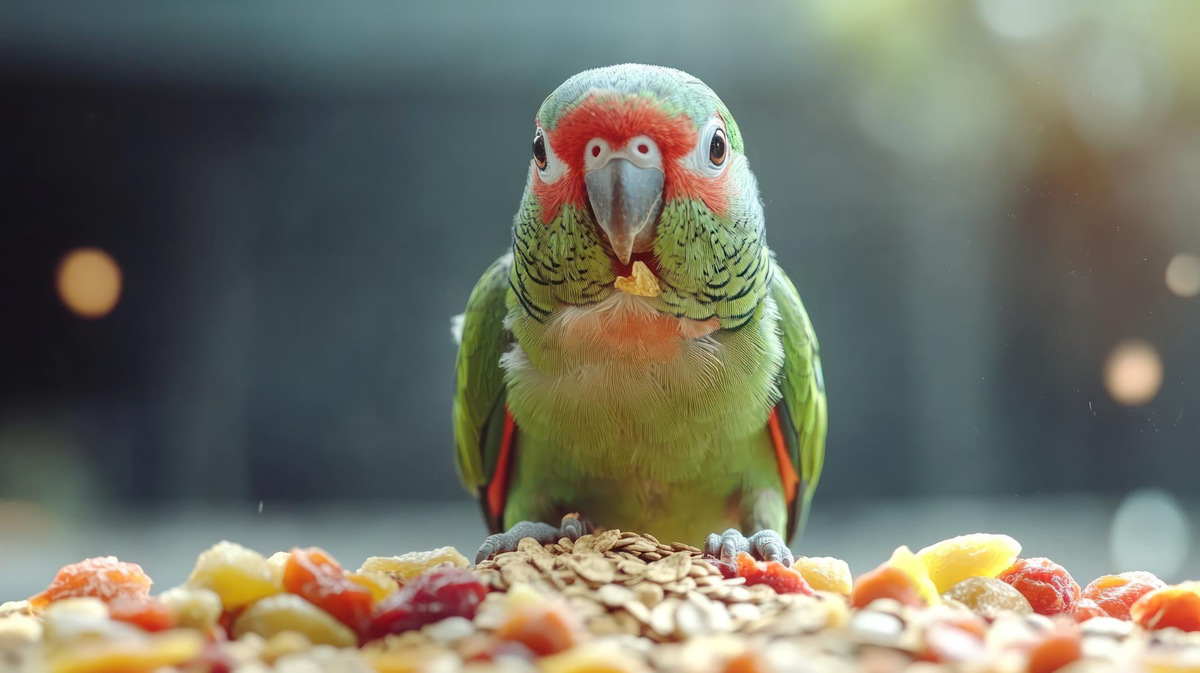
For birds to live a healthy life, it is important that they have a balanced and nutritious diet. Birds can consume various sources such as ready-made feeds, healthy fruits and vegetables, nutrient-rich seeds, animal products, and insects.
Ready-Made Feeds
Feeds produced for pet birds offer a balanced diet containing all the necessary nutrients and are therefore one of the most commonly used types of feed. It is also important to include natural foods in the birds' diet. Natural seeds, fresh vegetables and fruits support the health of birds by providing a natural diet.
Meyve
Among the fruits that birds can consume healthily are options such as apples, pears, blackberries, strawberries and mangoes. Fruits provide birds with the necessary vitamins and antioxidants, but excessive consumption should be avoided. Avocados should absolutely not be given to birds as they are toxic. When giving fruit to birds, it is important to remove the seeds, wash the fruit well and peel the skin if it has a thick skin.
Vegetables
Broccoli, spinach, carrots, sweet potatoes, and leafy green vegetables are among the most suitable vegetables for birds. These vegetables contain important vitamins and minerals that support the birds' immune system. Onions and garlic should absolutely not be given as they can be toxic. Bird owners can largely avoid potential health risks by thoroughly washing vegetables and offering them in small pieces.
Tohumlar
Sunflower seeds, hemp seeds, and flax seeds play an important role as energy sources in the birds' diet. These seeds provide birds with healthy fatty acids and protein, but should be given in moderation due to their high fat content. Some specialized seeds, such as niger seeds, are also used in the diet of certain bird species and support their feather health.
Animal Foods
Protein sources are particularly important for carnivorous or omnivorous birds. Eggs are an ideal protein source for many birds and can also be used as a supplement during breeding periods.
Insects
Wild birds generally meet their protein and energy needs by consuming insects and other small invertebrates. Crickets, mealworms, and caterpillars are common insect species consumed by wild birds. These foods provide birds with high protein while also helping them maintain their natural feeding behaviors.
Things to Consider in Bird Feeding
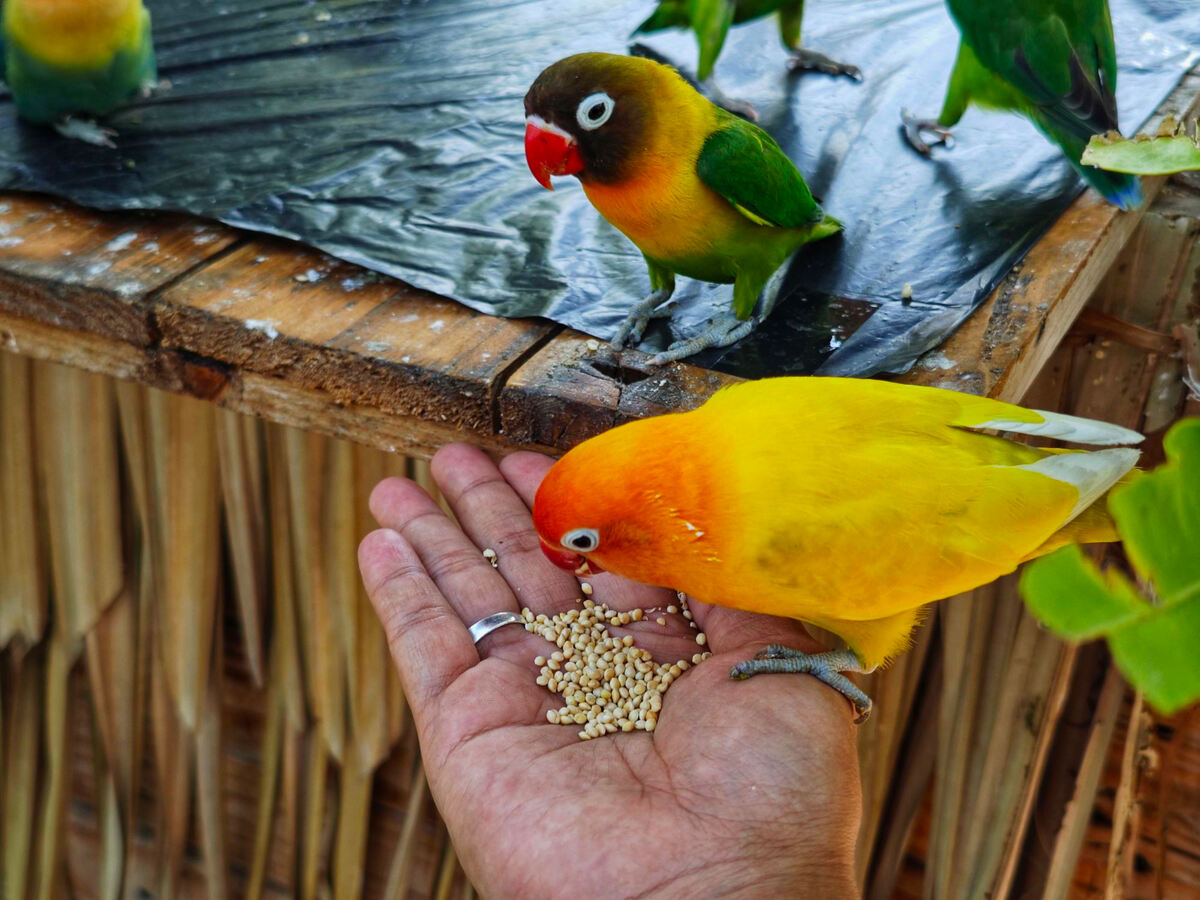
Choosing the right feeds and snacks is the most important step in bird feeding. In addition, many factors such as feed consumption and meeting water needs must be considered. In this section of our article, we will discuss how to ensure a balanced diet, the daily feed amount for birds, water consumption and humidity needs, and the necessity of vitamin and mineral supplements.
How to Ensure Balanced Nutrition for Birds?
Balanced nutrition for birds is possible by ensuring a balance of protein, carbohydrates, fats, vitamins, and minerals in their diets. A balanced diet can be achieved with fresh vegetables and fruits supplemented with formulated pellets. A balanced diet increases the resistance of birds to diseases and keeps their feathers shiny and healthy.
What Should the Daily Feed Amount Be for Birds?
The daily feed amount varies depending on the bird species, and each bird's metabolism, activity level, age, and health status affect this amount. Small birds generally need smaller, but more frequent feedings. Overfeeding can lead to obesity, while underfeeding can cause nutritional deficiencies. Bird owners should observe their birds' physical condition and ensure they are feeding the correct amount. While it's generally recommended to keep fresh food in the cage throughout the day, it's important to control the quantity. Tips for Providing Water to Birds Water is as important as food for birds. It plays a critical role in regulating body temperature, facilitating digestion, and maintaining overall health. Clean, fresh water should be provided daily, and the water bowl should be cleaned regularly. Microbes accumulating in the water bowl can negatively affect the birds' health. Especially in hot weather, the need for water may increase even more, so the water should be checked regularly. Some bird owners prefer to use boiled or filtered water to remove chlorine.
Tips for Watering Birds
Water is as important as food for birds. Water plays a critical role in regulating body temperature, facilitating digestion, and maintaining overall health. Clean, fresh water should be provided daily, and the water bowl should be cleaned regularly. Microbes accumulating in the water bowl can negatively affect the health of birds. Especially in hot weather, the need for water may increase even more, so the water should be checked regularly. Some bird owners prefer to use boiled or filtered water to remove chlorine.
When Are Vitamin and Mineral Supplements Necessary?
Vitamin and mineral supplements play a major role in keeping birds healthy. However, excessive use of supplements can also lead to health problems. Vitamin and mineral supplements can be given when birds are sick, during breeding periods, or when they have a special nutritional need, with the advice of a veterinarian. For example, calcium supplementation may be necessary during breeding to support eggshell formation. In general, if birds are fed a balanced and varied diet, giving extra vitamin and mineral supplements may not be the right choice.

Frequently Asked Questions About Bird Feeding
Many questions about bird feeding can be confusing, especially for first-time bird owners. In this section, you will find answers to frequently asked questions such as whether birds consume raw vegetables and fruits, which foods they should avoid, and how to manage their weight.
What do birds like most?
Birds generally like fresh seeds, vegetables, and fruits. Most birds prefer foods such as sunflower seeds, apple slices, and carrots. Also, insects and larvae are favorites of some species.
What do birds eat?
Birds feed on seeds, insects, fruits, vegetables, and sometimes small animals, depending on their species. Proper feeding depends on the bird's species and nutritional needs.
What do pet birds eat?
Pet birds generally eat commercial pellets, seed mixes, fresh vegetables, and fruits. In addition to their diet, cuttlefish bone, which contains minerals and calcium, can also be given.
What do street birds eat?
Street birds generally feed on seeds, insects, bread crumbs, and pieces of fruit. Depending on the season, different species consume insects, fruits, or plant-based foods.
What foods should be avoided by birds?
Foods that can be toxic to birds include chocolate, avocado, alcohol, caffeine, onions, and garlic. Salty, sugary, and fatty foods are also harmful to birds and can cause health problems.
How to control the weight of birds?
Weight control in birds is achieved through a balanced diet and sufficient physical activity. Obesity can result from excessive seed consumption and inactivity. Birds should have enough space to exercise daily. Their diet should also be varied, and excessive amounts of oily seeds should be avoided.
Kaynaklar:
https://www.petmd.com/bird/feeding-birds-in-your-backyard
https://www.petmd.com/bird/feeding-birds
https://vcahospitals.com/know-your-pet/fruits-and-vegetables-in-bird-diets
https://vcahospitals.com/know-your-pet/pigeons-and-doves-feeding
https://kb.rspca.org.au/knowledge-base/what-should-i-feed-my-birds/
https://veterinarypartner.vin.com/default.aspx?pid=19239&catId=102910&id=10891591
https://birdatlas.co.nz/classification-of-birds-by-diet/
https://aasj.journals.ekb.eg/article_125720_0608d228c9b2b3b745b21bc4f3edf93d.pdf
https://veterinarypartner.vin.com/default.aspx?pid=19239&catId=102910&id=4952972
https://www.thesprucepets.com/parrot-nutrition-1236730
https://psittacine.org/wp-content/uploads/Diet-Nutrition.pdf
https://vcahospitals.com/know-your-pet/canaries-feeding
https://www.garvo.nl/en/blogs/feed-canaries-good-feed-for-type-canaries/
https://www.northernparrots.com/blog/canary-feeding-guide/
https://chooks.co.nz/pages/budgie-food-feeding-tips
https://www.northernparrots.com/blog/budgie-feeding-guide/
https://vcahospitals.com/know-your-pet/budgies-feeding
https://ukbudgerigar.club/wp-content/uploads/2021/07/How-to-Guide-Lets-talk-feeding.pdf
Advertisement
Advertisement
Keep exploring
Continue reading
Bird Care
Comprehensive Guide to Amazon Parrot Care, Feeding and Training
Caring for an Amazon Parrot isn't as simple as putting food in the cage, keeping an eye on the water, and getting through the day.
Read guide →
Bird Care
Things to Consider When Choosing Bird Food
As stated in PetMD, a significant portion of errors in bird nutrition stem from not selecting feed according to the species and needs.
Read guide →
Bird Care
Canary Characteristics, Care and Feeding
If you want a cheerful, loving, and lively energy in your home, canaries can start a wonderful change in your life.
Read guide →
Bird Care
Common Misconceptions About Bird Care: Debunking Myths with Scientific Facts
We can only understand how sensitive and special pet birds are when we own them. The chirping of a budgie or the affectionate gaze of a parrot gives…
Read guide →