What is a Beak Stone, and What is it Used For?
For bird owners, the health and happiness of their birds are among the most important issues. Meeting the basic needs of birds is essential for them to live a healthy, happy, and active life.
Advertisement
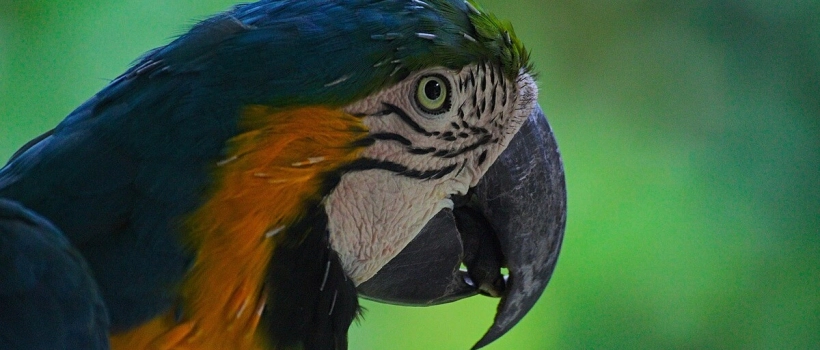
For bird owners, the health and happiness of their birds are among the most important issues. Meeting the basic needs of birds is essential for them to live a healthy, happy, and active life. Although their care is easier compared to pets like cats and dogs, it should not be forgotten that birds also have specific needs. One of these needs is having a beak stone in their cage.
Beak stones are a special product that helps birds naturally wear down their beaks. These bird cage accessories, which can be made from different materials, can also vary in color and aroma. In this article, we've compiled information about beak stones, which have a significant effect on maintaining the ideal size of birds' beaks, including the most frequently asked questions such as "What is a beak stone and why is it important?".

Why Do Birds' Beaks Grow?
Birds' beaks, just like human hair and nails, constantly grow. This is because beaks are covered with a protein called keratin. As keratin wears down, new cells emerge, causing the beaks to regrow.
This natural process allows birds to constantly use their beaks when foraging for food, building nests, or defending themselves. However, pet birds, because they don't live in their natural environment, may not be able to engage in activities that would allow for regular wear and tear on their beaks. Especially birds living in cages continue to grow their beaks because they don't find enough natural elements to maintain them at the ideal length through wear and tear. There are also different reasons for beak elongation in birds. Trauma to the beak, health problems such as liver diseases, and genetic factors can lead to excessive beak growth in birds. Excessive beak growth in birds can make it difficult to meet basic needs such as eating, grooming, and drinking water. The underlying causes are usually chronic liver disease, deformation resulting from trauma, insufficient chewing opportunities, or improper nutrition. In cases of excessive beak growth, treatment of the underlying disease and regular beak trimming may be necessary. Nutrition and environmental enrichment are also important for maintaining beak health. This is where beak stones for birds come into play.
Birds, especially those living in cages, continue to grow their beaks because they don't find enough natural elements to maintain them at the ideal length by wearing them down. There are also different reasons for beak elongation in birds. Trauma to the beak, health problems such as liver diseases, and genetic factors can lead to excessive beak elongation in birds.
Excessive beak elongation in birds; Beak overgrowth can make basic needs like eating, grooming, and drinking water difficult. The underlying causes are often chronic liver disease, deformation due to trauma, insufficient chewing opportunities, or improper nutrition.
In cases of excessive beak overgrowth, treatment of the underlying disease and regular beak trimming may be necessary. Nutrition and environmental enrichment are also important for maintaining a healthy beak. This is where beak stones for birds come in.
What is a Beak Stone?
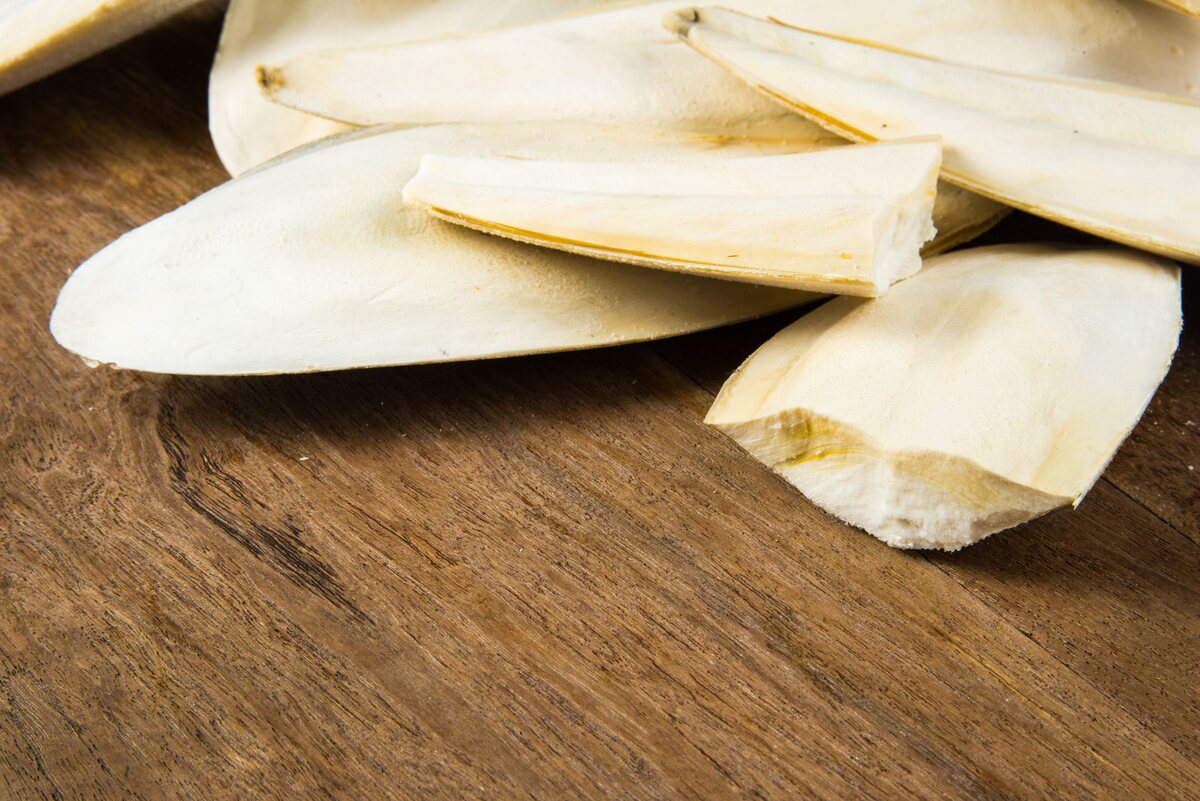
A beak stone is a product that helps birds naturally file down their beaks. One of the most commonly used types is cuttlefish bone. Cuttlefish bone is actually the inner shell of a cuttlefish and naturally helps birds meet their calcium needs. Birds keep their beaks well-maintained and healthy by filing them down with these stones.
Cuttle bone is usually white, light, and has a chalk-like structure. It is fixed in a suitable place in the cage so that the birds can easily access it. These stones provide birds with a fun activity in addition to filing down their beaks.

What is a Beak Stone Used For, What is its Purpose?
Beak stones offer numerous benefits not only for beak maintenance but also for the overall health of birds. These stones are designed to meet the natural needs of birds and play a vital role in enabling them to lead healthy lives.
Beak Maintenance: By abrading the beaks, beak stones prevent excessive growth and maintain the healthy structure of the beak. Regular beak abrasion allows birds to eat more effectively during feeding, which directly impacts their overall health.
Calcium Source: Cuttlefish bone, in particular, meets the calcium needs of birds. Calcium is essential for bone health and other metabolic processes. Insufficient calcium intake can lead to bone problems and other health issues. Therefore, increasing calcium intake through beak stones is critical for the long-term health of birds.
Mental Stimulation: Beak stones can be effective in providing mental stimulation and reducing stress for birds by offering a type of play or activity. Providing different toys and activities to prevent birds from getting bored and allowing them to exhibit their natural behaviors increases their overall happiness. Beak stones encourage birds to explore and play, supporting their natural instincts.
The correct and regular use of beak stones contributes to birds living a healthy and happy life. With the right selection and use, beak stones can help bird owners meet the needs of their beloved pets while significantly improving their quality of life.

How to Choose the Right Beak Stone?
Choosing the most suitable beak stone for birds is considered an important step in best meeting their needs and ensuring they live a healthy life. The right beak stone; It keeps birds' beaks healthy, prevents beak wear, and offers them an experience closer to their natural habitat. Some important factors to consider when choosing a beak stone can be listed as follows: Material: Cuttlefish bone is a natural and calcium-rich option, helping birds obtain the necessary minerals. However, other options such as rock salt stones or mineral stones are also available. These stones are quite effective in providing the various minerals your birds need.
Material: Cuttlefish bone is a natural and calcium-rich option, helping birds obtain the necessary minerals. However, other options such as rock salt stones or mineral stones are also available. These stones are quite effective in providing the various minerals your birds need.
Size: Make sure you choose a stone that is appropriate for your bird's size and breed. A huge stone may not be effective for a small bird; in such cases, it may cause damage to the bird's beak structure. Similarly, a small stone may not be sufficient for a large bird and may jeopardize the health of their beak. Size selection is critical for the bird to be able to use it comfortably.
Stone Quality: Choosing a quality and durable stone ensures both long-lasting use and keeps your bird safe. Low-quality stones may crumble over time or develop sharp edges that could harm your bird.
Types of Beak Stones
Beak stones come in various types, each offering its own unique benefits. Here are the most common types of beak stones:
- Cutfish Bone: One of the most preferred options. It is effective both in shaping beaks and in meeting the calcium needs of birds.
- Mineral Blocks: Blocks enriched with calcium and other minerals help birds meet their mineral needs.
- Volcanic Stones: Natural volcanic stones are ideal for birds to smooth their beaks.
- Salt Blocks: These blocks are used to meet the salt needs of birds, but caution should be exercised in their use.

What are Beak Stones Made Of? Beak stones are generally made from materials sourced from natural sources. Cuttlefish bone, one of the best-known types, is a natural source of calcium and helps birds wear down their beaks. They can also be made from materials such as mineral stones, seashells, and rock salt stones. Some beak stones may also contain flavorings or added minerals to attract birds and provide additional nutrients. It's important to note that beak stones should not be made from materials like plaster. How to Use a Beak Stone? When placing a beak stone in the cage, it's important to choose a location easily accessible to your bird. It's usually a good idea to mount it near one of the perches your bird frequently sits on. A clip or wire is usually provided to secure the beak stone to the cage. Make sure you securely mount the stone inside the cage using this clip; The beak stone needs to be securely fixed and placed so that it won't fall on your bird.
Beak stones are generally made from materials sourced from natural sources. Cuttlefish bone, one of the best-known types, is a natural source of calcium and helps birds wear down their beaks. In addition, they can also be made from materials such as mineral stones, seashells, and rock salt stones. Some beak stones may also contain flavorings or added minerals to attract birds and provide supplemental nutrients. It is important to note that beak stones should not be made from materials such as plaster.

How to Use a Beak Stone?
When placing a beak stone in the cage, it's important to choose a location easily accessible to your bird. It's usually a good idea to mount it near one of the perches your bird frequently sits on. A clip or wire is usually included to secure the beak stone to the cage. Make sure you securely mount the stone inside the cage using this clip; it needs to be firmly fixed and positioned so it won't fall on your bird.
It's also important to observe whether your bird regularly uses the beak stone. Birds often use this stone to file their beaks or to gnaw on it. Over time, the stone wears down and shrinks; in this case, it needs to be replaced with a new one. You should also regularly check if the stone is dirty or wet, and clean or replace it as needed. If your bird isn't using the beak stone, you can try moving it. Birds may not show interest in the beak stone at first, but they may get used to it over time.
Advertisement
Advertisement
Keep exploring
Continue reading
Pet Lifestyle & Guides
Basset Hound Dog Characteristics, Care and Temperament
A short walk with a Basset Hound can unexpectedly become longer with breaks to examine scents.
Read guide →
Pet Lifestyle & Guides
Alaska Malamute Dog Characteristics, Care and Temperament
When it comes to dogs that can withstand cold weather, one of the first that comes to mind is the Alaska Malamute, a strong sled dog bred to pull…
Read guide →
Pet Lifestyle & Guides
Boston Terrier Dog Characteristics, Care and Temperament
The Boston Terrier is a compact and well-balanced breed classified as a small breed of dog. Its short, glossy coat, erect ears, large round eyes…
Read guide →
Pet Lifestyle & Guides
American Cocker Spaniel Dog Characteristics, Care and Temperament
The American Cocker Spaniel's gentle gaze, silky fur, and cheerful demeanor make it easy to quickly bond with this breed.
Read guide →