What is a General Examination in Cats? What Should Be Considered During a Health Examination?
Routine health checks in cats are quite similar to the check-up procedure in humans. Routine health checks are of great importance in terms of knowing and maintaining the general health status of the cat. These checks become even more important, especially in cats that have passed a certain age.

Advertisement
Routine health checks in cats are quite similar to the check-up procedure in humans. Routine health checks are of great importance in terms of knowing and maintaining the general health status of the cat. These checks become even more important, especially in cats that have passed a certain age. Many diseases affecting cats are easier to treat when diagnosed early, and routine checkups are necessary for early detection.
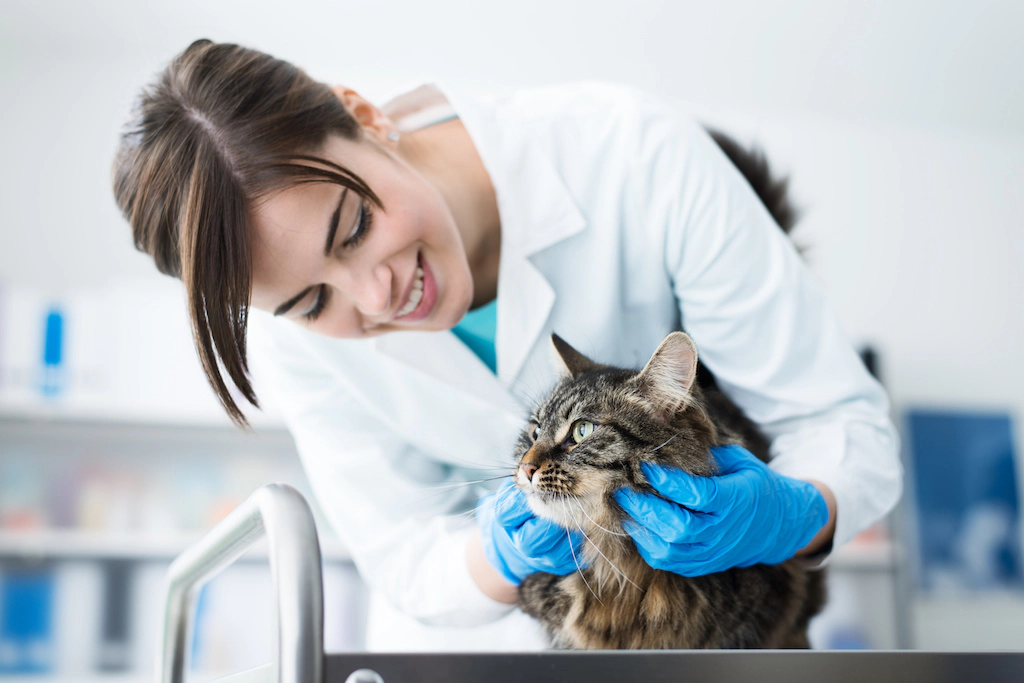
How Often Should a General Health Checkup Be Done?
There is no standard interval for regular checkups of cats. This period varies depending on the cat's general health or age. For kittens, a general checkup once a month is recommended to monitor their development. For adult cats, this period is once a year. For middle-aged or elderly cats, a general health checkup every six months is recommended. One of the facts to consider regarding the frequency of general checkups is that pets age faster than humans.
There is a very popular misconception that a calendar year is equal to 7 years for cats. However, this is not true. In fact, in one calendar year, cats age between 4 and 16 years in human years. The main reason for this is that cats transition from kittenhood to adulthood very quickly. A year after birth, cats reach young adulthood. From this perspective, cats can be considered 15-16 years old in human terms on their first birthday. In the second year, aging slows down. A cat's second birthday corresponds to approximately 24-25 human years. After that, aging becomes more stable. Cats age approximately 4 human years per year after their second birthday. For more detailed information about calculating a cat's age, you can read our blog post titled "How to Calculate the Age of Cats and Dogs? Age Calculation Chart". Cats that have reached 6 years of age are considered middle-aged. Cats aged 11-14 are considered advanced-aged, and cats that have reached 15 years of age are considered senior. Therefore, the frequency of regular check-ups for cats varies depending on their age. Veterinarians determine a schedule based on the cat's general health, daily habits, and age.
Cats that have reached 6 years of age are considered middle-aged. Cats aged 11-14 are considered senior, and those over 15 are considered elderly. Therefore, the frequency of regular check-ups varies depending on the cat's age. Veterinarians determine a schedule based on the cat's general health, daily habits, and age.

How is a General Health Examination Performed?
During a basic health check in cats, the veterinarian first gathers information about the cat's diet, activity, water intake, breathing, behavior, habits, and general health. Then, a physical examination is performed. Based on the cat's health history and the findings of the physical examination, necessary actions can be determined. Preventive treatments such as vaccinations or parasite control, dietary changes, skin and coat care, joint health, weight management, and dental health, if necessary, are determined by the veterinarian. If necessary, during the general health examination, the veterinarian provides recommendations on changes to the cat's daily lifestyle and habits.
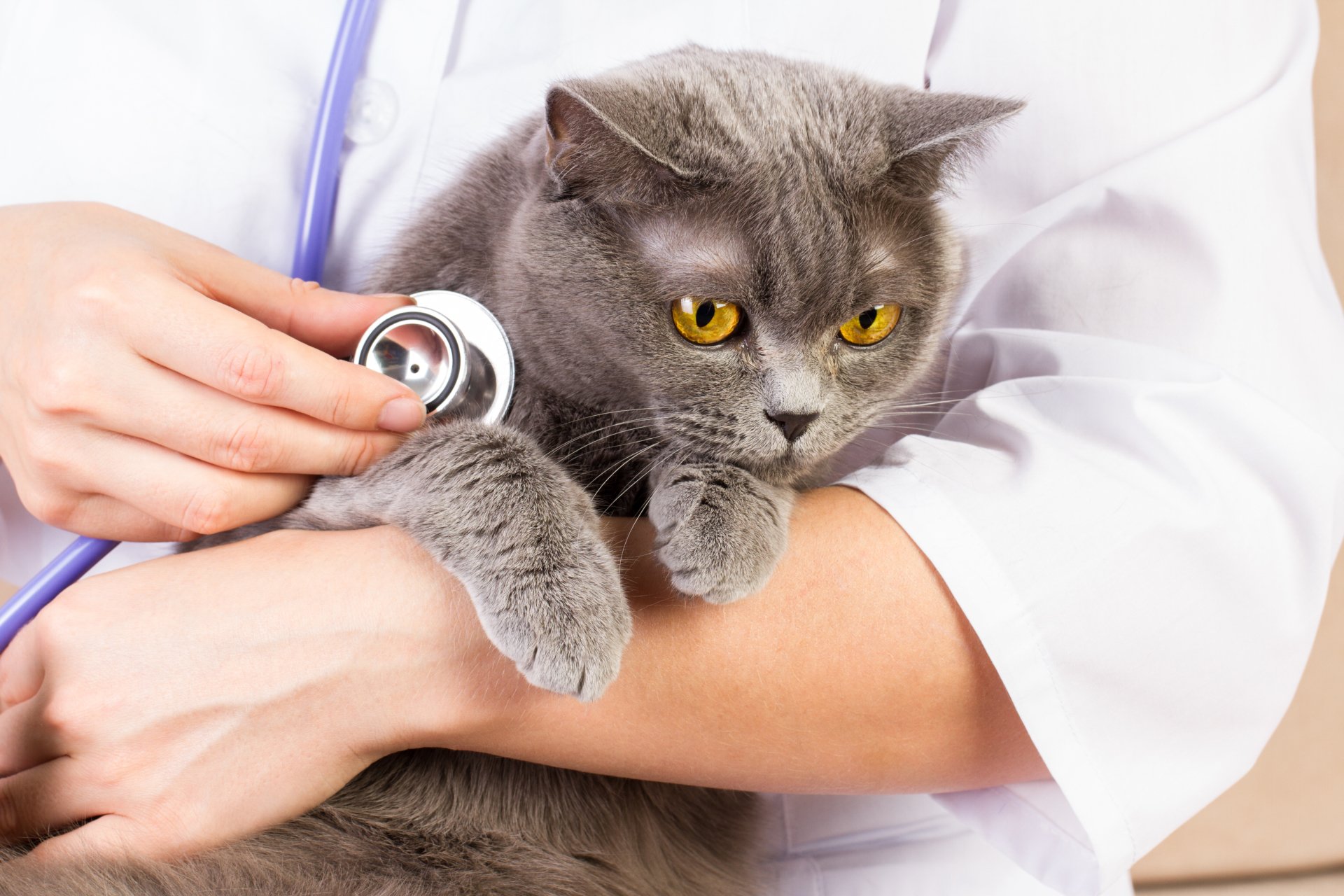
What is Checked During a General Health Examination?
During regular veterinary checkups, the cat's general appearance is assessed, the chest area is listened to with a stethoscope, and a general body examination is performed manually. Veterinarians observe the cat's level of interest in its surroundings and check its overall physical condition. Muscle structure is also among the things checked during the manual examination.
The cat's fur is checked for dryness, excessive oiliness, dandruff, excessive shedding, or abnormal shedding. Similarly, the skin is checked for dryness, oiliness, and dandruff, and lumps are examined. The eyes are checked for redness, discharge, excessive tearing, ulceration, and lumps. The eyelids are also checked for full closure, and any cloudy appearance is examined.
The general examination is not limited to these. Ear discharge, hardening, thickening, or hair loss are also among the things checked. In addition, the face, nose and surrounding area, and oral and dental health are among the areas examined during regular check-ups.
Veterinarians usually check the heart rhythm and heart murmur with a stethoscope during regular check-ups. They also listen to the cat's breathing to understand if there is a problem in the lungs.
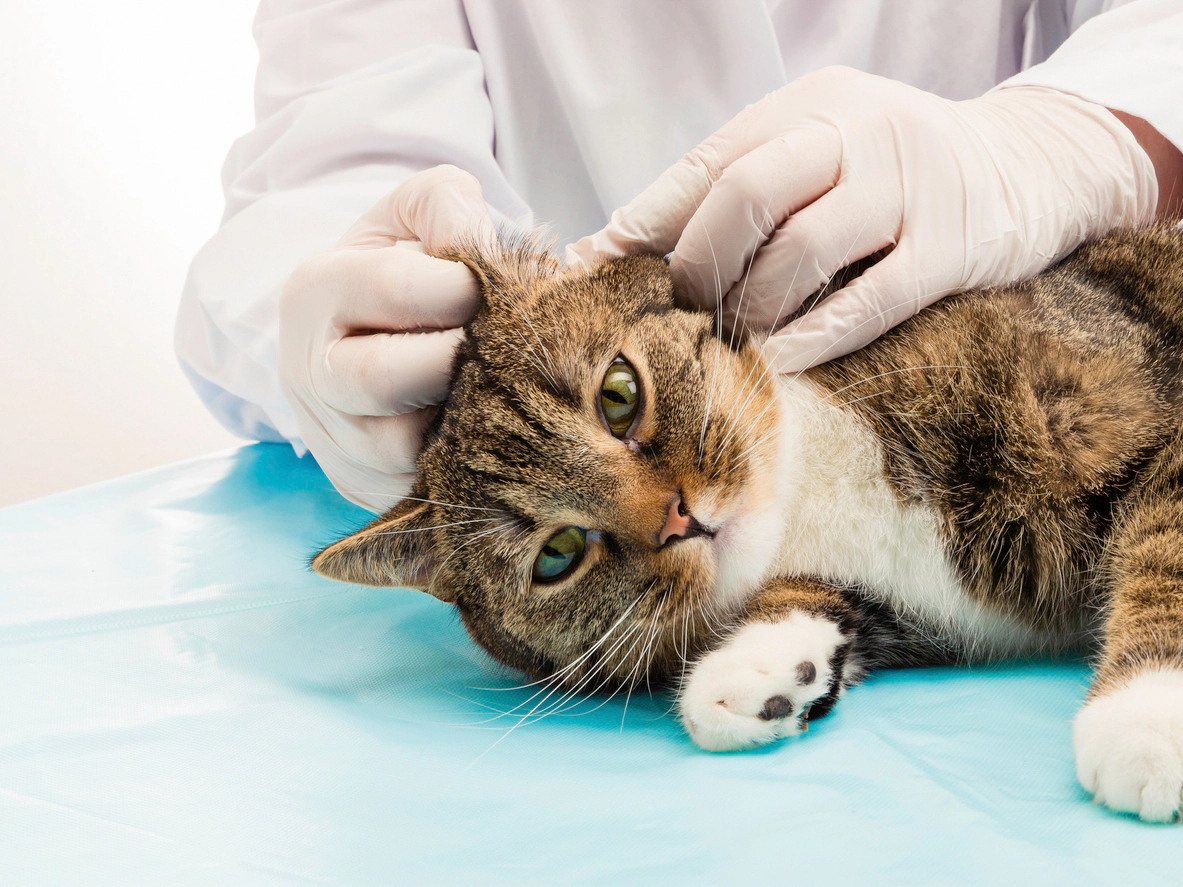
Are Extra Tests Necessary During a General Health Examination?
Because cats don't tell you how they feel, they can be sick long before any symptoms of a disease appear, and this can be overlooked. This is why routine tests are performed in such detail. Moreover, cats' approach to illness is not very helpful in detecting the disease. Cats tend to hide early signs of illness due to their instincts. Therefore, an early sign that can be detected during a regular check-up allows the disease to be treated before it progresses. It is normal to perform extra tests related to a suspicion that arises during a regular check-up. Older cats, in particular, should have regular check-ups every 6 months for this reason.
Advertisement
Advertisement
Keep exploring
Continue reading
Cat Health
Why Do Cats Get Thinner as They Age? Symptoms and Treatment
When stroking an aging cat's back, the spine or hip bones may feel more prominent than before, which is the first change most cat owners notice.
Read guide →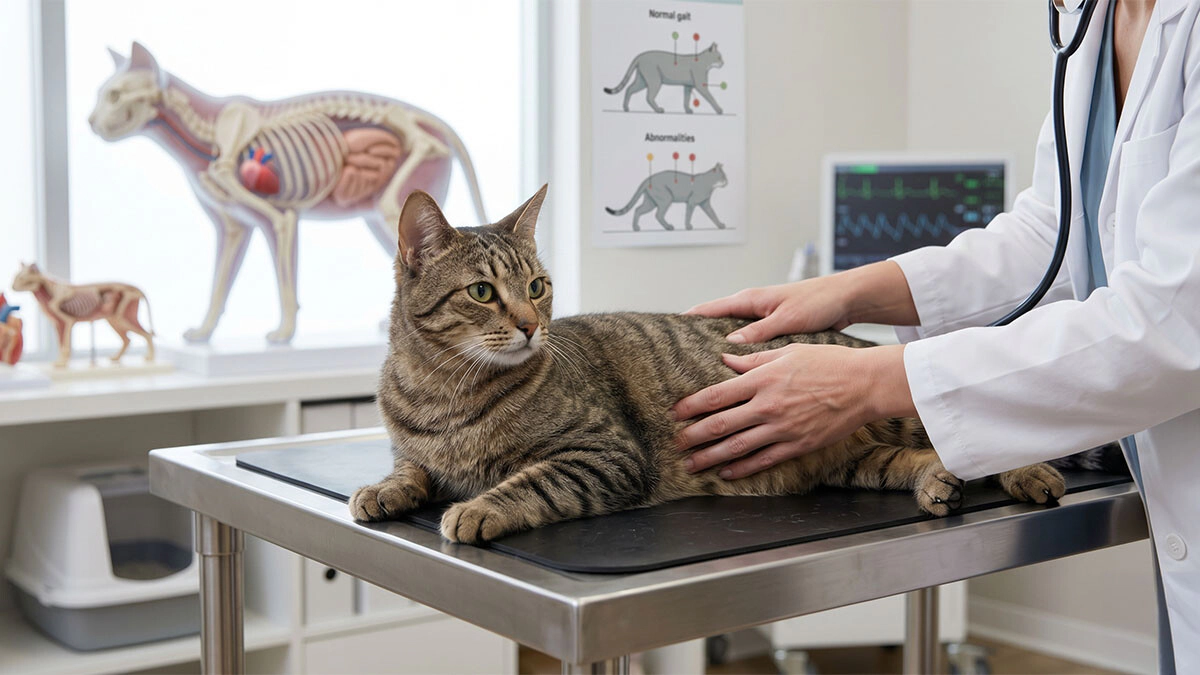
Cat Health
Cat Anatomy and Organs: Body Structure, Health Signs and Relationship with Diseases
A slight change in posture, a slight limp in gait, or a difference in litter box habits in cats can give clues about their body systems.
Read guide →
Cat Health
How to Acclimate Cats to Carrier Bags?
Does your cat hide, hiss, or resist with all its might the moment it sees the carrier? This reaction is described as carrier phobia in most homes…
Read guide →
Cat Health
What Should Be Considered After Vaccination in Cats?
Following your cat's vaccination schedule for health and a long life is one of the most critical decisions you will make as a pet owner.
Read guide →