What is Bird Sand Used For and How to Use It?
Many different elements are needed for pet birds to live a healthy, happy and long life. Clean water, a clean cage, and healthy food are among the first requirements that come to mind. There is another variable that is overlooked but is extremely important: bird grit.
Advertisement
Many different elements are needed for pet birds to live a healthy, happy and long life. Clean water, a clean cage, and healthy food are among the first requirements that come to mind. There is another variable that is overlooked but is extremely important: bird grit. This special product, which supports many vital functions from digestion to bone development, is one of the hidden heroes of bird care.
In this article, you can find answers to important questions such as "What is bird grit used for?" and "How and how often should bird grit be used?".
What is Bird Grit? What Does it Contain?

Bird grit is a special mineral-rich mixture used to support the digestive process of pet birds. It basically contains two types of components: insoluble (mechanical grinder) and soluble (nutrient-supporting) substances. It usually contains ground silicates, sandstone, calcium carbonate (mussel and oyster shells), crushed marble, cuttlefish bone powder, anise oil, and in some cases, small amounts of activated charcoal. These additives may be added by some manufacturers for their aromatic attraction or toxin-binding functions. However, anise oil should be used with veterinary advice as it can be an allergen for birds.
Insoluble substances in a bird's gizzard act as "mechanical grinders," physically breaking down seeds and grains. This function is particularly important in species that feed on seeds, such as budgies and canaries. These substances pass through the bird's digestive system undigested and are excreted in the feces. Soluble substances, on the other hand, dissolve during digestion, providing the body with calcium and other minerals.
These mineral particles that accumulate in the gizzards of birds facilitate digestion by breaking down ingested food. This increases the efficiency of food intake and supports the bird's overall health.
According to PetCoach data, bird grit facilitates mechanical digestion and, with its natural content, positively affects the feather structure, skeletal system, and overall metabolism of birds. However, there is an important warning: The source of the grit must be reliable, and brands with clearly stated contents should be preferred.
Why Do Birds Need Bird Grit?

Birds' stomachs are not like ours. Because they don't have teeth, the grains and seeds they eat are mechanically broken down in a region called the gizzard. For this process to occur, birds need small, hard particles in their gizzards. This is where bird grit comes in.
For birds, bird grit acts as sand that facilitates digestion. It also has positive effects on bone development, feather health, and the immune system. Bird grit, especially containing calcium, is an indispensable source for egg-laying female birds.
How to Use Bird Grit? How Often Should It Be Given?
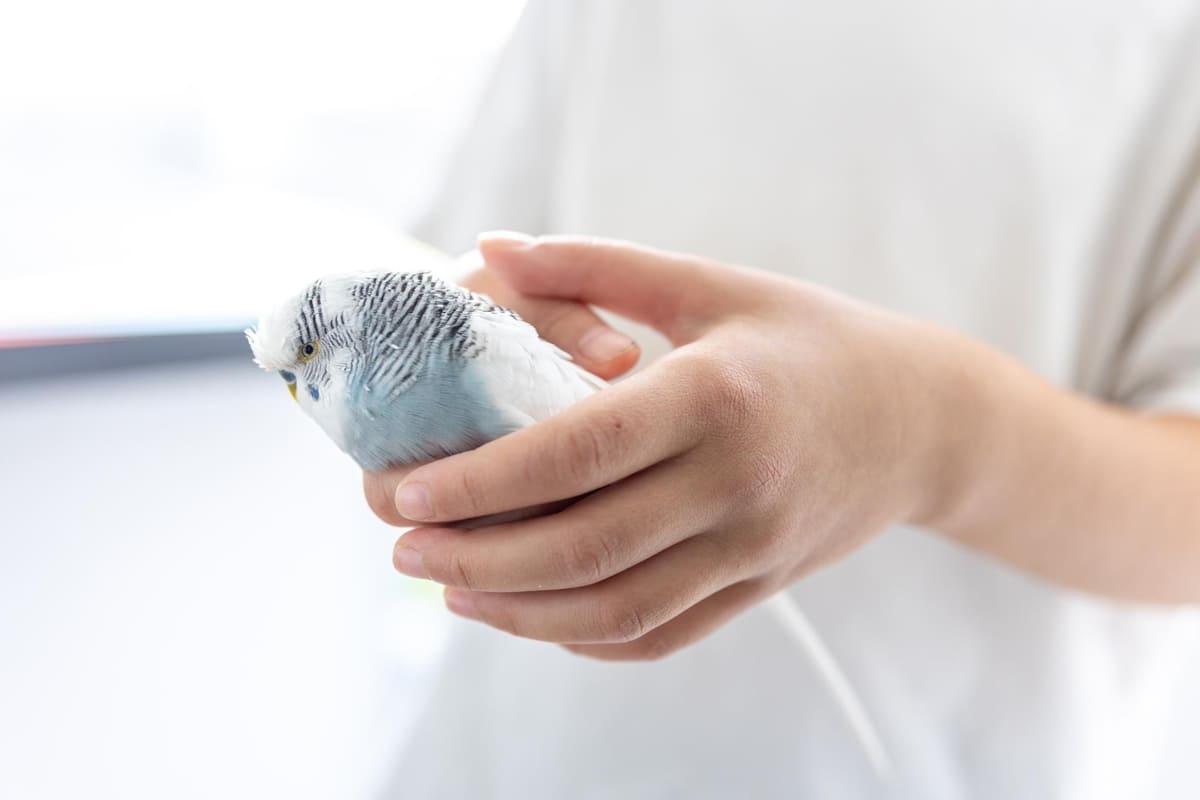
The amount and frequency of bird grit use are very important. Excessive use can harm the digestive system. So how is bird grit used?
It can be placed in a separate container and put inside the cage. Although some people prefer to add the grit mixture to the feeder, this method can make it difficult for birds to sift through the food. Therefore, pet bird grit should be offered in a separate compartment. Giving small amounts 1-2 times a week is sufficient. Adding fresh grit with each use is also important for hygiene.
As stated in the Birds 'n Ways source, some bird species need less grit consumption, while for others regular intake is more critical. Therefore, the dosage should be adjusted according to the bird's species.
Is Bird Grit Harmful? Things to Consider

When used consciously, bird grit is quite beneficial for the digestive system and general health of birds. However, incorrect product selection or excessive consumption can lead to certain health problems. Therefore, it is important to be aware of the key points to consider when using bird grit. First, excessive consumption of bird grit can cause physical blockages in the digestive system. Especially in small bird species, the excessive accumulation of insoluble grit in the gizzard can fill the stomach, leading to symptoms such as indigestion, loss of appetite, and weakness. Another important issue is the source and content of the grit. Low-quality grits, those containing additives, or those collected directly from nature pose serious risks. As reported by PetPlace, shell-based grits collected from contaminated waters can cause toxicity in the long term. This can lead to weakening of the immune system, and in some cases, even more serious consequences. Therefore, you should always offer your bird natural bird grit produced by reliable brands and that has undergone analysis. Commercially produced bird grit is both more balanced in terms of content and has undergone health checks. Alternatives such as randomly collected sand or children's play sand are never suitable for birds.
Firstly, excessive consumption of bird grit can cause physical blockages in the digestive system. Especially in small bird species, the excessive accumulation of insoluble grit in the gizzard can fill the stomach, leading to symptoms such as indigestion, loss of appetite, and lethargy.
Another important issue is the source and content of the grit. Poor quality, additive-containing, or directly collected bird grits pose serious risks. As reported by PetPlace, shell-based grits collected from contaminated waters can cause long-term toxicity. This can lead to weakened immune systems and, in some cases, more serious consequences.
Therefore, you should always offer your bird natural bird grit from reliable brands that have undergone analysis. Commercially produced bird grits are both more balanced in terms of content and have undergone health checks. Alternatives such as randomly collected grit or children's play sand are never suitable for birds.
Besides all this, it is also important to know that some species need less bird grit. For example, birds fed a pellet-based diet may need less digestive support. Therefore, instead of applying the same frequency of use for every bird, a plan should be made according to the species, diet, and the veterinarian's recommendations.
Bird Grit Use According to Bird Species

As mentioned above, the bird grit needs of different bird species vary significantly according to their feeding habits, the structure of their digestive systems, and their natural behaviors. In seed-feeding bird species, especially those that swallow shelled seeds whole, bird grit is quite necessary for physical grinding in the gizzard.
Budgies and canaries are in this group: Offering these birds small amounts of bird grit once or twice a week is beneficial for supporting digestion. This need is less in birds fed pellet feeds, as commercial feeds are offered in an easily digestible form and do not require grinding in the gizzard.
The situation is slightly different in species with large and strong digestive systems, such as parrots. Since these birds are mostly fed softer foods such as fruits, vegetables, and pellets, the use of bird grit is not necessary if their diet is balanced. The use of bird grit is not recommended in young birds because their gizzard is not fully developed.
Frequently Asked Questions About Bird Grit

When information regarding the digestive system of birds is evaluated, it can be understood more clearly how critical a role the use of bird grit plays in this process. However, since each bird species has different needs, choosing the right type of grit and using it properly is quite important. Therefore, bird owners need to be aware of this.
Can birds live without bird grit?
Birds obtain materials suitable for their gizzards (sand, stones, gravel, etc.) from their environment in their natural habitat. However, for birds fed a seed-heavy diet in a home environment, bird grit can be beneficial for digestion. Bird grit is a supplement, but it is not a vital necessity for every species.
Should I put bird grit in the feeder or on the bottom of the cage?
Providing it in a separate small container is the healthiest method. This method ensures that bird feed or supplements are consumed in the correct amount. Mixing it into the feeder can change the taste of the feed, reducing feed consumption and leading to unwanted nutritional problems. Using a separate container is also more advantageous in terms of hygiene. This way, the feed can stay fresh without mixing. However, the most important thing is to follow the usage instructions of the purchased bird grit.
What can be used as an alternative to bird grit?
After consulting a veterinarian, sterilized small pebbles or crushed oyster shells can be used. Bird grit alternatives do not always perfectly match the original product.
Is bird grit necessary for baby birds?
No, bird grit is generally not necessary for baby birds, and in some cases it can even be harmful. This is because the digestive systems of baby birds are not yet fully developed. Foreign substances like grit can cause blockages or other damage in the digestive tract. Since baby birds are usually fed with food that has already been digested and softened by the mother bird, there is no need to grind this food in the gizzard. The food given to chicks fed by humans is mostly in puree or liquid form, and these types of foods do not require sand for digestion.
Which brand of bird sand is the best?
Products with clearly stated ingredients, free of additives, and containing naturally sourced minerals should be preferred. User reviews and veterinary recommendations should be taken into consideration. You can find quality bird sand products from reliable brands here.
Should bird sand be given every day?
No. Giving fresh sand 1-2 times a week is sufficient. The question "Should bird sand be given every day?" should be considered carefully due to the risks of excessive consumption.
My bird doesn't eat bird sand, what should I do?
If your bird isn't eating bird grit, you should determine if it truly needs it before worrying; birds fed pellets, in particular, don't necessarily need grit. If it's fed seeds, grit can aid digestion, but factors like the grit's taste, freshness, type, and presentation can affect its interest. Placing the grit near the food bowl and in a prominent location, choosing high-quality, natural grit, and even adding its favorite seeds can be beneficial. Alternatively, for birds that show no interest in bird grit, you can offer beak stones, mineral blocks, or natural rock salt, although they don't serve the same function. However, if there are signs of loss of appetite or digestive problems, consulting a veterinarian is the safest course of action.
Kaynaklar:
https://www.vde-shells.com/producten/mineralen-mengsels/bird-grit
https://www.petplace.com/article/birds/general/grit-what-is-it-and-who-needs-it
https://barnowlgarden.com/post/what-is-grit-and-why-is-it-important-in-my-bird-feed/
https://birdsnways.com/a-bit-about-grit/
https://www.petindiaonline.com/story-details.php
https://www.petcoach.co/article/grit-is-it-necssary-for-pet-birds
Advertisement
Advertisement
Keep exploring
Continue reading
Bird Care
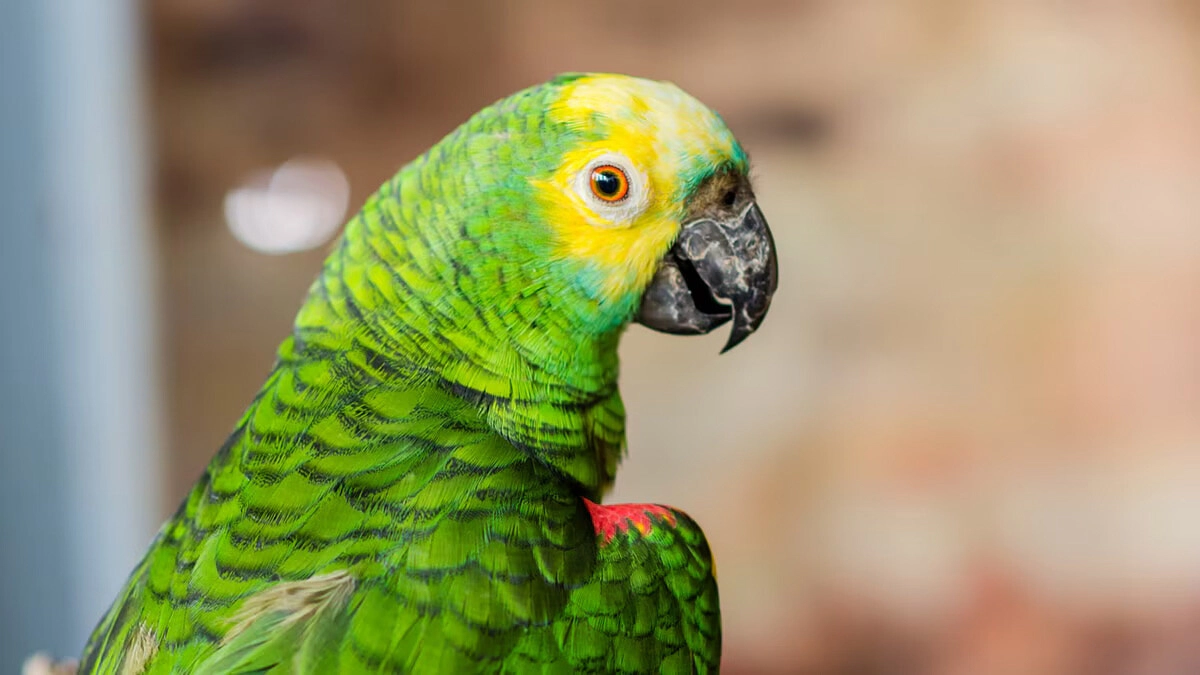
Comprehensive Guide to Amazon Parrot Care, Feeding and Training
Caring for an Amazon Parrot isn't as simple as putting food in the cage, keeping an eye on the water, and getting through the day.
Read guide →
Bird Care
Things to Consider When Choosing Bird Food
As stated in PetMD, a significant portion of errors in bird nutrition stem from not selecting feed according to the species and needs.
Read guide →
Bird Care
Canary Characteristics, Care and Feeding
If you want a cheerful, loving, and lively energy in your home, canaries can start a wonderful change in your life.
Read guide →
Bird Care
Common Misconceptions About Bird Care: Debunking Myths with Scientific Facts
We can only understand how sensitive and special pet birds are when we own them. The chirping of a budgie or the affectionate gaze of a parrot gives…
Read guide →