What is Feline Panleukopenia (Feline Distemper) and How is it Treated?
When it comes to feline health, even the smallest change in their behavior, appetite, desire to play, or approach towards you needs to be evaluated. Since cats often hide the signs of illness, any potential neglect can lead to the progression of problems.

Advertisement
When it comes to feline health, even the smallest change in their behavior, appetite, desire to play, or approach towards you needs to be evaluated. Since cats often hide the signs of illness, any potential neglect can lead to the progression of problems. This is why it becomes increasingly important to be informed about serious infections such as feline distemper (panleukopenia).
Known by its Latin name Feline Panleukopenia Virus (FPV), this disease is one of the oldest and most dangerous viral infections seen in cats. It can be particularly severe in kittens with weakened immune systems and can be fatal if not treated quickly.
Instead of worrying, it's important to be cautious: Awareness of this disease, early diagnosis, and correct treatment can save your cat's life. Feline panleukopenia is both preventable and controllable with the support of a veterinarian.
Important Note: The information in this article is for general guidance only. The suggestions here do not replace the examination, diagnosis, and treatment plan that your veterinarian will make. For the correct and safe steps regarding your cat's health, you must consult your veterinarian.
What is Feline Panleukopenia?
 Panleukopenia, commonly known as feline distemper, is one of the most serious viral infections seen in cats. Medically known as Feline Panleukopenia Virus (FPV), it is a virus belonging to the parvovirus family. The word panleukopenia means "decrease in white blood cells" in Latin. This results in a severe weakening of the immune system. Unfortunately, it can be fatal in both kittens and unvaccinated adult cats.
Once the virus enters the cat's body, it specifically targets rapidly dividing cells. According to PetMD, the panleukopenia virus attacks the cat's digestive system, bone marrow, and immune cells, quickly affecting the entire body.
As stated in the MSD Veterinary Manual, FPV is quite resistant in the environment. Contact with contaminated food bowls, litter boxes, or the fur of an infected cat can be sufficient for transmission.
What are the Causes of Feline Distemper?
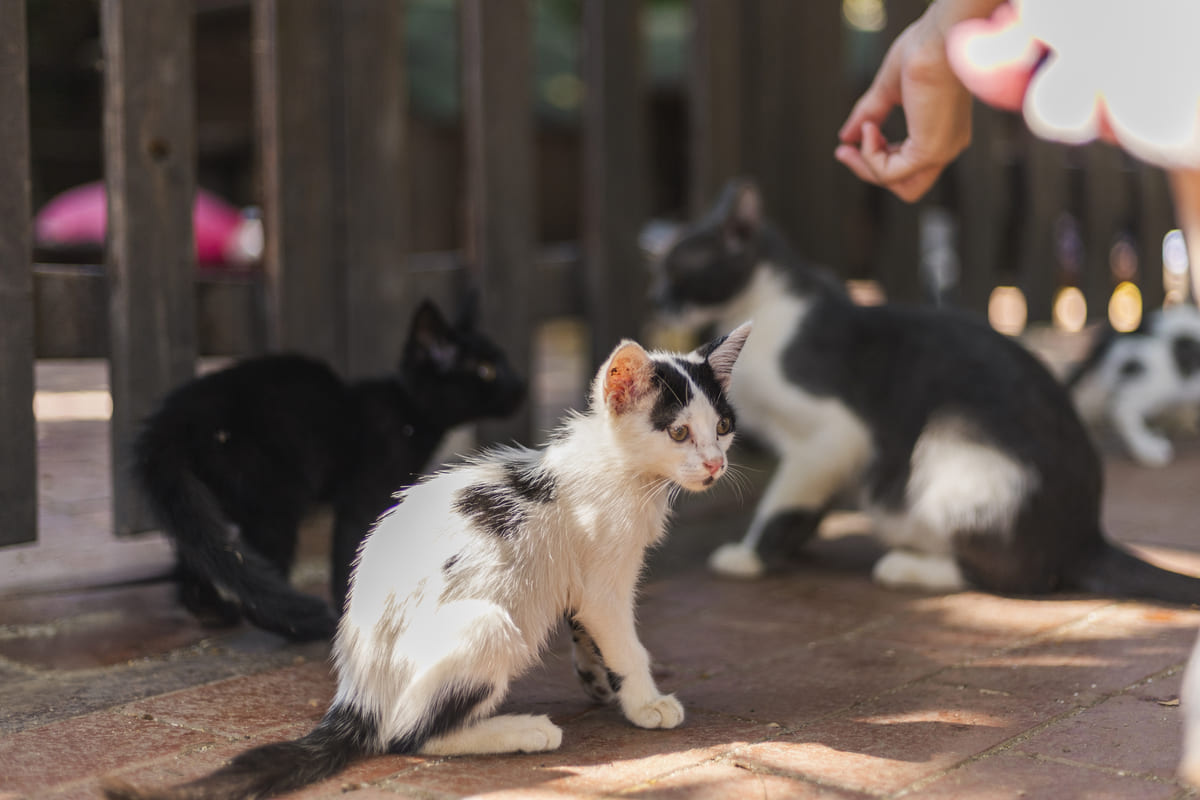 The FPV virus, which causes feline distemper, can remain alive in the environment for weeks or even months. Therefore, the risk of transmission is very high.
One of the most important causes of the disease is lack of vaccination. Kittens become vulnerable when the temporary immunity they receive from their mothers decreases.
Transmission routes include;
- Contact with the fur or secretions of an infected cat,
- Sharing food and water bowls,
- Sharing litter boxes,
- People carrying the virus on their hands or clothing.
According to the AVMA source, the situation is the same: FPV virus can spread not only through direct contact but also through environmental contamination. So even if your cat hasn't seen an infected cat, it can become infected from a contaminated object.
Caution! Cats with weakened immune systems, those living under stress, or those who are malnourished are more susceptible to the disease. Kittens, in particular, are the most vulnerable group to the effects of this virus.
What are the Symptoms of Feline Panleukopenia?
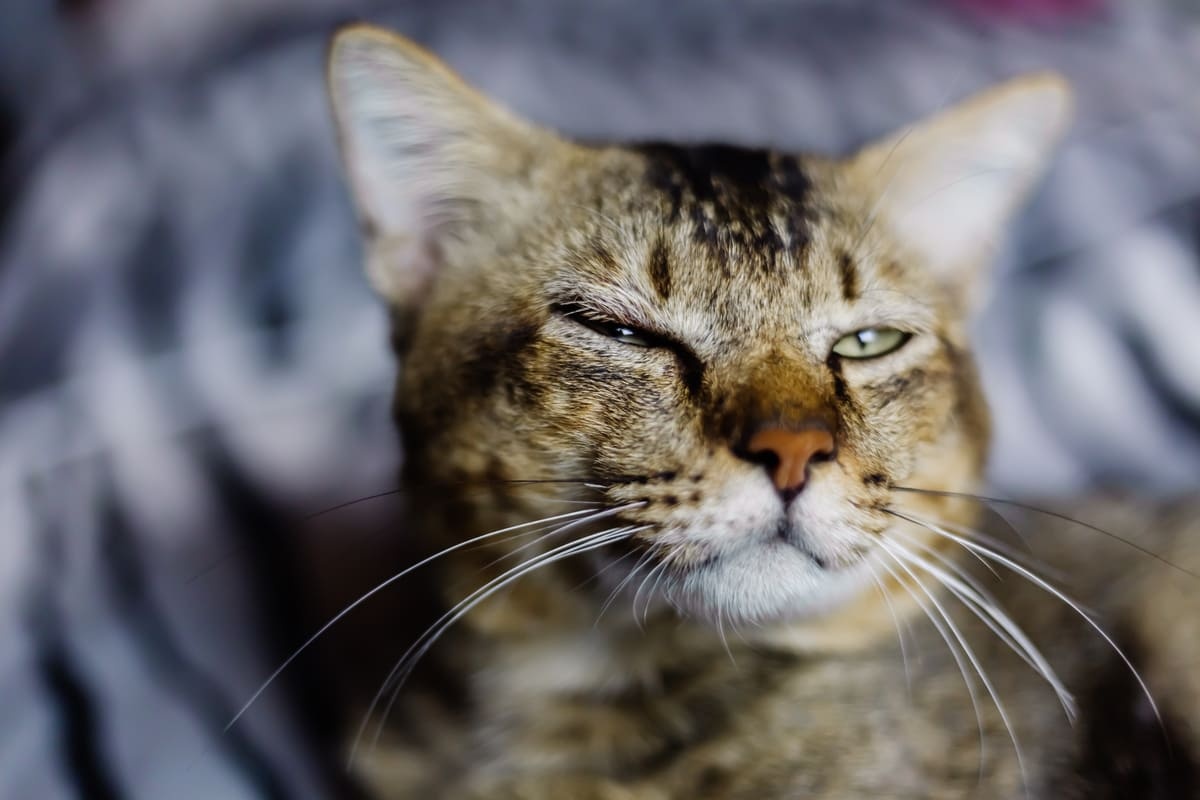
Feline panleukopenia is a rapidly progressing and often severe infection. Because the virus targets the immune and digestive systems, symptoms appear quickly. The most common symptoms of feline distemper in cats are: Severe weakness and constant sleepiness Loss of appetite and rapid weight loss Recurrent vomiting Watery, foul-smelling, or bloody diarrhea High fever Dehydration (loss of skin elasticity, dry gums) Pain and stiffness in the abdomen Some cats may also experience tremors, loss of balance, and depression. These symptoms progress very rapidly, especially in kittens, and can become life-threatening within hours. According to the RSPCA NSW source, the panleukopenia virus paralyzes the immune system by destroying white blood cells. Therefore, the cat cannot resist even infections that it would normally easily overcome. If you observe even a few of the above symptoms in your cat, you should consult a veterinarian immediately. Early intervention is the most important step that can change the course of the disease. Treatment Methods for Feline Distemper There is no antiviral drug specifically developed for feline distemper. Therefore, treatment is entirely aimed at supporting the cat's body and enabling it to resist the virus. The most important factor is to consult a veterinarian immediately as soon as symptoms appear.
The most common symptoms of feline distemper are:
- Severe lethargy and constant drowsiness
- Loss of appetite and rapid weight loss
- Recurrent vomiting
- Watery, foul-smelling, or bloody diarrhea
- High fever
- Dehydration (loss of skin elasticity, dry gums)
- Pain and stiffness in the abdominal area
Some cats may also experience tremors, loss of balance, and depression. These symptoms progress very rapidly, especially in kittens, and can be life-threatening within hours. According to the RSPCA NSW source, panleukopenia virus paralyzes the immune system by destroying white blood cells. Therefore, the cat cannot resist even infections it would normally easily overcome. If you observe even a few of the above symptoms in your cat, you should consult a veterinarian immediately. Early intervention is the most important step that can change the course of the disease.
According to the RSPCA NSW source, panleukopenia virus paralyzes the immune system by destroying white blood cells. Therefore, the cat cannot resist even infections it would normally easily overcome.
If you observe even a few of the above symptoms in your cat, you should consult a veterinarian immediately. Early intervention is the most important step that can change the course of the disease.
Treatment Methods for Feline Panleukopenia
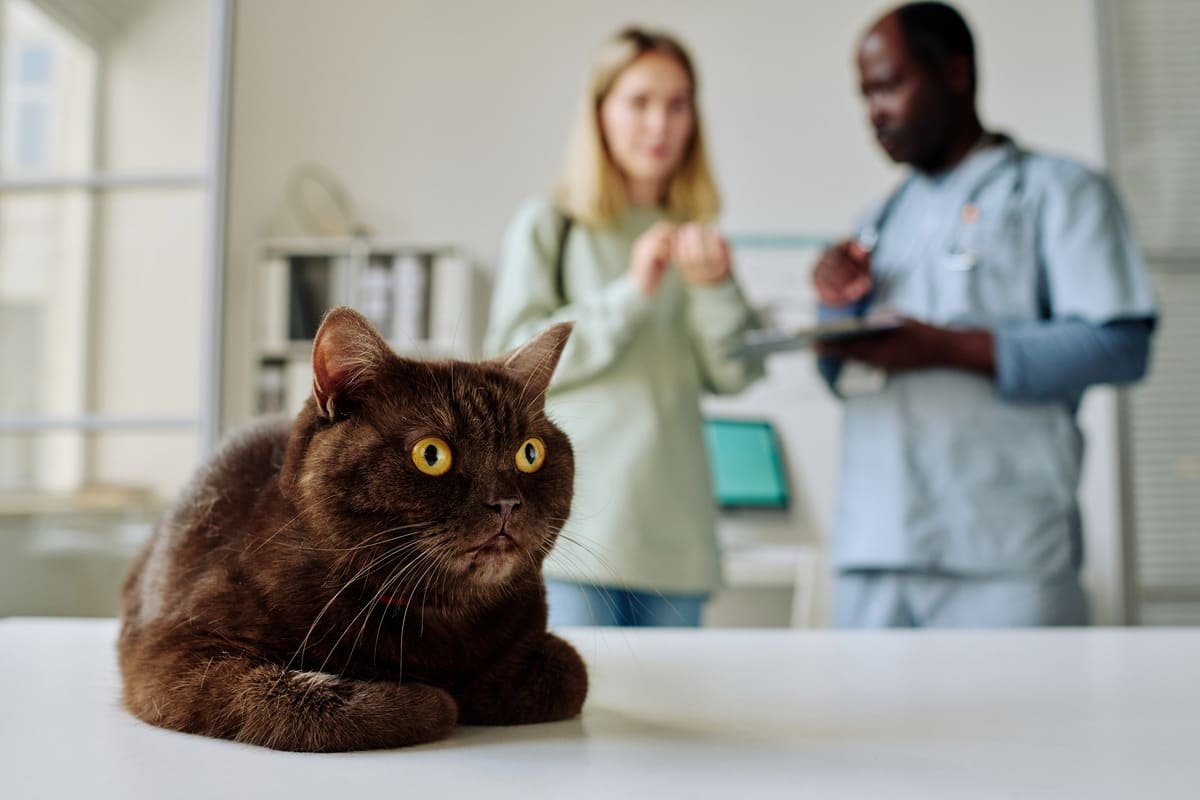
There is no antiviral drug specifically developed for feline panleukopenia. Therefore, treatment is entirely focused on supporting the cat's body and building resistance to the virus. The most important factor is to consult a veterinarian immediately upon noticing symptoms.
Supportive Treatment Approaches
Intensive fluid therapy (serum): Rapid fluid loss due to vomiting and diarrhea quickly puts the cat at risk of death. Dehydration and electrolyte loss can be balanced with intravenous fluids.
Nutritional support: Appetite decreases during illness. The aim is to meet the cat's energy needs by using forced feeding or high-calorie foods recommended by a veterinarian.
Antibiotic administration: The virus itself cannot be destroyed by antibiotics. However, since bacterial infections are more likely in cats with compromised immune systems, their use may be recommended by veterinarians to prevent secondary infections.
Immune boosters: Immune-boosting treatments may be applied to some cats. These treatments can help slow the multiplication of the virus. Fever and pain control: High fever and pain reduce the cat's resistance. The cat's comfort can be increased with medications deemed appropriate by the veterinarian. As stated in the VCA Animal Hospitals source, most cats diagnosed with panleukopenia are admitted to intensive care in a clinical setting. This is because home care may be insufficient to address critical issues such as fluid loss and immune suppression. The success of treatment depends on: The cat's age, The viral load, The severity of symptoms, How early the intervention is provided.
Fever and pain control: High fever and pain reduce the cat's resistance. The cat's comfort can be increased with medications deemed appropriate by the veterinarian.
As stated in the VCA Animal Hospitals source, most cats diagnosed with panleukopenia are admitted to intensive care in a clinical setting. This is because home care may be insufficient to address critical issues such as fluid loss and immunosuppression.
The success of treatment;
- It depends on the cat's age,
- viral load,
- severity of symptoms,
- how early intervention is provided.
Feline Panleukopenia Vaccination Should Not Be Neglected!
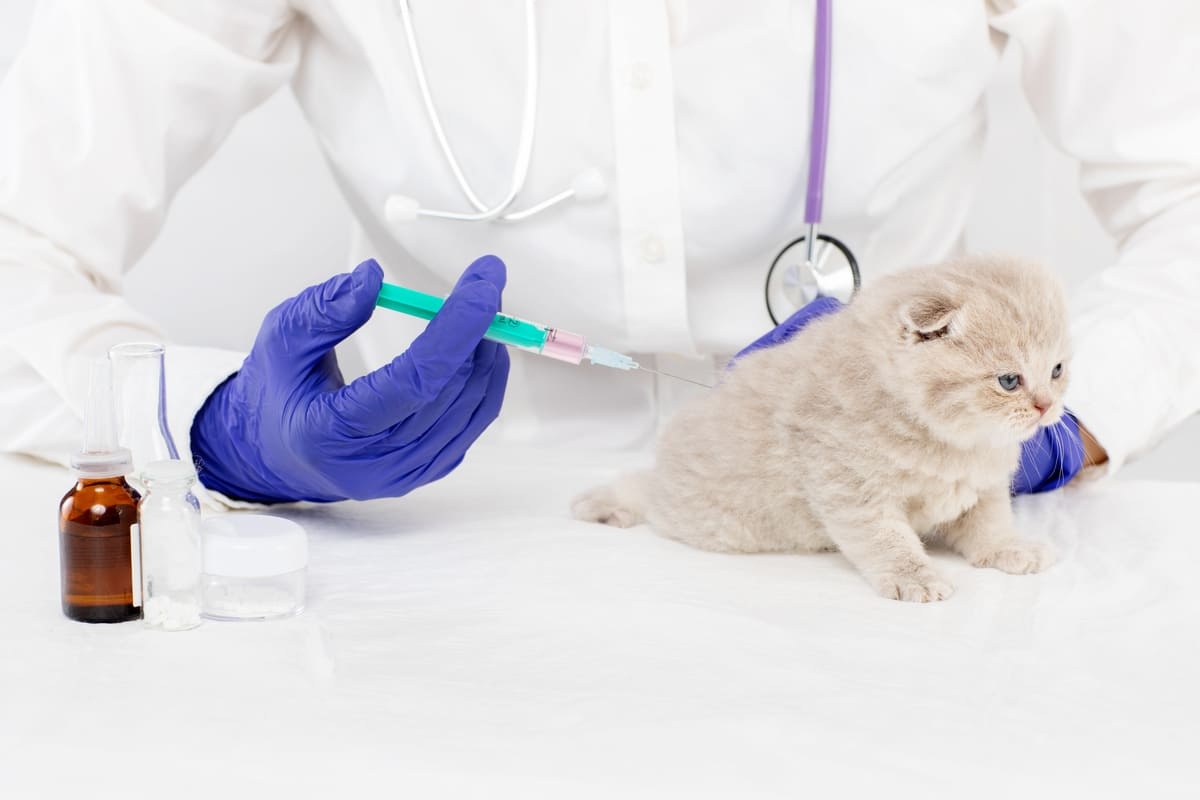
Feline panleukopenia is considered a potentially fatal disease, but it is preventable through regular vaccination. The vaccine prepares the cat's immune system against the virus and provides strong protection against the risk of infection.
Vaccination is vital for kittens. The temporary immunity from mother's milk decreases at 6-8 weeks, and at this stage, the kitten becomes vulnerable. If vaccination is not given, the risk of developing a severe illness when exposed to the virus is very high. Regular vaccination follow-up is also very important for adult cats. Adults who have never been vaccinated are at serious risk, even if they do not go outside, because the virus remains viable in the environment for a long time.
According to the ABCD Cats & Vets guide, kittens should be vaccinated against distemper starting at 8 weeks, repeated every 3-4 weeks, and immunity should be complete by 16 weeks. A booster vaccination is then recommended once a year.
Frequently Asked Questions About Distemper in Cats

In this section of our content, you can find the most frequently asked questions about distemper in cats and their answers.
Can distemper in cats be cured?
Some cats can recover. Early intervention and intensive supportive treatment are essential. Kittens are at risk. Adult and vaccinated cats have a higher chance. The treatment process for distemper in cats requires clinical monitoring. Recurrence is not expected, but immunity may remain weak for a while.
How to prevent feline distemper?
- Do not neglect vaccination. Follow the cat vaccination schedule.
- Maintain strict hygiene indoors.
- Support immunity with quality cat food and, when necessary, cat vitamins.
- Use appropriate bleach-based disinfectants.
- Items such as cat litter boxes, food and water bowls should be kept separate.
- Control entry and exit in shelters and multi-cat houses.
- Have the newly arrived kittens examined first.
Is feline distemper fatal?
Unfortunately, yes. The disease is known to be particularly severe in kittens. Dehydration and secondary infections worsen the condition. Early support increases the chance of survival.
How long does feline distemper last?
Clinical signs usually begin within 2–7 days of infection, and in untreated cases, the disease can rapidly lead to death within 24–72 hours. In individuals with strong immune systems who receive intensive supportive treatment, the recovery process can take 5 to 10 days.
During this time, careful fluid support, infection control, and nutritional support are critically important. Even after clinical signs improve, cats can shed the virus in their feces for several weeks, so isolation and hygiene measures should continue after treatment. Is feline panleukopenia contagious? Yes, it is highly contagious from cat to cat. Secretions, feces, and contamination of belongings are common causes. Human hands and clothing can carry the virus. The critical point regarding the question "Is panleukopenia contagious?" is environmental resistance. Environmental cleanliness is the basic defense. Can feline panleukopenia be transmitted to humans? Panleukopenia is a disease caused by a virus specific to felines and is not contagious to humans. This virus is not zoonotic; that is, it does not pose a direct risk to human health. However, since the disease is highly contagious, the virus can be transmitted to other cats through contaminated belongings, clothing, or hands. You can find information about diseases that can be transmitted from cats to humans here.
Is feline panleukopenia contagious?
Yes, it is highly contagious from cat to cat. Secretions, feces, and contamination of objects are common causes. Human hands and clothing can carry the virus. The critical point regarding the question "Is panleukopenia contagious?" is environmental resistance. Environmental cleanliness is the basic defense.
Can feline panleukopenia be transmitted to humans?
Panleukopenia is a disease caused by a virus specific to felines and is not transmitted to humans. This virus is not zoonotic; that is, it does not pose a direct risk to human health. However, since the disease is highly contagious, the virus can be transmitted to other cats through contaminated items, clothing, or hands. You can find information about diseases that can be transmitted from cats to humans here.
What happens if a cat is not vaccinated against feline distemper?
The risk of severe illness and death increases significantly. The condition progresses more rapidly in kittens. Spread accelerates in communal living spaces. The answer to the question of what happens if the feline distemper vaccine is not given is clear: High risk. Vaccination is the strongest shield against this disease.
What should be known about feline distemper?
Feline distemper can occur in cats of all age groups. Therefore, vaccination is very important.
Feline distemper is not transmitted from cats to humans, but people who come into contact with infected cats and do not take the correct precautions can transmit the virus to cats.
Comprehensive disinfection of the living spaces of cats that have recovered from feline distemper is necessary. Cats that have recovered from the disease can be reinfected.
Antibiotics have no effect in the treatment of feline distemper; no medication, including antibiotics, should be given to cats without veterinary approval.
Is home treatment for feline distemper possible?
Home treatment alone is not recommended. Clinical fluid support, medications, and close monitoring are required. Home care is intended to support the veterinarian's plan. Isolation, a warm and quiet room, clean water, and a feeding plan are provided.
My cat has panleukopenia, what should I do?
In this case, the sick cat should be immediately isolated, and if there are other cats in the house, they should be kept separate due to the risk of infection, and contact should be strictly prevented. After clinical evaluation, intensive supportive treatment should be started; fluid support, antibiotic use, and gastrointestinal stabilization should be prioritized. Diagnosis is usually made with clinical signs along with a complete blood count and rapid tests. To prevent the spread of infection, other cats should be vaccinated urgently, and the environment should be carefully cleaned with hypochlorite-based disinfectants.
What is the purpose of the feline distemper vaccine?
The vaccine prepares the immune system and prevents severe illness. Maintenance doses refresh the protection. Cats that are fully vaccinated are much safer. Therefore, adherence to the feline vaccination schedule from kittenhood is essential.
How is feline distemper diagnosed?
The disease usually manifests itself with a sudden onset of high fever, severe weakness, loss of appetite, vomiting, watery or bloody diarrhea, and dehydration. These symptoms MUST be evaluated by a veterinarian. Tenderness in the abdominal area and gas accumulation in the intestines may be observed during examination. Laboratory tests characteristically reveal leukopenia, especially a significant decrease in neutrophil and lymphocyte counts. Diagnosis can be confirmed with these clinical findings along with rapid FPV test kits, stool antigen determination, or PCR testing.
Kaynaklar:
https://www.avma.org/resources-tools/pet-owners/petcare/feline-panleukopenia
https://www.msdvetmanual.com/digestive-system/infectious-diseases-of-the-gastrointestinal-tract-in-small-animals/feline-panleukopenia
https://www.abcdcatsvets.org/guideline-for-feline-panleukopenia/
https://www.petmd.com/cat/conditions/infectious-parasitic/feline-distemper-in-cats
https://vcahospitals.com/know-your-pet/feline-panleukopenia
https://www.vin.com/apputil/content/defaultadv1.aspx?pId=19840&id=8249712
https://www.webmd.com/pets/cats/what-to-know-about-feline-distemper-panleukopenia
https://www.rspcansw.org.au/news-and-updates/protect-your-cat-from-panleukopenia/
Advertisement
Advertisement
Keep exploring
Continue reading
Cat Health
Why Do Cats Get Thinner as They Age? Symptoms and Treatment
When stroking an aging cat's back, the spine or hip bones may feel more prominent than before, which is the first change most cat owners notice.
Read guide →
Cat Health
Cat Anatomy and Organs: Body Structure, Health Signs and Relationship with Diseases
A slight change in posture, a slight limp in gait, or a difference in litter box habits in cats can give clues about their body systems.
Read guide →
Cat Health
How to Acclimate Cats to Carrier Bags?
Does your cat hide, hiss, or resist with all its might the moment it sees the carrier? This reaction is described as carrier phobia in most homes…
Read guide →
Cat Health
What Should Be Considered After Vaccination in Cats?
Following your cat's vaccination schedule for health and a long life is one of the most critical decisions you will make as a pet owner.
Read guide →