What is Kennel Cough in Dogs?
If you notice your dog coughing, you may be worried about this behavior your furry friend is exhibiting. If your dog is coughing as if choking, even though there's no object stuck in its throat, and the cough is dry and sharp, it could be a sign of kennel cough.
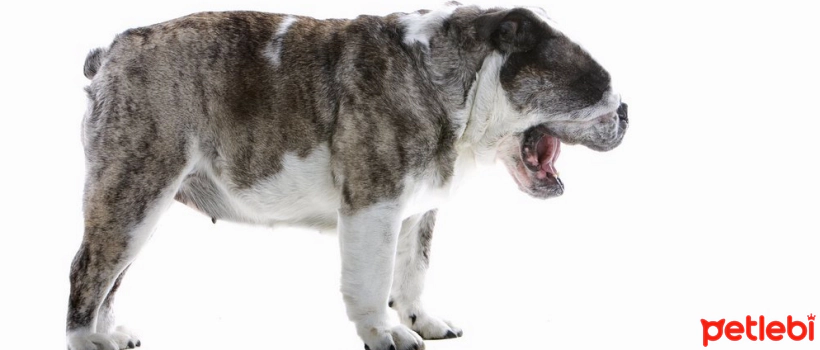
Advertisement
If you notice your dog coughing, you may be worried about this behavior your furry friend is exhibiting. If your dog is coughing as if choking, even though there's no object stuck in its throat, and the cough is dry and sharp, it could be a sign of kennel cough. Of course, kennel cough in dogs doesn't only cause these symptoms. You can find more information about what kennel cough is, the symptoms your dog might show if it has kennel cough, and possible treatment and prevention methods in the following sections of our article.

What is Kennel Cough?
Kennel cough is a highly contagious respiratory disease. Because it spreads quickly among dogs, it is frequently seen in kennels, which is why it's called kennel cough. It is also known as contagious tracheobronchitis. In some dogs, it only causes mild symptoms and may resolve on its own without any treatment. However, in puppies, older dogs, or dogs with existing chronic illnesses, it can have more serious consequences and progress to pneumonia, potentially threatening the dog's life. However, depending on the microbes causing the infection, some types of kennel cough can be more severe than others. Just as different organisms can cause the common cold in humans, kennel cough in dogs can also be caused by multiple factors. The bacterium Bordetella bronchiseptica is the most common cause of the disease. Most dogs infected with Bordetella are also infected with a virus. These viruses, known to make dogs more susceptible to Bordetella infection, include canine distemper virus, canine influenza virus, canine adenovirus, canine herpes virus, canine reovirus, and parainfluenza virus. Dogs contract kennel cough when they inhale bacterial or viral particles. However, kennel cough is not only transmitted through the respiratory tract. Direct contact or contact with infected surfaces can also cause kennel cough. Dogs' respiratory tracts are normally lined with a layer of mucus that traps infection-causing particles. However, factors such as crowded and/or poorly ventilated areas where many dogs are together, like kennels, cold environments, dust and/or cigarette smoke, and stress from travel can weaken this protection, making the dog more susceptible to inflammation.
Just as different organisms can cause the common cold in humans, kennel cough in dogs can also be caused by multiple factors. The bacterium Bordetella bronchiseptica is the most common cause. Most dogs infected with Bordetella are also infected with a virus. These viruses, known to make dogs more susceptible to Bordetella infection, include canine distemper virus, canine influenza virus, canine adenovirus, canine herpes virus, canine reovirus, and parainfluenza virus.
Dogs contract kennel cough when they inhale bacterial or viral particles. However, kennel cough is not only transmitted through the respiratory tract. Direct contact or contact with infected surfaces can also cause kennel cough. A dog's respiratory tract is normally lined with a mucus layer that traps infection-causing particles. However, dogs... Crowded and/or poorly ventilated areas where many dogs are kept together, such as shelters, cold environmental conditions, dust and/or cigarette smoke, and travel-related stress can weaken this protection; making the dog more susceptible to inflammation.
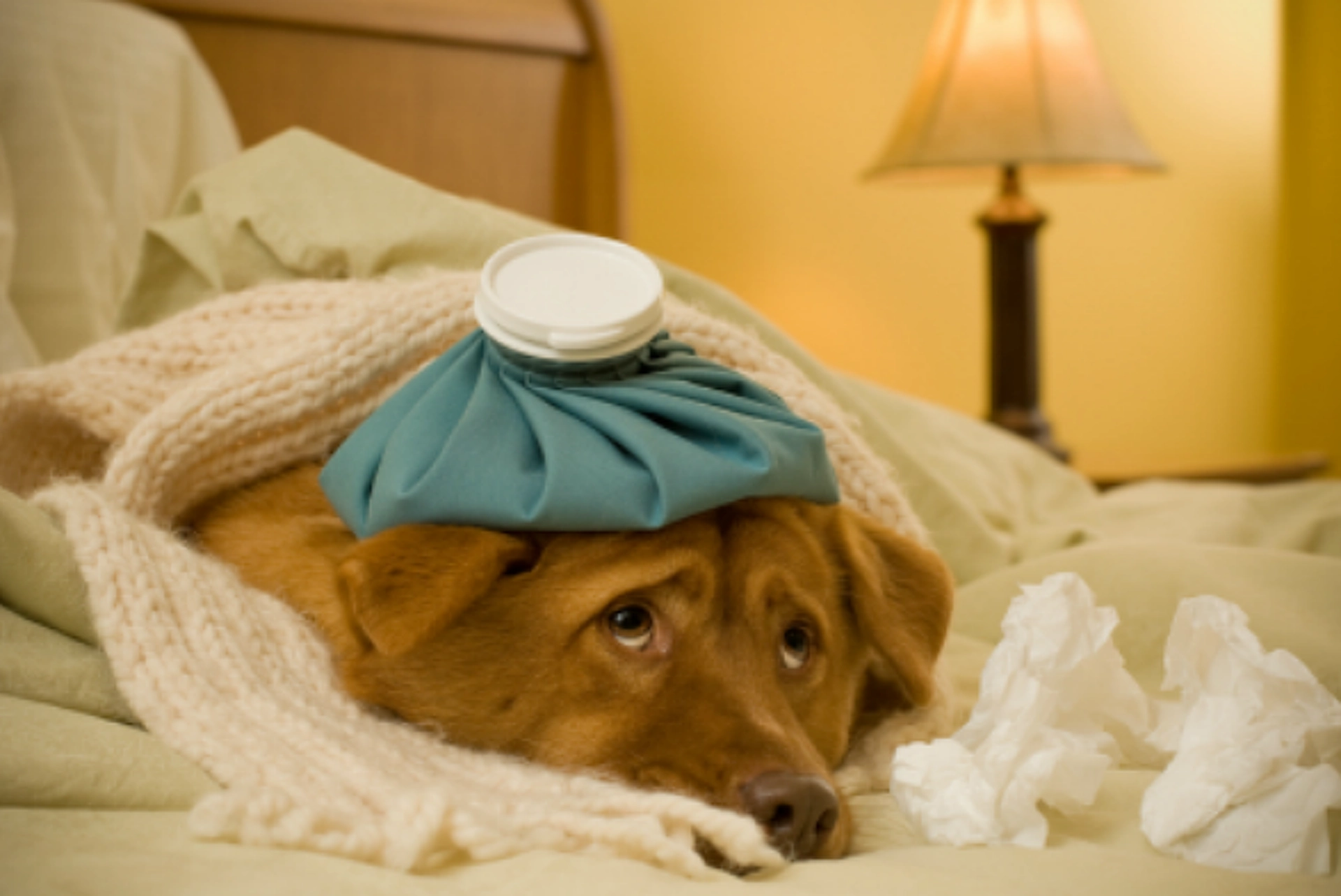
Symptoms and Diagnosis of Kennel Disease in Dogs
Because the disease affects the respiratory tract of dogs, the most common symptom is a persistent, strong cough. The cough caused by kennel disease is different from the cough of some dogs, especially puppies; it is a persistent, dry cough that feels like something is stuck in the dog's throat, causing a gasp for breath. If your dog is infected with this disease, it is highly likely to cough throughout the night. Other symptoms of the disease include retching with white foam, eye or nasal discharge, and coughing when pressure is applied to your dog's trachea.
If lethargy, loss of appetite, fever, or difficulty breathing are observed, you should contact your veterinarian immediately. These are serious signs of kennel cough, and it is recommended that the dog receive medical attention.
In most cases, kennel cough can be diagnosed based on the clinical signs the dog shows, its medical history, and its response to treatment. While diagnosing the underlying bacteria or virus is usually not necessary, diagnostic testing may be recommended in dogs suspected of pneumonia, unresponsive to supportive care, and showing signs of systemic disease. Testing may also be necessary if there is an outbreak in multiple dogs or to rule out other respiratory infections such as canine flu. Blood tests, chest X-rays, and PCR tests may be used.

Treatment and Prevention of Kennel Cough in Dogs
In mild cases of kennel cough, supportive care focusing only on rest, nutrition, and fluid intake may be sufficient. However, your veterinarian may prescribe medication to help reduce the frequency of your dog's cough. Dogs can recover from mild cases of kennel cough within 1-2 weeks. Some dogs may even recover without any treatment. More severe cases can cause your dog to become very ill and may require a more complex treatment process including hospitalization, intravenous fluids, antibiotics, and oxygen therapy.
In mild cases, you can do some things at home to support your dog's recovery. However, if your dog's cough worsens or the illness does not improve, it is best to consult your veterinarian. You can give your dog 1-1.5 teaspoons of honey mixed with some lukewarm water in a bowl, up to a maximum of 3 times a day, depending on your dog's condition. Humidifiers can help reduce irritation in the respiratory tract by humidifying the air your dog breathes. You can give your dog steam therapy in the bath, being careful not to wet them, to help with their breathing. Holistic antioxidants for dogs and, of course, plenty of rest can also support your dog during this process. You can click here to review vitamins and supplements formulated for dogs. To minimize the risk of kennel disease in dogs, a preventive vaccine against Bordetella bronchiheptica can be administered. Also, when you are leaving or taking your dog to a place where many dogs are kept together, such as a care facility, you can inquire about the vaccination status of the other dogs. Although even vaccinated dogs can contract kennel disease, taking these precautions is important to minimize the risk. In addition, avoiding smoking around the dog and ensuring its living environment is dust-free and well-ventilated will help support its natural defense system.
To minimize the risk of kennel disease in dogs, a preventive vaccination against Bordetella bronchiheptica can be given. Also, when you are leaving or taking your dog to a place where many dogs are kept together, such as a care facility, you can inquire about the vaccination status of the other dogs. Although even vaccinated dogs can contract kennel disease, taking these precautions is important to minimize the risk. In addition, not smoking around your dog and ensuring that their living environment is dust-free and well-ventilated will help support your dog's natural defense system.
Advertisement
Advertisement
Keep exploring
Continue reading

Dog Lifestyle & Guides
The Unseen Risks of Excess Weight in Small Breed Dogs
Small breed Weight gain in dogs sometimes progresses unnoticed. Extra food added to the food bowl, treats given during the day, food offered from the…
Read guide →
Dog Lifestyle & Guides
Dental Health and Its Importance in Dogs
Dental health in dogs is often Bad breath doesn't become a concern until it's noticed. However, the problem often begins before the odor: Plaque…
Read guide →
Dog Lifestyle & Guides
Hachiko: The True Story and Monument of the Dog Symbolizing Loyalty
The crowd gathered in front of the Hachiko statue in Shibuya shows that a wait that began years ago is not forgotten today.
Read guide →
Dog Lifestyle & Guides
Nasal Discharge in Dogs
If your dog has a runny nose, the first question that usually comes to mind is: Is this normal, or is there something I should be concerned about?
Read guide →