What is Psittacosis in Birds, and Can it be Transmitted to Humans?
Psittacosis, also known as parrot fever, ornithosis, or avian chlamydia, is a bacterial infection known to occur in at least 465 bird species worldwide. This infection, which is highly contagious among birds, can also be transmitted to humans.

Advertisement
Psittacosis, also known as parrot fever, ornithosis, or avian chlamydia, is a bacterial infection known to occur in at least 465 bird species worldwide. This infection, which is highly contagious among birds, can also be transmitted to humans. Although psittacosis can occur in any bird, it is more common in cockatiels, budgerigars, and other parrot species. Psittacosis is a highly fatal infection for birds, with approximately 50% of infected birds dying. The risk of death depends on the bird's overall health and species. Psittacosis is caused by Chlamydia psittaci, a bacterium that enters, multiplies, and destroys the cells of birds. Chlamydia psittaci can affect the digestive system, respiratory system, or the entire body of birds. Psittacosis Transmission Routes and Symptoms Chlamydia psittaci is found in the feces, saliva, mucus, dander, or eye and nasal discharge of infected birds. Infection occurs when healthy birds come into contact with infected birds or inhale dust from dried feces or feathers. C. psittaci is also an infection that can be transmitted through contaminated food, water, perches, or toys. Although rare, transmission can also occur through the bite of infected parasites such as lice or ticks. C. psittaci can be transmitted by the mother bird to eggs or chicks. Not all birds infected with C. psittaci appear sick. These birds are considered carriers. While carrier birds may appear healthy, their condition can worsen due to weakened immune systems caused by other infections, changes in diet, or living in crowded environments. Species such as budgerigars, cockatiels, and cockatoos are at higher risk of being carriers. Psittacosis causes various symptoms in birds. These symptoms include:
Psittacosis is caused by Chlamydia psittaci, a bacterium that enters, multiplies, and destroys the cells of birds. Chlamydia psittaci is a bacterium that affects the digestive system, respiratory system, or the entire body of birds.

Psittacosis Transmission Routes and Symptoms
C. psittaci is found in the feces, saliva, mucus, dander, or eye and nasal discharge of infected birds. Infection occurs when healthy birds come into contact with infected birds or inhale dust from dried feces or feathers. C. psittaci can also be transmitted through contaminated food, water, perches, or toys. Although rare, bites from infected parasites such as lice or ticks can also be a transmission route. C. psittaci can be transmitted to eggs or chicks by the mother bird. Not all birds infected with C. psittaci appear sick. These birds are considered carriers. Although carrier birds may appear healthy, their illness can worsen if their immune system is weakened due to various reasons such as another infection, changes in diet, or living in a crowded environment. Species such as budgerigars, cockatiels, and cockatoos have a higher risk of being carriers. Psittacosis causes various symptoms in birds. These symptoms include:
C psittaci appear sick. These birds are considered carriers. Although carrier birds may appear healthy, their illness can worsen due to various reasons such as another infection, changes in diet, or living in a crowded environment, which weaken their immune systems. Species such as budgerigars, cockatiels, and cockatoos have a higher risk of being carriers. Psittacosis causes various symptoms in birds. These symptoms include:
- Discharge from the eyes and nose,
- Swelling and watering of the eyes,
- Yellow or green stools,
- Depression,
- Loss of voice,
- Loss of appetite,
- Weight loss,
- Weakness,
- Disorganized fur,
- Difficulty breathing Strain, Fever, Diarrhea, Excessive urination, Very rarely, tremors, seizures, and head shaking are observed. These symptoms require immediate veterinary attention. Rainbow lories, canaries, and Rosella parrots are less likely to be carriers when infected. The disease and its symptoms are more easily observed in these species. For information on other common budgie diseases, you can check out our content "Budgie Diseases and Treatments at Home".
- Fever,
- Diarrhea,
- Excessive urination,
- Very rarely seen tremors, seizures and head shaking.
If these types of symptoms are observed, it is necessary to take the bird to the veterinarian immediately. Rainbow lories, canaries and Rosella parrots are less likely to be carriers when infected. The disease and symptoms are more easily observed in these species. For information on other common diseases in budgies, you can check out our content "Budgie Diseases and Treatments at Home".
Diagnosis and Treatment Methods of Psittacosis
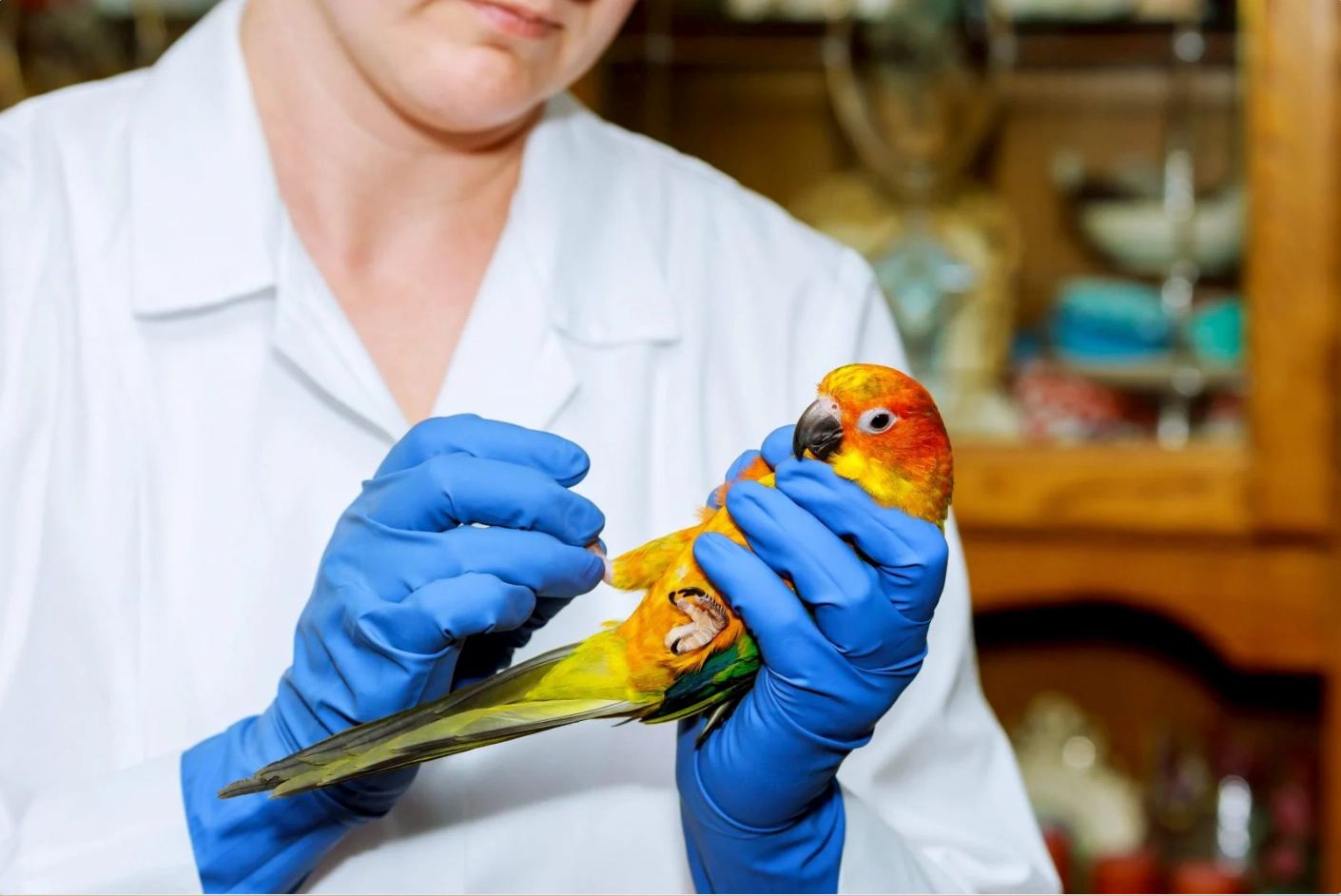
Symptoms of psittacosis in birds can easily be confused with other avian diseases. In addition to common diagnostic methods such as blood tests and X-rays, special tests are applied to diagnose psittacosis. These tests look at the antibody levels in the bird's blood. Swab samples can be taken from the bird's mouth, eyes, and nose.
Doxycillin is used for the treatment of psittacosis. Although this antibiotic does not completely cure the disease, it prevents the bird from spreading the disease to other birds and ensures that the bird remains a healthy carrier. However, the infection can become contagious again if the bird becomes ill due to another reason. To reduce the risk, approximately 2-8 weeks of doxycillin use may be necessary. The normal antibiotic treatment duration is 45 days. Antibiotics can be administered orally as tablets, by injection, or mixed with water. The method of administration is determined by the veterinarian based on the bird's species and the severity of the disease. If antibiotic treatment is planned as oral administration, the bird's calcium intake should be restricted. This is because calcium reduces doxycycline absorption. In cases of severe psittacosis infection, various liquid medications, heat application, and other treatment methods are applied in addition to the treatment. How to Prevent Psittacosis in Birds? Choosing healthy bird feed and keeping cages clean are important for preventing infection. You can review specially formulated bird feeds for healthy bird nutrition by clicking here. Overcrowded and stressful environments significantly increase the risk of infection. A new bird entering a habitat with multiple birds should be examined and quarantined for at least 30 days before being placed there. After that, there is no problem with placing it with the other birds. Since psittacosis can easily spread from birds to humans, protective equipment such as masks, protective goggles, and gloves should be used when handling an infected bird. It is recommended to disinfect hands after handling the bird.
If antibiotic treatment is planned as oral administration, the bird's calcium intake should be restricted. This is because calcium reduces doxycycline absorption. In cases of severe psittacosis infection, various liquid medications, heat application, and other treatment methods are applied in addition to treatment.
How to Prevent Psittacosis in Birds?
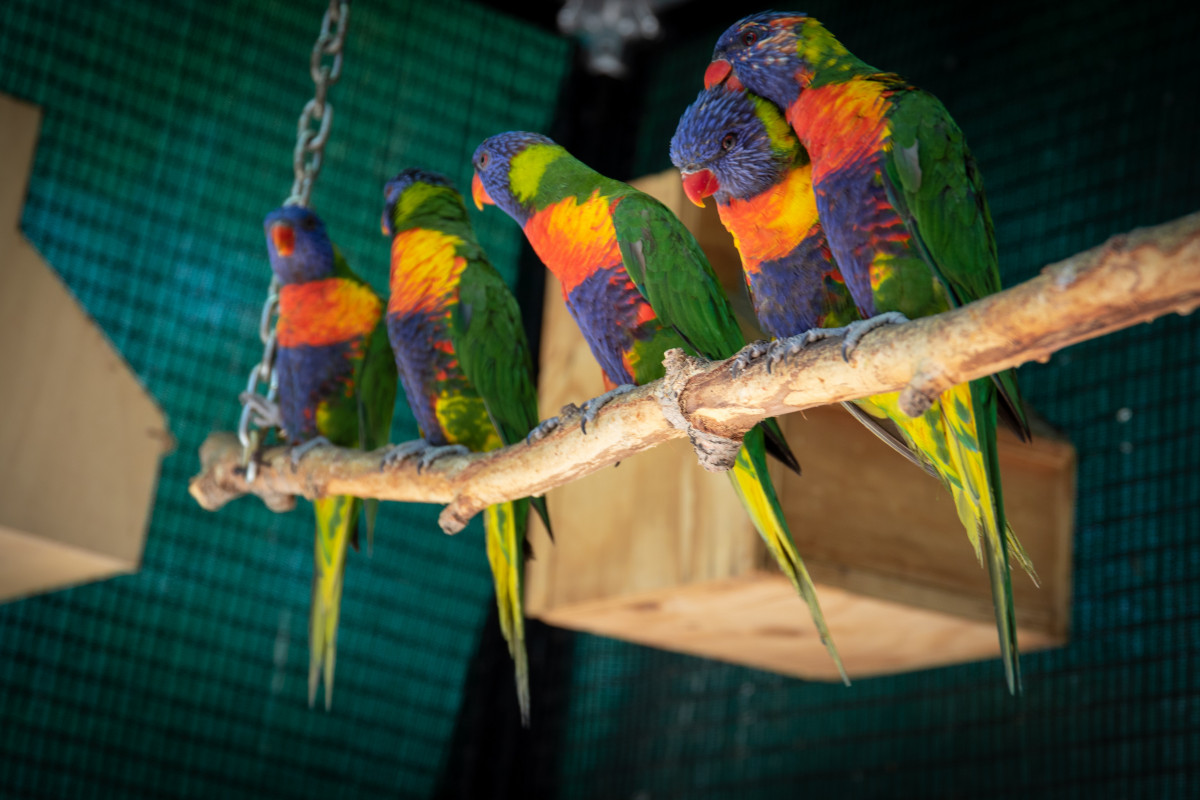
Choosing healthy bird feed and keeping cages clean is important for preventing infection in birds. You can review specially formulated bird feeds for healthy bird nutrition by clicking here. Very crowded and stressful environments significantly increase the risk of infection. A new bird entering a living area with more than one bird should be examined and kept in quarantine for at least 30 days before being placed there. After that, there is no harm in placing it with the other birds. Since psittacosis can easily spread from birds to humans, protective equipment such as masks, protective glasses and gloves should be used when handling an infected bird. It is recommended to disinfect hands after handling the bird.
Advertisement
Advertisement
Keep exploring
Continue reading
Bird Care
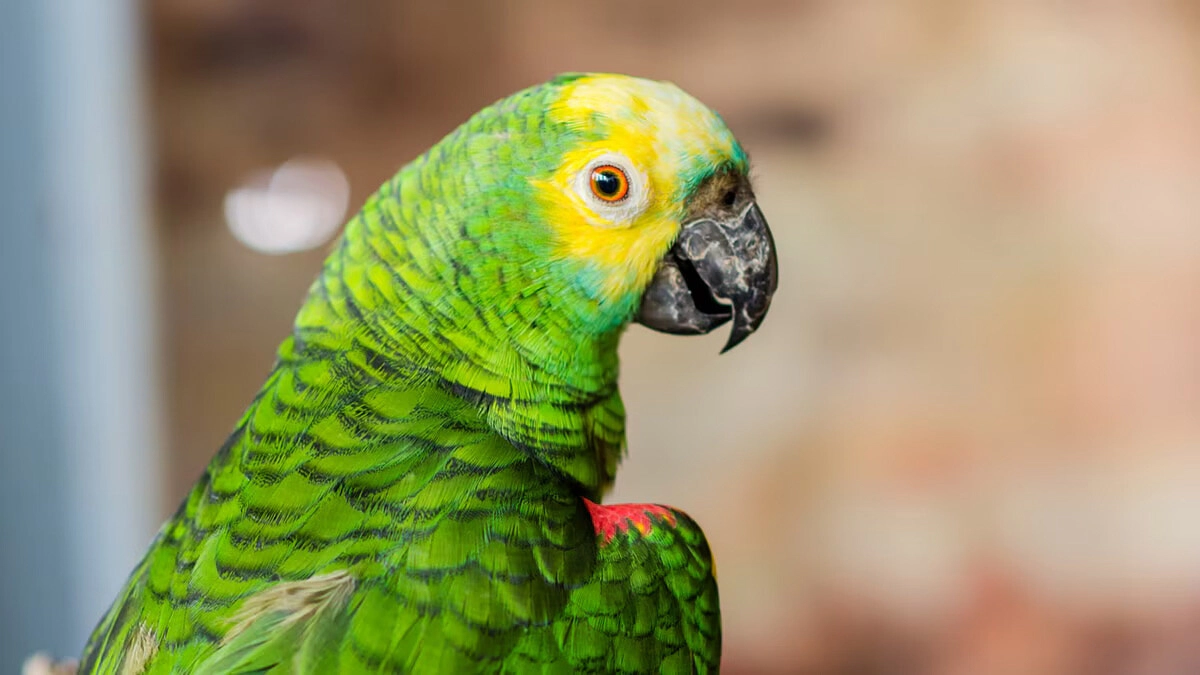
Comprehensive Guide to Amazon Parrot Care, Feeding and Training
Caring for an Amazon Parrot isn't as simple as putting food in the cage, keeping an eye on the water, and getting through the day.
Read guide →
Bird Care
Things to Consider When Choosing Bird Food
As stated in PetMD, a significant portion of errors in bird nutrition stem from not selecting feed according to the species and needs.
Read guide →
Bird Care
Canary Characteristics, Care and Feeding
If you want a cheerful, loving, and lively energy in your home, canaries can start a wonderful change in your life.
Read guide →
Bird Care
Common Misconceptions About Bird Care: Debunking Myths with Scientific Facts
We can only understand how sensitive and special pet birds are when we own them. The chirping of a budgie or the affectionate gaze of a parrot gives…
Read guide →