What is Pyometra (Uterine Inflammation) in Cats? Causes, Symptoms, and Treatment If you own a cat or are considering adopting one, it's crucial to be informed about serious illnesses like pyometra. Early diagnosis and treatment are among the most effectiv
Although we never want our furry friends with whom we share our lives to experience health problems, they, just like humans, can have serious health problems. One of these problems is pyometra, a life-threatening infection that occurs in female cats.

Advertisement
Although we never want our furry friends with whom we share our lives to experience health problems, they, just like humans, can have serious health problems. One of these problems is pyometra, a life-threatening infection that occurs in female cats. If you own a cat or are considering adopting one, it is crucial to be informed about serious illnesses like pyometra. Early diagnosis and treatment are among the most effective ways to protect your cat's health. So, what is pyometra, and what should you do if your cat contracts this disease? Let's examine this topic in detail. What is Pyometra? Pyometra is a bacterial infection that occurs in the uterus of unspayed female cats. This disease causes the uterus to become inflamed and leads to serious health problems in advanced stages. Pyometra usually occurs after the heat cycle, as a result of changes in the uterus caused by hormones. If left untreated, it can lead to septic shock and life-threatening consequences. Although more common in middle-aged and elderly cats, female cats of all ages are at risk. One of the biggest risks of pyometra is that the disease is often advanced by the time cat owners notice the symptoms. Knowing about the disease beforehand and paying attention to its symptoms can save your cat's life. What Causes Pyometra in Cats? Pyometra develops as a result of changes in hormone levels and infections in the uterus. The effect of the hormone progesterone, in particular, plays a significant role in the development of pyometra. During heat cycles, the uterine walls of cats thicken, making them more susceptible to infection. The open cervix during these periods can allow bacteria from the outside environment to enter the uterus. When your cat's body cannot fight off these bacteria, pus begins to accumulate in the uterus, and pyometra develops.
If you own a cat or are considering adopting one, it is very important to be informed about serious diseases such as pyometra. Early diagnosis and treatment are one of the most effective ways to protect your cat's health. So what is pyometra and what should you do if your cat gets this disease? Let's examine this topic in detail together.

Pyometra Nedir?
Pyometra is a bacterial infection that occurs in the uterus of unspayed female cats. This disease causes inflammation of the uterus and leads to serious health problems in advanced stages. Pyometra usually occurs after the heat cycle, as a result of changes in the uterus caused by hormones. If left untreated, it can lead to septic shock and life-threatening consequences. Although it is more common in middle-aged and older cats, female cats of all ages are at risk. One of the biggest risks of pyometra is that the disease is usually advanced by the time cat owners notice the symptoms. Knowing about the disease beforehand and paying attention to its symptoms can save your cat's life.

What causes pyometra in cats?
Pyometra develops as a result of changes in hormone levels and infections in the uterus in cats. The effect of the hormone progesterone, in particular, plays a significant role in the development of pyometra. During heat cycles, the uterine walls of cats thicken and become more susceptible to infection. The cervix being open during this period can allow bacteria from the outside environment to enter the uterus. When your cat's body cannot fight off these bacteria, pus begins to accumulate in the uterus, and pyometra develops.

What are the Symptoms of Pyometra?
It is important for cat owners to closely observe their cat's behavior and act quickly in case of any abnormalities. Although pyometra shows mild symptoms in the initial stages, it is a rapidly progressing disease. If you observe one or more of the following symptoms, you may need to contact your veterinarian without delay.
Behavioral Changes: Your cat may be more lethargic and lacking energy than usual. They may sleep more and avoid playing.
Loss of Appetite: You may notice that your cat is reluctant to eat and is rapidly losing weight.
Abdominal Swelling: When pus accumulates in the uterus, your cat's abdominal area may become noticeably swollen.
High Fever: An infection in the body can cause a high fever in your cat.
Excessive Thirst and Frequent Urination: Your cat may drink much more water than normal and urinate frequently.
Vaginal Discharge: Especially in cases of open pyometra, a foul-smelling and purulent vaginal discharge may be observed.
These symptoms may vary depending on how advanced the disease is. It is vital to consult a veterinarian immediately when symptoms are noticed.

How is Pyometra Diagnosed in Cats?
Veterinarians use several different methods to diagnose pyometra. These methods are generally used to assess your cat's overall health and determine the extent of the infection. Your veterinarian may follow these steps:
Physical Examination: Your veterinarian will check your cat's abdominal area for swelling, tenderness, or pain.
Blood Tests: An increase in white blood cells will be checked to determine the extent of the infection.
Ultrasound: An ultrasound will be performed to clearly see if there is pus buildup and enlargement in the uterus.
X-ray: An X-ray may also be used to see the size and enlargement of the uterus, but ultrasound usually provides clearer results.
Early diagnosis greatly increases the chances of recovery, so it is important to consult a veterinarian immediately when symptoms are noticed.

Pyometra Treatment Methods
Pyometra treatment usually requires surgical intervention. The most certain way to restore your cat's health is to surgically remove the uterus and ovaries. In some cases, medication may also be used in the early stages of the disease.
1. Ovariohysterectomy (Removal of Uterus and Ovaries)
This surgery is the most effective and permanent solution for pyometra treatment. Complete removal of the uterus eliminates the source of infection. Especially in advanced cases, this surgery can save your cat's life. Pyometra will not recur in your cat after surgery.
Post-Surgery Care
Your cat's recovery process after surgery requires careful care. Here's what you need to do to help your cat recover healthily:
Resting Environment: Ensure your cat rests comfortably after surgery. It's important to avoid movements like jumping or running. Providing a soft cat bed can increase comfort if possible.
Wound Care: Regularly check the surgical area and clean it as recommended by your veterinarian.
Medications: Take the medications prescribed by your veterinarian at the specified doses to reduce the risk of infection.
Elizabeth Collar: You may need to use a collar to prevent your cat from licking the surgical area.
Health Checkups: Remember to attend the follow-up appointments recommended by your veterinarian.
Being patient and carefully monitoring your cat during this process is crucial for a quick and smooth recovery.
2. Medication Treatment
Medication treatment is usually applied in the early stages of pyometra or in cases of overt pyometra. Hormonal drugs and antibiotics are used to try to control the infection. This method does not always offer a definitive solution and the risk of recurrence is quite high.
At What Ages Does Pyometra Occur in Cats?
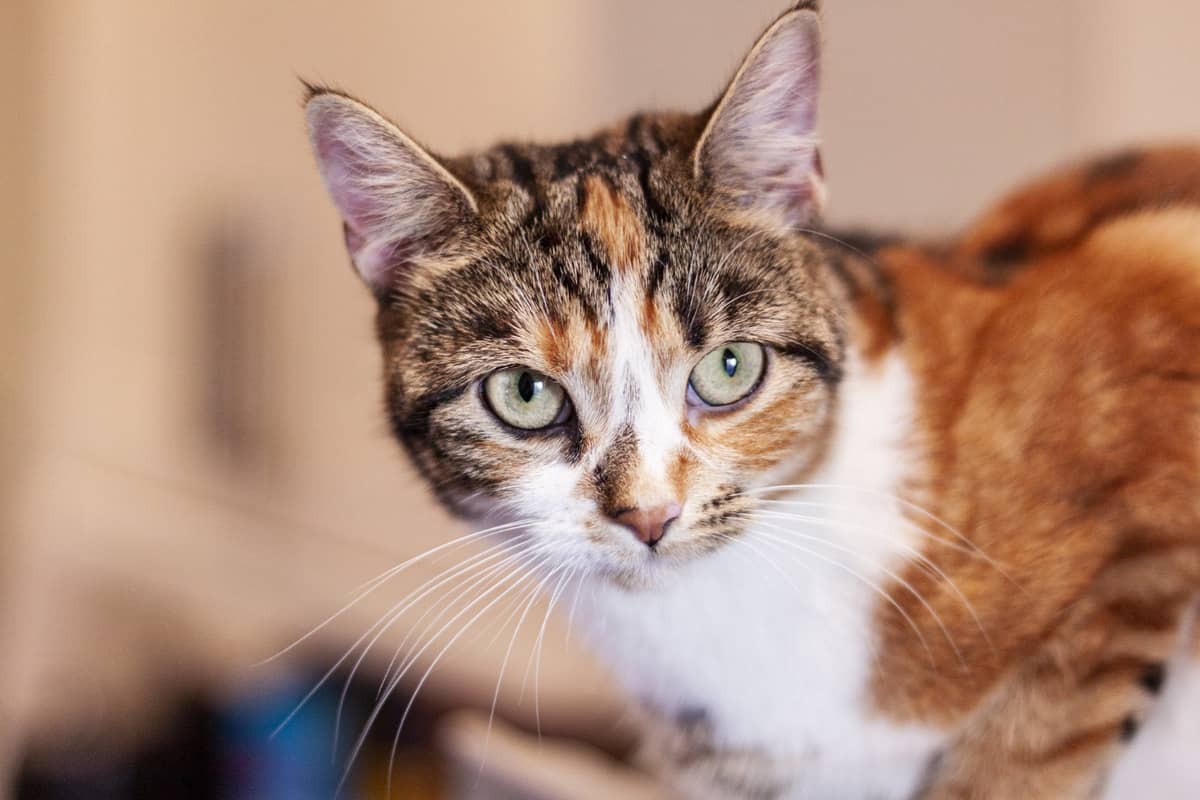
Pyometra is generally more common in female cats aged 6 and over. In unspayed female cats, the risk of this disease increases with age. Cats that experience frequent heat cycles and have never mated may be more susceptible to this disease. If a cat has gone through several heat cycles and has not yet been spayed or neutered, it is at risk of pyometra.

How to Prevent Pyometra in Cats?
The most effective way to prevent pyometra is to spay or neuter cats. Spaying or neutering eliminates the risk of pyometra by removing the uterus and ovaries. It is especially important not to delay spaying or neutering in cats older than 6 months and those entering their heat cycle. Avoiding the use of hormone-based medications and having regular veterinary checkups are also among the preventive measures.

Frequently Asked Questions About Pyometra in Cats
You can find answers to frequently asked questions about pyometra that cat owners often wonder about in this section.
Can pyometra in cats be treated with antibiotics?
Yes, if pyometra is in the early stages, it may be possible to treat it with medication. This treatment method does not always provide a definitive solution and the risk of infection recurrence is high. Surgical intervention may be preferred to fully preserve the cat's health.
Can pyometra cause death in cats?
Unfortunately, yes. If pyometra is left untreated, the infection can spread rapidly and the cat may develop sepsis (blood poisoning). This can be fatal. Early diagnosis and treatment are life-saving.
What should be done for a cat diagnosed with pyometra?
If your cat has been diagnosed with pyometra, you should start the treatment plan recommended by your veterinarian as soon as possible. Surgery is usually the most appropriate solution. If left untreated, the disease can progress rapidly.
How much does pyometra surgery cost?
Pyometra treatment can vary depending on the veterinary clinic and your cat's condition. Medication may be more economical, but it doesn't always offer an effective solution.
Advertisement
Advertisement
Keep exploring
Continue reading

Cat Health
Why Do Cats Get Thinner as They Age? Symptoms and Treatment
When stroking an aging cat's back, the spine or hip bones may feel more prominent than before, which is the first change most cat owners notice.
Read guide →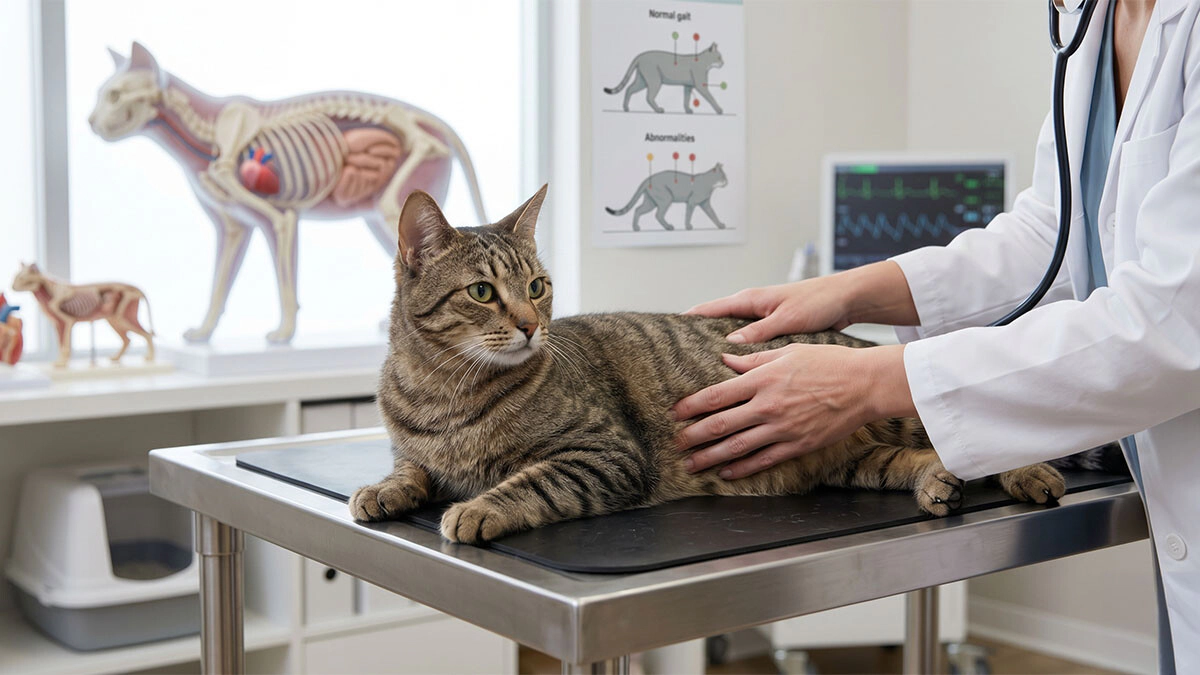
Cat Health
Cat Anatomy and Organs: Body Structure, Health Signs and Relationship with Diseases
A slight change in posture, a slight limp in gait, or a difference in litter box habits in cats can give clues about their body systems.
Read guide →
Cat Health
How to Acclimate Cats to Carrier Bags?
Does your cat hide, hiss, or resist with all its might the moment it sees the carrier? This reaction is described as carrier phobia in most homes…
Read guide →
Cat Health
What Should Be Considered After Vaccination in Cats?
Following your cat's vaccination schedule for health and a long life is one of the most critical decisions you will make as a pet owner.
Read guide →