What Should Your Cat's Food Bowl Be Like? What Should Be Considered When Choosing It?
Choosing the right and highest quality food isn't enough for your cat's healthy diet. Choosing the right food bowl is a crucial factor that directly affects your cat's eating habits and comfort. What should the best food bowl for your cat be like?
Advertisement
Choosing the right and highest quality food isn't enough for your cat's healthy diet. Choosing the right food bowl is a crucial factor that directly affects your cat's eating habits and comfort. What should the best food bowl for your cat be like? Which materials and designs are healthier for your cat? In this article, you can find information about important factors to consider when choosing the most suitable food bowl for your furry friend.
The Importance of Choosing the Right Food Bowl for Your Cat
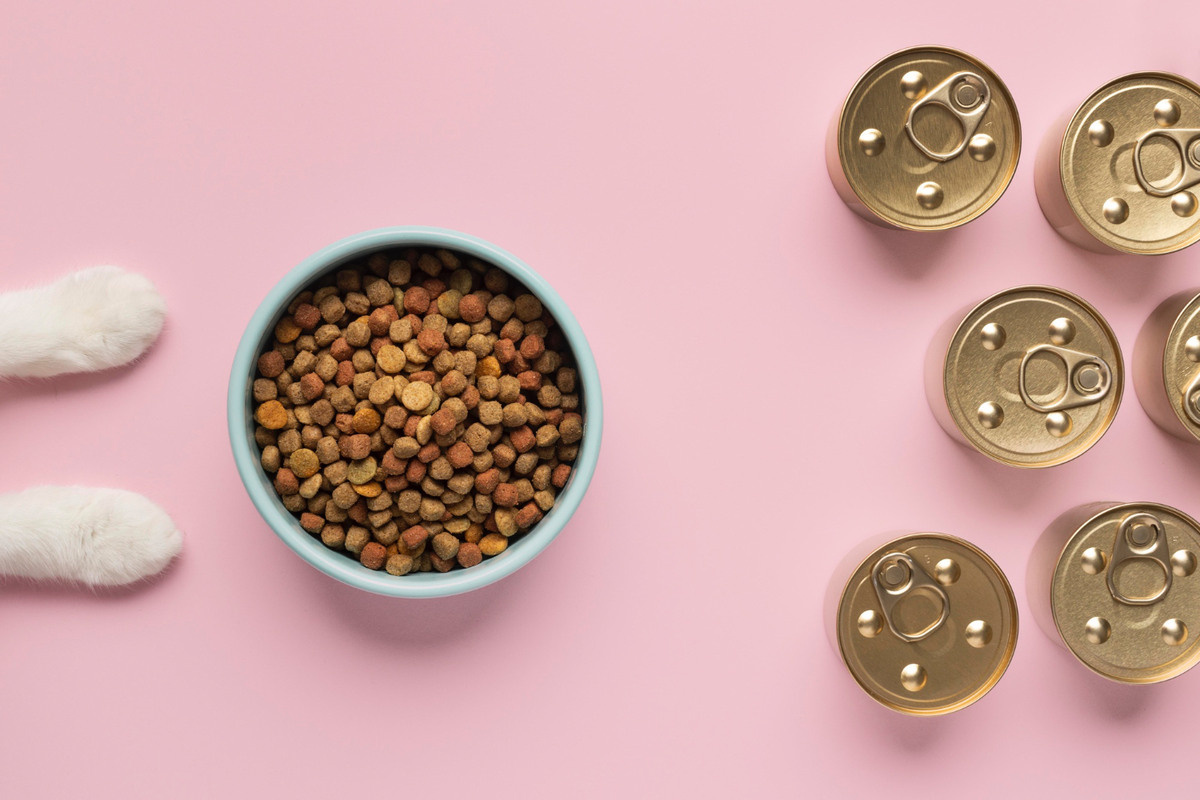
The structure, shape, and material of the food bowl are of great importance for your cat's healthy eating. A proper food bowl allows your cat to eat comfortably while preventing situations that could negatively affect its health. An incorrectly chosen food bowl, on the other hand, can disrupt your cat's eating habits, cause stress, and lead to hygiene problems. Therefore, knowing the basic points to consider when choosing a food bowl is an important part of protecting your cat's health.
Cats' Feeding Habits and the Role of the Food Bowl
Cats are very sensitive creatures when it comes to eating. Feeding habits, instincts, and physical characteristics are among the determining factors in choosing a food bowl. For example, some cats are more comfortable eating from wide and shallow bowls, while others may prefer deeper bowls. For most cats, wide and shallow food bowls, which prevent whisker stress, offer a more comfortable feeding experience. The material of the food bowl also directly affects the feeding process. A hygienic, non-slip, and durable food bowl can help prevent negative behaviors such as your cat refusing to eat or trying to tip over the food bowl. Possible Negative Effects of Choosing the Wrong Food Bowl Using the wrong food bowl can negatively affect your cat's feeding process and lead to long-term health problems. Here are some negative effects to consider:
The material of the food bowl also directly affects the feeding process. A hygienic, non-slip, and durable food bowl can help prevent negative behaviors such as your cat refusing to eat or trying to tip over the food bowl.
Possible Negative Effects of Choosing the Wrong Food Bowl
Using the wrong food bowl can negatively affect your cat's feeding process and lead to long-term health problems. Here are some negative effects to consider:
Whisker Stress: Cats' whiskers are sensitive enough to detect even the smallest changes in their environment. Narrow and deep food bowls can put pressure on the whiskers, causing your cat discomfort while eating. This can lead to the cat not eating enough or spilling food outside the bowl.
Allergic Reactions: Plastic food bowls can become scratched over time, leading to bacterial buildup and causing skin irritation in some cats. Chemicals from plastic materials can also cause allergic reactions in some cats.
Bacterial Accumulation: Food bowls that are easily scratched or difficult to clean pose a risk of bacterial growth. When your cat comes into contact with these microbes, it may experience digestive problems or oral health issues. Plastic and low-quality ceramic bowls are particularly prone to bacterial growth.
Feeding Problems: Your cat refusing its food bowl can lead to avoidance of eating and, in the long term, serious health problems such as weight loss or nutritional deficiencies. If your cat is trying to knock over the food bowl or spilling food outside of it, this may indicate that the food bowl is not suitable for it. For more detailed information on food refusal in cats, you can check out our blog post titled "My Cat Doesn't Eat Dry Food, What Should I Do?".
By choosing the right food bowl, you can ensure your cat has a healthy and comfortable feeding experience. Let's take a closer look at the factors to consider when choosing the ideal food bowl.
Factors to Consider When Choosing a Food Bowl

When choosing the most suitable food bowl for your cat, you need to consider many factors, not only aesthetics and price, but also health and comfort. The material used, the size, shape, and design of the food bowl can directly affect your cat's eating habits. A wrong choice can cause your cat to refuse to eat or experience health problems.
The key points to consider when choosing the ideal food bowl for your cat are as follows:
Material Selection
The material from which the food bowl is made is of great importance in terms of both hygiene and your cat's health. Some materials carry the risk of producing bacteria, while others are more hygienic and durable. Here are the most common food bowl materials and their advantages and disadvantages:
Advantages and Disadvantages of Plastic Food Bowls
When choosing a plastic food bowl, you should always choose reliable sellers. For the health of our furry friends, plastic food bowls made from materials suitable for contact with food and that will not harm animal health should be purchased.
-
They are lightweight and affordable.
-
Various color and design options are available.
-
They can cause bacterial accumulation because they are easily scratched.
-
Plastic material may cause allergic reactions in some cats.
-
They can retain odors over time and create hygiene problems.
Advantages and Disadvantages of Ceramic Feeding Bowls
Ceramic feeding bowls are a good choice due to their hygienic and heavy structure, but high-quality and certified ceramic products should be preferred.
-
Because they are non-slip and heavy, the likelihood of them tipping over is low.
-
They are easy to clean and hygienic.
-
They do not produce bacteria and are a healthy alternative.
-
Because they are fragile, they are not resistant to falls.
-
The glaze material used in low-quality ceramics may contain harmful chemicals.
Advantages and Disadvantages of Stainless Steel Food Bowls Stainless steel food bowls are one of the best options in terms of hygiene, durability, and easy cleaning. They can be an ideal choice to protect your cat's health.
-
The most hygienic and durable option.
-
Scratch-resistant, does not produce bacteria.
-
Easy to clean and dishwasher safe.
-
Easy to carry because it is lightweight.
-
Very lightweight models may slide or tip over, so models with non-slip bases should be preferred.
Boyut ve Derinlik
The size and depth of the food bowl should be appropriate for your cat's physical characteristics. Bowls that are too small or too large can cause your cat to have difficulty eating.
Small and shallow food bowls are ideal for kittens. Large bowls can make it difficult for kittens to reach. Adult cats should use a wide and comfortable food bowl. Larger food bowls are necessary for larger breeds such as Maine Coon and Norwegian Forest Cat.
Shallow food bowls allow your cat to eat comfortably and prevent whisker stress. Deep food bowls prevent food from spilling but can cause your cat's whiskers to constantly come into contact with the food. This can be uncomfortable for some cats. Wide and shallow food bowls are especially recommended for cats experiencing whisker stress.
Shape and Design
The design of the food bowl can directly affect your cat's eating experience. The choice should be made taking into account your cat's whisker sensitivity, eating style, and physical structure.
Advantages of wide and shallow food bowls in feeding:
-
Allows your cat to eat comfortably without its whiskers rubbing against the food bowl.
-
Reduces stress, making the feeding process more comfortable for your cat.
-
Makes the eating process more natural and facilitates digestion.
Cats, especially those experiencing whisker stress, hesitate when approaching their food bowl, try to spill food outside the bowl, or only try to eat from the edges. If your cat exhibits this type of behavior, you may prefer a wider and shallower food bowl.
Non-Slip and Stable Food Bowls
Some cats may tend to move their food bowl while eating. Lightweight and slippery food bowls can cause food to spill or make the cat uncomfortable during feeding.
Advantages of non-slip and/or heavy food bowls:
-
Prevents the bowl from sliding while eating.
-
Ensures your cat eats on a more stable surface.
-
It makes the mealtime more comfortable by preventing the food bowl from moving.
-
Non-slip base models help keep lightweight food bowls stable.
-
Because plastic bowls are lightweight, they can cause your cat to push or flip the food bowl.
If your cat frequently knocks over or slides the food bowl, choosing a heavy, non-slip base food bowl will be the best solution.
Food Bowl Cleaning and Maintenance

For your cat's healthy feeding, the cleanliness of the food bowl is just as important as its selection. Over time, bacteria, mold, and bad odors can develop in the food bowl. Food bowls that are not cleaned regularly can negatively affect your cat's digestive system and lead to oral health problems.
How Often Should Food Bowls Be Cleaned?
The frequency of cleaning food bowls may vary depending on the type of food used and your cat's feeding habits.
-
Dry food bowls should be washed at least once a day. Dust, saliva, and food residue that accumulate in the food bowl can cause bacterial growth.
-
BOWLS used for cats that eat wet food or raw food should be washed after each meal. Wet food and raw food produce bacteria much faster than dry food.
-
Water bowls should also be cleaned at least once a day. Especially in hot weather, the formation of bacteria and algae in the water can accelerate.
Some cats may rummage through the inside of their water bowl with their paws or drop food particles inside. In such cases, the water bowl may need to be cleaned more frequently.
How to Properly Clean Your Cat's Food Bowl?
When cleaning your cat's food bowl, you should choose cleaning methods that do not leave chemical residue and will not risk your cat's health.
-
Rinse the food bowl under running water after each use. Food residue can stick to the surface of the bowl and cause bacteria to multiply over time.
-
Deeply clean the food bowl once a week. Scrub the surface of the bowl thoroughly using vinegar or natural cleaners.
-
Use unscented and natural cleaning products. Strong chemical or perfumed detergents can irritate your cat's sensitive sense of smell and alter the food's odor, leading to loss of appetite. Rinse thoroughly. No detergent or cleaner residue should remain in the food bowl. Chemical residue can negatively affect your cat's health. Disinfect the food bowl regularly. Monthly, you can disinfect the food bowls with a mixture of apple cider vinegar and water. Vinegar provides hygiene without using chemicals as it is a natural antibacterial agent. Things to Consider When Cleaning Food Bowls Stainless steel and high-quality ceramic food bowls are generally suitable for washing in a dishwasher. Washing at high temperatures in the dishwasher helps prevent bacterial growth.
-
Rinse thoroughly. No detergent or cleaner residue should remain in the food bowl. Chemical residues can negatively affect your cat's health.
-
Disinfect the food bowl regularly. Monthly, you can disinfect the food bowls with a mixture of apple cider vinegar and water. Vinegar provides hygiene without using chemicals as it is a natural antibacterial agent.
Things to Consider When Cleaning Food Bowls
-
Stainless steel and high-quality ceramic food bowls are generally suitable for washing in a dishwasher. Washing at high temperatures in the dishwasher helps prevent bacterial growth.
-
Plastic food bowls may not be suitable for washing in a dishwasher. Due to high heat, the surface of the plastic bowl may be damaged and cracks may form. These cracks create areas where bacteria can settle. If you are washing them in a dishwasher, you should use fragrance-free and cat-safe detergents.
-
Do not use harsh chemicals, bleach, or cleaners containing ammonia. These substances can threaten your cat's health and leave residue in the food bowl.
-
Do not use plastic bowls for too long. Plastic bowls will scratch over time, and bacteria can accumulate in these scratches.
-
Change your sponge or cleaning cloth frequently. If you use the same sponge for a long time, you may unknowingly transfer more bacteria to the food bowl.
Why is Cleaning Your Cat's Food Bowl Important?
A dirty food bowl can cause bad odors and pose serious risks to your cat's health. Food bowls that are not cleaned regularly can lead to:
-
Especially if you use wet food, the food bowl quickly becomes a breeding ground for bacteria and mold.
-
Your cat eating from an unhygienic bowl can lead to stomach upset and intestinal infections.
-
Bacteria that can cause plaque and tartar formation can negatively affect your cat's dental health.
Choosing a Food Bowl for Special Situations
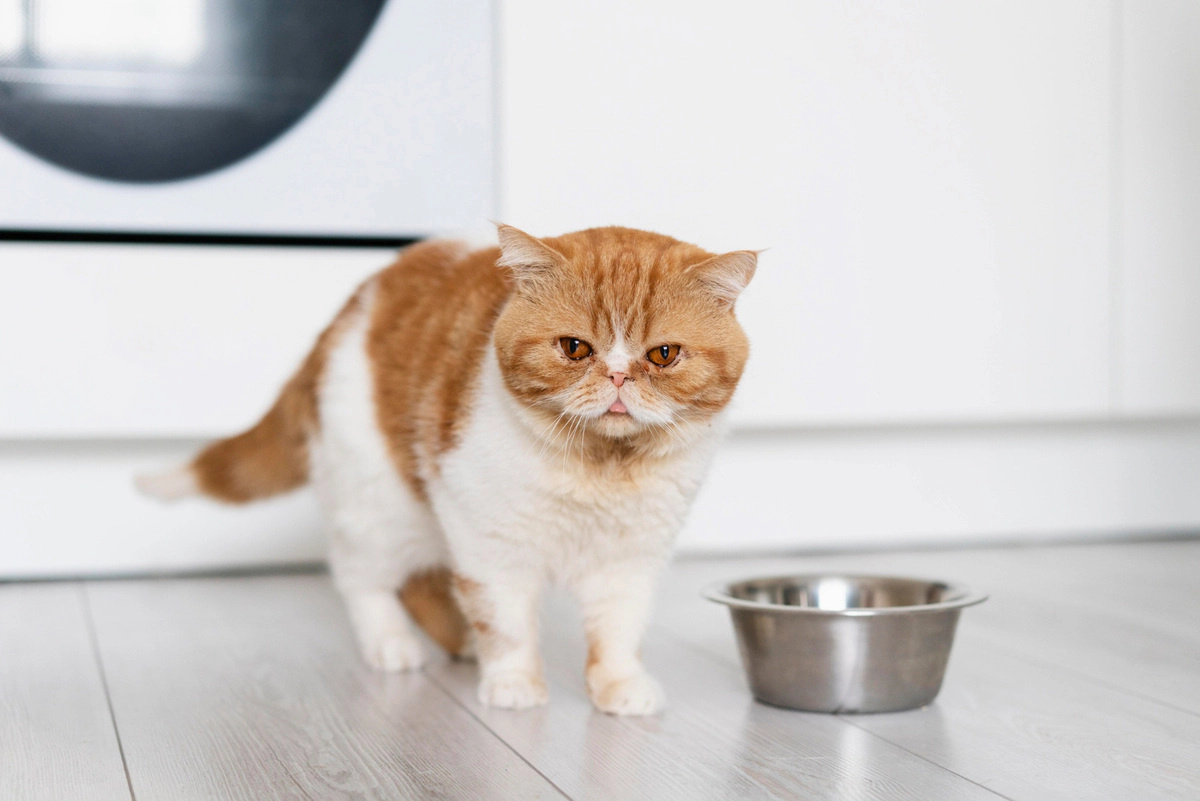
Not every cat can comfortably eat from the same food bowl. It is important to choose a food bowl that will meet your cat's specific needs, depending on its age, health condition, or relationship with other cats in the house. There are some important points to consider when choosing a food bowl for kittens, senior cats, or in homes with more than one cat. Things to consider when choosing the most suitable food bowls for different situations:
Suitable Food Bowls for Kittens
Because kittens are more delicate and smaller than adult cats, standard food bowls may not be suitable for them. The size and shape of the food bowl should be specially chosen so that they can feed comfortably.
-
Small and low food bowls should be preferred. High-sided or deep bowls can make it difficult for kittens to eat. Non-slip bowls should be used. It is important to choose a bowl that stays stable, as kittens may slide the food bowl while eating. Wide and shallow food bowls allow kittens to feed comfortably and prevent their noses and whiskers from rubbing against the food bowl during meals. Choosing a suitable food bowl for kittens helps them establish a healthy feeding routine and makes eating easier. Choosing a Food Bowl for Elderly and Sick Cats Elderly and sick cats may have joint problems, tooth sensitivity, or limited mobility. Therefore, the design of the food bowl should be suitable for their needs.
-
Non-slip bowls should be used. Since kittens may slide the food bowl while eating, it is important to choose a bowl that stays stable.
-
Wide and shallow food bowls allow kittens to feed comfortably and prevent their noses and whiskers from rubbing against the food bowl during mealtime.
Choosing a suitable food bowl for kittens helps them establish a healthy feeding routine and makes eating easier.
Choosing a Food Bowl for Senior and Sick Cats
Senior and sick cats may have joint problems, tooth sensitivity, or limited mobility. Therefore, the design of the food bowl should suit their needs.
-
Elevated food bowls should be preferred. Using food bowls close to the ground can be uncomfortable for older cats due to common joint pain and arthritis. Bowls that are slightly elevated prevent the cat from bending over, reducing the load on their neck and spine.
-
Wide and easily accessible food bowls should be used. Some older cats may have difficulty eating from deep bowls.
-
Non-slip bowls help your cat feed more comfortably as they don't move around while eating.
-
Soft-edged bowls should be preferred. For cats with tooth sensitivity or tooth loss, it is important that the food bowl does not have hard edges.
Food bowls specially designed for older and sick cats ensure they feed comfortably and support their health.
Using and Choosing Food Bowls in Multi-Cat Homes
In homes with more than one cat, the use of food bowls can directly affect the relationship between cats. Cats are territorial animals by nature, and some may be uncomfortable eating from the same bowl.
-
A separate food bowl should be provided for each cat. Cats prefer individual feeding areas. Eating from the same bowl can cause stress, competition, and even aggression.
-
Food bowls should be placed far apart from each other. Placing food bowls too close together can cause cats to feel uncomfortable while eating. A special feeding area should be created for each cat.
-
Different types of food bowls can be used. Some cats may prefer wide and shallow food bowls, while others may prefer deeper and larger bowls. Each cat should be comfortable with the chosen food bowl. Automatic food dispensers are preferable. If you have more than one cat at home and want to keep feeding times regular, automatic food dispensers can be a good option for adjusting individual portions. In multi-cat households, choosing the right food bowl reduces feeding stress among cats and helps create a healthier feeding routine. Automatic Food Dispensers and Smart Solutions Modern technology offers many innovations to help you make your cat's feeding routine healthier and more regular. Automatic and smart food dispensers provide great convenience, especially for cat owners who lead busy lives or have difficulty feeding at specific times. These dispensers can help you track your cat's feeding times and control portion sizes. Here's what you need to know about automatic food dispensers and smart solutions:
-
Automatic food dispensers are preferable. If you have more than one cat at home and want to keep feeding times regular, automatic food dispensers can be a good option for setting individual portions.
In multi-cat households, choosing the right food bowl reduces feeding stress among cats and helps create a healthier feeding pattern.
Automatic Feeding Dispensers and Smart Solutions

Modern technology offers many innovations to help you make your cat's feeding routine healthier and more regular. Automatic and smart feeding dispensers provide great convenience, especially for cat owners who lead busy lives or have difficulty feeding at specific times. These dispensers can help you track your cat's feeding times and control portion sizes. Here's what you need to know about automatic feeding dispensers and smart solutions:
Advantages and Disadvantages of Automatic Food Dispensers
Automatic food dispensers help you establish and maintain a feeding schedule by providing your cat with food at set times. As with any technological solution, these systems have both advantages and disadvantages.
Avantajlar:
-
It establishes regular feeding habits. Ideal for people who forget to feed at specific times or have an irregular schedule.
-
It helps your cat maintain its ideal weight by preventing overeating.
-
Airtight models prevent food from becoming stale and spoiled, ensuring your cat always has access to fresh food.
-
Ideal for working cat owners. Ensures your cat is regularly fed while at work or traveling.
-
Some models are also suitable for wet food. Models with a special cooling system can keep wet food fresh for longer.
Disadvantages:
-
Electric models may malfunction. If they suddenly break down or there is a power outage, your cat may not be able to get food.
-
Some cats may have difficulty adjusting. Your cat may be reluctant to start eating from an automatic food dispenser.
-
Some models may experience food blockages. Especially large kibbles can get stuck in the devices and cause the device to stop working.
-
Their prices are higher than manual food dispensers. Due to their technological features, they may be more expensive than standard food dispensers.
While automatic food dispensers provide great convenience to cat owners, it is important to evaluate whether they are suitable for each cat's needs.
Smart Food Dispensers: The Impact of Technology on Your Cat's Nutrition
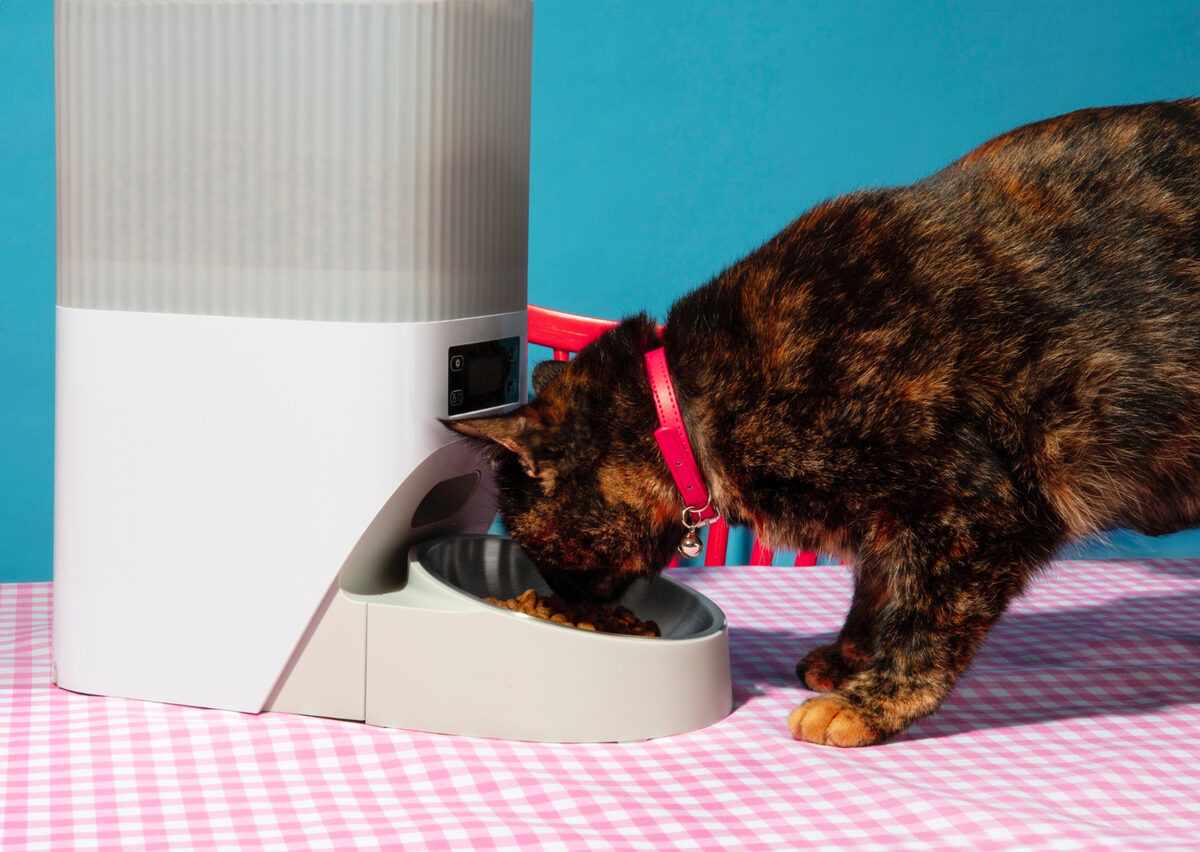
As technology advances, smart food dispensers have also become popular. These devices can track your cat's food consumption, control portions, and even offer the possibility of feeding remotely.
Highlighted Features of Smart Food Bowls
-
Remotely controllable via Wi-Fi or Bluetooth connection. You can feed your cat or schedule feedings whenever you want thanks to mobile applications.
-
Models with cameras allow you to monitor your cat's feeding times. You can track when and how your cat eats while you are at work.
-
You can interact with your cat using voice commands. Some models can record voice commands to help your cat get used to the food bowl.
-
Can track weight and feeding. It helps with ideal weight control by recording your cat's eating frequency and portion sizes.
Automatic and smart food bowls offer perfect solutions for cat owners who want to keep up with the pace of modern life. Since every cat has different needs, it is important to consider your cat's feeding habits before choosing this type of food bowl.
Frequently Asked Questions About Choosing a Food Bowl for Cats
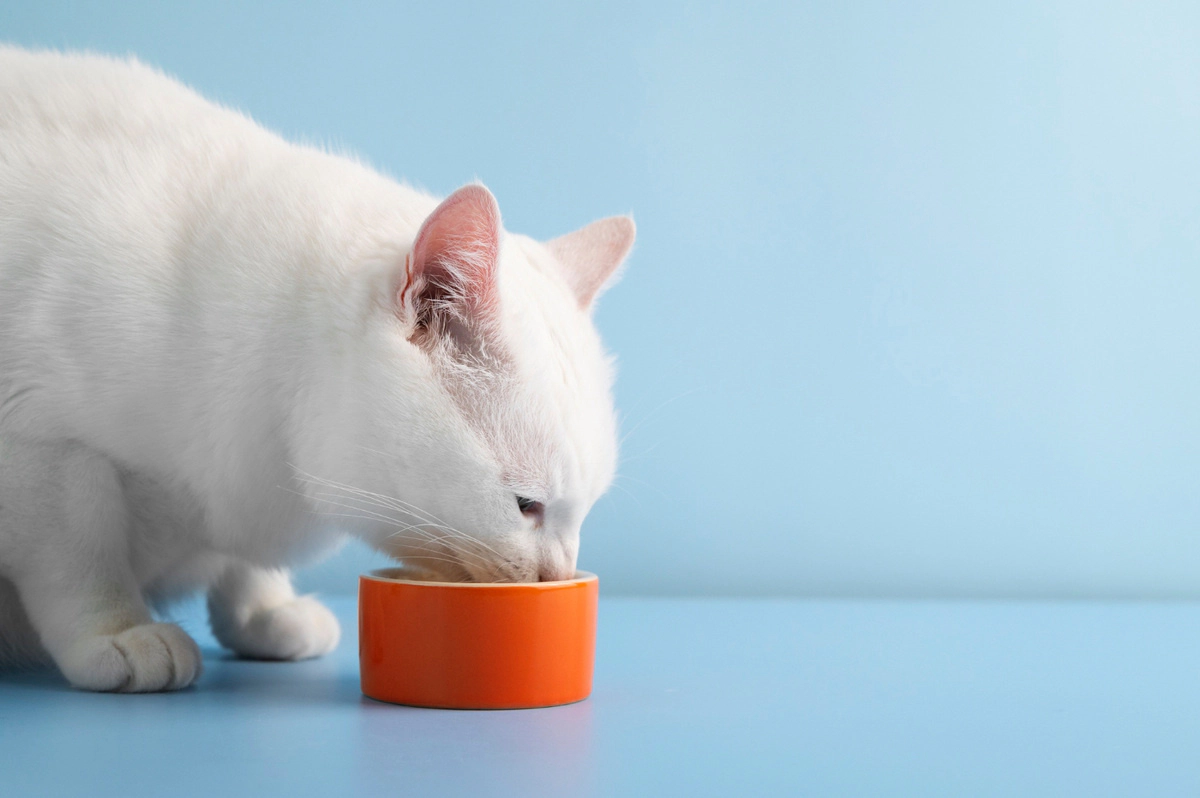
Below you can find answers to some frequently asked questions about choosing and using your cat's food bowl. We have addressed the most frequently asked questions about cleaning the food bowl, material selection, usage habits, and feeding schedule in detail.
How often should I clean the food bowl?
The frequency of cleaning the food bowl depends on the type of food used:
-
Dry food bowls should be washed at least once a day.
-
Waist or raw food bowls must be cleaned after each meal.
-
Water bowls should be cleaned and changed with fresh water at least once a day.
Using unscented and natural cleaners during cleaning ensures that your cat's sensitive sense of smell is not disturbed.
Why is my cat trying to knock over its food bowl?
There could be several reasons why your cat knocks over its food bowl:
-
It may not like its food bowl. Narrow and deep bowls that cause whisker stress can make your cat uncomfortable.
-
It may enjoy playing with its food. Some cats may see eating as a game and knock over their food bowl with their paws.
-
Slippery or lightweight food bowls may not stay in place. Choosing a heavy food bowl with a non-slip base can solve this problem.
-
It may not like the location of the food bowl. If your cat is not happy with the location of the food bowl or if the environment is too noisy, it may try to move the bowl.
If your cat constantly knocks over its food bowl, choosing a more stable and wider-based bowl may help solve the problem.
What kind of food bowl should a cat have?
The healthiest food bowl is one that is wide, shallow, and hygienic, and suitable for your cat's needs.
-
Stainless steel or ceramic bowls are the best options in terms of hygiene.
-
Wide and shallow designs prevent whisker stress, allowing your cat to eat more comfortably.
-
Non-slip or heavy bowls prevent the food bowl from sliding and tipping over, providing a comfortable feeding experience.
If your cat seems restless while eating or frequently tries to knock over its food bowl, it might be helpful to try a different design.
Should your cat's food bowl always be full?
No, free feeding is not suitable for every cat. Leaving your cat's food bowl full all the time can lead to the following problems:
-
Kediler kendilerini kontrol etmekte zorlanabilir ve fazla kilo alabilirler.
-
Food left out for a long time can become stale and lose its nutritional value.
-
Irregular feeding habits may develop: If your cat's meal times are not consistent, its feeding pattern may be disrupted.
Instead, portion-controlled feeding is recommended. For adult cats, a feeding schedule of 2-3 meals a day is recommended, while for kittens, 4-6 meals a day is recommended.
How high should a cat's food bowl be?
The ideal food bowl height for your cat should be at or slightly below chest level. While it varies depending on your cat's size, a food bowl with a height of 10-15 cm is generally ideal for most adult cats. For smaller cats or kittens, this height can be kept slightly lower. Measuring your cat's chest height when placing the food bowl will help you determine the most accurate position.
Why should a cat's food bowl be high?
Elevated food bowls offer many advantages, especially for older cats and those with joint problems:
-
They prevent the cat from bending over too much, making it more comfortable to eat. They reduce neck and joint pain.
-
They help the cat sit more upright while eating, reducing pressure on the stomach and lowering the risk of vomiting. They support the digestive system.
-
High-based food bowls reduce food spillage and help keep the environment clean.
Elevated food bowls are particularly beneficial for cats with arthritis or older cats, and are also recommended for cats with sensitive stomachs.
Kaynaklar:
https://www.thesprucepets.com/best-cat-bowls-8399598
https://www.purina.com/articles/cat/feeding/guides/best-cat-bowl
https://apollofluffycat.com/en/how-to-choose-a-bowl-for-your-cat/
https://www.wayofcats.com/blog/cats-and-bowls-and-cups/6160
https://www.petmd.com/cat/nutrition/evr_ct_best_feeding_method
Advertisement
Advertisement
Keep exploring
Continue reading

Cat Nutrition
The Importance of Fiber in Cat Food: Its Role in Digestion, Hairballs, and Weight Control
Most people just glance at the "crude cellulose" line in the analysis table on the cat food packaging.
Read guide →
Cat Nutrition
The Importance of Wet Food Consumption in Cats During Summer
When temperatures rise, cats, just like us, may have difficulty maintaining their fluid balance.
Read guide →
Cat Nutrition
Mineral Balance in Dry Cat Foods: The Role of Calcium and Phosphorus
The suitability of cat food for a cat in the long term is not determined solely by protein, fat, or calories.
Read guide →
Cat Nutrition
Essential Cat Food Ingredient Terms for Cat Owners
If you are a cat parent with at least one cat eagerly awaiting your return and nourished by your love in addition to the food you provide, this…
Read guide →