What to Do for Wound Care in Cats
Cats, whether active or calm, are curious creatures who are likely to get injured at some point in their lives. Small cuts, scrapes, or sprains are common occurrences for cat owners. One of the things that scares cat owners is when cats lick their wounds.
Advertisement
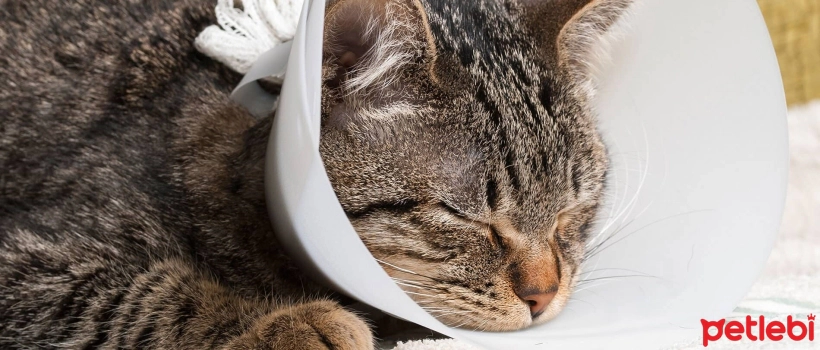
Cats, whether active or calm, are curious creatures who are likely to get injured at some point in their lives. Small cuts, scrapes, or sprains are common occurrences for cat owners. One of the things that scares cat owners is when cats lick their wounds. The question "What happens if a cat licks its wound?" is one of the most frequently asked questions by cat owners. Following simple first aid rules usually works to treat everyday injuries in cats and ensure a quick recovery. Cats usually lick their wounds to help them heal or to relieve discomfort. In some cases, this behavior can have negative effects on the sensitive wound area. Therefore, following simple rules will help it heal more easily.

Things to Consider in Wound Care
Different types of wounds require different approaches. First, it is extremely important to understand the cat's condition. First, check for bleeding, swelling, hair loss, cuts, tenderness, or pain at the site of the injury. If the wound is not noticed quickly, it can become infected over time. In case of infection, symptoms include swelling and tenderness, as well as discharge from the wound, abscess, and fever.
Caring for Wounds That Need to Remain Open
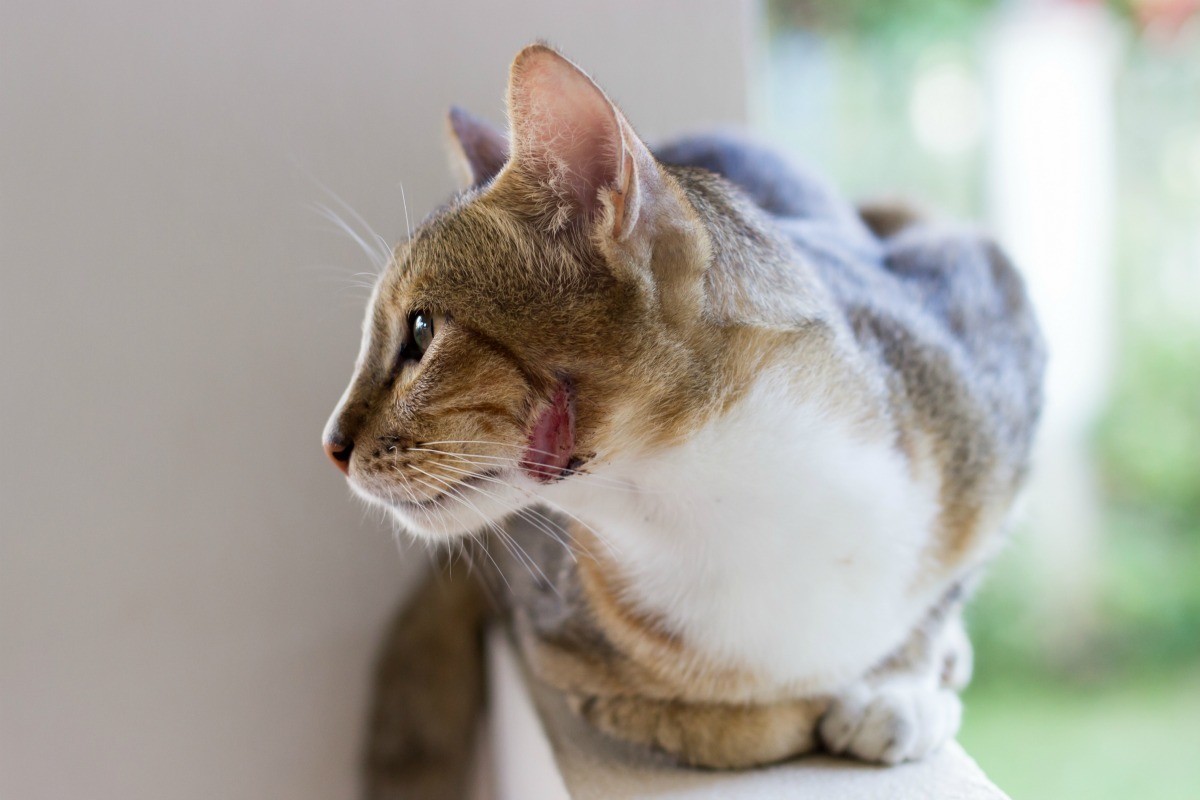
“My cat's wound isn't healing?” If you're asking yourself this question, you're most likely trying to heal the wound incorrectly. In some cases, surgical closure or bandaging of the wound is not possible due to damage to the area or skin. In injuries that penetrate deep into the body, such as those caused by sharp objects, bacteria can also penetrate deep into the tissues. Deep wounds lasting several hours should not be closed without surgical cleaning. Otherwise, bacterial infection can lead to permanent damage. Wounds infected with bacteria usually contain small foreign objects or hair, typically the size of grains of sand. Larger foreign objects may require removal under anesthesia. Generally, the wound is cleaned and then sutured closed at the veterinary clinic. However, if the wound is heavily contaminated or infected due to excessive exposure to the external environment, it may need to be left open. This allows for regular cleaning of the wound and drainage of any fluid accumulation. For open wounds, a collar may be necessary to prevent the cat from interfering with the wound during the healing process. You can view different sizes of collars by clicking here.
One of the questions that comes to mind when a wound is left open is, "What should be applied to cat wounds?" Open wounds need to be cleaned and disinfected regularly. Antibiotic creams are usually used to completely eliminate the presence of infection in the area. The method and frequency of use of this cream are determined by the veterinarian. The answer to the question, "How is open wound treatment done in cats?" is actually similar to open wound treatment in humans. Regular cleaning of the area and the use of medications with special ingredients are necessary for healing.
Wound Healing Process
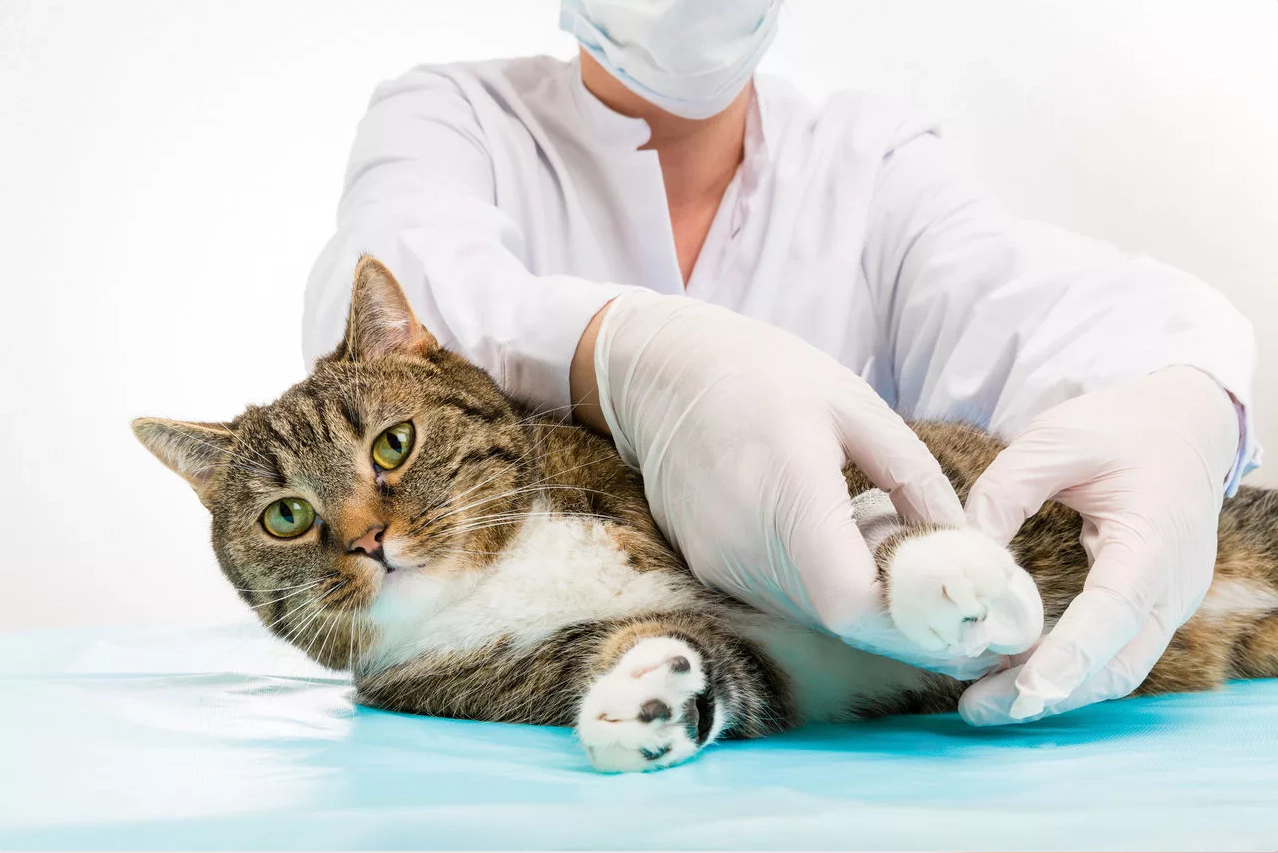
There is no single answer to the question, "When do wounds heal in cats?" Open wounds take longer to heal than closed wounds. Similarly, open wounds need to be approached more carefully. The care of an open wound is explained in detail by the veterinarian. Usually, cleaning the wound with a warm antiseptic solution 2-3 times a day is sufficient. It is important to ensure the edges of the wound are clean. If fluid accumulates, it should be drained. Absolutely do not use soap, shampoo, alcohol, hydrogen peroxide, or herbal extracts – products whose ingredients have not been recommended by a veterinarian – when cleaning and healing wounds. Using the methods and products recommended by your veterinarian is sufficient for cleaning. With proper care, both infected and open wounds in cats can heal quickly.
Advertisement
Advertisement
Keep exploring
Continue reading

Cat Care
Is My Cat Coughing or Trying to Pass a Hairball?
Seeing your cat crouch down, stretching its neck, and trying to expel something with a strange sound can be unsettling.
Read guide →
Cat Care
York Chocolate Cat Characteristics, Care and Temperament
With its dark brown fur, watchful eyes, and observant demeanor, the York Chocolate is a cat that sparks curiosity at first sight.
Read guide →
Cat Care
Tiffanie Cat Characteristics, Care and Temperament
Silky fur, on its neck With its frilly mane and large, curious eyes, the Tiffanie cat immediately catches the eye.
Read guide →
Cat Care
Snowshoe Cat Characteristics, Character and Care
The Snowshoe cat is a unique breed developed by the controlled mating of Siamese cats and American Shorthair cats.
Read guide →