When Does a Budgie Lay Eggs? Reproduction and Egg Laying in Budgies
Budgies, with their lively and energetic nature, are among the most suitable bird species for keeping at home. The breeding and egg-laying processes of our winged friends contain important information that every budgie owner should know.

Advertisement
Budgies, with their lively and energetic nature, are among the most suitable bird species for keeping at home. The breeding and egg-laying processes of our winged friends contain important information that every budgie owner should know. Understanding when and how budgies lay eggs is critical both for protecting their health and for ensuring that the chicks are born healthy. In this article, you can find all the details about the breeding process of budgies and what should be considered during this process.
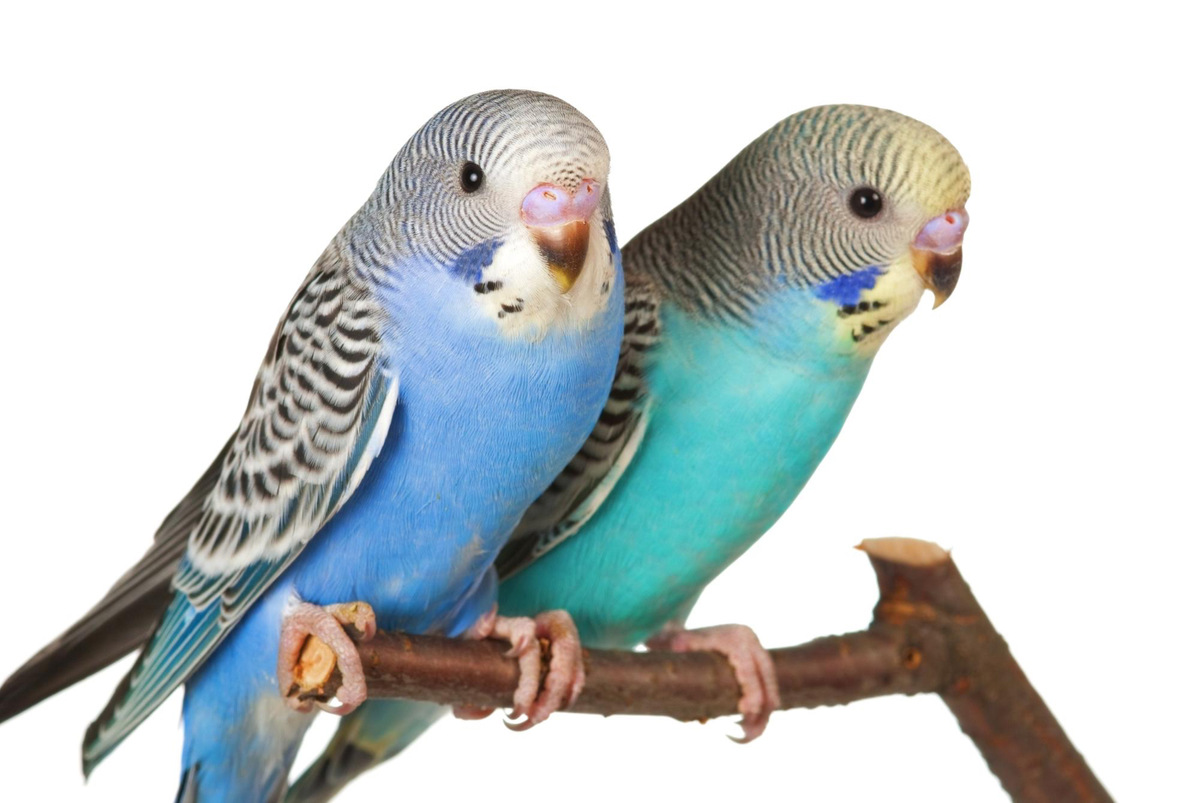
Breeding Process in Budgies
The breeding process of budgies varies depending on environmental conditions and the general health of the birds. In their natural environment, the breeding season is generally spring and summer months. In a home environment, this cycle can occur at any time of the year, depending on the light and temperature conditions of the environment in which the birds live. When suitable mating conditions are provided, the female bird usually begins laying eggs within a few days.
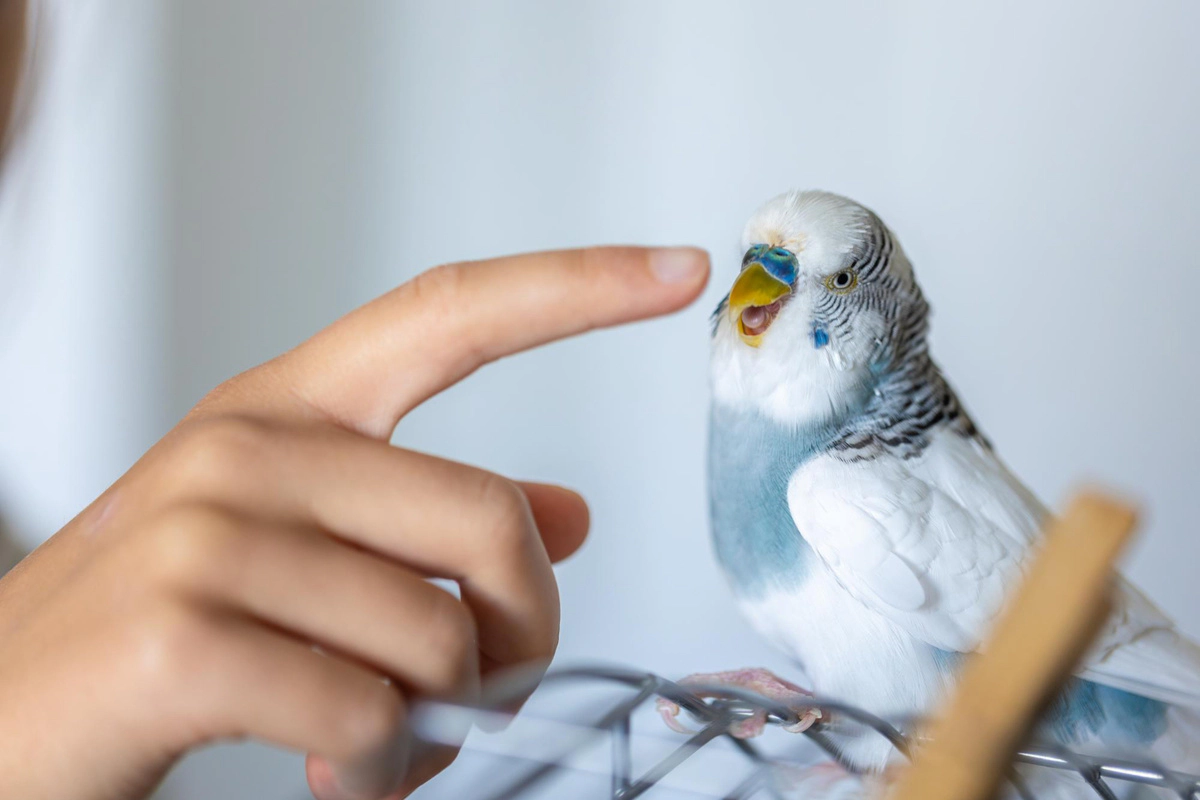
How Does Mating Occur in Budgies?
The mating process begins with courtship behaviors initiated by the male budgie to impress the female. The male bird displays behaviors such as chirping, head bobbing, and puffing up its feathers to impress the female. If the female bird responds positively to these behaviors, mating occurs shortly afterward. After successful mating, ideal conditions must be provided for the female bird to begin the egg-laying process.
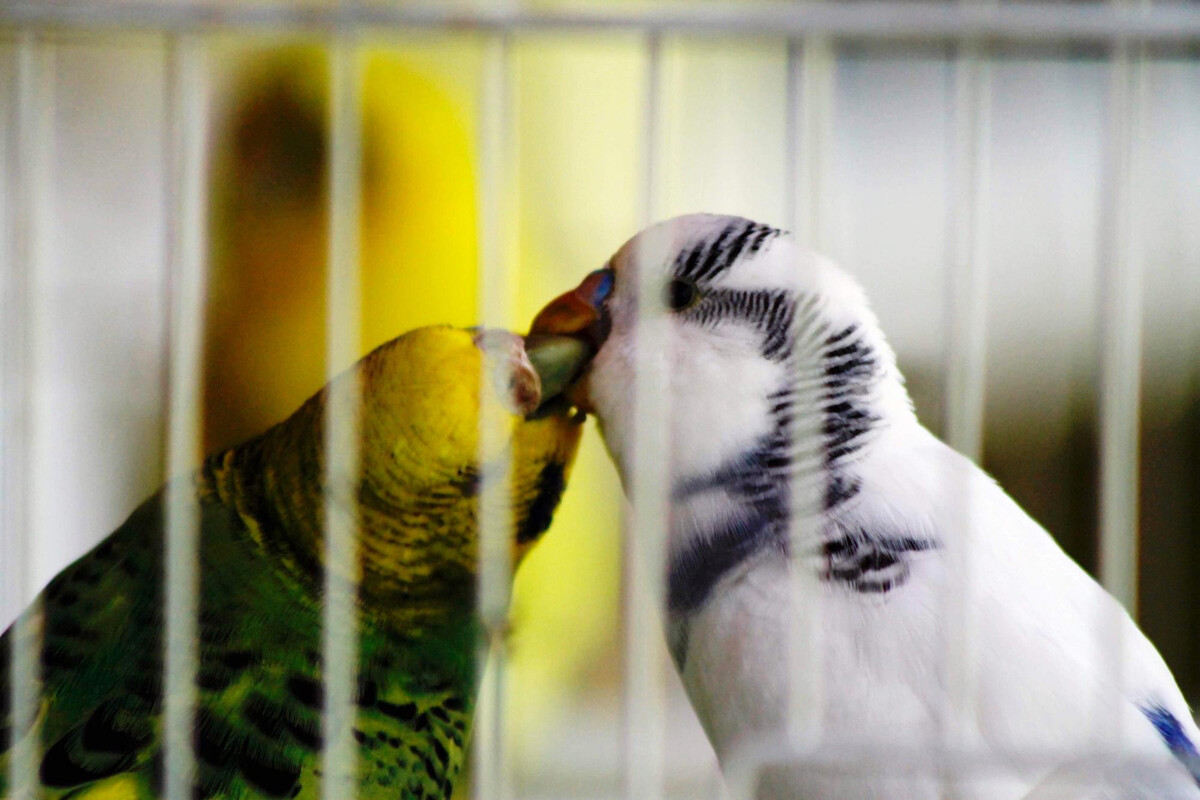
How to Choose the Right Mate for a Budgie?
Choosing the right mate is crucial for budgies to reproduce healthily. The age, health, and compatibility of the birds are critical factors for a successful mating and reproduction process. If the mating birds are compatible with each other, the female bird's egg-laying process will be smoother and more successful. The female bird's lack of stress and proper nutrition also positively influence the egg-laying process.

Factors Affecting Reproduction in Budgerigars
There are many factors that affect the reproduction process of budgerigars. Each of these factors can support or hinder the birds' reproduction:
Light Cycle
Natural or artificial light directly affects the reproductive hormones of budgerigars. The lengthening of days in spring and summer triggers the birds' reproductive instincts. In a home environment, this cycle can be mimicked with proper lighting. Prolonged exposure to light makes the birds' body clock feel "the arrival of spring" and initiates the egg-laying process. 10-12 hours of lighting per day is ideal for this hormonal cycle. Birds exposed to excessive light may tend to develop chronic egg-laying, so light control should be carefully managed, and birds should not have more offspring than the ideal annual number. Temperature Budgies live in warm and temperate regions in nature, so temperature is an important factor affecting reproduction. The 18-24°C range is the most suitable temperature range for budgies' breeding season. Outside this temperature range, birds can become stressed and suppress their breeding instincts. Extremely hot or cold environments can disrupt hormone balance and negatively affect the egg-laying process. Sudden temperature changes can also harm the breeding process. Nutrition is of great importance for budgies to breed healthily. A diet rich in protein, calcium, and vitamin D supports egg formation. Female birds lose a significant amount of calcium from their bodies while laying eggs, which can lead to egg binding due to calcium deficiency. You can review supplements that help birds get the necessary vitamins and minerals here. Calcium-rich foods and supplements are necessary for healthy eggshell formation. High-quality pellet feeds, fresh vegetables, and calcium-fortified foods protect the health of birds during this process. You can access feeds specially formulated for the nutritional needs of budgies by clicking here. Stress Level Keeping budgies free from stress is essential for the breeding process. Sudden movements, noise, constant cage changes, or the presence of other animals in the environment can cause stress in birds. Stress can lead to egg binding. Therefore, it is important for birds to be in a calm and safe environment during the breeding season for the healthy mating and egg-laying process.
Temperature
Budgies live in warm and temperate regions in nature, so temperature is a significant factor affecting reproduction. The 18-24°C range is the most suitable temperature range for budgies' breeding season. Outside this range, birds can become stressed and suppress their breeding instincts. Extremely hot or cold environments can disrupt hormone balance and negatively affect the egg-laying process. Sudden temperature changes can also harm the breeding process.
Beslenme
For budgies to breed healthily, their diet is of great importance. A diet rich in protein, calcium, and vitamin D supports egg formation. Since female birds lose a large amount of calcium from their bodies while laying eggs, egg binding due to calcium deficiency may occur. You can review supplements that will help birds get the vitamins and minerals they need here. Calcium-rich foods and supplements are necessary for the healthy formation of eggshells. High-quality pellet feeds, fresh vegetables, and calcium-fortified foods protect the health of the birds during this process. You can access feeds specially formulated for the nutritional needs of budgies by clicking here.
Stres Seviyesi
Keeping budgies away from stress is essential for the breeding process. Sudden movements, noise, constant cage changes, or the presence of other animals in the environment can cause stress in birds. Stress can lead to egg binding. Therefore, it is important for birds to be in a calm and safe environment during the breeding season for the healthy progress of the mating and egg-laying process. Choosing a cat name is a conscious process that should be shaped according to your cat's physical characteristics, character, and fur color. This special and meaningful process can be both very easy and just as challenging. Names can reflect your cat's personality, appearance, and dynamic bond with you. Whether it's fur color or resemblance to a mythological character, choosing the right name can also be decisive for your cat's training and overall happiness. The aim of this article is to make your cat name-finding process easier. Here is a guide to unique male and female cat names beyond traditional names… Popular Male Cat Names Male cats are generally charismatic, self-confident, and playful. Names that evoke strong but warm associations suit them very well.
Cage Conditions
Providing the right cage conditions is essential for budgie breeding. The cage should be spacious enough to allow the birds to move comfortably. A suitable nesting box should be provided as the female bird needs to feel safe while laying eggs. You can find various types of nesting boxes made from reliable materials that will make the birds feel comfortable here. The nesting box is necessary for the female bird to feel peaceful and to lay her eggs safely. The location of the cage is also very important in the process. Being in a quiet place where the birds feel safe increases breeding success.
Water Consumption and Humidity
Budgies need more water than usual during their breeding season. Water consumption increases especially during egg-laying. The humidity level of the environment also affects the reproductive health of the birds. Very dry or very humid environments can negatively affect the breeding process. The ideal humidity level is around 40-50%. This helps the birds maintain their body balance and ensures a smooth egg-laying process.
Social Interaction
Budgies are social animals, and their interactions with their mates are critically important during the breeding process. The birds' compatibility with each other ensures the success of mating and breeding processes. Birds left alone or lacking social interaction may have difficulty entering the breeding process. Social dynamics within the flock can also affect the birds' breeding tendencies. A good social environment encourages mating.
Physical Health
The general health of budgies directly affects their reproductive capabilities. Diseases, parasites, or hormonal imbalances can negatively impact the egg-laying process. Problems such as calcium deficiency or inadequate nutrition, in particular, make it difficult for female birds to produce eggs. Regular veterinary check-ups ensure a healthy reproductive process.
Compatibility of Pairs
For a successful reproductive process in budgies, pairs must be compatible. More social interaction between compatible pairs positively affects the mating process. Birds that cannot get along may experience stress, which can hinder the reproductive process. Courtship behaviors from the pair indicate that reproduction will be successful.
These factors, each requiring careful management, must be meticulously addressed to increase the breeding success of budgies. Providing an environment that aligns with the birds' natural instincts helps make the breeding process easier for both the birds and their owners.
Budgie Egg Laying Process
Female budgies begin laying eggs within a few days of mating. The egg-laying process can vary depending on environmental factors and the health of the female bird. While budgies in their natural habitat generally lay eggs more frequently in spring and summer, this process can occur at any time of year in a home environment.
Female budgies can lay eggs 2-3 times a year and may lay 4 to 8 eggs in each egg-laying period. Maintaining the health of the female bird requires regular egg-laying cycles.

How to Tell if a Budgie is Mating?
There are some distinct signs that can help you understand when budgies are mating. The male bird showing more interest in the female, feeding her more frequently, and the female showing increased interest in the nest are signs of mating. After mating, there is a noticeable change in the female bird's behavior; she spends more time in the nest and begins preparing to lay eggs.
Incubation in Budgies
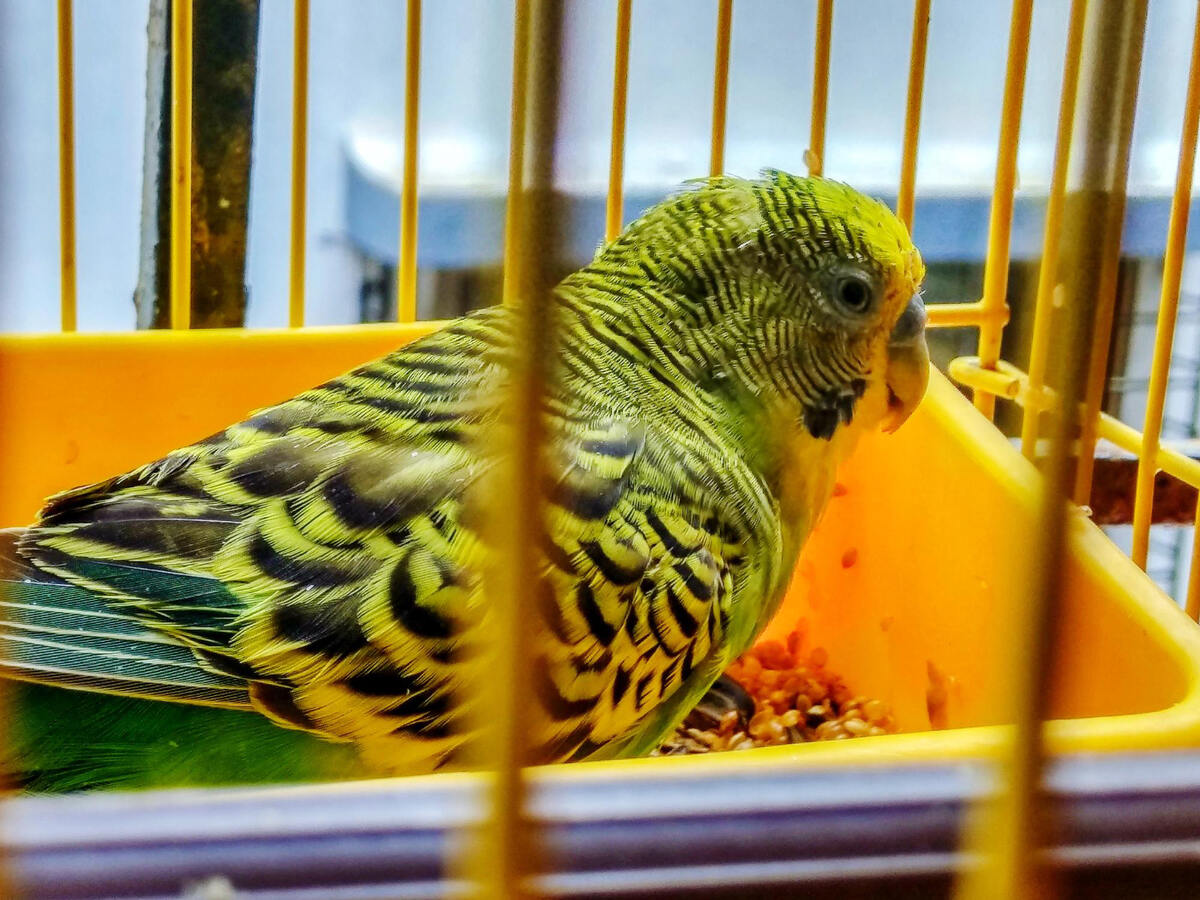
After the egg-laying process is complete, the female bird sits on the eggs and begins the incubation process. During this process, the female bird keeps the eggs warm and provides the necessary care for the development of the chicks. The incubation period usually lasts 18-21 days, at which point the chicks hatch from the eggs.
Caring for Baby Budgies
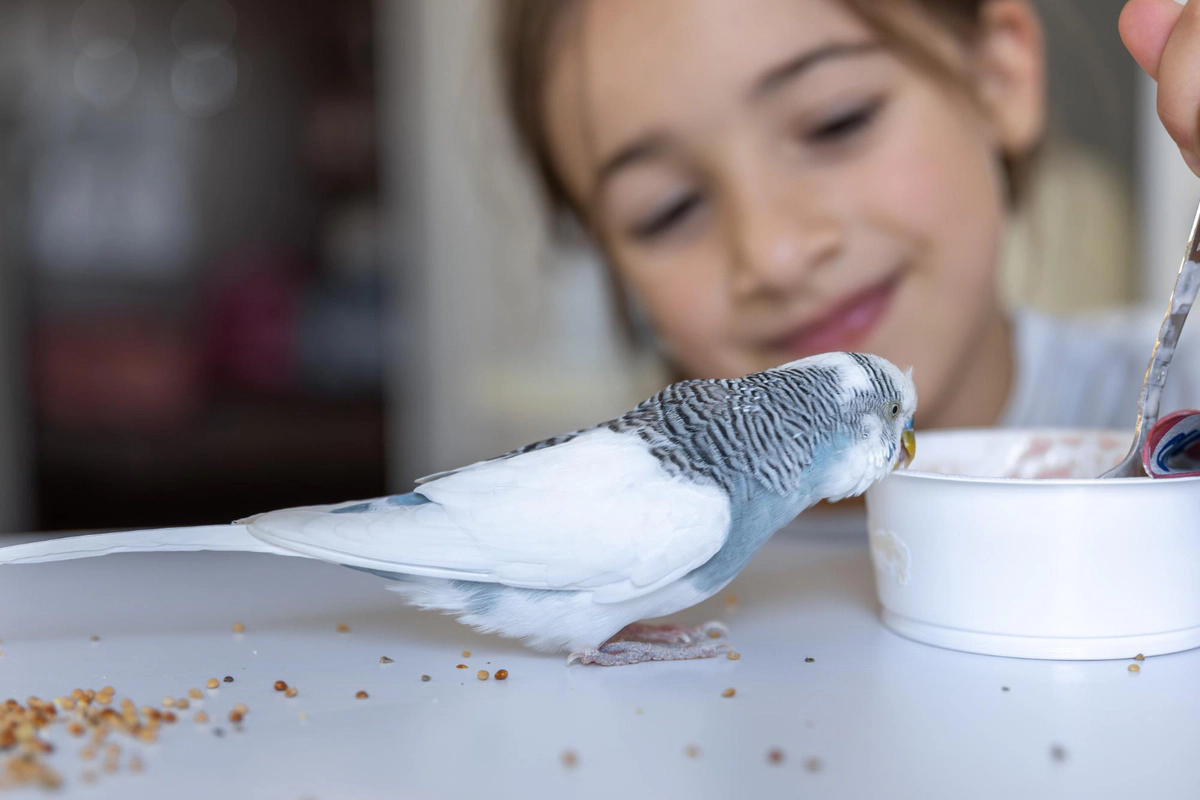
After the chicks hatch, the female bird begins to feed them. During this process, attention should be paid to the female bird's nutrition. Supplementing the diet with protein-rich foods is important for both the health of the female bird and the development of the chicks.
Problems Encountered in Budgie Breeding
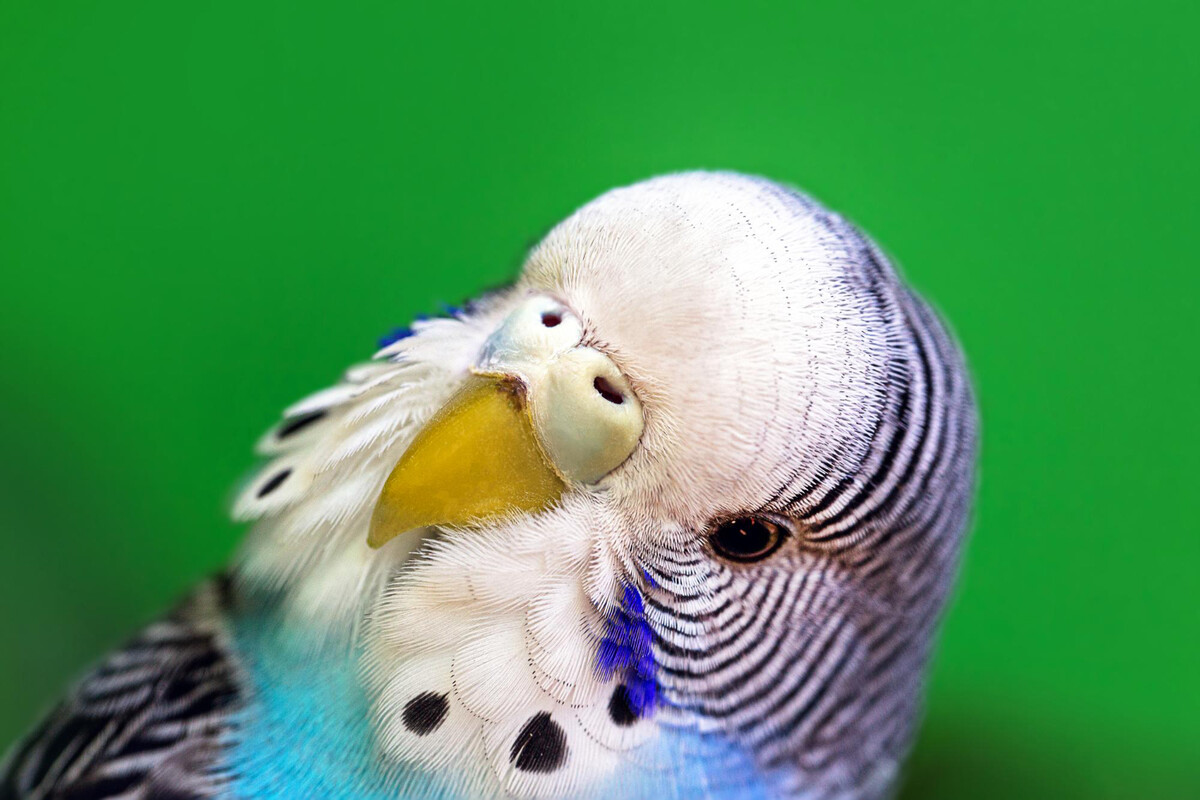
Budgies may encounter some complications during the breeding process. If these problems are not noticed in time, the health of both the mother bird and the chicks may be endangered. Here are some common problems and suggested solutions during this process:
- Eggs Not Hatching: Eggs that don't hatch or unfertilized eggs are common problems. The reasons for this may include improper nutrition, unsuccessful mating, or stress experienced by the female bird. As a solution, attention should be paid to the female bird's diet, providing a diet rich in protein and calcium. In addition, keeping the eggs at the appropriate temperature is important for embryo development.
- Egg Binding: Female birds sometimes cannot lay the egg, and this is called "egg binding." Egg binding can occur due to calcium or vitamin deficiencies. This problem is a life-threatening emergency for the female bird and requires immediate veterinary intervention. To prevent egg binding, female birds should be regularly given calcium supplements, and factors that can cause stress should be minimized.
- Lack of Interest in Eggs by the Female Bird: Sometimes the female bird may lose interest in the eggs and not incubate them. This behavior may be due to environmental stress, illness, or nutritional deficiencies. If the female bird abandons the eggs, an incubator can be used to help the chicks hatch. Changing the location of the cage or making the environment calmer can reduce stress.
- Poor Development of Chicks: For chicks to grow healthily, they must receive sufficient nutrition. When the female bird does not feed her chicks, the chicks may quickly become weak and underdeveloped. In this case, hand-feeding can be done using special formulas for chicks. Hand-feeding should be done with the advice and guidance of a veterinarian.
- Failure in the First Egg Laying: Budgies sometimes fail to get chicks in their first egg laying period. This may be due to the inexperience of the female bird or incompatibility of the mates. When such a situation occurs, the process should be monitored patiently, and appropriate nutrition and care should be provided until the female bird's next cycle.
- Nest Hygiene: The cleanliness of the nest is of great importance during incubation and the development of chicks. A dirty or unhygienic nest can lead to bacterial and fungal infections. Due to the sensitive immune systems of young birds, contracting these infections can cause serious problems. Regular cleaning of the nest, ensuring sterile conditions, and paying attention to the general hygiene of the cage are essential.
- Chicks That Cannot Hatch: Chicks may sometimes have difficulty hatching from the eggs. This may be due to the egg being too dry or the embryo development not being fully completed. Providing extra humidity at the time of hatching can help prevent this. If the eggs are in an excessively hot or dry environment, the embryo has difficulty breaking the shell. A humid environment can be beneficial in this process.
- Female Bird Fatigue: Female birds can experience excessive fatigue when they lay eggs frequently or care for many chicks. Fatigue negatively affects the bird's overall health and may prevent egg laying in the long run. To prevent excessive egg laying in female birds, they should be given rest between breeding seasons and provided with a balanced diet.
These problems can usually be successfully managed if noticed early by experienced bird owners. In some cases, veterinary assistance may be necessary. Patience during the breeding process and close monitoring of the birds' health are critical for achieving successful results in the long term.
Frequently Asked Questions About Budgie Egg Laying
Frequently asked questions and answers regarding the egg-laying process of budgies can be listed as follows:
Why Isn't My Budgie Laying Eggs?
Reasons for budgies not laying eggs may include stress, inadequate nutrition, or lack of suitable mating. Providing the female bird with a comfortable environment, proper nutrition, and choosing the right mate can encourage egg laying.
When Do Baby Budgies Leave the Nest?
Chicks usually begin to leave the nest 4-5 weeks after birth. During this process, the mother bird continues to feed her chicks, and the chicks leave the nest when they learn to feed themselves.
In Which Months Do Budgies Lay Eggs?
Although budgies generally lay eggs in spring and summer in their natural habitat, birds kept as pets can lay eggs at any time of the year.
How Many Days After Mating Does a Budgie Lay Eggs?
Approximately 8-10 days after mating, the female bird begins to lay eggs. This process may vary depending on whether the female bird is under stress and the environmental conditions.
What Should Be Done to Encourage Budgies to Lay Eggs?
For a female bird to lay eggs, proper nutrition, sufficient light, and the right environmental conditions must be provided. The female bird should not be under stress, as this allows the egg-laying process to continue.
In Which Months Do Budgies Mate?
Budgies generally tend to mate in the spring and summer months. In their natural habitat, this cycle is triggered by the increase in daylight. In a home environment, they can mate at any time of the year if daylight and temperature are kept regular.
Kaynaklar:
https://vcahospitals.com/know-your-pet/chronic-egg-laying-in-birds
https://bcsa.com.au/breeding/eggs/
https://www.thebudgieacademy.com/when-do-budgies-breed/
https://clinicanido.es/en/egg-laying-in-birds/
https://www.omlet.co.uk/guide/budgies/nesting_and_breeding/eggs/
https://www.omlet.co.uk/guide/budgies/nesting_and_breeding/breeding_behaviour/
https://bcsa.com.au/breeding/genetics/sexual-reproduction/
https://www.unusualpetvets.com.au/chronic-egg-laying-birds/
Advertisement
Advertisement
Keep exploring
Continue reading
Bird Care
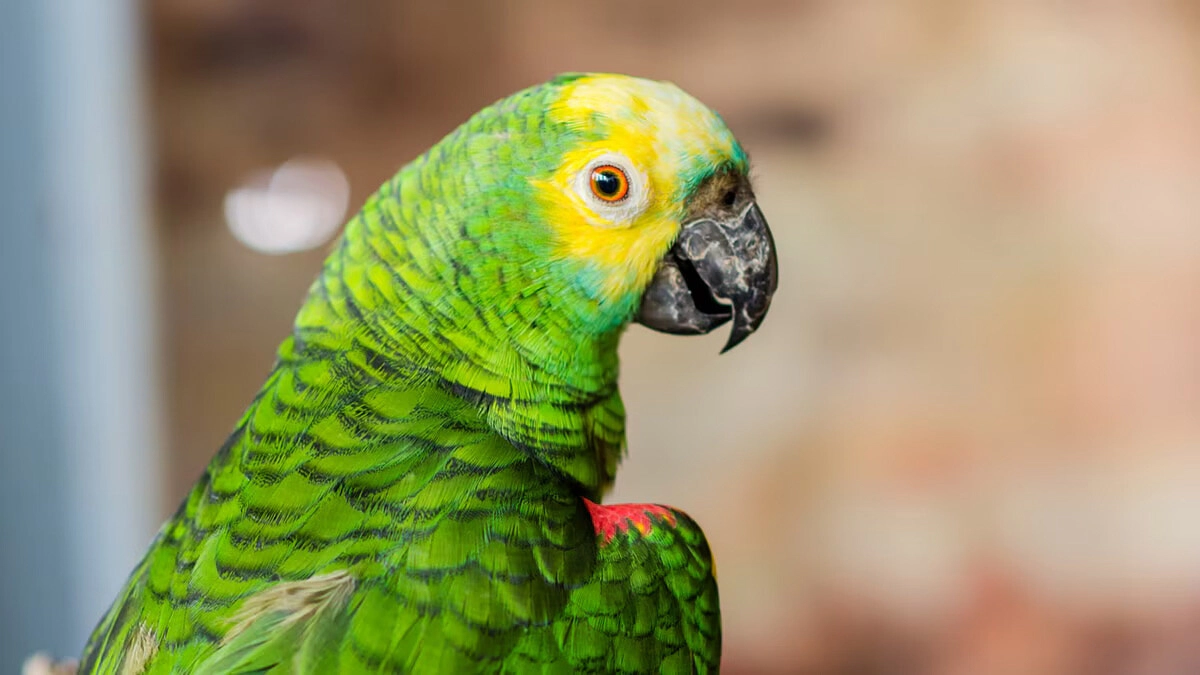
Comprehensive Guide to Amazon Parrot Care, Feeding and Training
Caring for an Amazon Parrot isn't as simple as putting food in the cage, keeping an eye on the water, and getting through the day.
Read guide →
Bird Care
Things to Consider When Choosing Bird Food
As stated in PetMD, a significant portion of errors in bird nutrition stem from not selecting feed according to the species and needs.
Read guide →
Bird Care
Canary Characteristics, Care and Feeding
If you want a cheerful, loving, and lively energy in your home, canaries can start a wonderful change in your life.
Read guide →
Bird Care
Common Misconceptions About Bird Care: Debunking Myths with Scientific Facts
We can only understand how sensitive and special pet birds are when we own them. The chirping of a budgie or the affectionate gaze of a parrot gives…
Read guide →