Why Do Budgies Fluff Up Their Feathers and Sleep?
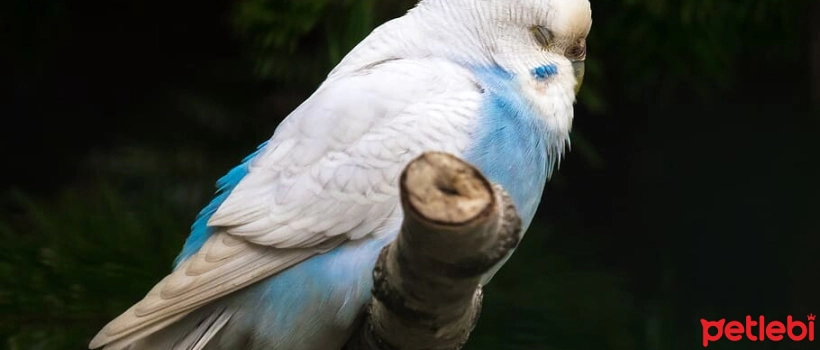
Budgies have a very cute appearance with their brightly colored feathers. Moreover, when they fluff up their feathers, their appearance becomes even more adorable. Fluffing up feathers isn't a characteristic unique to budgies. A large majority of birds can fluff up their feathers.
Advertisement
Budgies have a very cute appearance with their brightly colored feathers. Moreover, when they fluff up their feathers, their appearance becomes even more adorable. Fluffing up feathers isn't a characteristic unique to budgies. A large majority of birds can fluff up their feathers. In this article, you can learn the details about the reasons why budgies fluff up their feathers.

Why Do Budgies Fluff Up Their Feathers?
There can be multiple reasons why budgies fluff up their feathers. This behavior is usually quite normal and natural. Budgies generally fluff up their feathers out of happiness or to keep their bodies warm. However, in some cases, this can be a sign of illness.
Regulating Body Temperature
Budgies fluff up their feathers to maintain and regulate their body temperature. This behavior is especially common when they are in the cold. By fluffing their feathers, they trap air underneath and warm it. This keeps their bodies warm. This behavior can be likened to people who are cold putting on thick clothing or covering themselves with a blanket. All birds have different temperature needs. Budgies need more energy to keep their bodies warm. Therefore, maintaining their body temperature is extremely important for them. When budgies fluff up their feathers to warm themselves, they usually pull one leg up towards their chest. They stand calmly and close their eyes. This posture is usually observed just before sleep. When they try to maintain their body temperature in this way, it may be necessary to check the temperature of the house. In very cold situations, warming the environment a little helps them expend less energy.
Excitement and Fun
One of the answers to the question "Why do budgies fluff up their feathers?" is excitement, fun, and happiness. Budgies are social birds that reflect the emotions they feel outward. They can also fluff up their feathers when they feel happy and excited. However, they usually shake their heads or spread their tail feathers. Birds that love to play and have adventurous personalities often fluff up their feathers while playing with toys in their cages. They may do this while eating their favorite food, when they find a new toy, or even when they see their favorite person. Even the familiar, high-pitched voice of a child or woman is enough to excite them. It is very important for budgies to have a good time. Therefore, you can make them happy with toys that will help them have a good time and make them fluff up their feathers with excitement. You can examine toys specially designed for budgies by clicking here. Cleaning Budgies frequently need to be cleaned, have their feathers trimmed, and have dust removed from their feathers. It is possible to see them fluffing up their feathers during cleaning. While fluffing up, they shake off the dust between their feathers. They also arrange their feathers with their beaks. When you bathe them, you may see them fluffing their feathers and shaking off the water that remains on their feathers and heads. If they are fluffing their feathers excessively and trying to clean themselves, and are scratching, the cage may not have been cleaned for a few days. Therefore, it may be necessary to clean the cage and its bottom. Symptom of Illness It is common to see fluffing up budgies as a result of illness. In addition to fluffing their feathers, budgies may exhibit other symptoms when they are sick. In nature, birds fluff their feathers to hide when they are sick. This behavior is also quite common in pet birds. In addition to fluffing, lethargy, rapid and deep breathing, sneezing, sleeping for long periods, weight loss, and changes in behavior are also among the symptoms of illness. Although fluffing their feathers alone is not the only symptom of illness, if you see your bird sitting on the bottom of the cage with its feathers fluffed, it means it's time to go to the veterinarian. In such cases, it may not react to any of your movements or toys. Birds usually don't show signs of illness until the last minute. Therefore, it is advisable to act without delay when you notice any changes in it.
Temizlenme
Budgies frequently need to be cleaned, to preen their feathers, and to remove dust from their feathers. During cleaning, you can see them fluffing their feathers. While fluffing them up, they shake off the dust between their feathers. They also preen their feathers with their beaks. When you bathe them, you can again see them fluffing their feathers and shaking off the water remaining on their feathers and heads. If they are fluffing their feathers excessively and trying to clean themselves, and are scratching, the cage may not have been cleaned for a few days. Therefore, it may be necessary to clean the cage and its bottom.
Symptom of Illness
It is common to see fluffing up in budgies as a result of illness. In addition to fluffing their feathers, other symptoms may also be observed when budgies are sick. In nature, birds fluff their feathers to hide when they are sick. This behavior is also quite common in pet birds. In addition to puffing up, lethargy, rapid and deep breathing, sneezing, prolonged sleeping, weight loss, and changes in behavior are also among the symptoms of the disease. Although puffing up feathers alone is not a sign of illness, if you see your bird sitting on the cage floor with its feathers ruffled, it's time to go to the veterinarian. In such cases, it may not react to any of your movements or toys. Birds usually do not show symptoms of illness until the last minute. Therefore, it is recommended that you take action without delay when you notice any changes in it. What is Renal Amyloidosis in Cats? The removal of metabolic waste products from the body is one of the most important functions of the kidneys. The kidneys contain thousands of small filter tissues called nephrons. Blood comes to the kidneys via the renal artery and passes through smaller blood vessels until it reaches the glomeruli. From the glomeruli, it is transmitted to the renal tubules. In many cases, this filtering process occurs throughout a cat's life. Rarely, however, it is disrupted by a serious disease called renal amyloidosis. Renal amyloidosis can be defined as the accumulation of amyloid around cells. Amyloid is an inflammatory protein that accumulates around different organs and tissues in the body, such as the kidneys and liver. In the kidneys, a serious problem like renal amyloidosis can lead to kidney failure and subsequent death. What are the Symptoms of Renal Amyloidosis? The symptoms of renal amyloidosis in cats are quite similar to other kidney disorders. The first sign seen in cats with renal amyloidosis is excessive thirst and urination. Cats with renal amyloidosis finish the water in their bowls faster than normal, spend more time drinking water, and try to drink water from cups, taps, potted plants, or other water sources in the house.
Singing
In budgies, puffing up their feathers can be accompanied by other behaviors such as singing. Male budgies, in particular, enjoy singing more when their feathers are puffed up. Generally, puffing up and loud chirping indicate the budgie's desire to mate. Also, like stretching after a good nap, they may puff up and start singing.

Why Does My Budgie Stay Puffed Up Constantly?
When you see that your budgie is puffed up longer or more than usual, the first thing you should do is check the temperature of the environment where the cage is located. Budgies need an ideal temperature in their living space at all hours of the day. Cold can cause hypothermia, while excessively hot air causes heatstroke in budgies. This situation is quite critical. Heatstroke is fatal if not treated within half an hour. Budgies suffering from heatstroke breathe faster than normal and usually flap their wings to cool down. Therefore, when you see the bird constantly puffing up or flapping its wings, you can understand that the ambient temperature is not suitable for it. After checking the ambient temperature, you should check the cleanliness of the cage and living area, and if the puffing up continues after all checks, you should consult a veterinarian.
Advertisement
Advertisement
Keep exploring
Continue reading
Bird Care
Comprehensive Guide to Amazon Parrot Care, Feeding and Training
Caring for an Amazon Parrot isn't as simple as putting food in the cage, keeping an eye on the water, and getting through the day.
Read guide →
Bird Care
Things to Consider When Choosing Bird Food
As stated in PetMD, a significant portion of errors in bird nutrition stem from not selecting feed according to the species and needs.
Read guide →
Bird Care
Canary Characteristics, Care and Feeding
If you want a cheerful, loving, and lively energy in your home, canaries can start a wonderful change in your life.
Read guide →
Bird Care
Common Misconceptions About Bird Care: Debunking Myths with Scientific Facts
We can only understand how sensitive and special pet birds are when we own them. The chirping of a budgie or the affectionate gaze of a parrot gives…
Read guide →