Why Do Budgies Stand on One Leg?
You may often see your budgie standing on one leg, just like many other bird species. While sleeping in its cage or perched on your finger, it might surprise you by suddenly pulling one leg up towards its body.

Advertisement
You may often see your budgie standing on one leg, just like many other bird species. While sleeping in its cage or perched on your finger, it might surprise you by suddenly pulling one leg up towards its body. Standing on one leg is an instinctive behavior of budgies and is usually not a sign of any problem. If you are wondering why they prefer to stand in such a difficult and seemingly uncomfortable position, you can find the answers to the question "Why do budgies stand on one leg?" and warnings about possible danger signs in the rest of our article. Beforehand, if you want to support your bird's leg health by getting a bird cage with comfortable perching areas and toys that can positively influence its perching habits, you can click here to examine bird cages of different sizes and features.
Balance and Adaptation Abilities
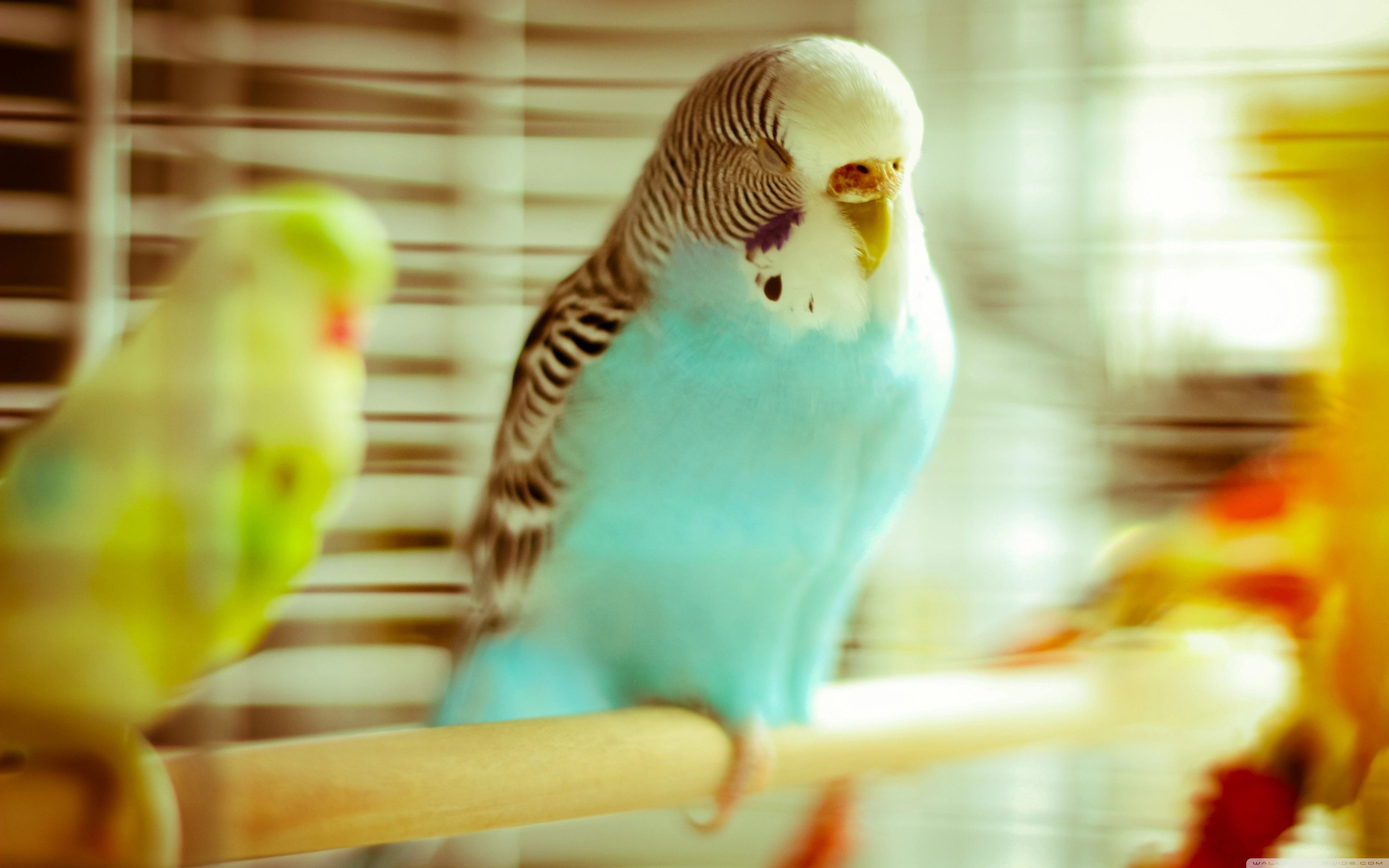
The first reason budgies stand on one leg is that it is a very comfortable position for them. When a budgie stands on one leg, the center of gravity shifts to the center, directly above the foot; This also makes it easier for the bird to maintain balance. It should also be remembered that budgies are very light creatures and can grip the perch thanks to the anatomical structure of their feet.
The impressive adaptive abilities of birds have helped them adapt to the conditions of their environment for millions of years. One clear example of this is the structure of the bird's feet. Research has shown that standing on one leg is related to the length of the bird's tarsus. The tarsus is a small group of bones that make up the legs and forms the rear-facing joint in the legs of birds, in other words, the second knee. The longer the tarsus, the more likely the bird is to stand on one leg to maintain its warmth and rest.
Temperature Regulation and Energy Conservation
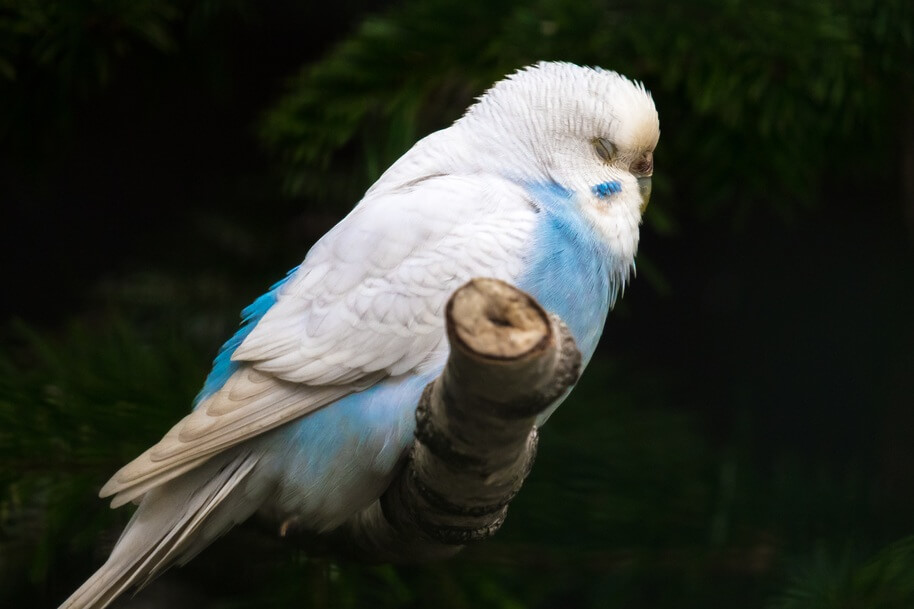
The climate or weather conditions in their environment can affect whether budgies prefer to stand on one leg or not. Because feet play a crucial role in regulating body temperature. Budgies maintain their warmth thanks to their thick feathers. However, their feet are featherless and thin, so they lose heat very quickly. Cold feet can affect the bird's overall body temperature and endanger its life. Pulling their feet alternately towards their bodies, between their feathers, helps them maintain their body temperature. On the other hand, an excessive increase in body temperature is also dangerous for them. In such a case, the blood vessels in the bird's body will direct a large portion of the blood to its feet. The coolness of the air itself or having its feet in cool water can help birds lower their body temperature. In addition to temperature regulation, budgies rest on one leg, just like humans sit on a chair or lie in bed. Their feet are especially likely to get tired if they perch for a long time. Also, birds that are extremely active during the day use their feet for climbing and moving objects. Therefore, you may see budgies standing on one leg even in hot weather or in a heated environment. When standing on one leg, the muscle fatigue in the budgie's other leg is reduced. You may see the bird switching legs when resting for a long time. Other Factors in Standing on One Leg Behavior Although standing on one leg still gives them a chance to fly away in the face of danger, it is easier to take off on two legs. Therefore, budgies only stand on one leg when they feel comfortable. Similarly, you may see them standing on one leg while preparing to sleep or while sleeping. The possibility that budgies stand on one leg due to an injury, illness, or other problem should not be ignored. Your budgie may have injured its leg or foot; this could include swelling, cuts, inflammation, or deformities. Its nails may have grown excessively long, causing problems. It may also have a condition affecting the use of one foot, such as nerve damage, a tumor, heavy metal poisoning, or paralysis. Additionally, a deficiency or insufficient amount of vitamin D in their diet can lead to more easily broken bones in budgies. Vitamin D deficiency makes it difficult for the body to absorb calcium, weakening bones. In some cases, perches may be too small or too large for the bird's feet. This can cause strain and damage to the feet, preventing the bird from putting weight on the more damaged leg. If you suspect any of these serious problems, such as your bird constantly standing on the same leg or suddenly retracting its leg when trying to lower it, you should contact your veterinarian immediately.
Budgies maintain their warmth thanks to their thick feathers. However, budgies have featherless and thin feet, so they lose heat very quickly. Cold feet can affect the bird's overall body temperature and endanger its life. Pulling their feet alternately towards their bodies, between their feathers, helps them maintain their body temperature. On the other hand, an excessive increase in body temperature is also dangerous for them. In such a situation, the veins in the birds' bodies will direct a large portion of the blood to their feet.
The coolness of the air itself, or their feet being in cool water, can help birds lower their body temperature. Besides temperature regulation, budgies rest on one leg, much like humans sit on a chair or lie in bed. Their feet are especially likely to tire if they perch for a long time. Also, birds that are extremely active during the day use their feet for climbing and moving objects. Therefore, you may see budgies standing on one leg even in hot weather or a heated environment. When standing on one leg, muscle fatigue in the other leg is reduced. You may notice the bird switching legs when resting for extended periods.
Other Factors Involving Standing on One Leg Behavior
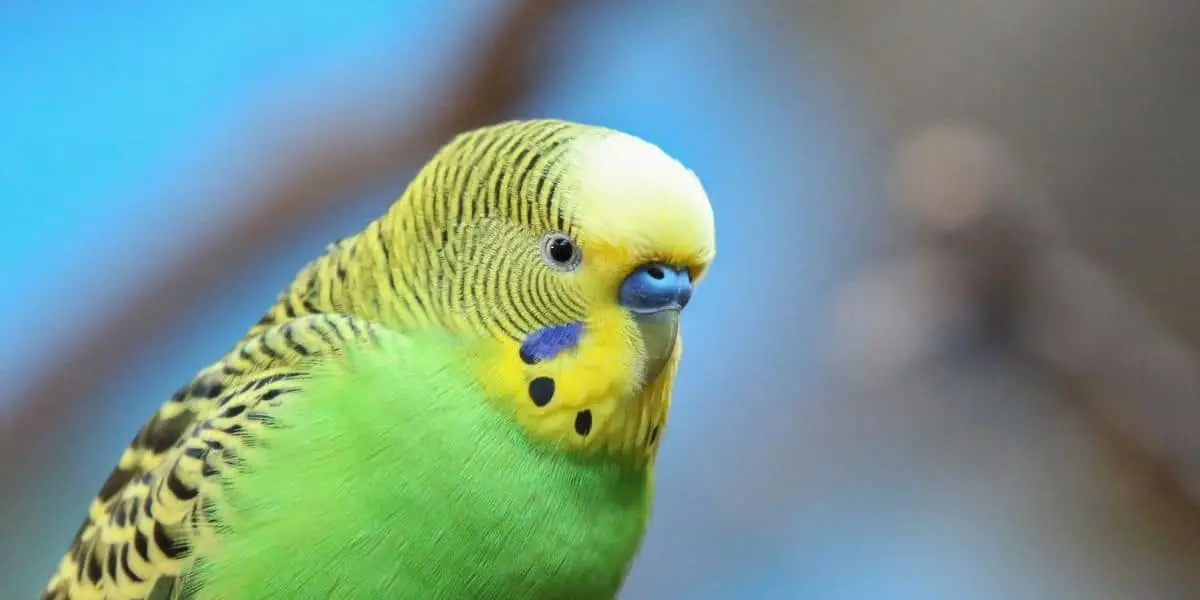
While standing on one leg still gives them a chance to fly away in the face of danger, it is easier to take off on two legs. Therefore, budgies only stand on one leg when they feel comfortable. Similarly, you may see them standing on one leg while preparing for sleep or while sleeping.
The possibility that budgies stand on one leg due to an injury, illness, or other problem should not be ignored. Your budgie may have injured its leg or foot; there may be a problem such as swelling, a cut, inflammation, or a deformity in its leg or foot. Your bird's nails may have grown too long to cause it problems. It may have a disease such as nerve damage, a tumor, heavy metal poisoning, or paralysis that affects the use of one of its feet. Also, a deficiency or insufficient amount of vitamin D in their diet can lead to budgies' bones breaking more easily. Because vitamin D deficiency makes it difficult for the body to absorb calcium, and bones can weaken. In some cases, the size and/or structure of perches may be too small or too large for the birds' feet. This can cause damage to the birds' feet due to strain and prevent the bird from putting weight on the more damaged foot.
When you suspect the presence of serious problems like these, for example, if you notice a symptom such as the bird constantly standing on the same foot or suddenly retracting its foot when trying to lower it from the air, you should not hesitate to contact your veterinarian about this situation.
Advertisement
Advertisement
Keep exploring
Continue reading
Bird Care
Comprehensive Guide to Amazon Parrot Care, Feeding and Training
Caring for an Amazon Parrot isn't as simple as putting food in the cage, keeping an eye on the water, and getting through the day.
Read guide →
Bird Care
Things to Consider When Choosing Bird Food
As stated in PetMD, a significant portion of errors in bird nutrition stem from not selecting feed according to the species and needs.
Read guide →
Bird Care
Canary Characteristics, Care and Feeding
If you want a cheerful, loving, and lively energy in your home, canaries can start a wonderful change in your life.
Read guide →
Bird Care
Common Misconceptions About Bird Care: Debunking Myths with Scientific Facts
We can only understand how sensitive and special pet birds are when we own them. The chirping of a budgie or the affectionate gaze of a parrot gives…
Read guide →