Why Do Budgies Vomit?
It is extremely upsetting for pet owners who bear the responsibility of their little budgies when they face health problems. Especially those who are keeping budgies for the first time, and those who notice that their budgies are exhibiting a certain symptom for the first time, naturally wonder…

Advertisement
It is extremely upsetting for pet owners who bear the responsibility of their little budgies when they face health problems. Especially those who are keeping budgies for the first time, and those who notice that their budgies are exhibiting a certain symptom for the first time, naturally wonder about the reason for this. Vomiting in budgies is one of the health problems that both causes concern and whose causes need to be known. You can find the answer to the question "Why do budgies vomit?" in the rest of our article.
Vomiting, which is a symptom of illness and requires immediate consultation with a veterinarian, and regurgitation, which is generally a normal behavior, occur in very similar ways. Therefore, distinguishing between these two behaviors is often a difficult process.
Vomiting, which is more of an act of spitting, is the expulsion of the contents of the proventriculus, ventricle, or intestines. During vomiting, budgies shake their heads uncontrollably and rapidly from side to side, and the vomited food has a semi-digested, foamy, and liquidy appearance. When a budgie vomits, it cannot control its body, so food can scatter everywhere and stick to its feathers. However, vomiting may be accompanied by loose stools or diarrhea, blood in the vomit, lethargy, ruffled feathers, drowsiness, and mood changes. Regurgitation, on the other hand, is the conscious expulsion of the contents of the mouth, esophagus, and crop by the bird. Many budgies engage in regurgitation two or three times a day, a regular behavioral action, so budgie owners may encounter this behavior frequently. During regurgitation, budgies shake their heads up and down and extend their necks; the expelled food does not appear digested because it has not yet reached the digestive system from the crop. Unlike vomiting, the expelled food is not scattered around because the budgie usually puts the expelled food into the mouth of another budgie. They may also exhibit this behavior towards toys or other objects like your finger out of affection.
Regurgitation is the deliberate expulsion of mouth, esophagus, and crop contents by a bird. Many budgies engage in regurgitation two or three times a day, a regular behavioral action, so budgie owners may encounter this frequently. During regurgitation, budgies shake their heads up and down and extend their necks; Because the food hasn't yet reached the digestive system from the crop, the expelled food doesn't appear to be digested. Unlike vomiting, the expelled food doesn't scatter because budgies usually put the food they expel into another budgie's mouth. They may also exhibit this behavior towards toys or other objects like your finger out of affection.

Digestive Problems and Obstruction
Budgies with digestive system problems may vomit as a result. In addition, problems that put pressure on the digestive system, such as those in the chest or abdomen, can also trigger vomiting. These include:
- Goiter,
- Increased stomach acid levels,
- Air swallowing,
- Throat problems such as impaction, stasis, and heartburn,
- Inability to ovulate,
- Obstructions caused by swallowing a foreign body,
- Other digestive system problems such as intussusception, intestinal obstruction, stenosis, intestinal obstruction, and kidney stones. Obstructions,
- Hernia,
- Ulcer,
- Esophageal stenosis,
- Problems such as papilloma, leiomyoma, adenoma, and fibroma can be listed.
Goiter and papillomas in the mouth are common causes of budgie vomiting. Crop problems are more common in young and hand-fed chicks.

Eating Habits and Changes in Diet
All budgies, especially chicks, are sensitive to the temperature and consistency of their food and changes in their diet. Feeding habits, such as how much food they eat at a time, can also trigger vomiting behavior in birds. Therefore, if you need to change your budgie's food, experts recommend doing so carefully and gradually. Other conditions that can cause birds to vomit include: High-protein diet Hypervitaminosis D Hypovitaminosis A Hypovitaminosis E or selenium deficiency High iron levels Food allergy Stress and health problems Stress and health problems are among the other causes of budgie vomiting. Behavioral factors, including stress, that can trigger vomiting can be exemplified as follows:
- High-protein diet
- Hypervitaminosis D
- Hypovitaminosis A
- Hypovitaminosis E or selenium deficiency
- High iron levels
- Food allergy

Stress and health problems
Stress and health problems are among other causes of budgie vomiting. Behavioral factors, including stress, that can trigger vomiting can be exemplified as follows:
- Nausea due to transportation
- Courtship
- Excitement or stress
Budgies may engage in courtship behavior towards other birds, mirrors, toys, and even their owners. The emotional state they experience during courtship can lead to vomiting.
There are numerous health problems that can result in vomiting in budgies. While some of these have been mentioned in previous chapters, the remaining important diseases can be found below:
- Infections such as bacteria, fungi, and parasites
- Travma
- Heart disease
- Liver disease
- Pancreatitis
- Kidney disease
- Diabetes
- Peritonitis
- Septicemia
- Elektrolit dengesizlikleri
- Zehirlenme
Trichomonas, a parasite, is a common cause of vomiting in budgies. Liver diseases, especially fatty liver disease, frequently lead to vomiting, particularly in budgies. Internal bleeding or infection resulting from a bite from another animal or trauma can also trigger vomiting. If you suspect your bird has any health problems, you should consult your veterinarian.
Advertisement
Advertisement
Keep exploring
Continue reading
Bird Care
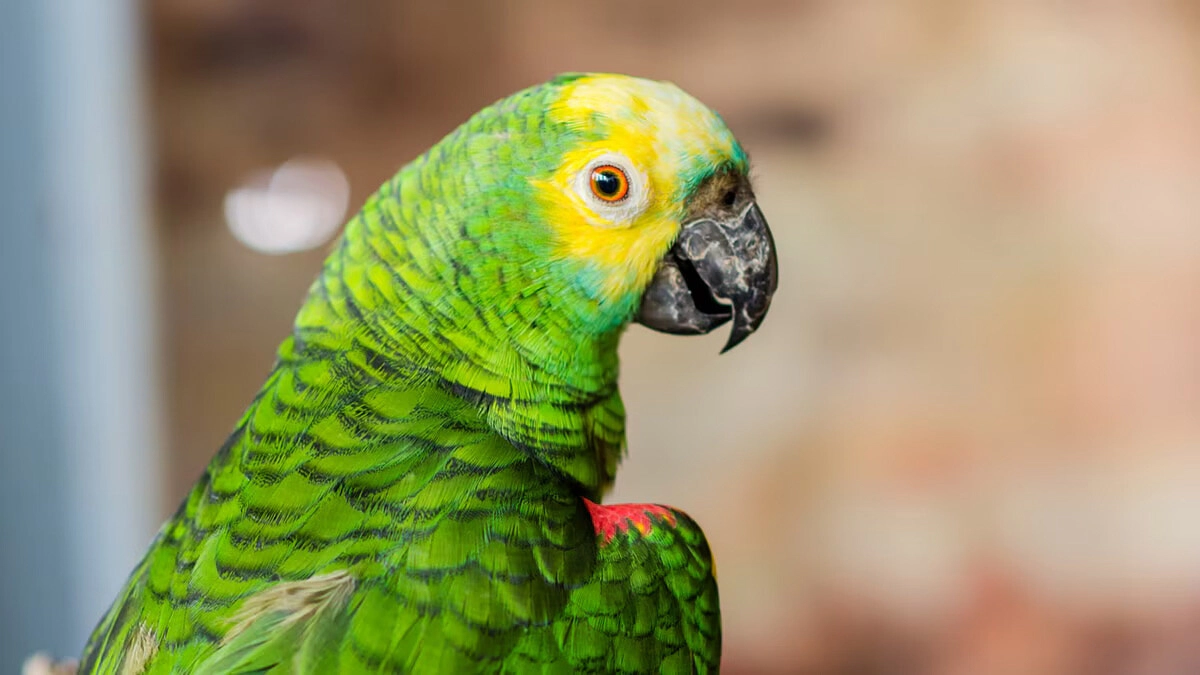
Comprehensive Guide to Amazon Parrot Care, Feeding and Training
Caring for an Amazon Parrot isn't as simple as putting food in the cage, keeping an eye on the water, and getting through the day.
Read guide →
Bird Care
Things to Consider When Choosing Bird Food
As stated in PetMD, a significant portion of errors in bird nutrition stem from not selecting feed according to the species and needs.
Read guide →
Bird Care
Canary Characteristics, Care and Feeding
If you want a cheerful, loving, and lively energy in your home, canaries can start a wonderful change in your life.
Read guide →
Bird Care
Common Misconceptions About Bird Care: Debunking Myths with Scientific Facts
We can only understand how sensitive and special pet birds are when we own them. The chirping of a budgie or the affectionate gaze of a parrot gives…
Read guide →