Why Do Dogs Drool?
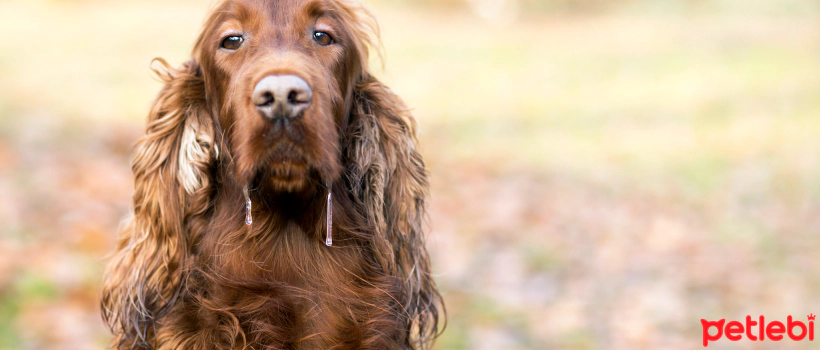
There can be many different reasons behind the drooling problem frequently witnessed by those who live with dogs, especially certain breeds. Drooling from a dog's mouth is sometimes related to breed characteristics, and sometimes to various health problems.
Advertisement
There can be many different reasons behind the drooling problem frequently witnessed by those who live with dogs, especially certain breeds. Drooling from a dog's mouth is sometimes related to breed characteristics, and sometimes to various health problems. Although drooling is a normal and biological process, it is important to investigate the reasons in some cases. In this article, you can find the answers to the question "Why do dogs drool?".
Biological Properties of Saliva
Like humans, dogs also produce saliva in their mouths. Saliva, secreted from the glands near the jaw, contains many different substances. Composed of 98% water, this bodily secretion contains various antibacterial compounds, enzymes, and electrolytes that play a role in digestion and maintaining metabolic health. Dog saliva contains an enzyme called amylase, which initiates the digestive process. This enzyme mixes with food during chewing and helps break it down. In addition, saliva softens food, making it easier to swallow. Dog saliva also has significant effects on oral and dental health. Protecting tooth enamel and reducing the risk of gum disease, saliva also cleans food particles trapped between teeth, lowering the risk of cavities. All these explanations about dog saliva highlight its benefits. While saliva is beneficial for dog health to a certain extent, excessive production can be a source of concern for dog owners, leading to questions like "Why do dogs drool?"
Why Do Dogs Drool?
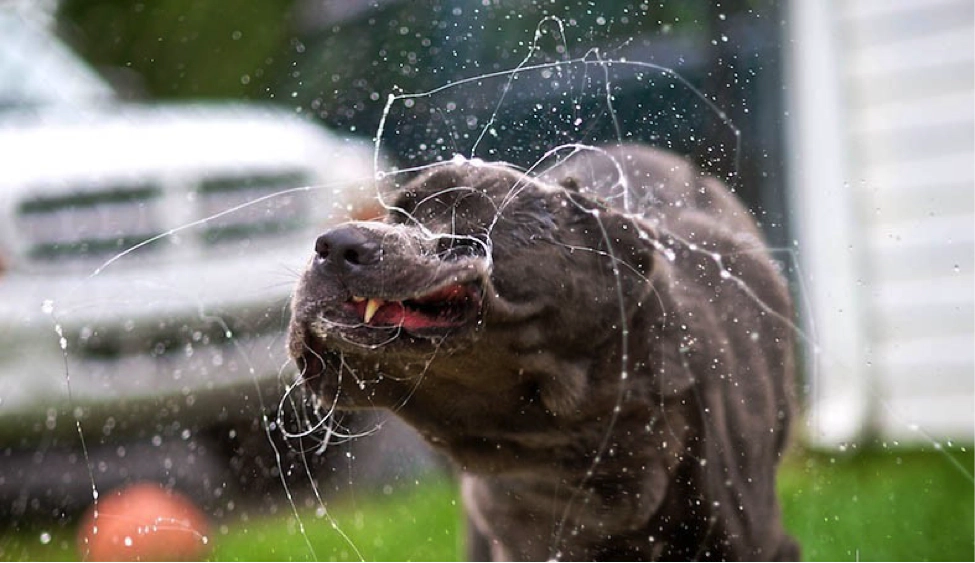
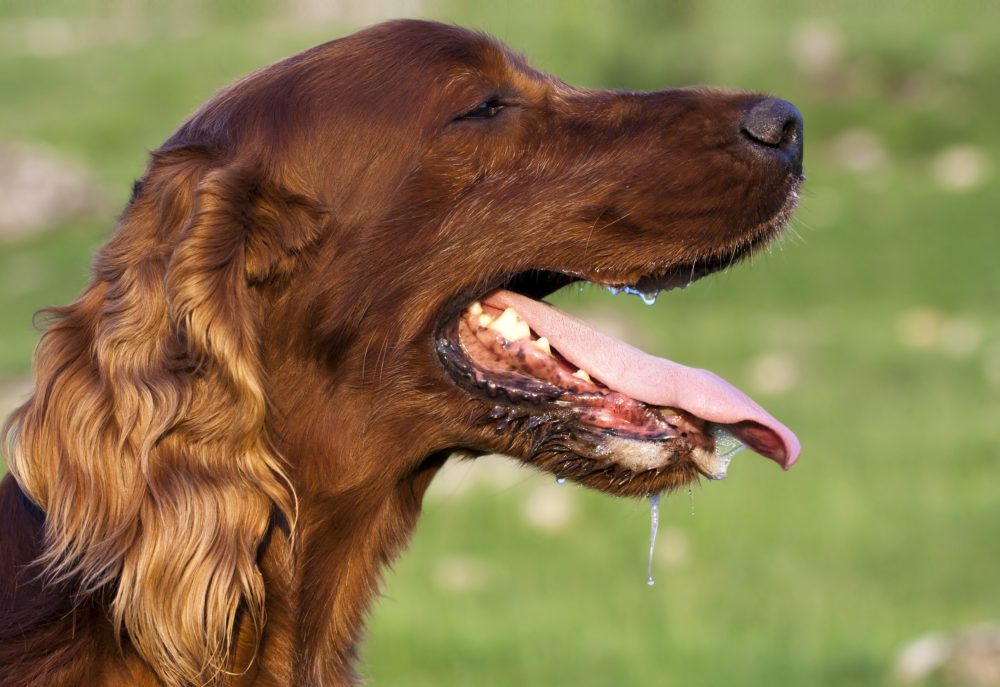
Drooling in dogs is fundamentally a result of excessive saliva production. When there is excessive saliva production, dogs cannot swallow these bodily secretions and their saliva begins to drool. There are multiple answers to the question "Why do dogs drool?".
Some Breeds Are Prone to Drooling
Some dogs have mouth anatomy features that allow the saliva produced to flow out. Especially in the giant breeds classification, these dogs have drooping lips and it is difficult for them to keep their saliva inside their mouths. Mastiffs and Saint Bernards are famous worldwide for their drooling. Maintaining cleanliness can be challenging for those living with dogs prone to drooling. If you suffer from a similar problem, you can click here to access stain and odor remover products. Dental and Oral Problems Can Lead to Drooling Dogs need to have their teeth brushed regularly. Tartar can build up on the teeth of dogs whose oral and dental care is neglected. Tartar that accumulates on the teeth can rub against the inside of the lips, triggering saliva production. If your dog has started drooling more than usual, you should check their teeth! You should look for answers to questions such as: Is there a change in the color of the gums, are the gums swollen, are there plaques on their teeth? If you observe any signs of deteriorating oral and dental health, you should consult a veterinarian.
Dental and Oral Problems Can Lead to Drooling
Dogs need to have their teeth brushed regularly. Tartar can build up on the teeth of dogs whose oral and dental care is neglected. This tartar can rub against the inside of the lips, triggering excessive salivation. If your dog is drooling more than usual, you should check their teeth! Look for answers to questions like: Is there a change in the color of the gums? Are the gums swollen? Are there plaques on the teeth? If you observe any signs of deteriorating oral and dental health, you should consult a veterinarian.
Food Smell Can Increase Saliva Production
Dogs have an amazing sense of smell. And why wouldn't they! Our loyal companions, possessing over 200 million olfactory receptors, can become ecstatic when they detect the scent of certain foods. Drooling is a common result in dogs smelling food.
Foreign Objects in Their Mouths Can Cause Drooling!
Dogs are incredibly curious about exploring the world. While out and about, they may put any object they are curious about into their mouths. In some cases, a small piece of wood or a plant stem may remain in their mouth; it may get stuck between their teeth or become embedded in the gum tissue. Since dogs don't have the option of using dental floss like we do, they may drool more than usual when they have a foreign object in their mouths.
Chemical Substances Can Cause Drooling
Dogs' curiosity knows no bounds! When they lick chemical substances; When these substances are corrosive or acidic, saliva production increases significantly. The main reason for this increase is irritation of the mouth area. Excitement and Anxiety Trigger Saliva Production One of the common signs of anxiety in dogs is breathing with their mouths open. If you are a careful observer, you may have witnessed your dog drooling more than usual in a similar situation. Emotional changes such as excitement and anxiety are among the causes of saliva problems in dogs. Pay Attention to Digestive System Problems! Digestive system diseases in dogs can cause excessive saliva production. For example, if stomach acids return to the esophagus and mouth due to gastric reflux disease, saliva flow increases. Similarly, esophageal dilation can also lead to a similar result. The answer to the question "Why do dogs drool?" is that when digestive system and stomach diseases are present, dogs may experience a decrease in appetite.
Excitement and Anxiety Trigger Saliva Production
One of the common signs of anxiety in dogs is breathing with their mouths open. If you are a careful observer, you may have witnessed your dog drooling more than usual in a similar situation. Emotional changes such as excitement and anxiety are among the causes of drooling problems in dogs.
Pay Attention to Digestive System Problems!
Digestive system diseases in dogs can cause excessive saliva production. For example, if stomach acids return to the esophagus and mouth due to gastric reflux disease, saliva flow increases. Similarly, esophageal dilation can also lead to a similar result. When the answer to the question "Why do dogs drool?" is digestive system and stomach diseases, a decrease in appetite may be observed in dogs.
It is important to have dogs with excessive saliva production examined by a veterinarian. Since dogs can drool for many different reasons, health checks should not be neglected. In particular, dogs that do not normally drool but whose habit has changed should be evaluated for possible risks.
Advertisement
Advertisement
Keep exploring
Continue reading

Dog Lifestyle & Guides
The Unseen Risks of Excess Weight in Small Breed Dogs
Small breed Weight gain in dogs sometimes progresses unnoticed. Extra food added to the food bowl, treats given during the day, food offered from the…
Read guide →
Dog Lifestyle & Guides
Dental Health and Its Importance in Dogs
Dental health in dogs is often Bad breath doesn't become a concern until it's noticed. However, the problem often begins before the odor: Plaque…
Read guide →
Dog Lifestyle & Guides
Hachiko: The True Story and Monument of the Dog Symbolizing Loyalty
The crowd gathered in front of the Hachiko statue in Shibuya shows that a wait that began years ago is not forgotten today.
Read guide →
Dog Lifestyle & Guides
Nasal Discharge in Dogs
If your dog has a runny nose, the first question that usually comes to mind is: Is this normal, or is there something I should be concerned about?
Read guide →