Why Do Dogs Lick Their Paws?
Have you ever noticed your dog, who was sitting quietly, suddenly licking its paw persistently? This sight may seem ordinary at first, but the symptom should be taken into consideration. When a similar behavioral pattern is observed, it is best to know whether your dog is cleaning itself, is bored…
Advertisement
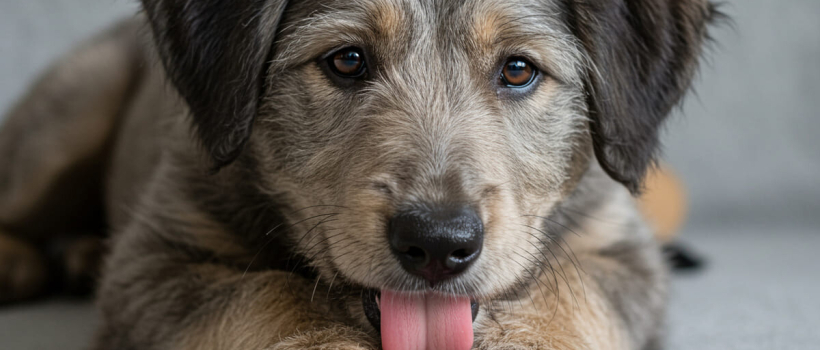
Have you ever noticed your dog, who was sitting quietly, suddenly licking its paw persistently? This sight may seem ordinary at first, but the symptom should be taken into consideration. When a similar behavioral pattern is observed, it is best to know whether your dog is cleaning itself, is bored, or has a health problem.
The anxiety you feel while watching your dog lick its paws is actually a common experience for many pet owners. Because this behavior, as we mentioned earlier, can sometimes be as simple as cleaning mud carried from outside, and sometimes it can indicate reasons such as skin irritation, allergy, or stress response in dogs.
In this article, you can find potential answers to the question "Why do dogs lick their paws?".
1. Cleanliness and Self-Care Instinct
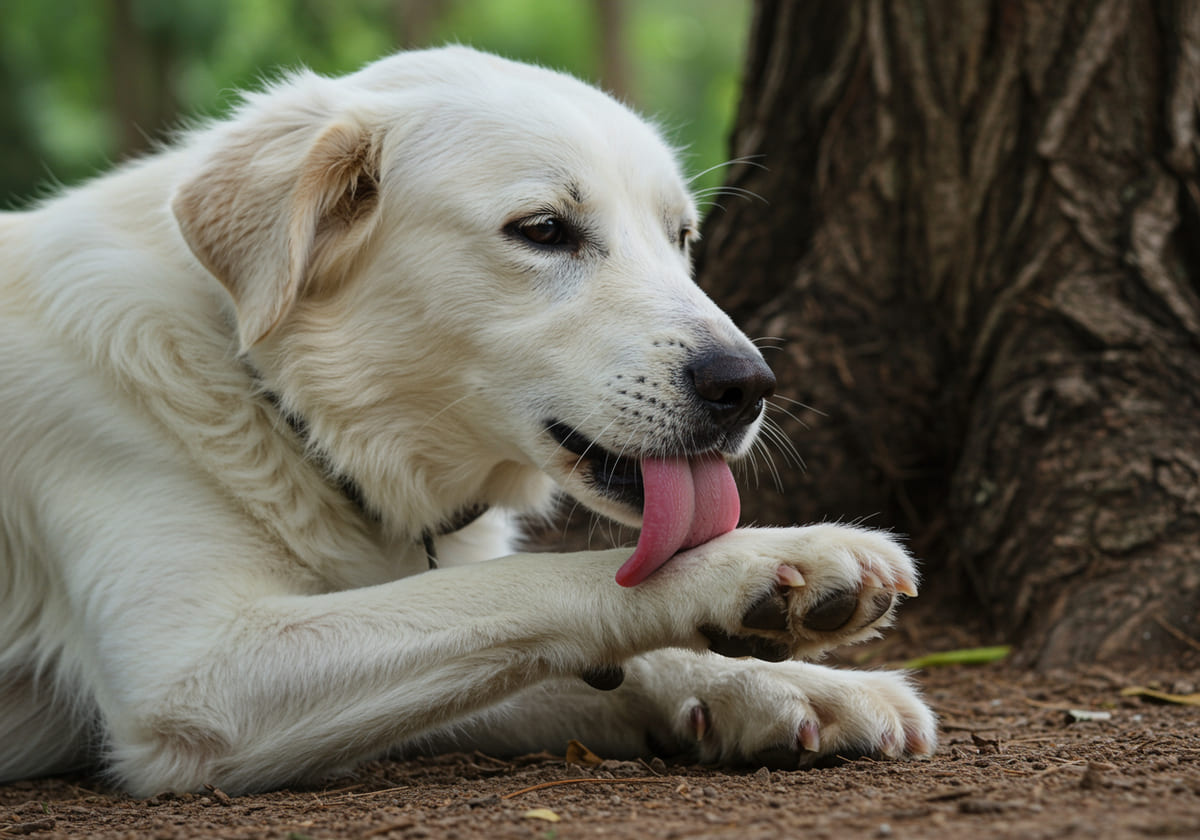
One of the most basic reasons dogs lick their paws is cleanliness. When they go for walks outside, mud, dust, pollen, or food residue can get on their paws. When they return home, dogs who are bothered by this dirt instinctively start licking their paws.
This behavior resembles the cleaning habits we see in cats. While cats maintain their hygiene by licking their fur, dogs try to keep this part of their body clean by licking their paws. So, in this case, licking is mostly a normal and natural form of self-care.
You are likely to observe this behavior more on days when your dog goes outside frequently. Grass, soil, or residue left on the street surface bothers them, and they may reflexively try to relieve themselves by licking their paws. Here you can browse paw care products to support your dog's comfort.
2. Skin Irritation, Wound or Infection
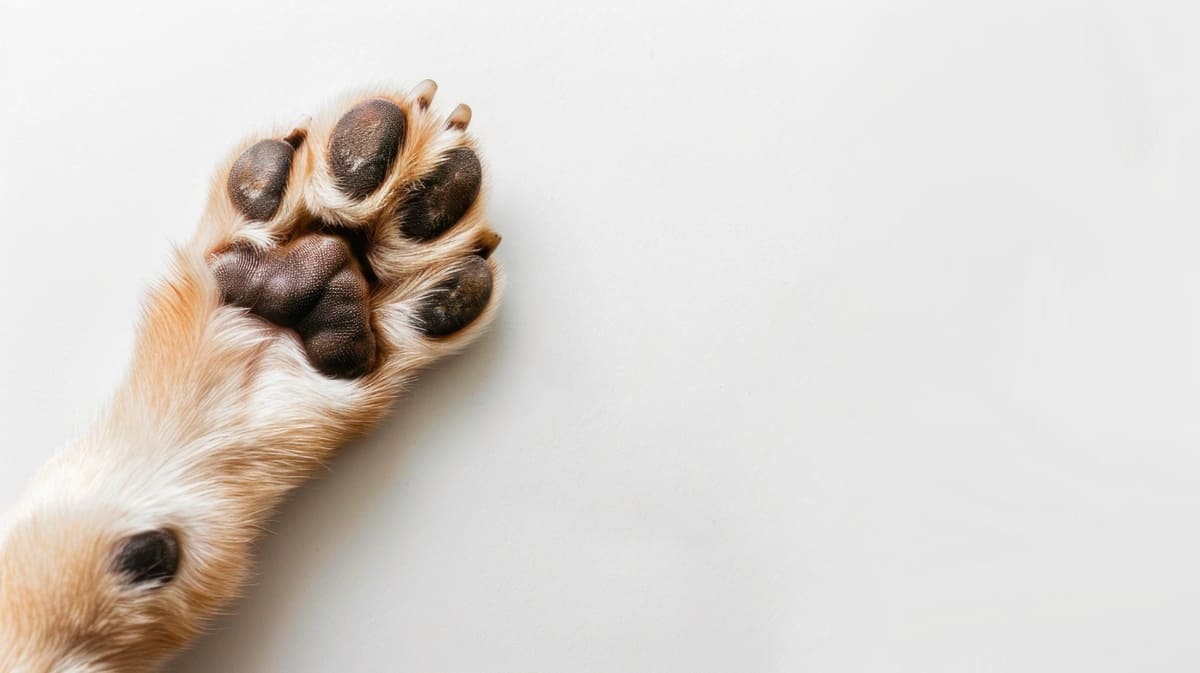
Often, excessive paw licking is caused by a physical problem. Small cuts, thorns, irritated skin, or fungal infections can trigger excessive paw licking in dogs. While licking may seem to help clean the wound at first glance, it can actually delay healing.
Symptoms may include:
- Redness between the paws
- Swelling or foul odor
- Constantly licking the same area
Fungal infections, bacterial skin infections (pyoderma), or skin irritation can worsen this condition. As stated in the American Kennel Club source, excessive licking can lead to further enlargement of the wound and the development of secondary infections.
3. Allergic Reactions (Food, Pollen, or Chemicals)
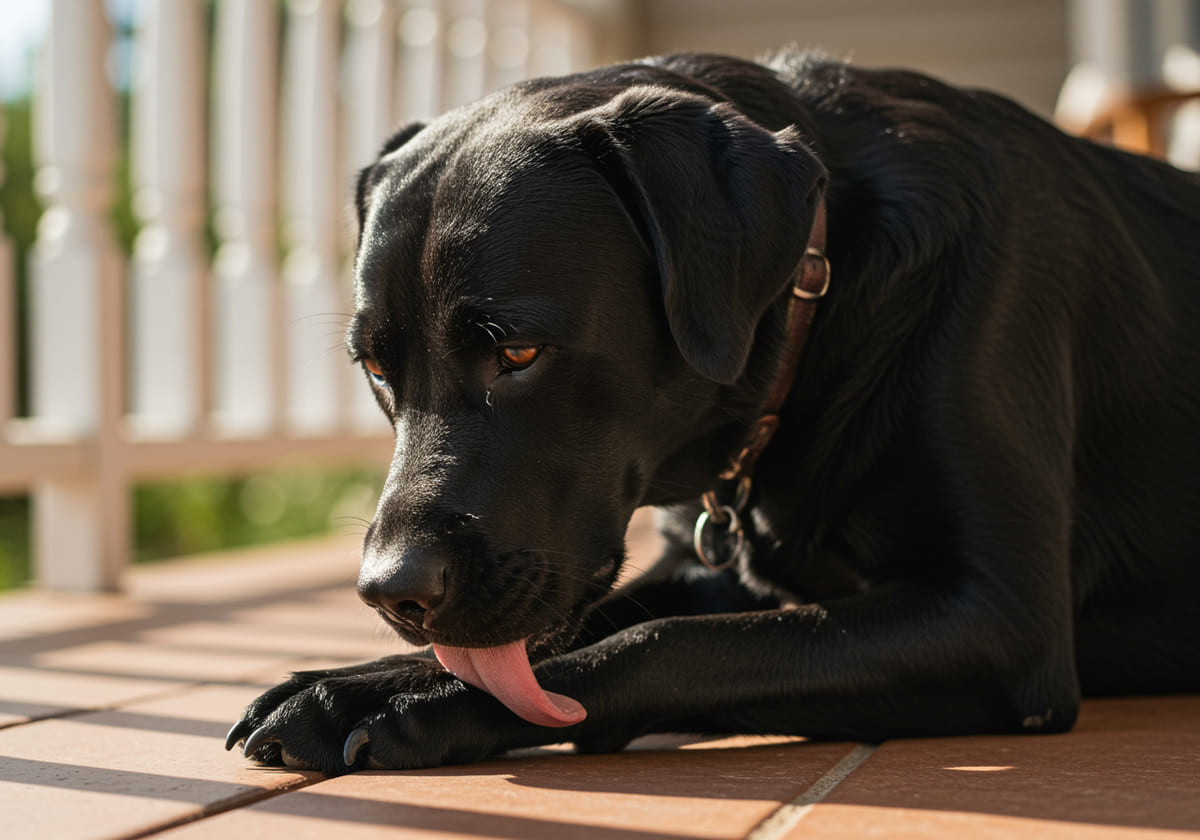
One of the most common causes of dogs constantly licking their paws is allergic reactions. Allergies in dogs can be categorized into three main areas:
- Food allergy: Some dogs are sensitive to chicken, beef, or grain-based foods. This can cause itching and redness on the paws.
- Pollen or grass: Especially in spring, pollen can cause intense itching when it comes into contact with the paws. Dogs that come home from outside may increase licking behavior during this period.
- Cleaning products or chemical residues: Floor cleaners, detergents, or disinfectant residues can cause irritation on the paws. The dog may start licking its paws to reduce this discomfort.
Symptoms usually appear as itching, redness, swelling, or irritation. In such cases, allergy tests and, if necessary, dietary changes performed under the supervision of a veterinarian will help to understand the source of the problem. As mentioned in The Spruce Pets source, allergies can often become a chronic problem and require regular follow-up.
4. Stress, Anxiety and Boredom
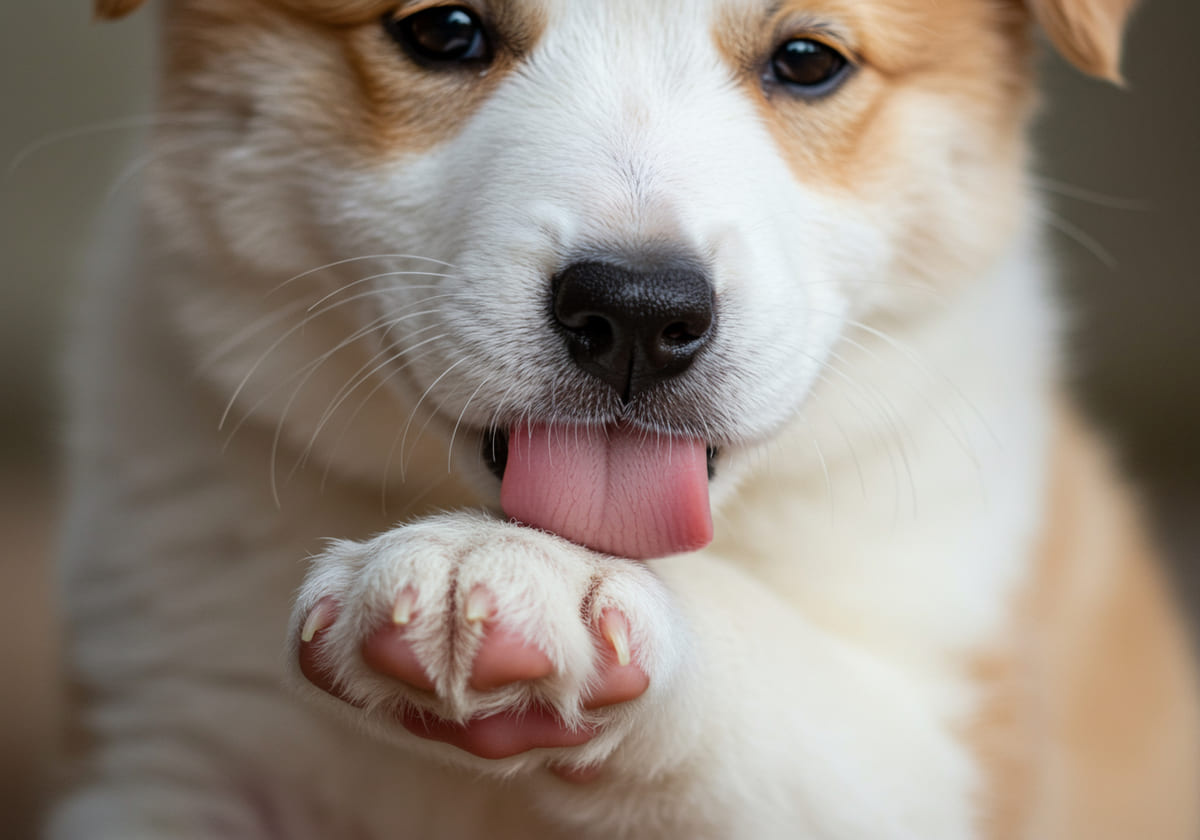
The Best Friends Animal Society source emphasizes that excessive licking behavior may be related to boredom and anxiety.
Emotional factors may also be behind dogs licking their paws. Being alone, not receiving enough attention, exposure to noise, or disruption of the daily routine can manifest as signs of stress in dogs. Paw licking becomes a "relief method" at this point.
Sources of stress include:
- Separation anxiety
- Being left alone at home for extended periods
- Noisy environments or unfamiliar smells
- Changes in routine (moving, travel, new family member)
5. Pain or Physical Discomfort
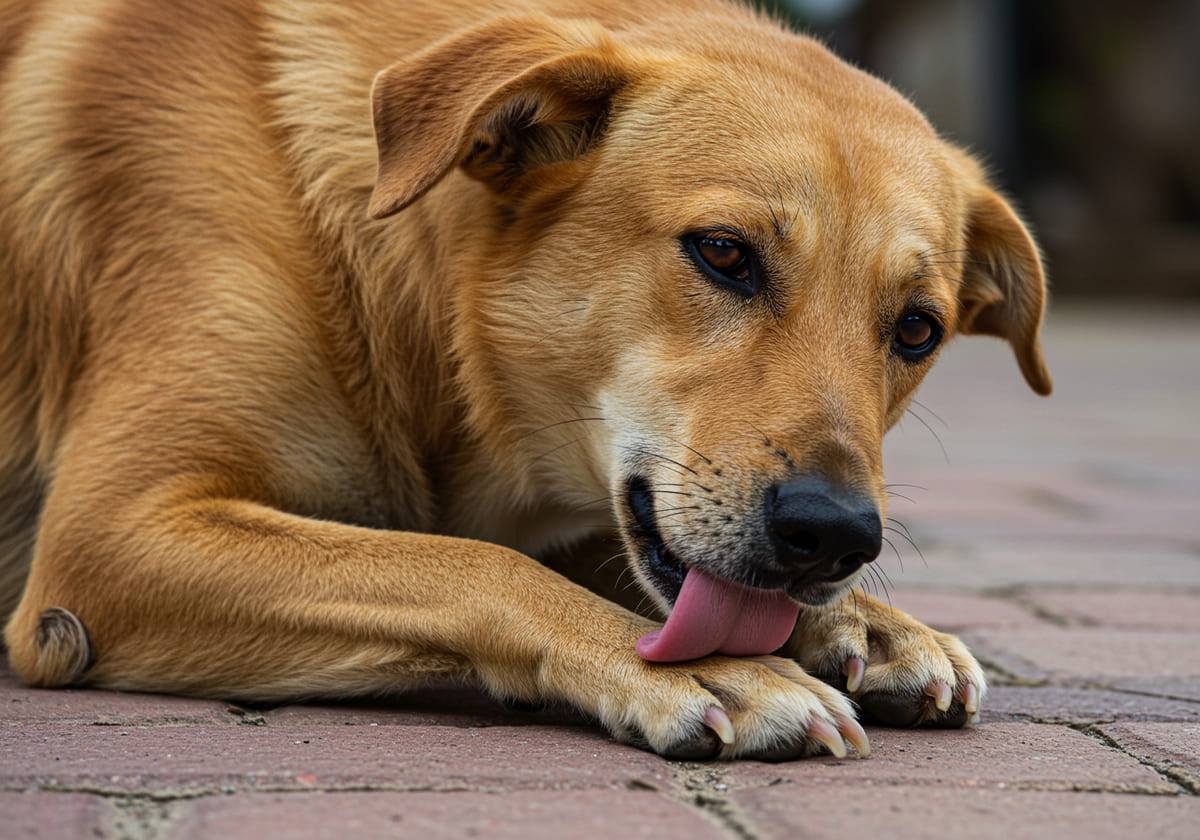
The American Kennel Club source states that one of the reasons dogs lick their paws excessively may be pain. Pain originating from muscles, joints, or nails leads to licking behavior that focuses particularly on a specific paw.
For example, a dog with a thorn in its paw may try to alleviate the pain by constantly licking the area. Similarly, osteoarthritis, or joint inflammation in older dogs, can result in tenderness and licking in the paws.
In this case, the licking behavior signals a problem in the affected area. If your dog is constantly licking only one paw, it is highly likely that this is due to pain.
6. Parasites, Flea or Tick Bites
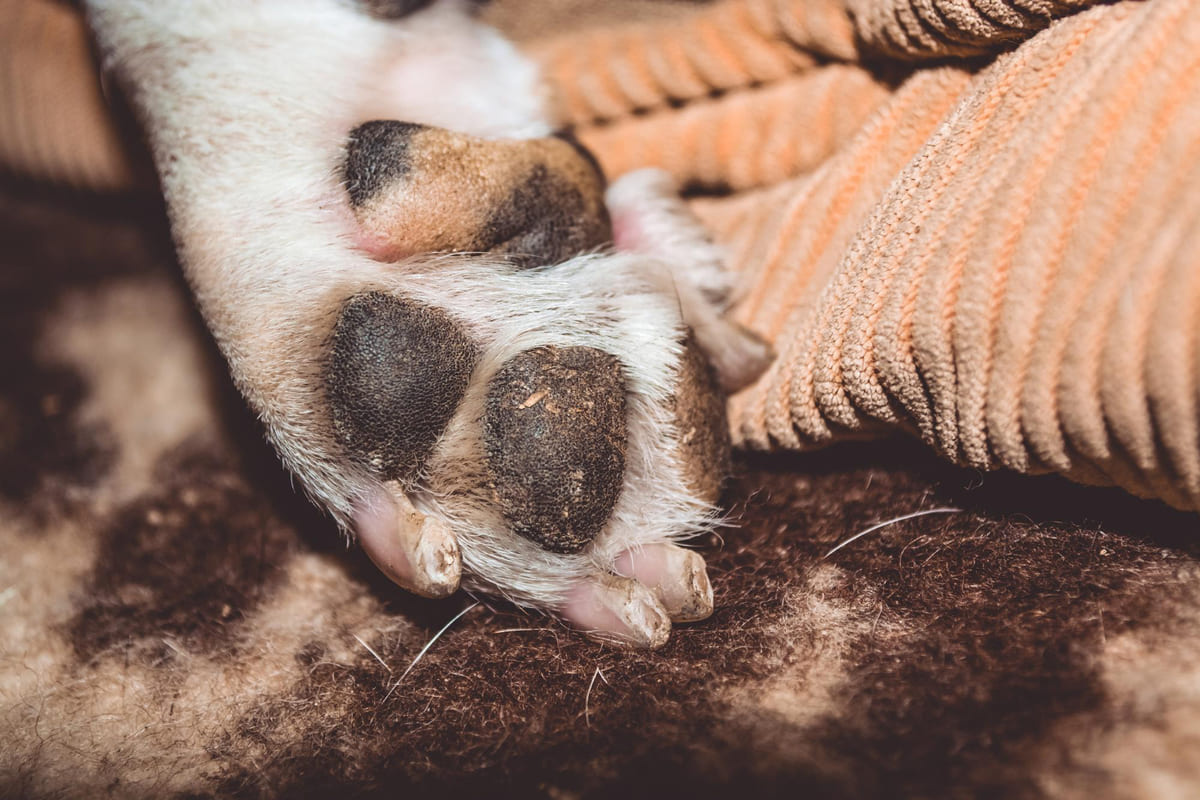
Parasites hidden between the paws cause intense itching in dogs. In this case, the dog may prefer to lick its paws instead of scratching. External parasites such as fleas, ticks, and mites are among the most common causes of this behavior. According to Reedy Creek Veterinary, parasite bites can cause redness, swelling, and secondary infections in addition to itching. This problem is more common in dogs that do not undergo regular parasite checks. 7. Behavioral Habit or Obsessive-Compulsive Behavior Your dog constantly licking its paws may sometimes be due to a behavioral habit rather than any physical cause. This can become a routine that the dog develops to keep itself occupied. Compulsive Disorder, also known as obsessive behavior, especially in dogs, can manifest as repetitive and uncontrolled licking. The dog continues this behavior even without a specific trigger, and over time it can lead to skin irritation.
According to Reedy Creek Veterinary, parasite bites can cause redness, swelling, and secondary infections in addition to itching. This problem is more common in dogs that do not undergo regular parasite checks.
7. Behavioral Habit or Obsessive-Compulsive Behavior
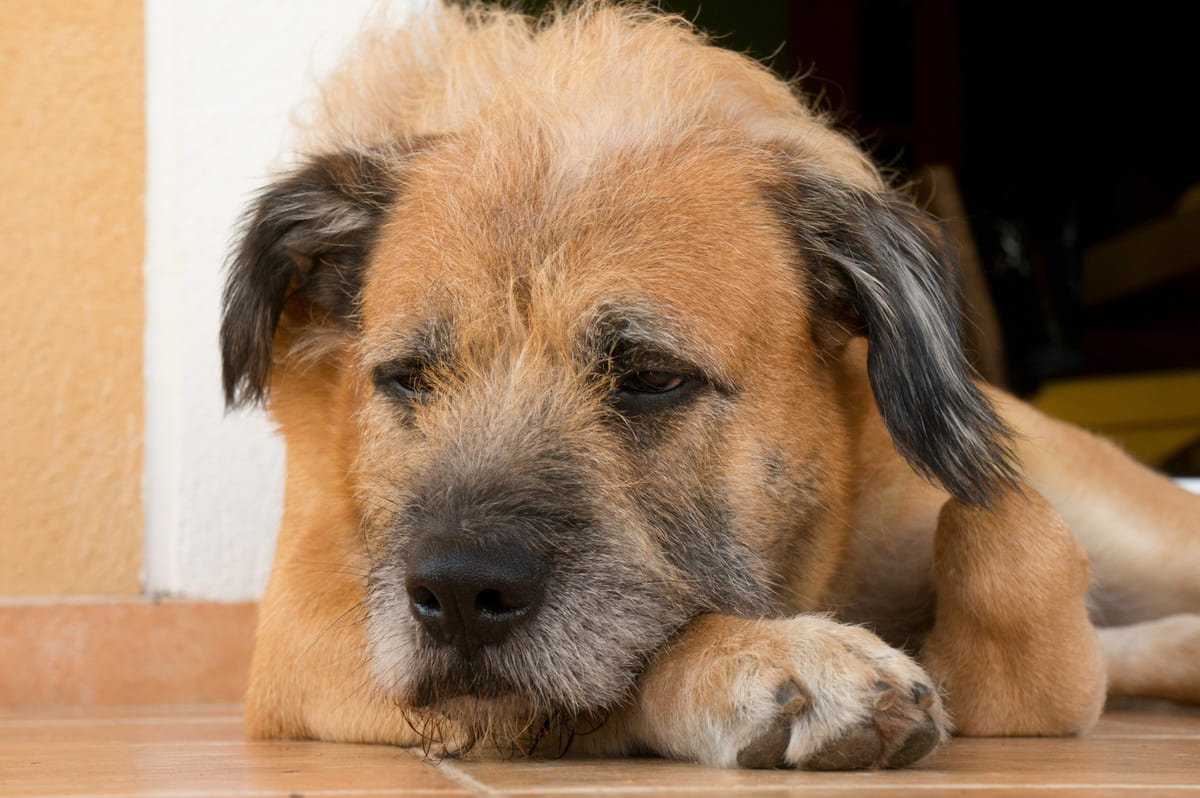
Your dog constantly licking its paws may sometimes be due to a purely behavioral habit, not any physical cause. This can become a routine the dog develops to keep itself occupied.
Compulsive Disorder, also known as obsessive behavior, particularly in dogs, can manifest as repetitive and uncontrollable licking. The dog continues this behavior even without a specific trigger, and over time it can lead to skin irritation.
So when should professional help be sought? If the licking behavior reaches a level that affects daily life or causes injuries, intervention by a veterinarian or a behavioral specialist is necessary.
8. External Factors: Chemical Residues or Salty Surfaces

Salt sprinkled on roads in winter or cleaning products used at home can cause irritation to dogs' paws. These chemical residues dry out the skin surface and cause itching. The dog begins to lick its paws to relieve this discomfort.
Detergent or disinfectant residues can be both irritating and toxic to dogs if swallowed. Therefore, cleaning the paws, especially after walks, is critical to preventing chemical irritation.
9. Hormonal or Metabolic Imbalances Hormonal imbalances such as hypothyroidism (underactive thyroid) directly affect skin health in dogs. In these cases, dry skin, hair loss, itching, and irritation occur secondarily. As a result, dogs start licking their paws more. Hormonal problems are usually diagnosed with blood tests and require regular treatment. Attention Seeking or Owner's Response Behavior Some dogs consciously lick their paws to attract their owners' attention. Even when the person reacts by saying "Stop!", the dog perceives this as a sign of attention and continues to repeat the behavior. According to PetMD, in such cases, the licking behavior may be inadvertently reinforced. Because the dog learns that its owner reacts when it licks its paw. This reaction, whether positive or negative, is a way for the dog to receive attention. Therefore, the correct approach in such situations is not to punish or constantly warn the dog, but to redirect its attention to appropriate toys or exercise.
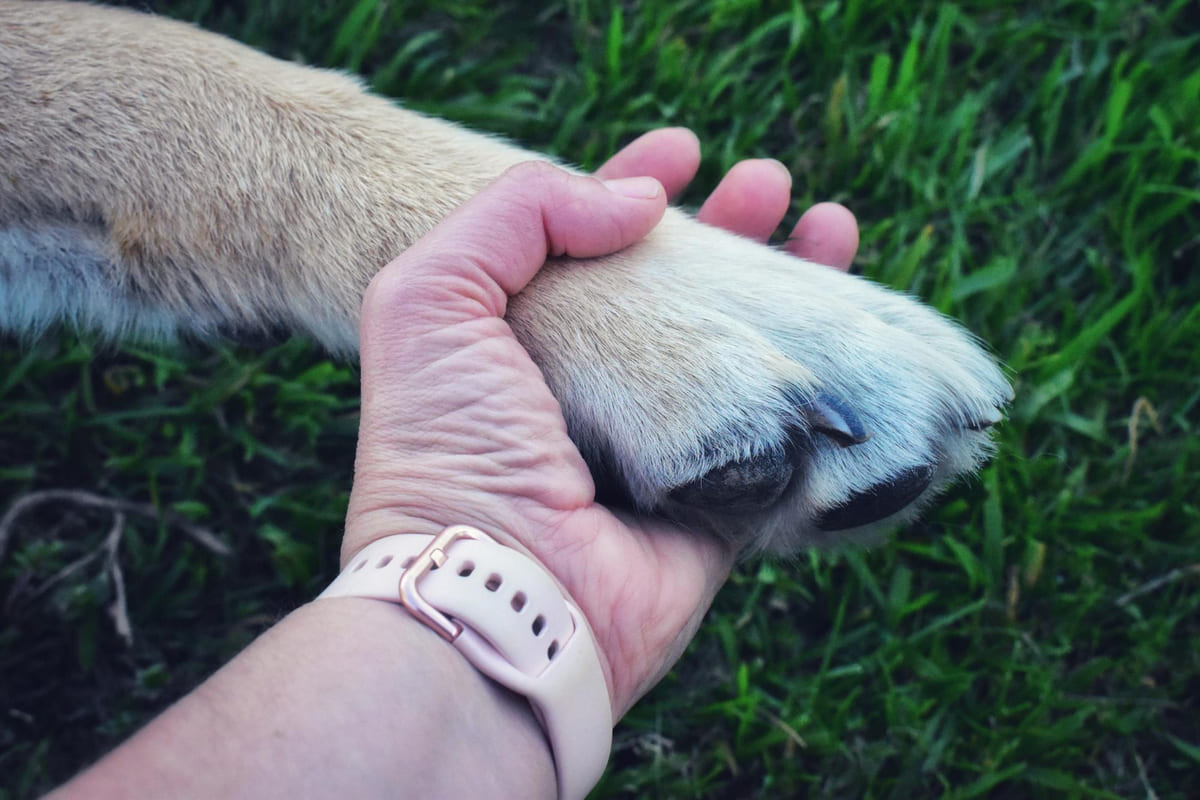
Hormonal imbalances, such as hypothyroidism (underactive thyroid), directly affect skin health in dogs. In these cases, secondary skin dryness, hair loss, itching, and irritation occur. As a result, dogs begin to lick their paws more. Hormonal problems are usually diagnosed with blood tests and require regular treatment.
10. Attention Seeking or Owner-Response-Related Behavior
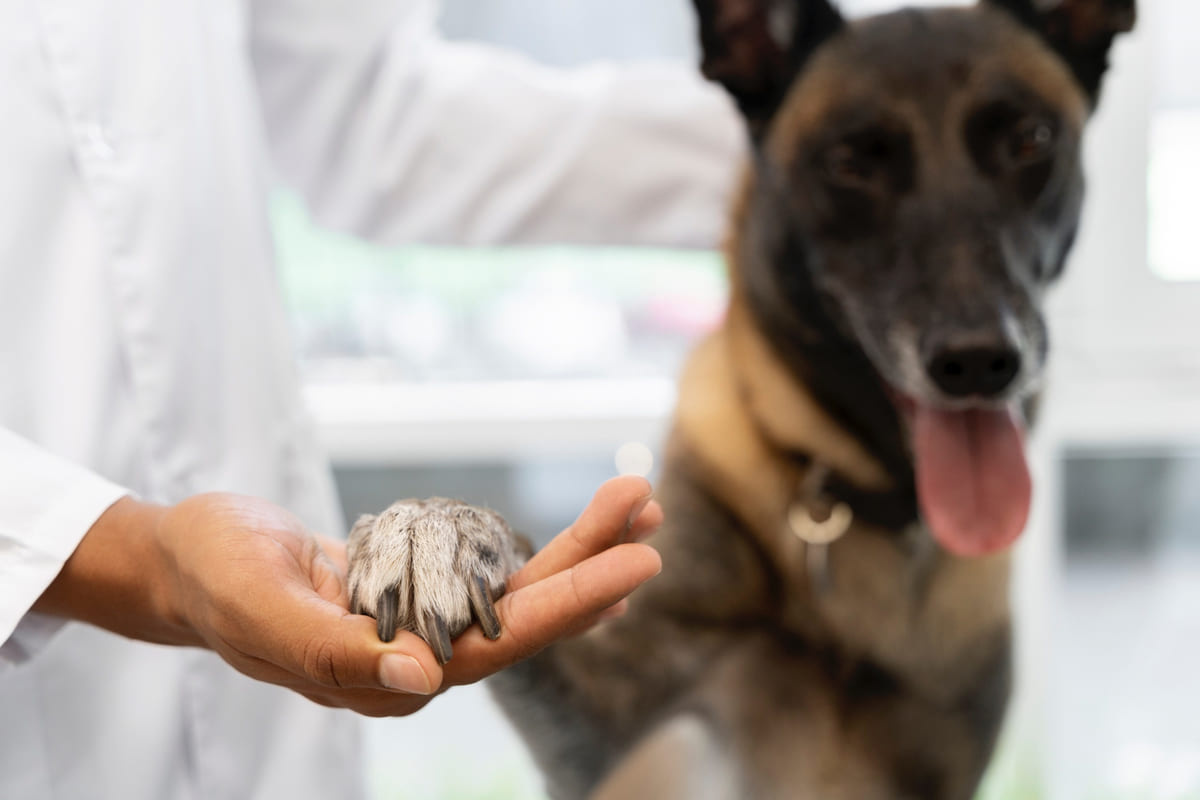
Some dogs consciously lick their paws to attract their owners' attention. Even when the person reacts by saying "Stop!", the dog perceives this as a sign of attention and continues to repeat the behavior. According to
PetMD, in such situations, licking behavior can be inadvertently reinforced. This is because the dog learns that its owner reacts when it licks its paw. Whether this reaction is positive or negative, it is a way for the dog to receive attention. Therefore, the correct approach in such situations is not to punish or constantly warn the dog, but to redirect its attention to appropriate toys or exercise.
Frequently Asked Questions
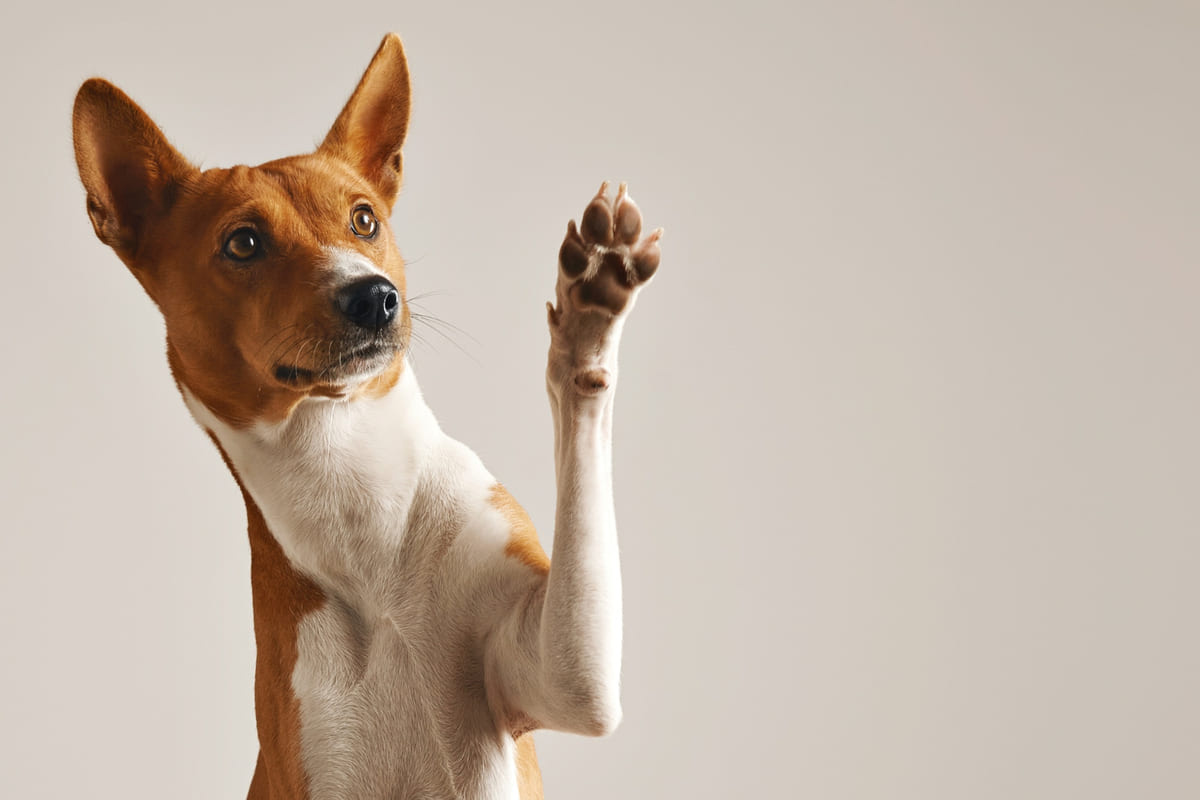
There can be many possibilities behind your dog licking its paws; we have listed many reasons ranging from cleanliness to stress, allergies to pain. But beyond all this information, we wanted to address the most important questions that come to mind.
My dog constantly licks its paws, is this normal?
Occasional paw licking in dogs is normal and is usually done for cleaning purposes. When the behavior becomes frequent, it should be remembered that this situation may be due to more serious reasons such as skin problems, allergies or psychological factors.
How much licking of a dog's paws is considered normal?
Short and infrequent licking is normal for hygiene purposes and is not a cause for concern. However, prolonged and constantly repeated licking is not considered normal and should be investigated for your dog's health.
My dog only licks one paw, what could be the reason?
Licking concentrated on a single paw usually indicates pain, a foreign object, or minor injuries. In this case, carefully examining your dog's paw and seeking veterinary assistance if you notice a problem is the safest course of action. You can read our article titled "Common Paw Problems in Dogs" for detailed information.
How to recognize stress-induced licking in dogs?
When stressed or anxious, a dog will lick its paws more frequently when left alone or exposed to noise. The fact that the behavior is repetitive and aimed at relief is an important indicator that it is stress-related.
My dog's paws are red and smell bad, what should I do?
Redness, bad odor, and irritation are the most common signs of infection. In such a case, it is necessary to consult a veterinarian immediately because the infection can progress and lead to serious health problems.
My dog has wounds on its paws from licking, how can they heal?
First, methods such as using a protective collar should be used to prevent excessive licking. Then, the appropriate treatment applied by a veterinarian will clean the wound and support the healing process.
How to recognize licking caused by allergies in dogs?
In allergy situations, itching, redness, seasonal increases, or symptoms related to environmental triggers are usually observed together. For a definitive diagnosis, allergy tests and appropriate dietary adjustments performed under the supervision of a veterinarian are necessary.
How can I stop my dog from licking its paws?
Methods such as cleaning, regular grooming, exercise, and distraction with toys can reduce this behavior. However, if the problem is health-related, a permanent solution can only be achieved with treatment.
Veteriner hekime ne zaman gitmeliyim?
If licking becomes constant, causes wounds, or is accompanied by redness, swelling, and a bad odor, it is essential to consult a veterinarian. Early intervention prevents the problem from worsening and protects your dog's health.
Does paw licking harm my dog?
Yes. Excessive licking can cause skin irritation, open wounds, and an increased risk of infection. This reduces the dog's quality of life and can lead to more serious problems in the long term.
My dog licks its paws even when sleeping, why?
If your dog licks its paws even when sleeping, this is usually due to habit, itching, or underlying health problems. If it is a frequently recurring situation, it should definitely be evaluated by a veterinarian.
Kaynaklar:
https://www.petmd.com/dog/general-health/why-do-dogs-lick-chew-paws
https://www.bright.vet/a/why-is-my-dog-licking-their-paws
https://www.akc.org/expert-advice/health/why-does-my-dog-lick-chew-paws/
https://www.paolivet.com/health/dog-licking-paws/
https://bestfriends.org/pet-care-resources/why-my-dog-licking-his-paws-so-much-causes-and-remedies
https://www.reedycreekvet.com.au/blog/13-reasons-your-dog-s-licking-its-paws
https://www.thesprucepets.com/why-is-my-dog-licking-his-paws-3384908
Advertisement
Advertisement
Keep exploring
Continue reading

Dog Lifestyle & Guides
The Unseen Risks of Excess Weight in Small Breed Dogs
Small breed Weight gain in dogs sometimes progresses unnoticed. Extra food added to the food bowl, treats given during the day, food offered from the…
Read guide →
Dog Lifestyle & Guides
Dental Health and Its Importance in Dogs
Dental health in dogs is often Bad breath doesn't become a concern until it's noticed. However, the problem often begins before the odor: Plaque…
Read guide →
Dog Lifestyle & Guides
Hachiko: The True Story and Monument of the Dog Symbolizing Loyalty
The crowd gathered in front of the Hachiko statue in Shibuya shows that a wait that began years ago is not forgotten today.
Read guide →
Dog Lifestyle & Guides
Nasal Discharge in Dogs
If your dog has a runny nose, the first question that usually comes to mind is: Is this normal, or is there something I should be concerned about?
Read guide →