Why Do Dogs Sneeze?
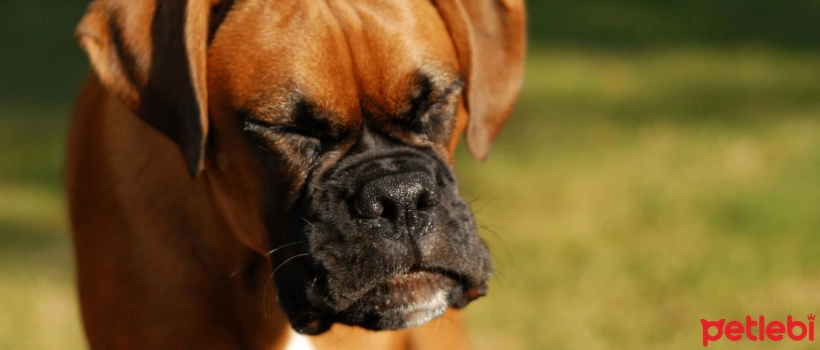
You may have witnessed your dog sneezing before. While occasional sneezing is considered normal in dogs, it's important to be cautious if sneezing becomes frequent. There can be many different reasons behind a dog's sneezing.
Advertisement
You may have witnessed your dog sneezing before. While occasional sneezing is considered normal in dogs, it's important to be cautious if sneezing becomes frequent. There can be many different reasons behind a dog's sneezing. Allergies, foreign objects, nasal infections, excitement, happiness, the desire to communicate, and many other factors can contribute to the answer to the question, "Why do dogs sneeze?". In this article, you can find important information about sneezing in dogs.

1. Definition and Function of Sneezing in Dogs
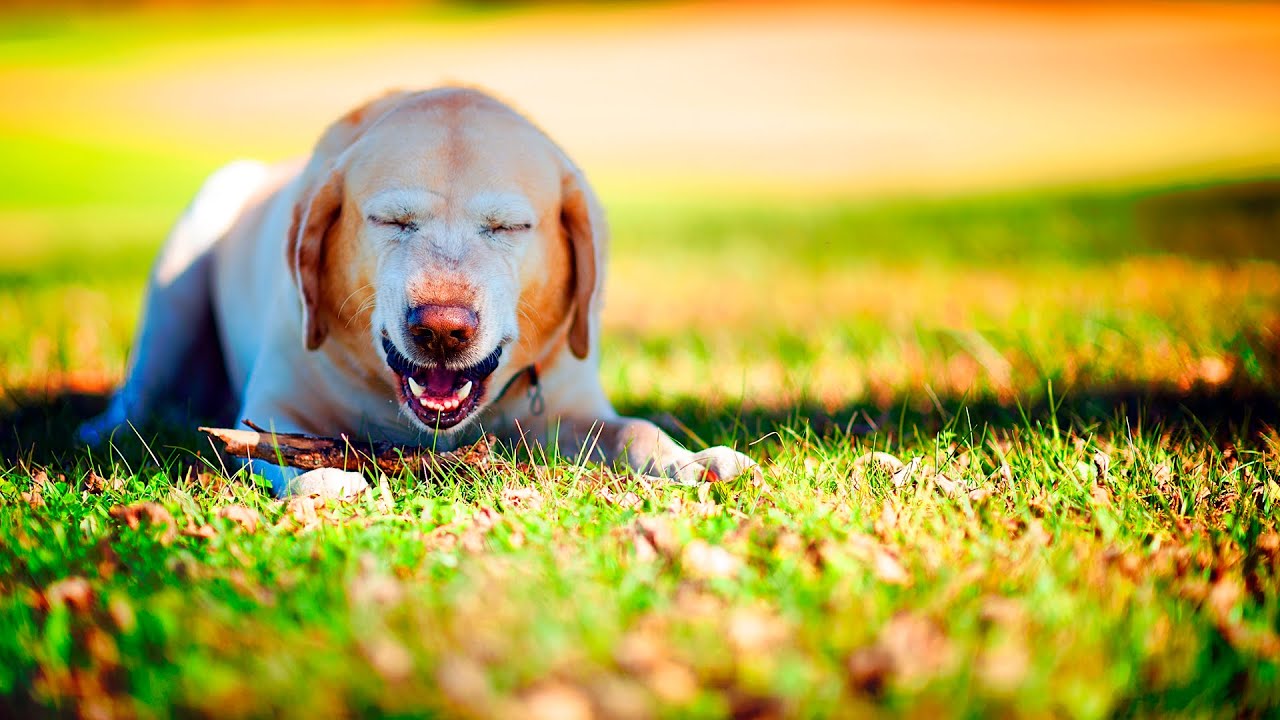
Sneezing is generally an immune system reflex that occurs as a result of foreign particles in the air irritating the nose. Dogs, like humans, can sneeze when they inhale airborne particles. The main purpose is to prevent foreign particles from entering the body and to expel particles that have entered the body. However, dog sneezing cannot be considered solely an immune system response. Sneezing can also occur in dogs experiencing emotional states such as extreme happiness or excitement. For example, it is perfectly normal for a dog to sneeze when it understands it is about to play or is actually playing. Similarly, this reflex can be considered a declaration of intent to other dogs it is playing with. Likewise, happiness can be a cause of sneezing in dogs that understand they are about to go for a walk. While we're on the subject, we'd like to mention an interesting reflex in dogs called reverse sneezing. Reverse Sneezing in Dogs: Reverse sneezing can occur for various reasons such as excitement, irritants, or infection. In this case, dogs produce snoring-like sounds with sudden, repeated breaths from their noses. It may seem like they are experiencing difficulty breathing during reverse sneezing, but in most cases, there is no need to worry. They can be calmed down by touching them. During reverse sneezing in dogs, airflow may be temporarily interrupted in the opposite direction. Nasal congestion, irritants, cold weather, and excessive exercise can trigger reverse sneezing. While reverse sneezing usually resolves on its own, if it persists, veterinary consultation should be sought.
Sneezing can also occur in dogs experiencing emotional states such as extreme happiness or excitement. For example, it is perfectly normal for a dog to sneeze when it understands it is about to play or when it is playing. Similarly, this reflex can be considered a declaration of intent to other dogs it is playing with. Likewise, happiness in dogs that understand they are about to go for a walk can also be a cause of sneezing. While we're on the subject, we'd also like to mention an interesting reflex in dogs called reverse sneezing.
Reverse Sneezing in Dogs: Reverse sneezing can occur for various reasons such as excitement, irritants, or infection. In this case, dogs produce snoring-like sounds with sudden, repeated breaths through their noses. They may appear to experience difficulty breathing during reverse sneezing, but in most cases, there's no need to worry. They can be calmed down by touching them. During reverse sneezing in dogs, airflow can be temporarily interrupted in the opposite direction. Nasal congestion, irritants, cold weather, and excessive exercise can trigger reverse sneezing. While reverse sneezing usually resolves on its own, if it persists, a veterinarian should be consulted.
2.Causes of Sneezing in Dogs
There are various reasons why dogs sneeze. As mentioned earlier, sometimes mood changes and sometimes more serious health problems can cause an increase in sneezing and its frequency in dogs. Therefore, observing additional symptoms is extremely important.
2.1 Alerjiler
Allergies can be behind sneezing in dogs. In addition to sneezing, symptoms such as watery eyes, runny nose, itching on the body, and licking a specific area of the body are strong indicators of allergies. You can find detailed information on this topic in our content titled "Allergies Seen in Dogs".
2.2.Viral ve Bakteriyel Enfeksiyonlar
Sneezing is a symptom that can also occur due to respiratory tract infections. In respiratory diseases, coughing, runny nose, weakness, and fever may also occur along with sneezing. Upper and lower respiratory tract infections can cause dogs to sneeze frequently. If different symptoms accompany sneezing, it is recommended to consult a veterinarian.
2.3 Foreign Objects
One of the causes of sneezing in dogs is foreign objects. When dogs sniff objects, sometimes these objects and/or particles can get lodged in the nasal passage. Inhaling small pieces of broken objects or toys can cause frequent sneezing in dogs. If you suspect your dog has inhaled a foreign object, you should immediately consult a veterinarian. Medical expertise will be required to identify and remove the object causing the airway obstruction.
2.4 Runny Nose and Sinusitis
Runny nose, which can be caused by infections, allergies, or irritants in the nose and sinuses, is among the causes of sneezing in dogs. However, your dog may also experience symptoms such as congestion, lethargy, loss of appetite, and airway obstruction. Sinus infections can lead to symptoms such as nasal congestion and sneezing, as well as toothache and facial swelling. If your dog has symptoms of runny nose or sinusitis, you should consult a veterinarian for examination and treatment.
Dogs usually sneeze for simple reasons. However, it is important for an increase in the frequency of sneezing to be evaluated by a veterinarian. In some breeds, frequent sneezing is considered natural. Dog breeds prone to sneezing are brachycephalic breeds, also known as flat-faced breeds. Pugs, English Bulldogs, and Boston Terriers sneeze more frequently than other breeds.
One of the problems that causes sneezing in older dogs is nasal tumors. Nasal tumors, which are more common in dogs over 7 years old, can increase sneezing over time and may cause nasal bleeding.
3. How to Prevent Your Dog from Sneezing?
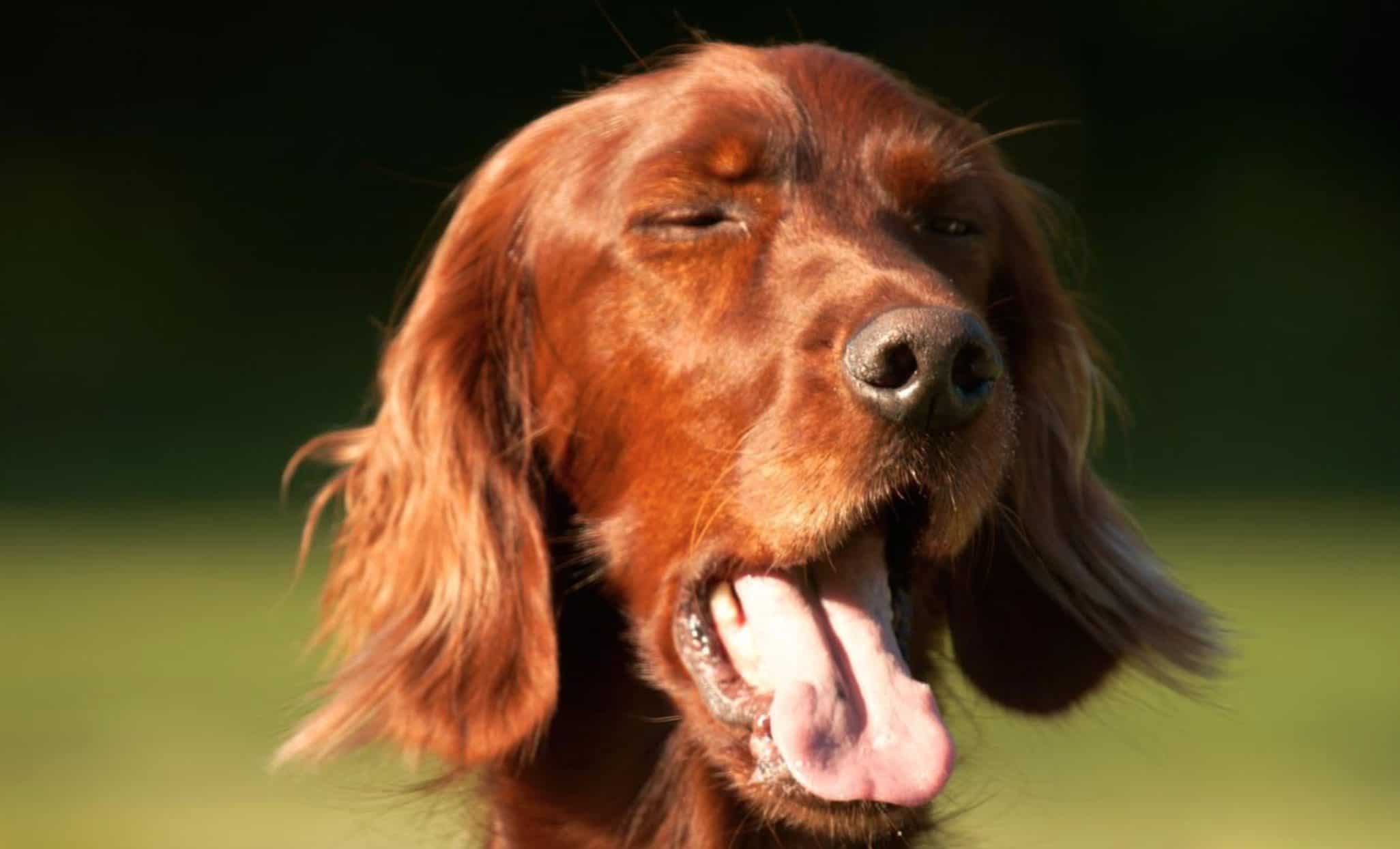
Preventing sneezing in dogs will not always be possible. Whether sneezing can be prevented depends primarily on the cause. Once the cause of frequent sneezing is identified, various measures can be taken to prevent sneezing problems in dogs.
3.1 Keeping the Environment Clean
When allergies are the main cause of sneezing in dogs, keeping their living environment clean is one of the main measures to be taken. Regularly vacuuming homes, avoiding the use of high-pile carpets as much as possible, not using room sprays, and regularly cleaning dog beds are recommended. You can click here to choose from dog beds with a texture suitable for cleaning.
3.2 Avoiding Allergens
Keeping the living environment clean for dogs with allergies is important for controlling the symptoms caused by year-round allergies. However, each dog's immune system can react differently to allergens. In this case, it is important to identify the allergen(s) to which the dog's immune system reacts and to ensure that they avoid the identified allergen.

4. When Should You See a Veterinarian About Sneezing?
There is no special need to consult a veterinarian when dogs sneeze while playing, getting excited, or interacting. However, some dogs should be examined by a veterinarian without delay, both for frequent sneezing and for any additional complaints they experience. If your dog is sneezing more frequently and continuously and cannot be controlled, If a foreign object is seen in the nostrils, If there is a nosebleed or blood comes out during sneezing, If the nasal discharge thickens and changes color, If their appetite has decreased and they have a fever, If their gums have become pale, If they have breathing problems, it is recommended that they seek veterinary examination, diagnosis, and treatment without delay. Each of these symptoms, in addition to frequent sneezing, may indicate a different problem. For example, pale and bluish gums are an indication that dogs are having trouble breathing. In this case, there is a very high probability that foreign objects have entered the respiratory tract, followed by sneezing. If foreign objects enter the respiratory tract, you should contact a veterinarian immediately. Treatment will be planned according to the cause of your dog's sneezing. Treatment for Sneezing in Dogs Treatment for sneezing in dogs can vary depending on the cause of the sneezing. Sneezing caused by mood changes does not require a treatment plan. However, an upper respiratory tract infection can be treated with methods planned specifically for the dog. If a respiratory tract infection is diagnosed, antibiotics may be necessary. You can find information on this topic in our article titled "Things to Consider When Using Antibiotics in Dogs".
- If your dog is sneezing more frequently and continuously and cannot be controlled, if a foreign object is seen in the
- nostrils, if there is a nosebleed or blood comes out
- during sneezing, if the nasal discharge thickens and changes
- color, if their appetite has decreased
- and they have a fever, if their gums
- are pale, or if they have
- breathing problems, it is recommended that they be examined, diagnosed, and treated by a veterinarian without delay.
Each of these symptoms, seen in addition to frequent sneezing, may indicate a different problem. For example, pale and bluish gums are an indication that dogs are having trouble breathing. In this case, there is a very high probability that foreign objects have entered the respiratory tract. If foreign objects enter the respiratory tract, it is necessary to contact a veterinarian immediately. Treatment will be planned according to the cause of your dog's sneezing.
Sneezing Treatment in Dogs
Sneezing treatment in dogs can vary depending on the cause of the sneezing. Sneezing caused by mood changes does not require a treatment plan. However, an upper respiratory tract infection can be treated with methods planned specifically for the dog. If a respiratory tract infection is diagnosed, antibiotics may be necessary. You can find information on this topic in our article titled "Things to Consider When Using Antibiotics in Dogs".
If the cause of sneezing in dogs is allergies, methods such as prescribing allergy medication and keeping the dog away from allergens can be used. If sneezing and wheezing occur simultaneously, it may mean that the dog has a problem in its lungs. In this case, further examinations should not be neglected.
Advertisement
Advertisement
Keep exploring
Continue reading

Dog Lifestyle & Guides
The Unseen Risks of Excess Weight in Small Breed Dogs
Small breed Weight gain in dogs sometimes progresses unnoticed. Extra food added to the food bowl, treats given during the day, food offered from the…
Read guide →
Dog Lifestyle & Guides
Dental Health and Its Importance in Dogs
Dental health in dogs is often Bad breath doesn't become a concern until it's noticed. However, the problem often begins before the odor: Plaque…
Read guide →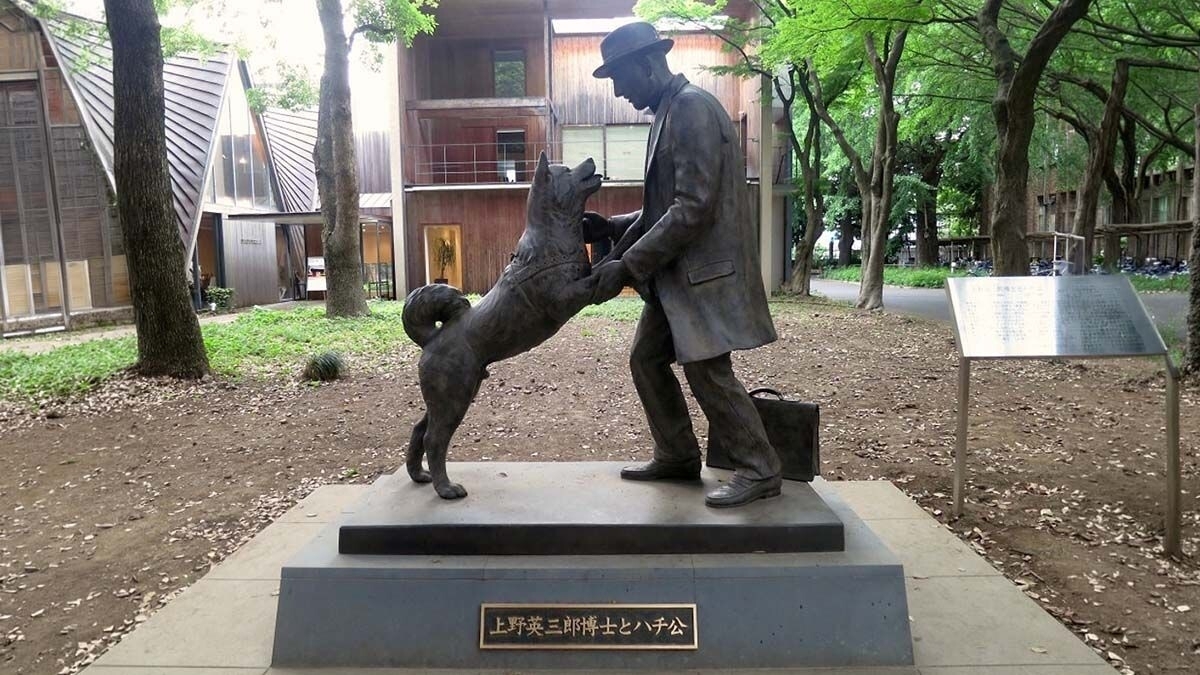
Dog Lifestyle & Guides
Hachiko: The True Story and Monument of the Dog Symbolizing Loyalty
The crowd gathered in front of the Hachiko statue in Shibuya shows that a wait that began years ago is not forgotten today.
Read guide →
Dog Lifestyle & Guides
Nasal Discharge in Dogs
If your dog has a runny nose, the first question that usually comes to mind is: Is this normal, or is there something I should be concerned about?
Read guide →